Fiction Title Generator
A novel's title has to tell a stranger which shelf it belongs on before they read a word of the blurb. Choose your genre below and generate titles shaped the way that genre's readers expect.
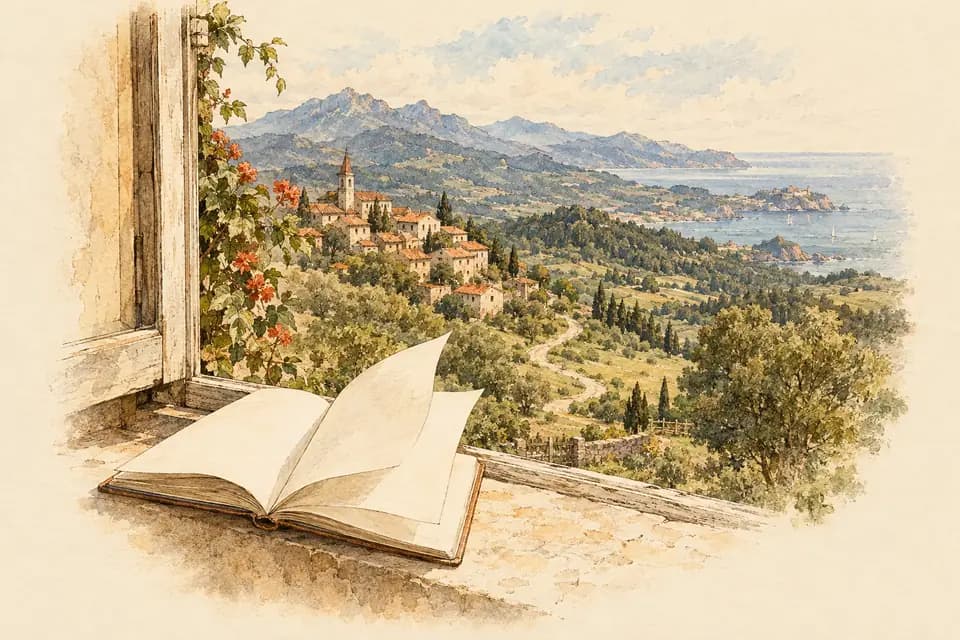
- Thrillers & Suspense
The Spare Key
A neighbor returns a key nobody remembers giving her.
- Historical Fiction
The Lamplighter's Ledger
A Victorian lamplighter records what he sees on midnight rounds.
- Romance
The Duke Owes Me a Dance
A wallflower collects on a careless duke's drunken promise.
- Mystery & Crime
Proof of Death
A baker finds the health inspector dead in her walk-in.
- Science Fiction and Fantasy
Ash Tithe
A village pays its dragon in burned memories instead of gold.
- Movie, TV, and Literary Fan Fiction
hope is the thing with feathers
Hurt/comfort after the final battle; one of them won't talk.
- Contemporary Fiction
Everyone Here Is Fine
Three adult siblings come home for their father's second wedding.
Fiction title generators
Each genre has its own sample titles, naming tips and a list of well-known titles to measure yours against.
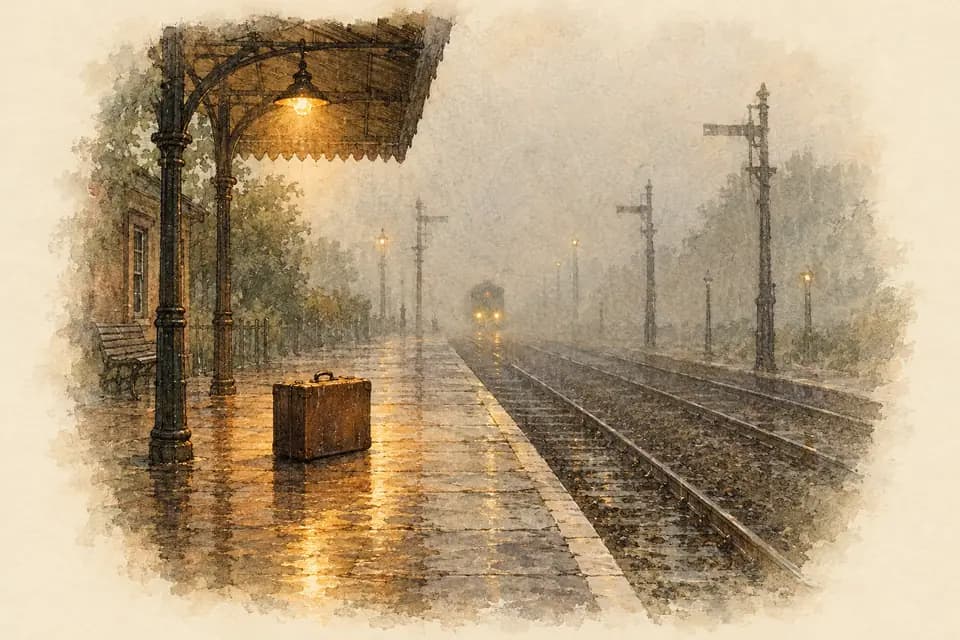 Thrillers & SuspenseA thriller title has one job: make a stranger in an airport pick up the book.
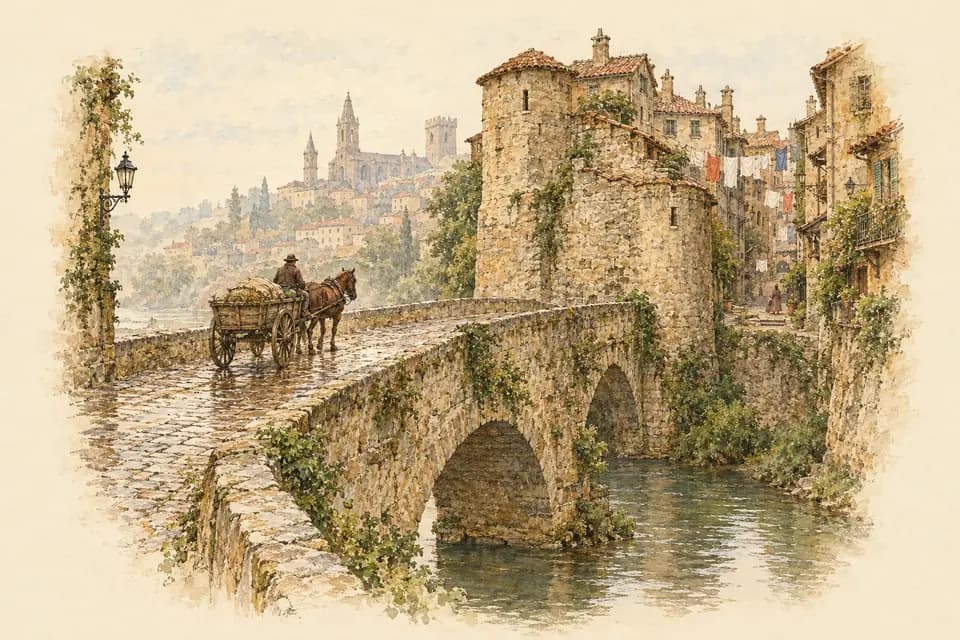 Historical FictionHistorical novels carry their period in the title: a trade, a house, a war, a city.
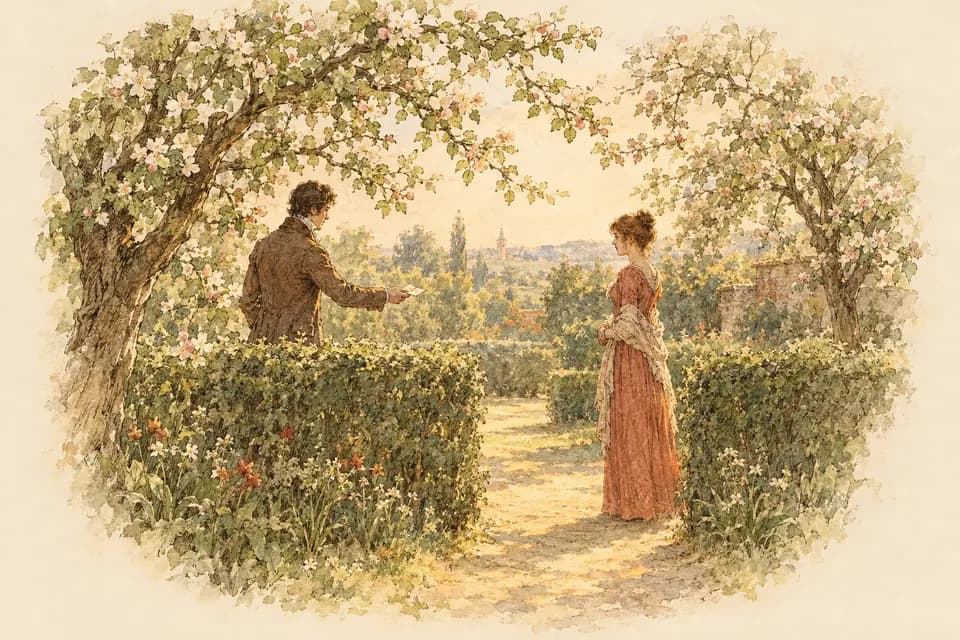 RomanceRomance readers decide in a second whether a book is their kind of love story.
 Mystery & CrimeMystery readers like a title that turns out to be a clue.
 Science Fiction and FantasyFantasy titles promise a world; science fiction titles promise an idea.
 Movie, TV, and Literary Fan FictionFic titles follow their own rules: lyric fragments, quotes, puns and lowercase sentences.
 Contemporary FictionContemporary fiction lives on the book club table, where titles are quieter and do more work.
What makes a Fiction title work
Fiction readers judge a title in the time it takes to scroll past a thumbnail. In that second the title has to say what kind of book this is. A thriller title promises danger in two or three hard words. A romance title promises a trope and a tone. Historical fiction leans on a place, a profession or a war, and book club fiction allows itself a whole sentence.
The genres here overlap more than the shelf labels suggest. Mystery and thriller titles both trade on menace, but a mystery points at a puzzle and a thriller points at a threat. Science fiction tends to name an idea, while fantasy names a world or an object of power. Fan fiction plays by its own rules, with lyric fragments and lowercase titles that would never survive a print cover. Pick the genre that matches the reader you want, then read its tips before you generate.
Decide the shelf before the words
Readers sort books by genre long before they weigh the title's meaning. A word like 'Duke', 'Murder' or 'Starship' files your book on a shelf instantly, for better or worse. Settle what the book is first, then choose words that belong in that section of the store.
Earn a one-word title
Rebecca by Daphne du Maurier and Beloved by Toni Morrison look confident on a cover because the books behind them are enormous. For a debut, a single common word is hard to find in a retailer search and easy to forget. If you go short, choose a word that is unusual, or let a series line carry the genre.
Borrow from older books, carefully
Some of the most famous titles are quotations. Brave New World comes from Miranda's line in The Tempest, and For Whom the Bell Tolls comes from a John Donne meditation. A borrowed line brings its echo with it, so pick a source whose mood matches your book, and make sure it is in the public domain if you plan to quote more of it inside.
Make the title truer by the last page
The best fiction titles change meaning once the story is over. Ian McEwan's Atonement reads as a simple noun on the cover and as a confession after the final section. Ask what your title will mean to someone who has finished the book, not only to someone browsing.
Search it before you print it
Type your title into Amazon, Goodreads and your library's catalog. If a bestseller in your own genre already owns it, readers will find that book instead of yours. Changing one word is usually enough to give your book its own search results.
Questions about Fiction titles
Can I use a title that's already taken?
Usually, yes. In the US, titles of individual books are not protected by copyright, which is why several novels can share a name. Avoid famous titles and series names, which can carry trademark protection, and think about search: if your book will appear next to a bestseller with the same title, change a word.
How long should a novel title be?
Most genre fiction titles run one to five words so they stay readable on a phone-sized cover. Literary and book club fiction can go longer, sometimes a full sentence. If the title wraps onto three lines of the cover, consider moving part of it into a series line or tagline.
Should a novel have a subtitle?
Rarely on the cover itself. Many indie authors use the retailer subtitle field to describe the book, for example as part of a named series or as a psychological thriller. Amazon allows descriptive subtitles but discourages stuffing them with keywords, so keep it honest and short.
When should I settle on a final title?
Use a working title while drafting and decide once you know what the book is about, which is often clearer after revision. If you are traditionally published, expect the title to be discussed and sometimes changed by your editor and sales team. Indie authors should lock it before commissioning the cover.
More title generators
A title deserves a book.
Put it on a cover, write the first chapter under it, and see if it holds.
Plans from $9.99 a month. Cancel any time. Your words are always yours.