Fantasy Locations Name Generator
Name every place on your fantasy map, from a three-house village to the world itself, using the patterns behind real place names.
Choose a generator
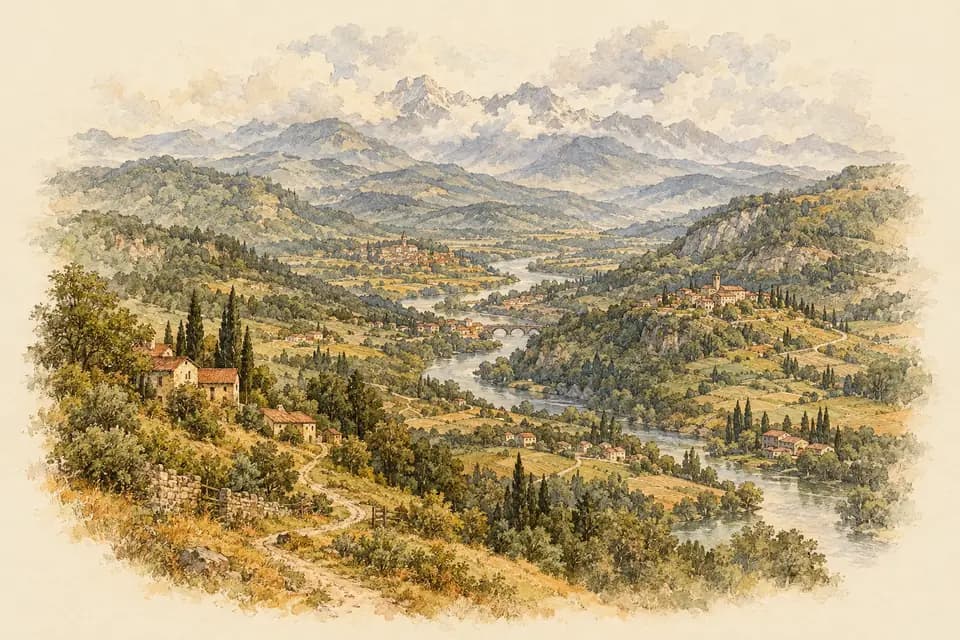
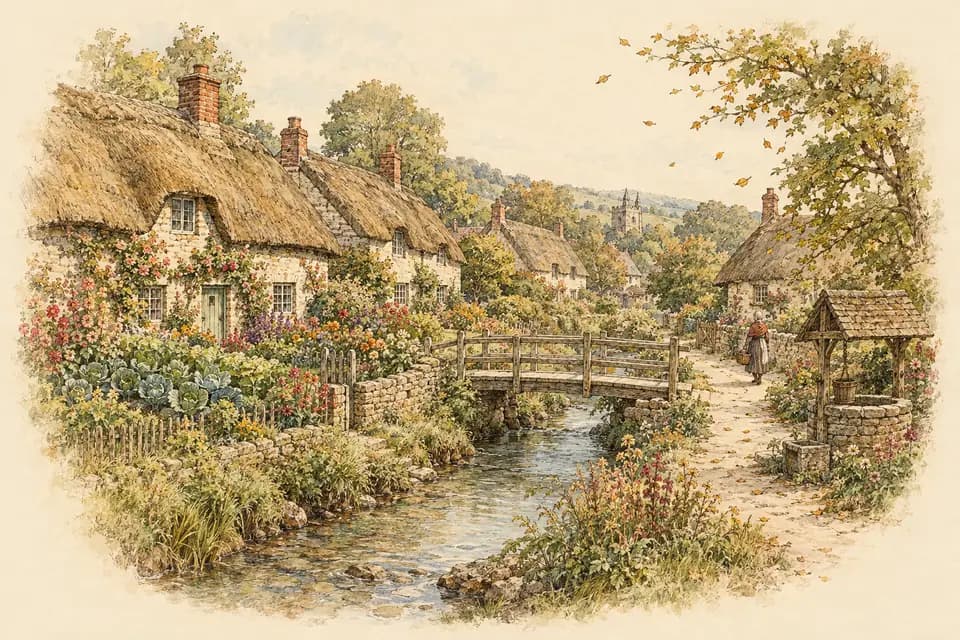 Village name generatorHobbiton, Hogsmeade, Bree
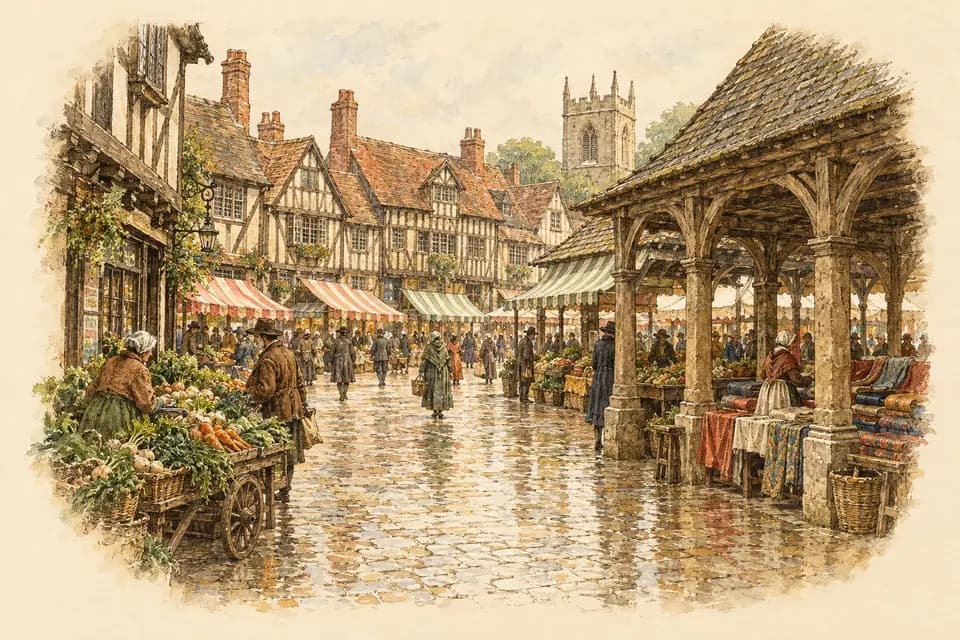 Town name generatorHobbiton, Diagon Alley, Bree
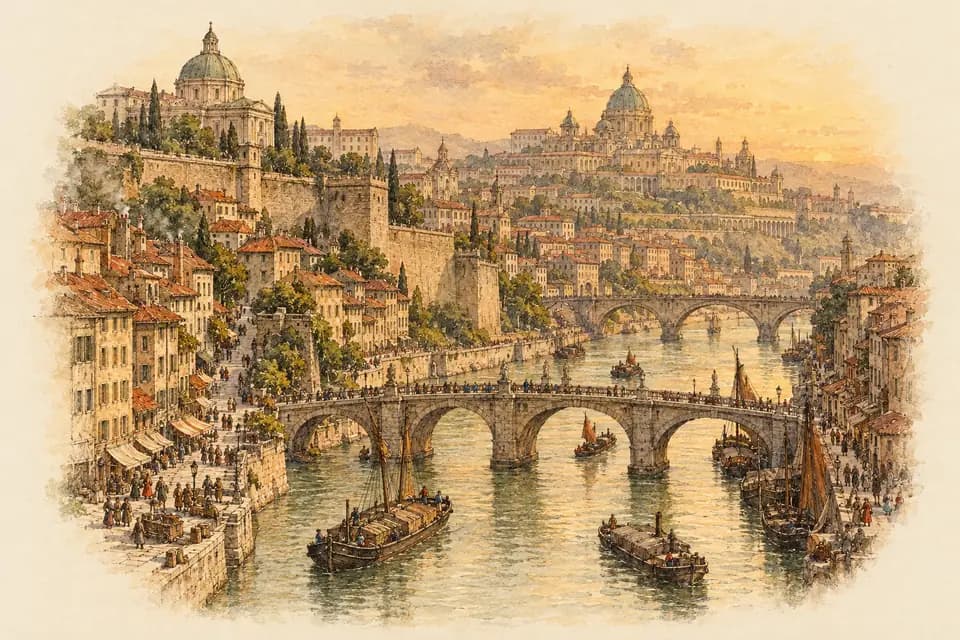 City name generatorMinas Tirith, King's Landing, Atlantis
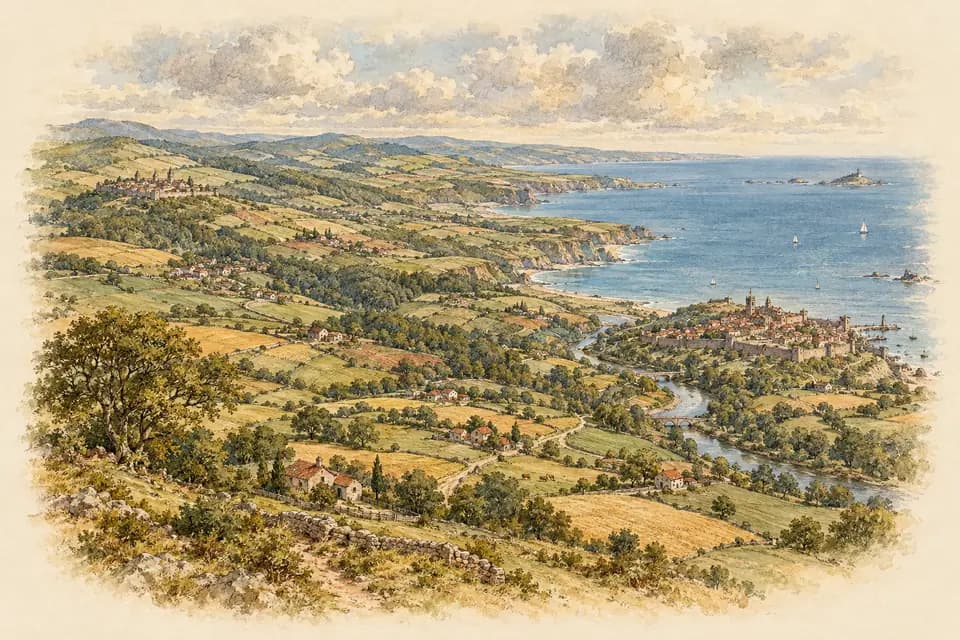 Country name generatorEldoria, Drakoria, Avalonia
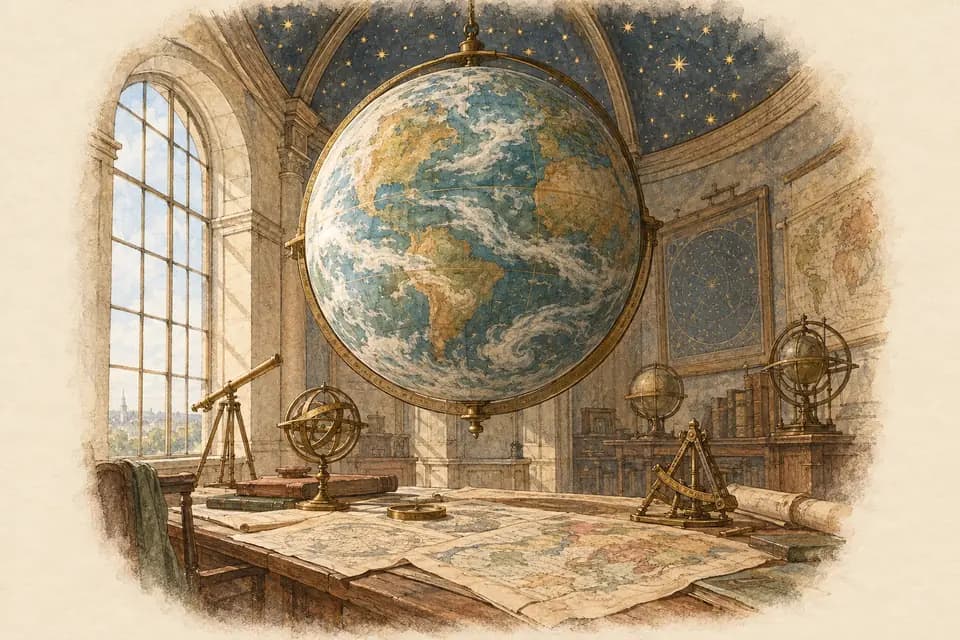 World name generatorAetheria, Dragoros, Elariana
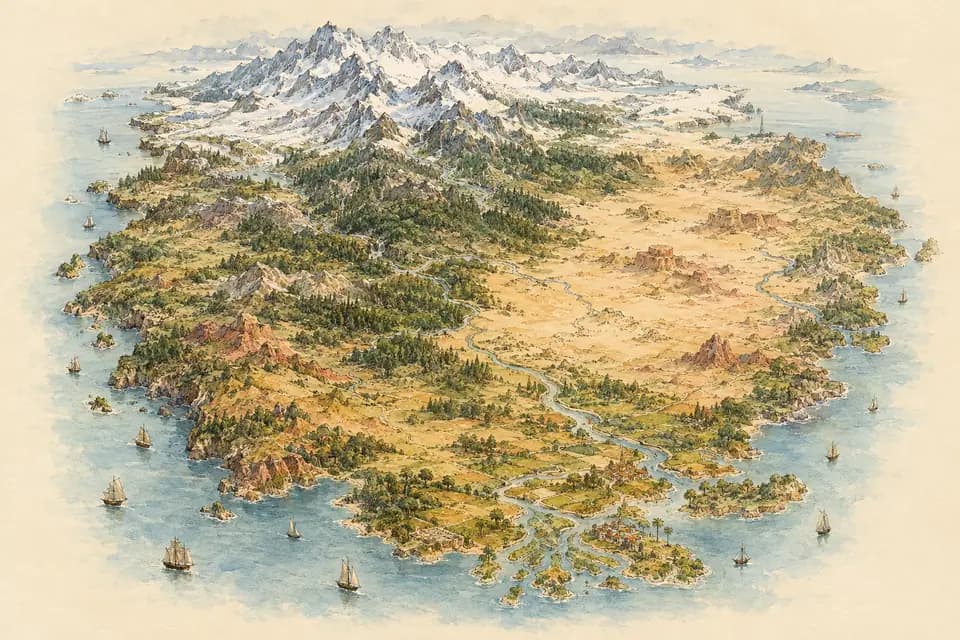 Continent name generatorDrakoria, Avalonia, Nymphoria
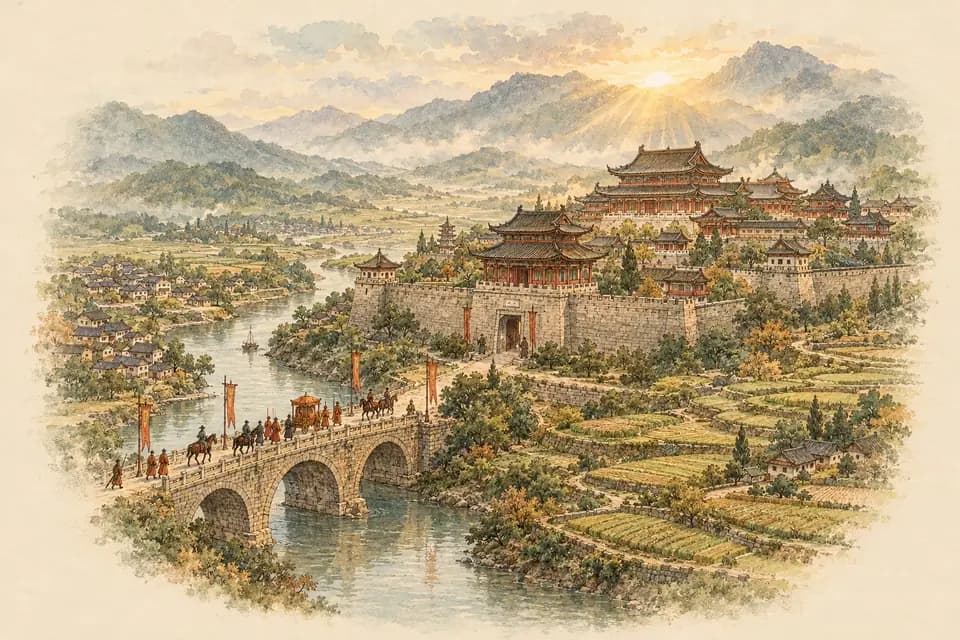 Kingdom name generatorEldoria, Thornvale, Aurevane
Understanding fantasy place names
Real place names are descriptions that wore down over time. English -ton is Old English tūn, a farmstead or enclosure. The -ham ending is hām, a home, and -ford is a river crossing, so Oxford was where oxen crossed. The ending -by is Old Norse býr, a farm or village, which is why Whitby and Grimsby cluster in the part of England once ruled by Danes. Over centuries the meaning fades and only the sound is left, and that worn-smooth sound is what makes a name feel old.
Fantasy writers who sound convincing copy that process. Tolkien built Hobbiton from hobbit plus -ton, and he took Bree from a Celtic word for "hill." The six generators here work at different scales: Village, Town and City for settlements, Country for nations, Continent for landmasses and World for the whole setting. Decide which languages shaped each region first, then name places as your story reaches them, so neighbors sound related.
How to name a fantasy place
Name villages after one feature
A village is named for the one thing that set it apart when it was founded: a ford, a clearing, a spring, a particular tree. Combine that feature with a plain English or Norse element. Use -ford for a river crossing, -ley for a woodland clearing (Old English lēah), -thorpe for a small outlying farm, or -wick for a dairy farm or trading spot. Examples: Ashford, Brackenley, Millthorpe, Saltwick. Avoid grand words here. A village called Shadowspire sounds like a theme park, while Elmley sounds like a place people actually live.
Name towns after what made them grow
Towns grew around a market, a bridge, a castle or an old Roman fort, and their names keep the evidence. Use -bridge (Cambridge), -bury or -borough from burh, a fortified place (Canterbury, Middlesbrough), or -chester and -caster from Latin castra, a camp (Manchester, Lancaster). Add a prefix like Market or King's to show a charter. Examples: Kettlebridge, Harrowbury, Market Wending, Ravencaster. A town's name should tell a player why the road goes there.
Give cities two names
Cities are old enough to have a formal name and a nickname. Tolkien's Minas Tirith is Sindarin for "tower of guard." George R.R. Martin's King's Landing is named for the spot where Aegon the Conqueror came ashore. Waterdeep in the Forgotten Realms is named for its deep harbor and nicknamed the City of Splendors. Let the formal name be worn down or foreign, like London from Roman Londinium, and give locals a shorter form or a nickname: Valcaster, "the Old Fort"; Seren Mor, called simply "the Harbor."
Use one language per region
Real maps show who settled where. In Wales, Aber- marks a river mouth (Aberystwyth) and Llan- a church enclosure (Llandudno); in eastern England, -by and -thorpe mark Norse settlers. Give each region of your map its own small set of elements and stick to it. A highland region might use Aber- and -dun: Abercarrow, Dunmorrow. A conquered lowland might mix the invaders' endings with older native ones. When readers see a -by name in the middle of -ton country, they will sense a history before you explain it.
Famous fantasy places and how they were named
Each of these places shows one technique you can copy for your own map.
- HobbitonTolkien added the Old English -ton, farmstead, to the name of the people who live there. A real place-name ending on an invented word is the quickest way to sound English and old.
- BreeTolkien said the name comes from a Celtic word for "hill," and Bree sits against Bree-hill. A short name from an older language suggests people lived there before the current ones.
- Minas TirithSindarin for "tower of guard," the capital of Gondor. A two-word name in an invented language, with a plain meaning underneath, gives a city weight and a purpose.
- King's LandingIn George R.R. Martin's novels the capital is named for where Aegon the Conqueror landed. A name that records a founding event tells readers whose city it is.
- Ankh-MorporkTerry Pratchett's Discworld city is two towns joined across the River Ankh. Double-barreled names are a natural way to show a city that grew from two settlements.
- WaterdeepThe Forgotten Realms' greatest port is named for its deep harbor, in plain English. Its nickname, the City of Splendors, shows how a plain name can carry a grand title.
Popular fantasy locations names
Three names from each of the 7 generators, with their meanings. Open a generator for its full list, last names and a guide.
| Name | Meaning | Generator |
|---|---|---|
| Hobbiton | A village in the Shire of Middle-earth | Village |
| Hogsmeade | A wizarding village near Hogwarts | Village |
| Bree | A village in Middle-earth's Eriador region | Village |
| Hobbiton | A charming town of hobbits in The Lord of the Rings | Town |
| Diagon Alley | A magical shopping district in Harry Potter | Town |
| Bree | A town in Middle-earth frequented by travelers | Town |
| Minas Tirith | The capital city of Gondor in The Lord of the Rings | City |
| King's Landing | The capital city of Westeros in Game of Thrones | City |
| Atlantis | A legendary underwater city | City |
| Eldoria | A magical land of ancient power | Country |
| Drakoria | A country inhabited by dragons and dragonkin | Country |
| Avalonia | A realm of enchantment and wonders | Country |
| Aetheria | The realm of ethereal magic and spirits | World |
| Dragoros | A world dominated by dragons and their kin | World |
| Elariana | A world in tune with the natural elements | World |
| Drakoria | The land of dragons and dragonkin | Continent |
| Avalonia | A realm of enchantment and legends | Continent |
| Nymphoria | The realm of nature spirits and guardians | Continent |
| Eldoria | An ancient realm of enduring magic | Kingdom |
| Thornvale | A kingdom of rugged valleys and brambles | Kingdom |
| Aurevane | A sunlit empire of golden banners | Kingdom |
Fantasy Locations names: frequently asked questions
How do I come up with a fantasy town name?
Ask why the town exists, then name it after that reason. A town at a river crossing ends in -ford or -bridge; one that grew around a fort ends in -bury or -caster; one with a royal market might be King's Wending. Pair the ending with a local word: a color, a tree, an animal, a founder. Examples: Greybridge, Harrowbury, Ravencaster, Oakford. Say it aloud in a sentence like "we ride for Harrowbury at dawn" to check that it flows.
What are good fantasy city names?
Strong city names usually carry a history: Minas Tirith ("tower of guard"), King's Landing (a founding event), Waterdeep (a harbor). Try a two-word name in an invented language, like Seren Mor or Vael Tiras, or an old English compound worn smooth, like Valcaster. Then give the city a nickname that locals use: the Harbor, the White City, the Old Fort. A capital should sound older and grander than the towns around it, but still be short enough to say in dialogue.
What are good fantasy village names?
Village names should sound small and practical. Combine one local feature with a humble ending: Ashford (ash trees at a ford), Brackenley (a clearing in the bracken), Millthorpe (an outlying farm with a mill), Elmwick. Hobbiton and Bree are good models. Avoid dramatic words like Doom or Shadow unless the village has a story behind the name. A village that sounds like it grows turnips makes the strange things that happen there more surprising.
How do I name places for a D&D map?
Players need names they can say, spell and tell apart. Give neighboring places different first letters and endings, so no road runs from Oakford to Oakby. Pick a set of endings for each region so players can guess a place's culture from its name. Name the big places first (world, continent, country, capital), then fill villages in as the party reaches them. Keep a list of unused names from the generator for when players wander somewhere unexpected.
What do English place-name endings mean?
Most come from Old English or Old Norse. The ending -ton means farmstead or enclosure, -ham a homestead, -ley a woodland clearing, -ford a river crossing, and -bury or -borough a fortified place. From Old Norse, -by means a farm or village and -thorpe a smaller outlying farm. From Latin castra, "camp," come -chester, -caster and -cester. Knowing these lets you build names that mean something: Oakley is a clearing among oaks, Northby the northern farm.
Other kinds of names
 13 generatorsCharacter Class namesMages, rogues, paladins, bards and royals. Names that hint at what a character does before they do it.
 5 generatorsMedieval namesCeltic, Roman, Norse, German and English names, with the bynames and surnames people really used to tell one Bjorn from another.
 7 generatorsElf namesSeven kinds of elf, from moonlit night elves to the drow below. Long vowels, soft consonants, old songs.
 7 generatorsCreature namesDragons, demons, vampires, angels, werewolves, mermaids and devils. Names with teeth, wings or a tail.
 7 generatorsGod namesSeven pantheons, Greek to Hindu, for deities, cults and the people who pray to them.
 19 generatorsWorld Culture namesNineteen naming traditions, Korean to Hawaiian, with meanings and family names, for characters from anywhere.
 5 generatorsArchetype namesHeroes, villains, allies, mentors and superheroes. Names that fit the part a character plays.
 9 generatorsFantasy Race namesBarbarians, halflings, gnomes, orcs, fairies, dwarves, goblins and humans, each with its own sound.
Chapter one starts tonight.
Open a blank page, write the first line, and see where it takes you. Your readers are out there.
Plans from $9.99 a month. Cancel any time. Your words are always yours.