World Culture Name Generator
Nineteen naming traditions, Korean to Hawaiian, with meanings and family names, for characters from anywhere.
Choose a generator
 Korean name generatorMinji, Joon, Jiwoo
 Japanese name generatorHana, Haruki, Sora
 Welsh name generatorCeridwen, Llyr, Maelona
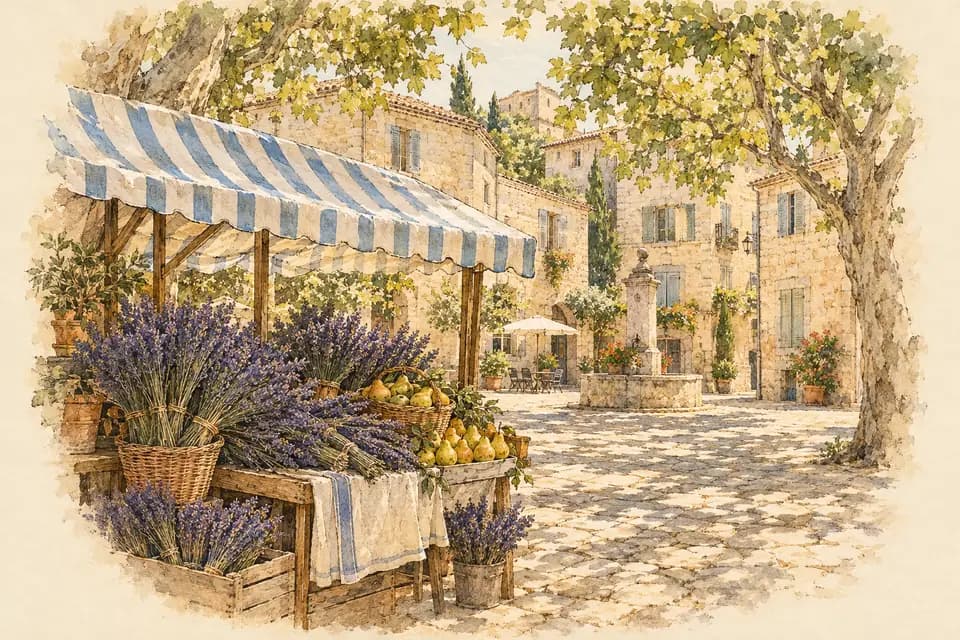 French name generatorAmélie, Lucien, Fleur
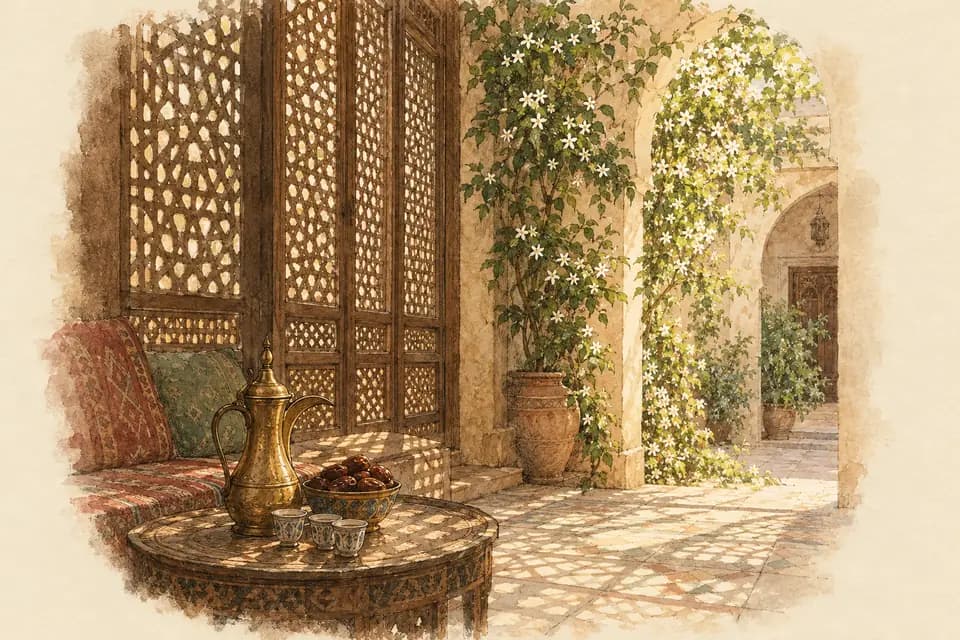 Arabic name generatorLayla, Amir, Zahra
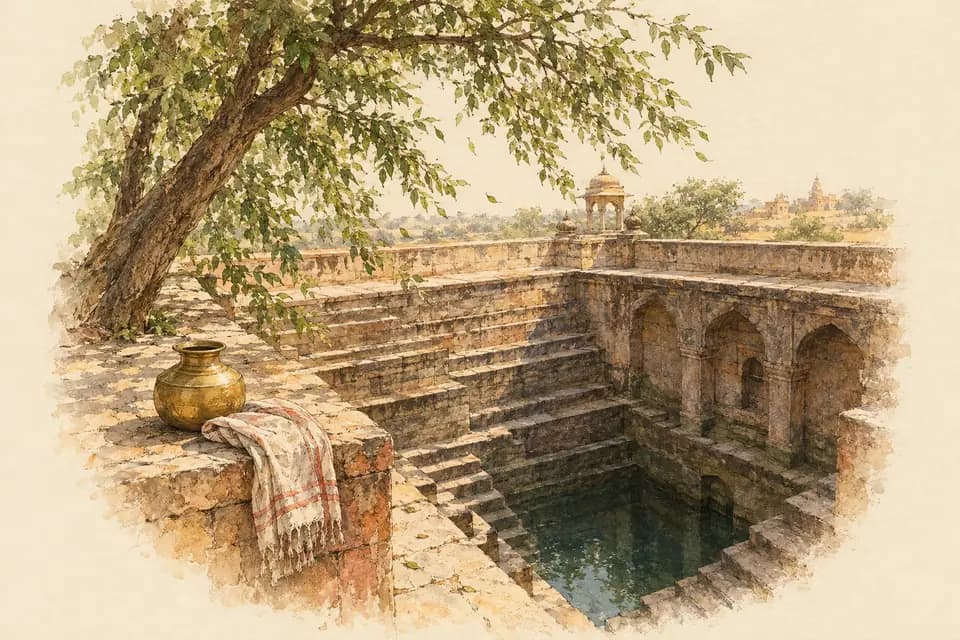 Hindi name generatorAarav, Aanya, Vivaan
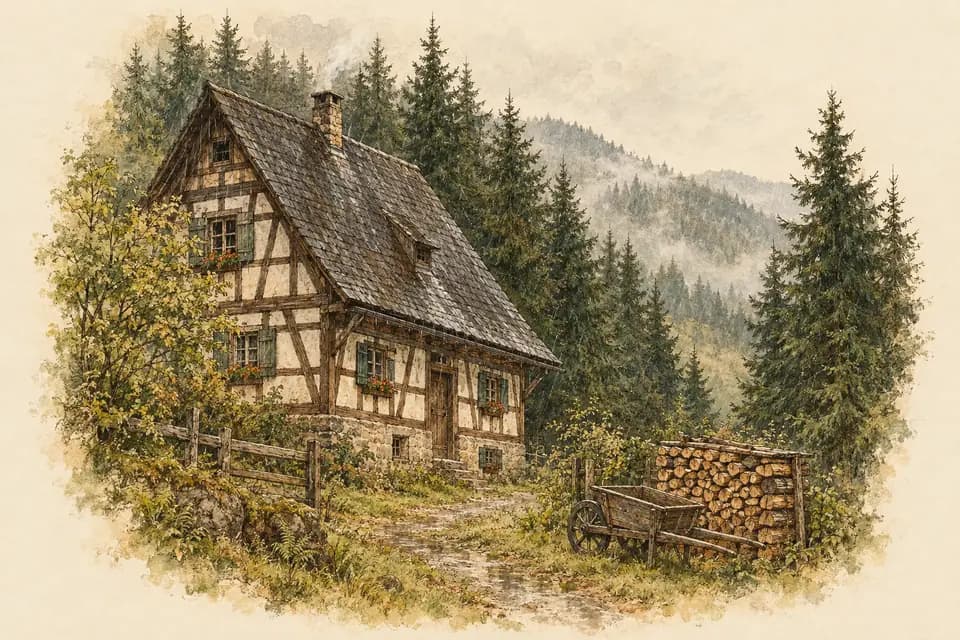 German name generatorLena, Maximilian, Emilia
 Italian name generatorAlessia, Matteo, Bianca
 Chinese name generatorMei, Wei, Jingyi
 Spanish name generatorSofía, Mateo, Valentina
 Irish name generatorCaoimhe, Fionn, Roisin
 African name generatorAmina, Kwame, Nia
 British name generatorEleanor, Henry, Charlotte
 Greek name generatorAthena, Apollo, Penelope
 Native American name generatorAmik, Nayeli, Kȟolá
 Russian name generatorAnastasia, Mikhail, Natalia
 Turkish name generatorAylin, Emir, Dilara
 Hawaiian name generatorLeilani, Kai, Halia
 Egyptian name generatorAhmed, Layla, Ramesses
About our world culture name generators
The World Culture name generators cover naming traditions and styles associated with Korean, Japanese, Welsh, French, Arabic, Hindi, German, Italian, Chinese, Spanish, Irish, African, British, Greek, Native American, Russian, Turkish, and Hawaiian cultures. Each generator offers a different starting point: some draw on a particular language, while labels such as African, British, and Native American encompass many distinct communities and naming traditions. Use the results to find names that suit a character’s background, a family, or a place in your story. Writers and game masters can also use them to spark ideas for supporting characters, settlements, and campaign settings. Treat suggestions as a first step: check spelling, pronunciation, and cultural context before assigning a name to a specific real-world community.
Popular world culture names
Three names from each of the 19 generators, with their meanings. Open a generator for its full list, last names and a guide.
| Name | Meaning | Generator |
|---|---|---|
| Minji | Quick and wise (敏智) | Korean |
| Joon | Talented | Korean |
| Hyejin | Wise and precious (慧珍) | Korean |
| Hana | Flower | Japanese |
| Haruki | Spring tree (春樹); with other kanji, such as 陽輝, sun and shine | Japanese |
| Sakura | Cherry Blossom | Japanese |
| Ceridwen | Beautiful as a Poem | Welsh |
| Llyr | Sea | Welsh |
| Maelona | Yellow Brow | Welsh |
| Amélie | Hardworking | French |
| Lucien | Light | French |
| Fleur | Flower | French |
| Layla | Night | Arabic |
| Amir | Prince | Arabic |
| Zahra | Flower | Arabic |
| Aarav | Peaceful | Hindi |
| Aanya | Inexhaustible | Hindi |
| Vivaan | Full of Life | Hindi |
| Lena | Bright, Shining | German |
| Maximilian | Greatest | German |
| Emilia | Rival | German |
| Alessia | Defender of Mankind | Italian |
| Matteo | Gift of God | Italian |
| Bianca | White | Italian |
| Mei | Beautiful | Chinese |
| Jingyi | Quiet and joyful (静怡) | Chinese |
| Wei | Powerful | Chinese |
| Sofía | Wisdom | Spanish |
| Mateo | Gift of God | Spanish |
| Valentina | Strong, Healthy | Spanish |
| Caoimhe | Beautiful, Gentle | Irish |
| Fionn | Fair | Irish |
| Roisin | Little Rose | Irish |
| Amina | Trustworthy, Honest | African |
| Kwame | Born on a Saturday | African |
| Nia | Purpose | African |
| Eleanor | Shining Light | British |
| Henry | Ruler of the Household | British |
| Charlotte | Free Woman | British |
| Athena | Goddess of Wisdom | Greek |
| Apollo | God of Music and Light | Greek |
| Penelope | Weaver | Greek |
| Amik | Ojibwe word for beaver | Native American |
| Giizis | Ojibwe word for sun | Native American |
| Ma'iingan | Ojibwe word for wolf | Native American |
| Anastasia | Resurrection | Russian |
| Mikhail | Who is Like God? | Russian |
| Natalia | Christmas Day | Russian |
| Aylin | Halo of the Moon | Turkish |
| Emir | Prince, Commander | Turkish |
| Dilara | Lover | Turkish |
| Leilani | Heavenly Flower | Hawaiian |
| Kai | Sea | Hawaiian |
| Halia | Fond Remembrance | Hawaiian |
| Ahmed | Most praised | Egyptian |
| Layla | Night | Egyptian |
| Ramesses | Born of Ra | Egyptian |
World Culture names: frequently asked questions
How do I come up with a world culture name?
Start with the character’s or place’s background, then choose a generator connected to that culture or language. For example, a Japanese generator might suggest Haruka or Ren, while a Welsh one might offer Carys or Rhys. Check that the name fits the character’s era, family, and setting rather than choosing only by sound.
What is the difference between a culture name and a language name?
A language is one part of a culture, but it does not define every naming practice within it. Arabic is used across many countries and communities, for instance, while African refers to a continent with thousands of distinct cultural groups. A name such as Layla may be used in multiple places, so research the specific background you intend to portray.
Can I use these names for fantasy characters and places?
Yes. Use the generators to find a sound or naming pattern that suits your world, then build a consistent approach for its people and places. A Welsh-inspired name such as Elowen can help set a tone, while names like Kyoto or Seville may evoke real locations and carry specific associations. Avoid presenting a real culture as a fantasy stereotype.
How can I choose a culturally appropriate name for a character?
Decide where the character’s family is from and when the story takes place, then verify the name’s spelling, pronunciation, and use in that context. Names vary by region and generation: for example, Korean names such as Min-jun and Seo-yeon follow different conventions from Irish names such as Niamh or Seán. Consult reliable sources or people familiar with the culture.
Other kinds of names
 13 generatorsCharacter Class namesMages, rogues, paladins, bards and royals. Names that hint at what a character does before they do it.
 5 generatorsMedieval namesCeltic, Roman, Norse, German and English names, with the bynames and surnames people really used to tell one Bjorn from another.
 7 generatorsElf namesSeven kinds of elf, from moonlit night elves to the drow below. Long vowels, soft consonants, old songs.
 7 generatorsCreature namesDragons, demons, vampires, angels, werewolves, mermaids and devils. Names with teeth, wings or a tail.
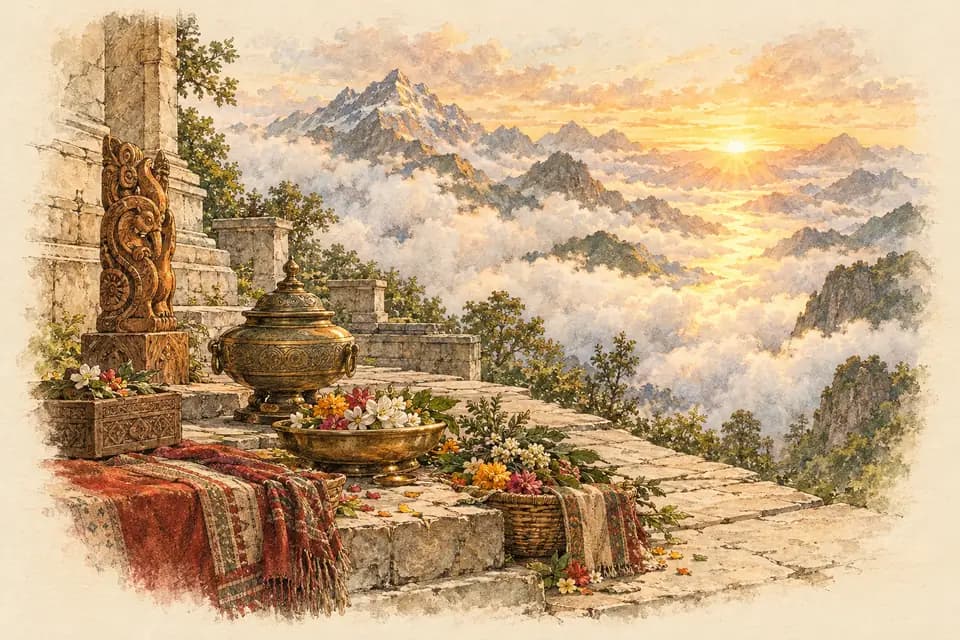 7 generatorsGod namesSeven pantheons, Greek to Hindu, for deities, cults and the people who pray to them.
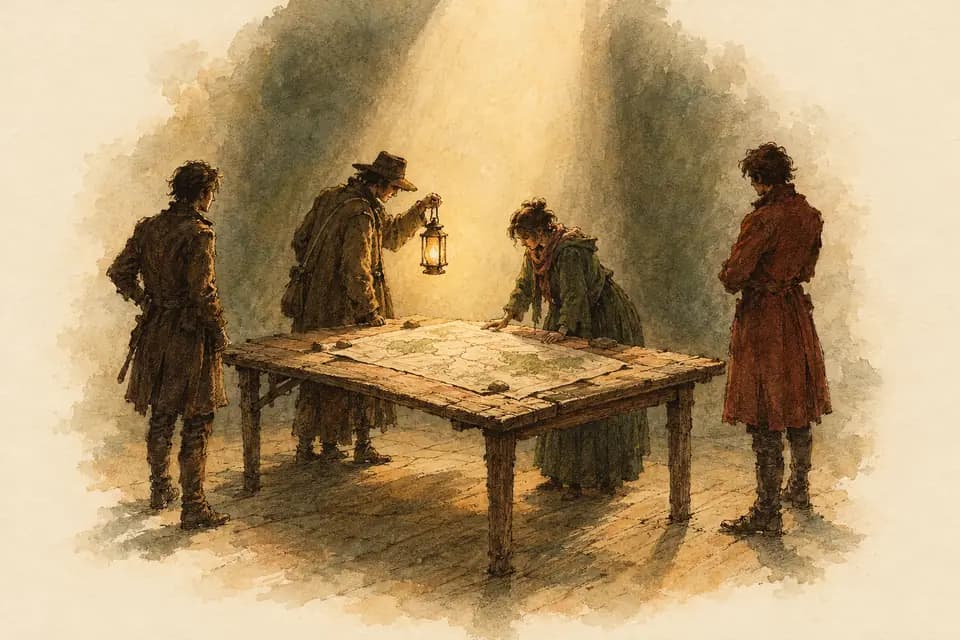 5 generatorsArchetype namesHeroes, villains, allies, mentors and superheroes. Names that fit the part a character plays.
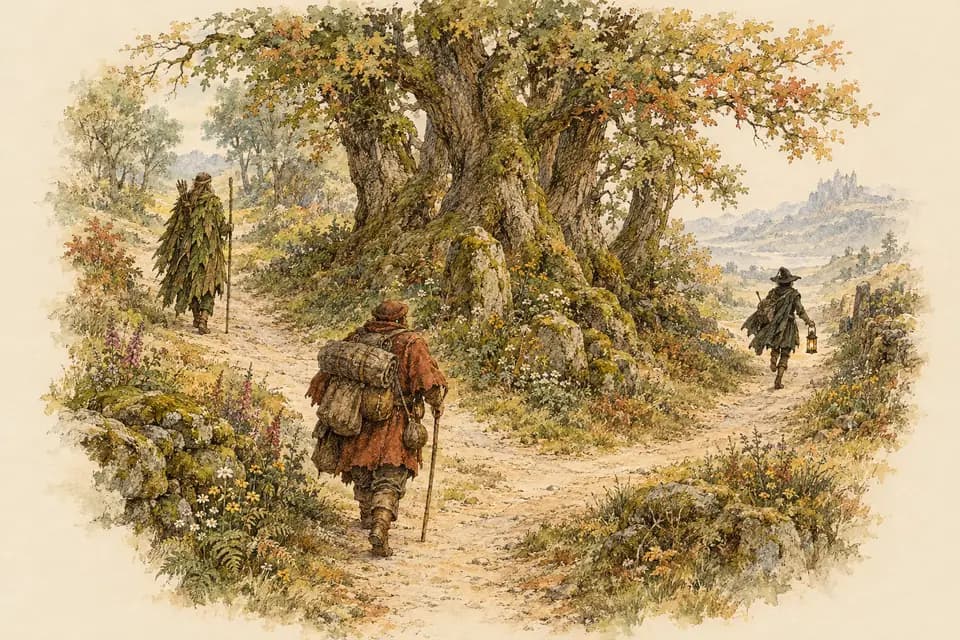 9 generatorsFantasy Race namesBarbarians, halflings, gnomes, orcs, fairies, dwarves, goblins and humans, each with its own sound.
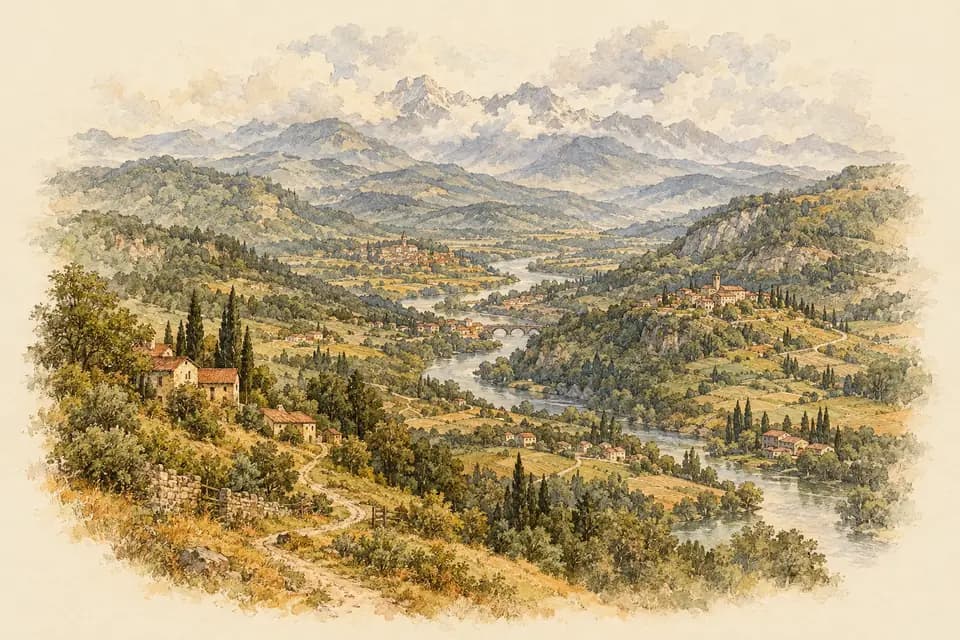 7 generatorsFantasy place namesVillages, towns, cities, countries, kingdoms, continents and whole worlds. Everything your map needs.
Chapter one starts tonight.
Open a blank page, write the first line, and see where it takes you. Your readers are out there.
Plans from $9.99 a month. Cancel any time. Your words are always yours.