French Name Generator
French names draw on several layers of history: Latin and Greek forms, Germanic roots, saints’ names, and regional traditions such as Breton names.
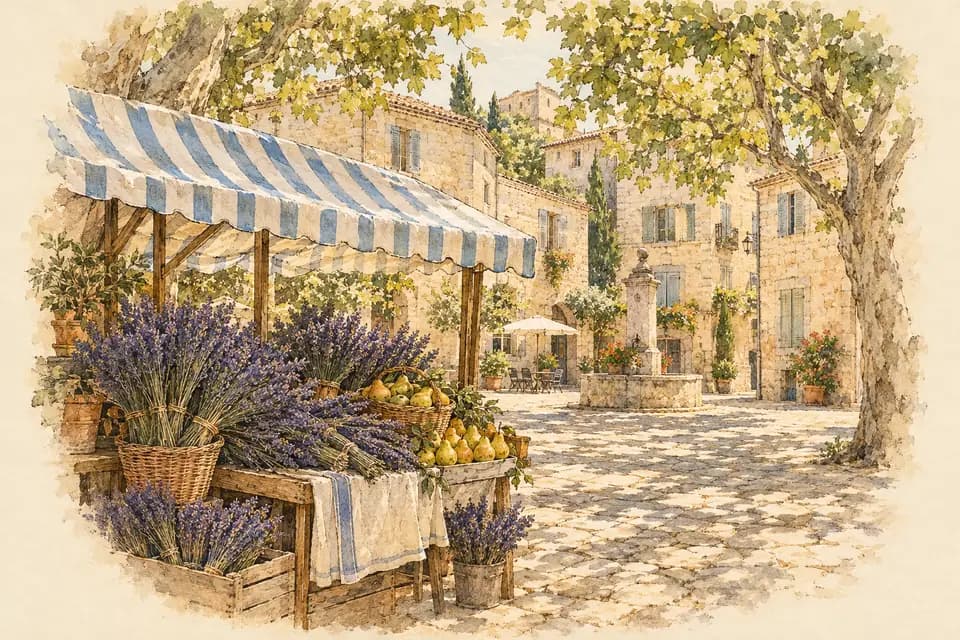
A few to start with
- AmélieHardworking
- LucienLight
- FleurFlower
- ÉtienneCrowned
- AurélieGolden
- ThierryRuler of the People
Understanding French names
French culture is known for its sophistication, art, and romance. French names often carry an air of elegance and have historical significance.
Their spelling may include accents or letter combinations that guide pronunciation, as in Raphaël and Émilie, while familiar endings such as -ette and -ien give some names a distinctly French appearance. Many names have traveled across Europe and changed form over time, so a French character’s name can suggest family history, generation, or region without defining the character. For fiction, choose a name that suits the setting and voice, then check its spelling and pronunciation.
How to come up with the perfect French name
Traditional French names may consist of given names, middle names, and family names. French names often have a melodious and charming quality.
Notice French spelling and sound
Accents are part of a name’s standard spelling: Émile, Cécile, and Raphaël are not merely decorative variants. French pronunciation also differs from English, especially in final consonants and vowel sounds. If a name will appear often in a story, check how French speakers say it and decide whether your narration will follow that pronunciation. Consistent spelling helps readers recognize a character across dialogue, notes, and family references.
Look beyond one origin
French given names come from many sources. Jeanne and Matthieu reflect biblical traditions; Victor and Félix have Latin roots; and names such as Thibault preserve Germanic elements. Some names are strongly associated with particular saints or historical figures, while others are now used across many countries. A name’s meaning can be a useful starting point, but its cultural associations and the character’s era may matter more than a literal translation.
Choose for the character and setting
Consider when and where your character grew up, what their family might call them, and whether they use a nickname. A contemporary Parisian, a Breton villager, and a character in a historical court need not share the same naming style. Check that a chosen form fits the period, and avoid treating a name as shorthand for personality. Pairing a common given name with a regional or occupational surname can add grounded detail.
Popular French names
Discover French names that evoke the essence of France's cultural heritage:
| Name | Meaning | Gender |
|---|---|---|
| Amélie | Hardworking | Female |
| Lucien | Light | Male |
| Fleur | Flower | Female |
| Étienne | Crowned | Male |
| Aurélie | Golden | Female |
| Thierry | Ruler of the People | Male |
| Geneviève | Woman of the Race | Female |
| Pierre | Stone | Male |
| Manon | Bitter | Female |
| Sébastien | Venerable | Male |
| Mathilde | Mighty in Battle | Female |
| Antoine | Beyond Praise | Male |
| Elodie | Foreign Wealth | Female |
| Lucas | Bringer of Light | Male |
| Camille | Perfect | Female |
| Maxime | Greatest | Male |
| Sylvie | Wooded | Female |
| Bastien | Venerable | Male |
| Nathalie | Birthday of the Lord | Female |
| Louis | Famous Warrior | Male |
60 more French names and meanings
Male French names
| Name | Meaning |
|---|---|
| Gabriel | God is my strength. |
| Raphaël | God has healed. |
| Arthur | Name of the legendary king of Britain. |
| Hugo | Mind or spirit. |
| Jules | French form of Julius, an ancient Roman family name. |
| Théodore | Gift of God. |
| Félix | Happy or fortunate. |
| Adrien | French form of Hadrian, associated with Hadria. |
| Valentin | Strong or healthy. |
| Clément | Merciful or gentle. |
| Romain | Roman; from Rome. |
| Victor | Conqueror or winner. |
| Olivier | French form of Oliver, associated with the olive tree. |
| Baptiste | Related to baptism; a traditional Christian name. |
| Rémi | French form of Remigius, borne by a notable early bishop. |
| Émile | French form of Aemilius, an ancient Roman family name. |
| Laurent | From Laurentum; associated with the laurel. |
| Denis | French form of Dionysius, linked to the god Dionysus. |
| Philippe | Lover of horses. |
| André | French form of Andrew; traditionally, manly. |
| Matthieu | Gift of God. |
| Nicolas | Victory of the people. |
| Simon | He has heard. |
| Édouard | Wealthy guardian. |
| Thibault | A traditional French form of a Germanic name meaning bold people. |
| François | French form of Francis; associated with the Franks. |
| Arnaud | French form of Arnold, traditionally interpreted as eagle power. |
Female French names
| Name | Meaning |
|---|---|
| Juliette | French diminutive form of Julie. |
| Chloé | Young green shoot; an epithet of Demeter. |
| Louise | Feminine form of Louis, traditionally meaning renowned warrior. |
| Céleste | Heavenly or of the sky. |
| Margot | French diminutive of Marguerite; pearl. |
| Colette | French diminutive of Nicole; victory of the people. |
| Diane | French form of Diana, associated with the Roman goddess. |
| Émilie | French feminine form of Émile. |
| Léa | French form of Leah; its ancient meaning is uncertain. |
| Inès | French form of Agnes; pure or chaste. |
| Alice | Noble or of noble kind. |
| Claire | Clear or bright. |
| Jeanne | French feminine form of Jean; God is gracious. |
| Madeleine | Woman from Magdala. |
| Suzanne | French form of Susanna; lily. |
| Pauline | Feminine form of Paul; small or humble. |
| Rose | The flower. |
| Violette | The violet flower. |
| Agathe | Good or honorable. |
| Noémie | Pleasantness. |
| Adèle | Noble. |
| Charlotte | Feminine form of Charles; traditionally, free person. |
| Cécile | French form of Caecilia, an ancient Roman family name. |
| Éva | French form of Eve; life. |
| Marine | Of the sea. |
| Anaïs | French and Occitan form related to Anne; grace. |
| Delphine | From Delphi; also the name of a dolphin. |
Unisex French names
| Name | Meaning |
|---|---|
| Claude | A traditional French name used for more than one gender. |
| Dominique | Of the Lord; used for more than one gender. |
| Sacha | French form of Sasha, a short form of Alexander or Alexandra. |
| Alex | Short form of Alexandre or Alexandra. |
| Morgan | A Breton and Welsh name used for more than one gender. |
| Lou | A short form of Louise or Louis. |
French last names
| Name | Meaning |
|---|---|
| Martin | A surname formed from the given name Martin, linked to Mars. |
| Bernard | From Germanic elements traditionally meaning bear and brave or hardy. |
| Thomas | A surname derived from the given name Thomas, meaning twin. |
| Robert | From Germanic elements meaning fame and bright. |
| Richard | From Germanic elements meaning powerful ruler. |
| Petit | A nickname meaning small or short. |
| Leroy | From le roi, meaning the king. |
| Roux | A nickname for someone with reddish hair or a ruddy complexion. |
| Blanc | A nickname meaning white or fair. |
| Fontaine | A place-name referring to a spring or fountain. |
| Dubois | From the woods. |
| Dupont | From near the bridge. |
| Lefebvre | A regional spelling of Lefèvre, meaning smith. |
| Chevalier | Knight; originally an occupational or status name. |
| Durand | From a medieval given name associated with endurance. |
| Garnier | From a Germanic personal name associated with protection in battle. |
| Gauthier | From a Germanic personal name traditionally meaning army ruler. |
| Perrin | A diminutive surname formed from Pierre. |
| Delacroix | Of the cross; often linked to a place or religious sign. |
| Dumas | From du mas, meaning from the farmhouse or country estate. |
French names: frequently asked questions
What are common French names?
Names familiar in France include Gabriel, Arthur, Louise, Alice, and Chloé. Their popularity shifts by generation, so a name that feels current may not suit a character born a century earlier. For a period story, look for names recorded in sources from that era; for a contemporary character, consider familiar choices alongside less common regional forms.
What do French names mean?
Meanings depend on a name’s older linguistic roots, not always its modern French form. Félix means “happy” or “fortunate,” Claire means “clear” or “bright,” and Matthieu means “gift of God.” Some names, including Léa, have disputed or uncertain ancient meanings, so it is better to say that than assign them a confident-sounding but unreliable translation.
How do you pronounce French names?
Pronunciation varies from English reading, and accents mark important spelling and sound distinctions. In standard French, the final consonant is often silent, though there are exceptions; the “gn” in names such as Anaïs is pronounced like the sound in French montagne. Check a reliable French audio dictionary for a specific name, especially if it will be spoken in your story.
Are French names gender-neutral?
Some French names are used for more than one gender, though usage can depend on generation and family. Claude and Dominique have long been used for men and women; Sacha, Alex, Morgan, and Lou can also be unisex. Many familiar names remain strongly gendered in French usage, such as Matthieu and Louise, so check the context you want to evoke.
Other world culture name generators
 Korean namesMinji, Joon, Jiwoo
 Japanese namesHana, Haruki, Sora
 Welsh namesCeridwen, Llyr, Maelona
 Arabic namesLayla, Amir, Zahra
 Hindi namesAarav, Aanya, Vivaan
 German namesLena, Maximilian, Emilia
 Italian namesAlessia, Matteo, Bianca
 Chinese namesMei, Wei, Jingyi
 Spanish namesSofía, Mateo, Valentina
 Irish namesCaoimhe, Fionn, Roisin
 African namesAmina, Kwame, Nia
 British namesEleanor, Henry, Charlotte
 Greek namesAthena, Apollo, Penelope
 Native American namesAmik, Nayeli, Kȟolá
 Russian namesAnastasia, Mikhail, Natalia
 Turkish namesAylin, Emir, Dilara
 Hawaiian namesLeilani, Kai, Halia
 Egyptian namesAhmed, Layla, Ramesses
Chapter one starts tonight.
Open a blank page, write the first line, and see where it takes you. Your readers are out there.
Plans from $9.99 a month. Cancel any time. Your words are always yours.