Spanish Name Generator
Spanish names draw on Latin, Hebrew, Greek, and Germanic roots, as well as centuries of regional history and religious tradition.
A few to start with
- SofíaWisdom
- MateoGift of God
- ValentinaStrong, Healthy
- DiegoSupplanter
- IsabellaDevoted to God
- CarlosFree Man
Understanding Spanish names
Spanish culture is known for its passion, music, and history. Spanish names often have a melodious quality and reflect the country's lively heritage.
Their sound often comes from clear vowels, familiar endings such as -a and -o, and accents that show where a syllable is stressed. Spain’s languages and regions add further variety, while naming traditions across Latin America have developed their own patterns. For a story, a name can suggest family background, generation, or place without defining a character’s personality. Pair a familiar given name with a regional surname, or choose a name tied to a saint, landscape, or historical tradition.
How to come up with the perfect Spanish name
Traditional Spanish names may include given names and two family names (one from each parent). They often honor saints and have religious significance.
How Spanish names are built
A Spanish-speaking character may have one or more given names and, traditionally, two surnames. In many places, the first surname comes from one parent and the second from the other, though laws and personal choices vary. Compound given names such as José Luis are also common. Accents matter: they mark stress, as in Joaquín, and should be retained when possible.
Roots, meanings, and regional variety
Many familiar names entered Spanish through Latin or Christian tradition: Pablo comes from the Latin name Paulus, while Inés is the Spanish form of Agnes. Others carry meanings from Hebrew or Greek, such as Manuel and Nicolás. Names can also point to a region or devotion: Nuria is associated with a Catalan sanctuary, and Macarena with Seville.
Choosing a name for a character
Start with the character’s generation, family history, and location. A name popular in one decade may feel unusual for someone born much earlier, and names from Catalan, Basque, or Galician traditions can help locate a character more precisely. Check how the full name sounds aloud, including both surnames. Use meaning as a subtle layer, not as a substitute for characterization.
Popular Spanish names
Discover Spanish names that capture the essence of Spain's cultural heritage:
| Name | Meaning | Gender |
|---|---|---|
| Sofía | Wisdom | Female |
| Mateo | Gift of God | Male |
| Valentina | Strong, Healthy | Female |
| Diego | Supplanter | Male |
| Isabella | Devoted to God | Female |
| Carlos | Free Man | Male |
| Lucía | Light | Female |
| Antonio | Priceless | Male |
| Elena | Bright, Shining Light | Female |
| Javier | Bright | Male |
| Camila | Young Ceremonial Attendant | Female |
| Gabriel | God is My Strength | Male |
| Valeria | Strength, Health | Female |
| Francisco | Free Man | Male |
| Amelia | Work of the Lord | Female |
| Lucas | Bringer of Light | Male |
| Catalina | Pure | Female |
| Alejandro | Defender of Man | Male |
| Mariana | Graceful | Female |
| Rafael | God has Healed | Male |
60 more Spanish names and meanings
Male Spanish names
| Name | Meaning |
|---|---|
| Álvaro | Traditional Spanish name; its exact etymology is debated. |
| Andrés | Spanish form of Andrew; from Greek for “manly” or “brave.” |
| Ángel | From Greek angelos, meaning “messenger.” |
| Benjamín | Hebrew name traditionally interpreted as “son of the right hand.” |
| Bruno | Germanic name associated with “brown.” |
| César | Ancient Roman family name adopted as a Spanish given name. |
| Cristóbal | Spanish form of Christopher, traditionally “bearer of Christ.” |
| Damián | From Greek Damianos, related to the verb “to tame.” |
| Eduardo | Spanish form of Edward, traditionally “wealthy guard.” |
| Emilio | Spanish form of Aemilius, an ancient Roman family name. |
| Enrique | Spanish form of Henry, traditionally “ruler of the home.” |
| Esteban | Spanish form of Stephen, from Greek for “crown” or “wreath.” |
| Felipe | Spanish form of Philip, from Greek for “lover of horses.” |
| Fernando | Traditional Spanish form of Ferdinand; interpretations of its Germanic roots vary. |
| Gonzalo | Traditional medieval Spanish name with debated etymology. |
| Hugo | Germanic name associated with mind, thought, or spirit. |
| Ignacio | Classic Spanish form of Ignatius, used across generations. |
| Ismael | Spanish form of Ishmael, traditionally “God hears.” |
| Joaquín | Spanish form of Joachim, traditionally “God will establish.” |
| León | Spanish word for “lion,” also used as a given name. |
| Lorenzo | Spanish form of Lawrence, traditionally associated with laurel. |
| Manuel | Spanish form of Immanuel, traditionally “God is with us.” |
| Marcos | Spanish form of Mark, traditionally associated with the Roman god Mars. |
| Nicolás | Spanish form of Nicholas, from Greek for “victory of the people.” |
| Óscar | Spanish-language form of a name with Old Irish roots. |
| Pablo | Spanish form of Paul, from Latin for “small” or “humble.” |
| Rodrigo | Spanish form of Roderick, traditionally “famous ruler.” |
| Tomás | Spanish form of Thomas, from Aramaic for “twin.” |
| Vicente | Spanish form of Vincent, from Latin for “conquering.” |
Female Spanish names
| Name | Meaning |
|---|---|
| Abril | Spanish name taken from the month of April. |
| Alba | Spanish word for “dawn.” |
| Alicia | Spanish form of Alice, traditionally associated with nobility. |
| Ana | Spanish form of Hannah, traditionally “grace” or “favor.” |
| Beatriz | Spanish form of Beatrix, traditionally “she who brings happiness.” |
| Blanca | Spanish feminine form meaning “white.” |
| Carmen | Associated with Our Lady of Mount Carmel. |
| Clara | From Latin clarus, meaning “clear” or “bright.” |
| Dolores | Means “sorrows”; traditionally linked to the Virgin Mary. |
| Esperanza | Spanish word for “hope.” |
| Fátima | Arabic-origin name widely used in Spanish-speaking communities. |
| Inés | Spanish form of Agnes, traditionally associated with purity. |
| Irene | From Greek Eirene, meaning “peace.” |
| Jimena | Traditional Spanish name associated with medieval history. |
| Julia | Spanish form of an ancient Roman family name. |
| Lola | Familiar Spanish short form of Dolores. |
| Macarena | Associated with Seville’s La Macarena district and Marian devotion. |
| Magdalena | Name meaning “of Magdala,” a place in Galilee. |
| Marta | Spanish form of Martha, from Aramaic for “lady” or “mistress.” |
| Mercedes | Means “mercies”; associated with a title of the Virgin Mary. |
| Natalia | From Latin natalis, associated with birth and Christmas. |
| Nuria | Associated with a Marian sanctuary in Catalonia. |
| Paloma | Spanish word for “dove.” |
| Pilar | Means “pillar”; also a title of the Virgin Mary. |
| Rocío | Spanish word for “dew”; also a Marian title. |
| Rosario | Means “rosary”; also a devotional name. |
| Vega | Spanish word for a fertile plain or meadow. |
| Candela | From Latin candela, meaning “candle.” |
| Soledad | Means “solitude”; also a title of the Virgin Mary. |
Unisex Spanish names
| Name | Meaning |
|---|---|
| Alex | Short form of Alejandro or Alejandra, used across genders. |
| Cruz | Spanish word for “cross,” used as a given name for any gender. |
Spanish last names
| Name | Meaning |
|---|---|
| García | Very common Spanish surname; its original meaning is uncertain. |
| Fernández | Patronymic meaning “son of Fernando.” |
| González | Patronymic meaning “son of Gonzalo.” |
| Rodríguez | Patronymic meaning “son of Rodrigo.” |
| López | Patronymic meaning “son of Lope.” |
| Martínez | Patronymic meaning “son of Martín.” |
| Sánchez | Patronymic meaning “son of Sancho.” |
| Pérez | Patronymic meaning “son of Pedro.” |
| Álvarez | Patronymic meaning “son of Álvaro.” |
| Ramírez | Patronymic meaning “son of Ramiro.” |
| Torres | Topographic surname meaning “towers.” |
| Ríos | Topographic surname meaning “rivers.” |
| Delgado | Descriptive surname meaning “slender.” |
| Moreno | Descriptive surname historically associated with dark coloring. |
| Castillo | Means “castle”; often linked to a place or landmark. |
| Vega | Topographic surname meaning “fertile plain” or “meadow.” |
| Herrero | Occupational surname meaning “blacksmith.” |
| Molina | Surname associated with a mill or mill site. |
| Navarro | Originally referred to a person from Navarre. |
| Iglesias | Means “churches”; often linked to a local place or landmark. |
Spanish names: frequently asked questions
What are common Spanish names?
Popular choices vary by country, region, and generation. In Spain, familiar names include Pablo, Carmen, and Lucía; across Latin America, names such as Nicolás and Ana are also widely used. For a believable character, consider age and location as well as popularity, since a name can feel strongly tied to a particular generation.
What does Rocío mean?
Rocío is the Spanish word for “dew.” It is also associated with devotion to the Virgin of El Rocío, especially in Andalusia. That gives the name both a nature image and a religious-cultural connection. A writer can use either association, or simply choose it for its distinctive sound.
Why do Spanish names often have two surnames?
A traditional naming pattern uses one surname from each parent, often the father’s first and then the mother’s first. For example, a person named Ana García López might have García from one parent and López from the other. Current laws and family choices vary, so the order is not universal.
Are Spanish names the same across Spain and Latin America?
No. Many given names and surnames are shared, but local histories and languages create distinct patterns. Catalan, Basque, and Galician names are part of Spain’s naming landscape, while countries across Latin America have their own influences and popular choices. Match a character’s name to their specific region rather than treating Spanish-speaking communities as uniform.
Other world culture name generators
 Korean namesMinji, Joon, Jiwoo
 Japanese namesHana, Haruki, Sora
 Welsh namesCeridwen, Llyr, Maelona
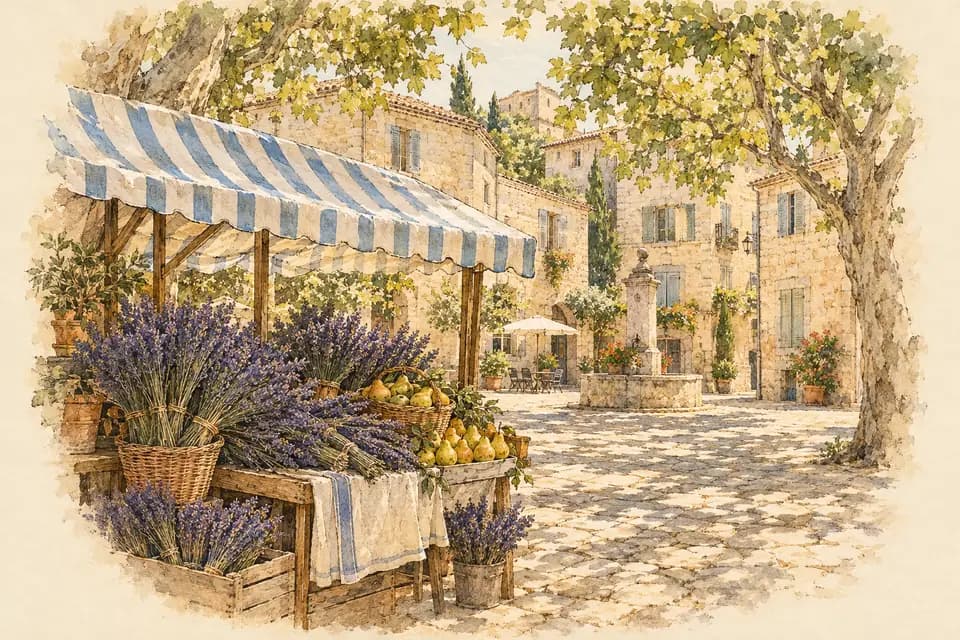 French namesAmélie, Lucien, Fleur
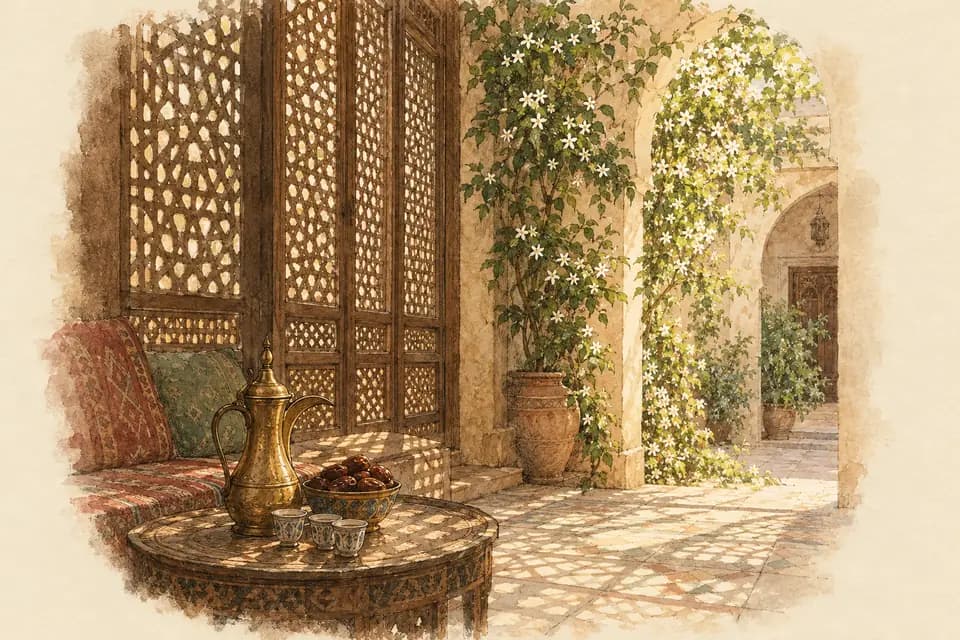 Arabic namesLayla, Amir, Zahra
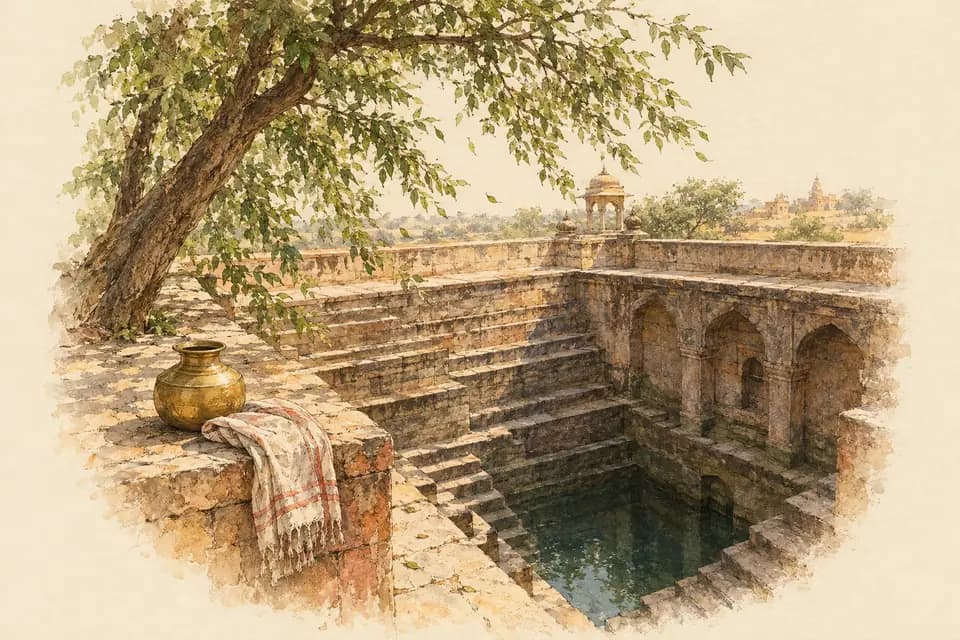 Hindi namesAarav, Aanya, Vivaan
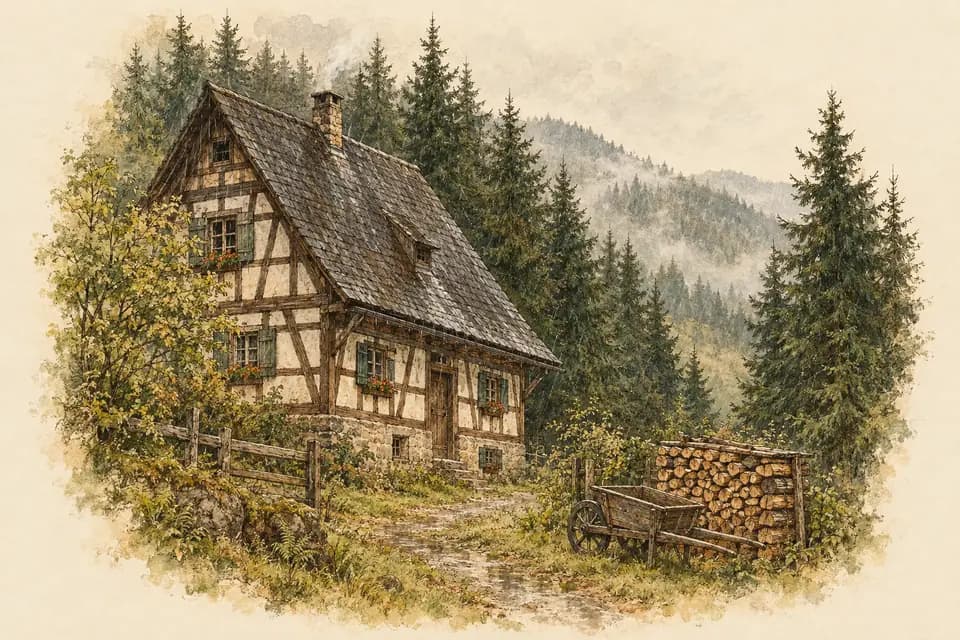 German namesLena, Maximilian, Emilia
 Italian namesAlessia, Matteo, Bianca
 Chinese namesMei, Wei, Jingyi
 Irish namesCaoimhe, Fionn, Roisin
 African namesAmina, Kwame, Nia
 British namesEleanor, Henry, Charlotte
 Greek namesAthena, Apollo, Penelope
 Native American namesAmik, Nayeli, Kȟolá
 Russian namesAnastasia, Mikhail, Natalia
 Turkish namesAylin, Emir, Dilara
 Hawaiian namesLeilani, Kai, Halia
 Egyptian namesAhmed, Layla, Ramesses
Chapter one starts tonight.
Open a blank page, write the first line, and see where it takes you. Your readers are out there.
Plans from $9.99 a month. Cancel any time. Your words are always yours.