Japanese Name Generator
Get a Japanese given name and family name with kanji, meaning and gender. Family name comes first, as in Japan: Tanaka Haruto, not Haruto Tanaka.
A few to start with
- HanaFlower
- HarukiSpring tree (春樹); with other kanji, such as 陽輝, sun and shine
- SoraSky (空)
- SakuraCherry Blossom
- RenLotus
- RinDignified (凛)
Understanding Japanese names
A Japanese name has two parts, family name first: Yamada Hana, Sato Kenta. Family names are usually two kanji, and many describe a spot in the landscape. Tanaka is "middle of the rice field," Yamamoto "base of the mountain," Matsumoto "base of the pine." Most date from the 1870s, when the Meiji government required every commoner to register a surname.
Given names carry the meaning, and the meaning comes from the kanji, not the sound. Haruki written 春樹 is "spring tree," the novelist's name; written 陽輝 it is "sun" and "shine." Endings signal era and gender. The -ko ending (子, child) marks girls born before the 1980s, like Keiko and Yoko. Boys' names often end in -ta or -to, as in Shota and Yuto. Names such as Akira, Makoto and Hikaru work for anyone.
How to come up with a Japanese name
Start with the family name
The surname anchors a character, so pick it first. Sato, Suzuki, Takahashi and Tanaka are the most common in Japan, and they read as ordinary on purpose. Rarer names set a character apart: Kurosawa (black marsh), Hoshino (star field), Kamiya (god valley). In dialogue, adults use family name plus -san, so a coworker is Tanaka-san long before she is Yumi. Switching to the given name alone signals closeness, or rudeness, which makes it a useful beat in a scene.
Choose the kanji for meaning
Japanese parents usually pick a sound they like, then choose kanji for the meaning they want. Yui can be 結衣 (tie, clothing) or 唯 (only). Sora can be 空 (sky) or 宙 (space). Hana can be 花 (flower) or 華 (splendor). When the meaning matters to your story, commit to one spelling and use it in the character's backstory. A name written only in hiragana or katakana has no kanji meaning at all, and some parents choose that on purpose for a softer look.
Match the name to the generation
Names date a character the way Linda and Madison do in English. A grandmother born in the 1940s is Kazuko, Fumiko or Sachiko. A man born in the 1960s or 70s is Hiroshi, Takashi or Makoto. Children born since 2010 are Haruto, Sota, Minato and Ren, or Himari, Yui and Mei. Birth-order names such as Ichiro (first son) and Jiro (second son) now sound old-fashioned, which suits a grandfather or a rural family.
Nicknames, usernames and your own name
Japanese nicknames clip the name and add a suffix: Takumi becomes Taku-kun, Haruka becomes Haru-chan. Use -chan for affection, -kun for boys and juniors. For a username, nature words work well: sora (sky), hoshi (star), kitsune (fox). Your English name in Japanese is written by sound in katakana: Emily is エミリー (Emirī). That spells your name; it doesn't make it Japanese. For a Japanese name based on yours, match the meaning instead: Lily could be Yuri (百合, lily).
Famous Japanese names and what they show
Real people, written family name first as they are in Japan.
- Murakami HarukiThe novelist's given name, 春樹, means "spring tree." Other kanji give the same sound a different meaning, which is why Japanese speakers often ask how a name is written.
- Miyazaki HayaoThe Studio Ghibli director's given name is one kanji, 駿, meaning a swift or fine horse. Single kanji with long readings, like Takashi (隆) and Osamu (修), follow the same pattern.
- Suzuki IchirōIchirō usually means "first son," but the baseball star is a second son. His name is written 一朗, with 朗 (bright) instead of the usual 郎 (son).
- Ono YōkoHer given name, 洋子, means "ocean child." The -ko ending was on a large share of girls' names through the 1960s and has since faded; today's girls are more often Himari or Yui.
- Kurosawa AkiraHis family name, 黒澤, means "black marsh," a typical landscape surname. His given name, 明, means "bright," and Akira is used for both boys and girls.
- Murasaki ShikibuThe author of The Tale of Genji is known by a court nickname. Murasaki (purple) likely comes from her heroine, Shikibu from her father's post at court. Her real given name is unknown.
- Matsuo BashōThe haiku poet took his pen name from a banana plant (bashō) a student planted by his hut. Japanese writers and artists often work under chosen names like this, called gō.
- Ōtani ShōheiHis given name, 翔平, pairs "soar" with "level" or "peaceful." The kanji 翔 has been a favorite in boys' names since the 1990s, also seen in Shota and Kakeru.
Popular Japanese names
| Name | Meaning | Gender |
|---|---|---|
| Hana | Flower | Female |
| Haruki | Spring tree (春樹); with other kanji, such as 陽輝, sun and shine | Male |
| Sakura | Cherry Blossom | Female |
| Ren | Lotus | Male |
| Yuki | Snow | Female |
| Kaito | Ocean Flying | Male |
| Airi | Beloved Jasmine | Female |
| Riku | Land | Male |
| Emi | Beautiful Blessing | Female |
| Takumi | Skilled Artisan | Male |
| Sora | Sky (空) | Unisex |
| Hikaru | Radiance | Male |
| Yui | Tie, Bind | Female |
| Daiki | Great Glory | Male |
| Miyu | Beautiful and gentle (美優) | Female |
| Rin | Dignified (凛) | Unisex |
| Natsuki | Summer Hope | Female |
| Kazuki | Harmonious Hope | Male |
| Yua | Binding Love | Female |
| Taichi | Big First | Male |
60 more Japanese names and meanings
Male Japanese names
| Name | Meaning |
|---|---|
| Atsushi | Possible kanji 敦 can suggest sincerity or kindness. |
| Fumio | Possible kanji 文雄: writing or culture, and a masculine element. |
| Isamu | 勇 means courage; a direct, traditional-sounding choice. |
| Kenta | Possible kanji 健太: healthy and great. |
| Masato | Possible kanji 正人: upright person. |
| Naoki | Possible kanji 直樹: honest tree. |
| Osamu | 修 can suggest discipline, study, or cultivation. |
| Ryota | Possible kanji 涼太: refreshing and great. |
| Shota | Possible kanji 翔太: soaring and great. |
| Tatsuya | Possible kanji 達也 suggests accomplishment. |
| Tomoya | Possible kanji 智也 uses a character associated with wisdom. |
| Yuto | One possible spelling, 悠斗, suggests calmness and a constellation. |
| Yoshito | Possible kanji 義人: righteousness and person. |
| Kiyoshi | 清 can mean clear or pure. |
| Minato | 港 means harbor; also used as a given name. |
| Subaru | 昴 names the Pleiades star cluster. |
| Hiroshi | Possible kanji 寛 suggests generosity or breadth. |
| Kenji | Possible kanji 健二: healthy and second-born. |
| Satoshi | Possible kanji 聡 suggests keen perception or intelligence. |
| Shun | 俊 can suggest exceptional ability or talent. |
| Toma | Possible kanji 斗真; meanings depend on the chosen characters. |
| Koji | Many spellings exist; 幸治 can suggest happiness and governance. |
| Noboru | 昇 means to rise or ascend. |
| Yuji | Possible kanji 雄二: masculine element and second-born. |
| Eiji | Possible kanji 英二: excellence and second-born. |
| Ichiro | 一郎 traditionally suggests a first son. |
| Takashi | Possible kanji 隆 suggests prosperity or elevation. |
Female Japanese names
| Name | Meaning |
|---|---|
| Ayaka | Possible kanji 彩花: color and flower. |
| Fumika | Possible kanji 文香: writing or culture, and fragrance. |
| Kaori | 香 means fragrance; other spellings are possible. |
| Keiko | One spelling, 恵子, means blessed child. |
| Mai | 舞 means dance; other kanji spellings are common. |
| Mariko | Possible kanji 真理子: truth, reason, and child. |
| Megumi | 恵 means blessing or favor. |
| Noriko | One spelling, 典子, suggests a child of tradition or rule. |
| Rena | Many spellings exist; 麗奈 is one possible form. |
| Sayaka | 清香 can suggest clear or pure fragrance. |
| Tomoko | One spelling, 智子, means wise child. |
| Ayumi | 歩美 can suggest walking forward beautifully. |
| Chika | Possible kanji 千夏: a thousand and summer. |
| Eriko | One spelling, 恵理子, combines blessing, reason, and child. |
| Haruna | 春菜 can suggest spring greens or plants. |
| Hitomi | 瞳 means pupil of the eye. |
| Kana | Possible kanji 佳奈 uses a character meaning good or beautiful. |
| Maki | 真紀 can suggest truth and chronicle. |
| Michiko | One spelling, 美智子, means beautiful, wise child. |
| Misaki | 美咲 can suggest beautiful blossoming. |
| Nanami | 七海 means seven seas. |
| Risa | Possible kanji 理沙: reason and sand. |
| Shiori | 栞 means bookmark or guidebook. |
| Sumire | 菫 is the Japanese word for violet. |
| Takako | Possible kanji 貴子: precious child. |
| Yoko | Many spellings exist; 陽子 can mean sun child. |
| Yukiko | One spelling, 雪子, means snow child. |
Unisex Japanese names
| Name | Meaning |
|---|---|
| Akira | 明 can mean bright or clear; used across genders. |
| Jun | 純 can mean pure; the name is used across genders. |
| Makoto | 誠 means sincerity; used across genders. |
| Chihiro | 千尋 evokes a thousand fathoms; used across genders. |
| Kaoru | 薫 means fragrance; used across genders. |
| Rei | 礼 can mean courtesy; the name is used across genders. |
Japanese last names
| Name | Meaning |
|---|---|
| Sato (佐藤) | Character gloss: assist and wisteria; readings and origins vary. |
| Suzuki (鈴木) | Character gloss: bell and tree. |
| Takahashi (高橋) | Character gloss: high and bridge. |
| Tanaka (田中) | Character gloss: rice field and middle. |
| Watanabe (渡辺) | Character gloss: cross over and vicinity. |
| Ito (伊藤) | Character gloss: 伊 and wisteria; the first character is often phonetic in names. |
| Yamamoto (山本) | Character gloss: mountain and origin. |
| Nakamura (中村) | Character gloss: middle and village. |
| Kobayashi (小林) | Character gloss: small and grove. |
| Kato (加藤) | Character gloss: add and wisteria; the first character may be phonetic. |
| Yoshida (吉田) | Character gloss: good fortune and rice field. |
| Yamada (山田) | Character gloss: mountain and rice field. |
| Sasaki (佐々木) | Character gloss: assist, repeated marker, and tree. |
| Yamaguchi (山口) | Character gloss: mountain and entrance. |
| Matsumoto (松本) | Character gloss: pine and origin. |
| Inoue (井上) | Character gloss: well and above. |
| Kimura (木村) | Character gloss: tree and village. |
| Hayashi (林) | 林 means grove or woods. |
| Shimizu (清水) | Character gloss: pure and water. |
| Mori (森) | 森 means forest. |
Japanese names: frequently asked questions
What are popular Japanese girl names?
Recent Japanese baby-name rankings are led by names like Himari (陽葵, sun and hollyhock), Mei (芽依), Yui (結衣) and Tsumugi (紬, a hand-woven silk). For an adult woman, older styles fit better: Yoko, Keiko and Tomoko for women born before 1970, and Ayaka, Misaki and Sayaka for women born in the 1980s and 90s. Flower and beauty kanji such as 花 (hana), 咲 (saki, blossom) and 美 (mi, beauty) turn up in every era.
What are popular Japanese boy names?
Haruto, Ren, Minato, Sota and Aoi have topped recent rankings. Common boys' endings are -to (斗 or 人), -ta (太, great) and -ki (樹, tree, or 輝, shine), as in Yuto, Kenta and Daiki. For older men, use Hiroshi, Takashi, Kenji or Koji. The -ro and -ji endings in names like Ichiro and Kenji once marked birth order: first son, second son. A complete name might be Kobayashi Daiki or Mori Kenji.
Do Japanese names have meanings?
Yes, but the meaning depends on the kanji, not the sound. Hana can be 花 (flower) or 華 (splendor), and Yuki can be 雪 (snow) or 幸 (happiness). The same pronunciation can have a dozen spellings, so a name like Haruki has no single meaning until it's written down. When a name has several common spellings, choose the one that fits your character and use it consistently, especially if the meaning comes up in the story.
Can I get a Japanese name based on my real name?
There are two routes. Katakana spells your name by sound: Sarah becomes サラ (Sara), Michael becomes マイケル (Maikeru). That's how a Japanese speaker would write your name, but it stays a foreign name. For a Japanese-style name, match a sound or a meaning instead. Hannah could become Hana (flower), Clara (bright) could become Akari (light), and Grace could become Megumi (恵, blessing). Then add a family name such as Ito or Yamada.
How do I make a Japanese username or nickname?
Japanese nicknames usually shorten the name and add a suffix: Takumi becomes Taku-kun, Haruka becomes Haru-chan, Megumi becomes Megu. The -chan suffix is affectionate, -kun is for boys and juniors, and -senpai is for someone ahead of you at school or work. For a username, try a nature word like sora (sky), hoshi (star) or tsuki (moon), or join two words, as in yukihana (snow flower).
Why do Japanese names put the family name first?
That's the order in Japanese. Since 2020 the Japanese government has asked for the same order in English, so the former prime minister is Abe Shinzo in official documents, though many English publishers still write Haruki Murakami. Pick one order for your book and keep it. A useful detail for fiction: Japanese law requires a married couple to share one surname, and in about 95 percent of marriages it's the wife who changes hers.
Other world culture name generators
 Korean namesMinji, Joon, Jiwoo
 Welsh namesCeridwen, Llyr, Maelona
 French namesAmélie, Lucien, Fleur
 Arabic namesLayla, Amir, Zahra
 Hindi namesAarav, Aanya, Vivaan
 German namesLena, Maximilian, Emilia
 Italian namesAlessia, Matteo, Bianca
 Chinese namesMei, Wei, Jingyi
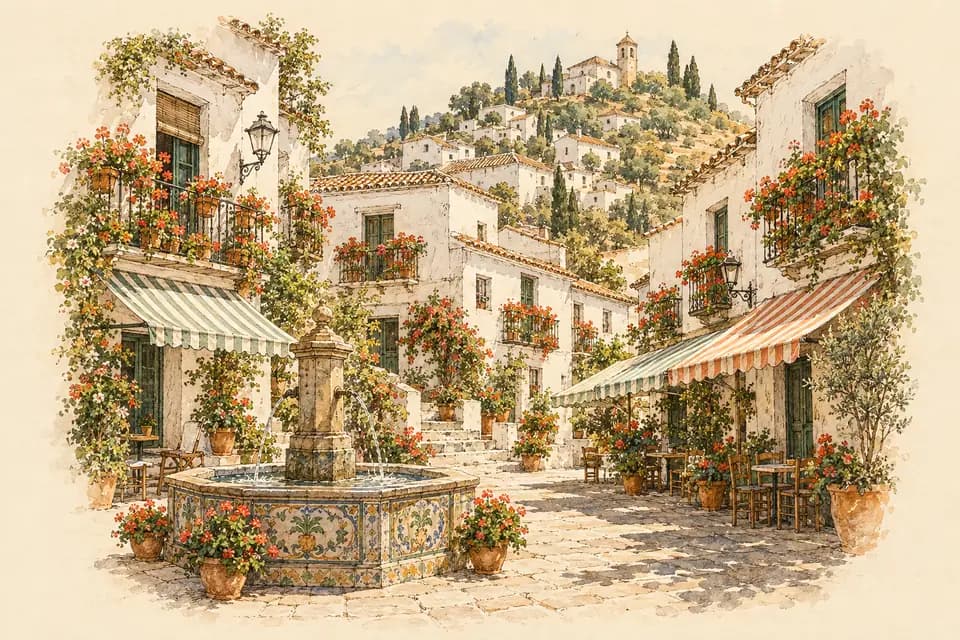 Spanish namesSofía, Mateo, Valentina
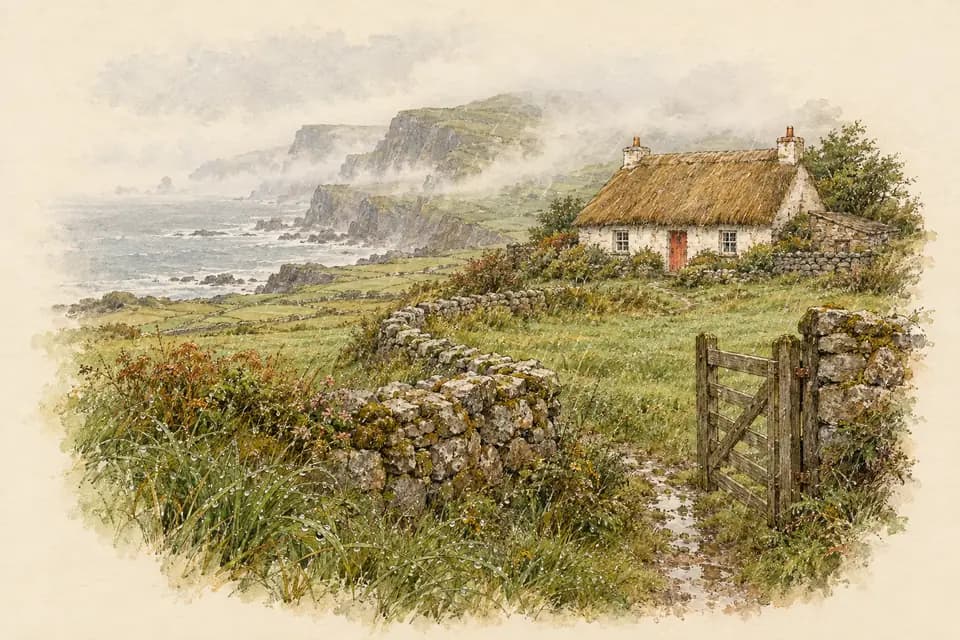 Irish namesCaoimhe, Fionn, Roisin
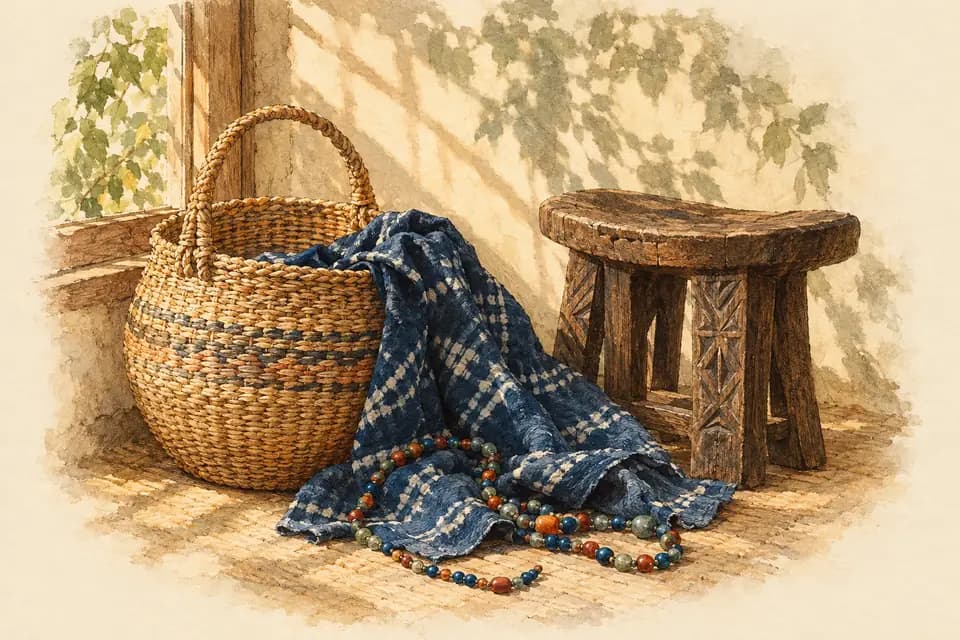 African namesAmina, Kwame, Nia
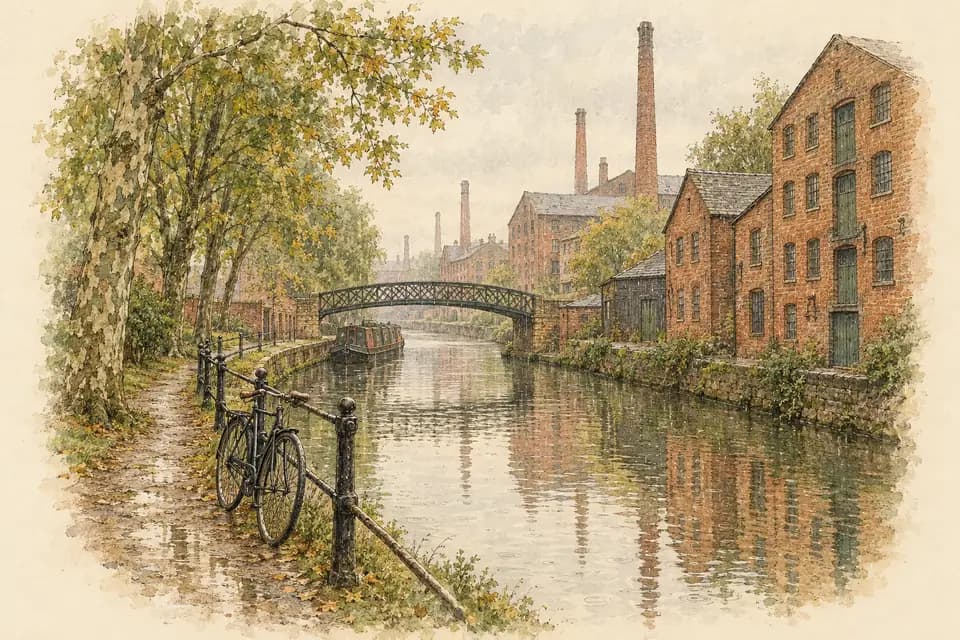 British namesEleanor, Henry, Charlotte
 Greek namesAthena, Apollo, Penelope
 Native American namesAmik, Nayeli, Kȟolá
 Russian namesAnastasia, Mikhail, Natalia
 Turkish namesAylin, Emir, Dilara
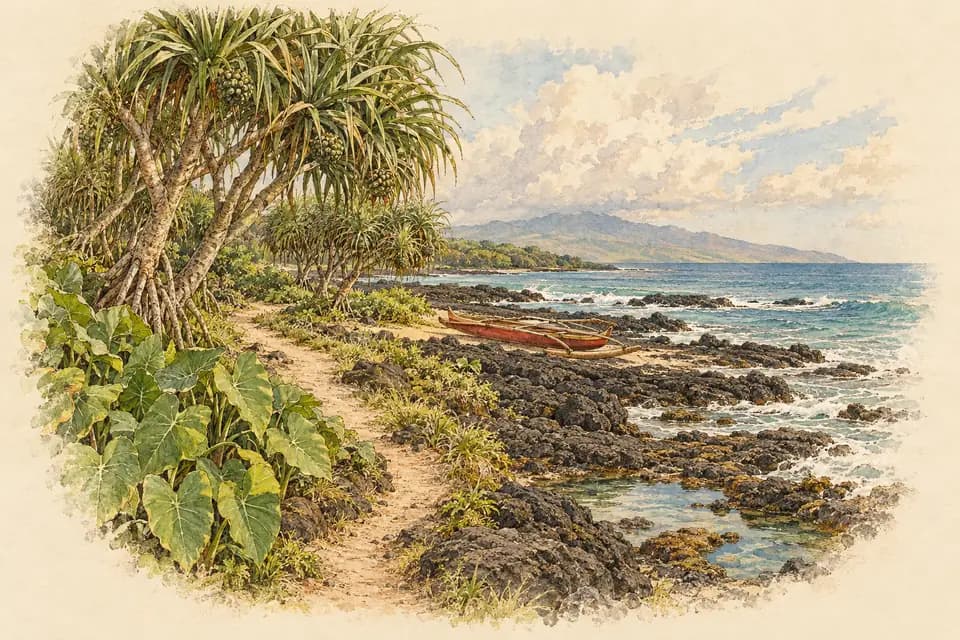 Hawaiian namesLeilani, Kai, Halia
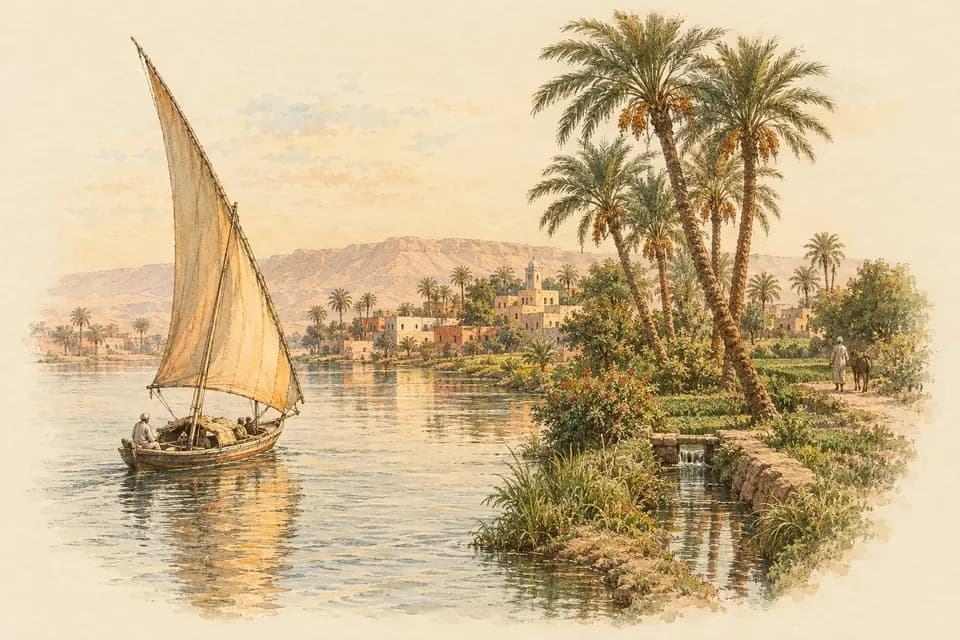 Egyptian namesAhmed, Layla, Ramesses
Chapter one starts tonight.
Open a blank page, write the first line, and see where it takes you. Your readers are out there.
Plans from $9.99 a month. Cancel any time. Your words are always yours.