Korean Name Generator
Get a Korean given name with its meaning, then pair it with a family name. Surname first, written as one word in Hangul: Kim Minjun, 김민준.
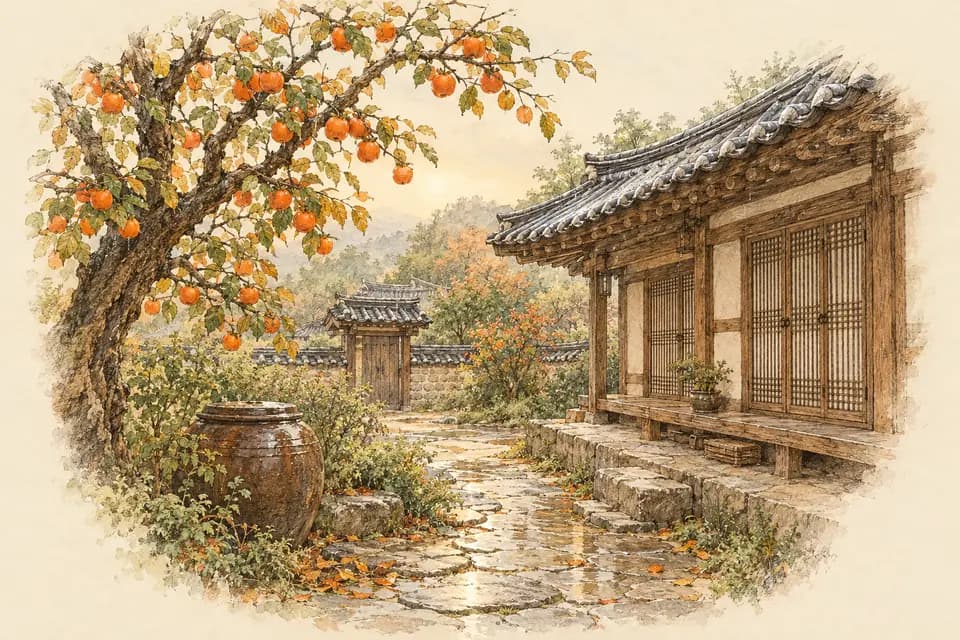
A few to start with
- MinjiQuick and wise (敏智)
- JoonTalented
- JiwooWisdom and help (智祐)
- HyejinWise and precious (慧珍)
- SeokRock
- JiwonWisdom and origin (智元) for boys, or wisdom and beauty (智媛) for girls
Understanding Korean names
Korean names are short and run family name first: Park Jimin, Lee Seoyeon. The surname is almost always one syllable, and the pool is tiny. In the 2015 South Korean census, Kim, Lee and Park alone covered about 45 percent of the population. Families tell themselves apart by clan seat, the ancestral home of the line, so a Gimhae Kim and a Gyeongju Kim are different families.
Given names are usually two syllables, and each syllable has traditionally been tied to a hanja, a Chinese character chosen for its meaning. Seo (瑞) can mean "auspicious," Jun (俊) "talented," Ji (智) "wisdom." In recent decades, more parents have chosen native Korean words with no hanja at all: Haneul (sky), Bora (purple), Iseul (dew), Sarang (love). Syllables lean male or female. Jun, ho and hyun read as boys' syllables; yeon, ah, eun and hee as girls'. Jiwoo and Yujin go either way.
How to come up with a Korean name
Pick a surname, then think past Kim
Kim, Lee or Park is realistic, but with that many Kims a story needs other ways to tell people apart. Mid-frequency surnames like Choi, Jung, Kang, Cho and Yoon still sound ordinary. Rare and two-syllable surnames like Bong, Seonwoo and Namgung stand out. Romanization varies by family: 이 can be Lee, Yi or Rhee; 박 is Park or Bak; 정 is Jung, Jeong or Chung. Choose one spelling and keep it.
Use a generation syllable for siblings
Many families give every child of a generation one shared syllable, the dollimja, chosen according to the clan genealogy. Brothers might be Minjun and Minseok, or Seungho and Junho. Traditionally the shared syllable alternates position, first in one generation and second in the next. It was applied mostly to sons, so in a historical setting a daughter's name can sit outside the pattern, a quiet detail about her place in the family.
Match the name to the decade
Names date a character fast. Women born in the 1960s and 70s are often Mikyung, Eunjoo or Younghee; men of that age are Youngho, Sungho or Junghoon. Children born since 2010 are Seojun, Doyun, Hajun and Siwoo, or Seoyeon, Seoah, Hayoon and Jiwoo. A girl's name ending in -ja (子), as in Youngja or Sunja, marks a woman born in the Japanese colonial era or just after, when that ending was borrowed from Japanese -ko.
Write and romanize it correctly
In Hangul, the full name is written as one unit with no space: 김지민. In English, people hyphenate the given name, run it together or split it: Ji-min, Jimin or Ji Min. The official Revised Romanization spells 이 as I and 정 as Jeong, but most families keep older spellings like Lee and Jung. For a fantasy setting, sound matters more than spelling; syllables like Hyeon, Seol and Yeon read as Korean even in invented names.
Famous Korean names and what they show
Real people, family name first, and what their names reveal.
- King Sejong (Yi Do)Born Yi Do, he introduced Hangul in 1443. Joseon kings are remembered by temple names given after death, like Sejong, not the names they used in life.
- Yi Sun-sinThe admiral's surname is the same 이 as Lee. Scholars and older texts often romanize it Yi, so one family name can look like two in English.
- Kim Seokjin, Kim Namjoon and Kim TaehyungBetter known as Jin, RM and V of BTS. Three Kims in a seven-member group shows how common the surname is, and why stage names help.
- Han KangThe 2024 Nobel laureate's name sounds exactly like the Han River (Hangang) that runs through Seoul. Han is a surname of its own, separate from Kim, Lee and Park.
- Kim YunaThe figure skater's given name is 연아 (Yeon-a) in Hangul but romanized Yuna in English, a reminder that official and personal spellings often differ.
- Son Heung-minSon (孫) is a mid-frequency surname, a good pick when you want something familiar that isn't Kim, Lee or Park. Heung-min follows the classic two-syllable pattern.
- Bong Joon-hoBong is a rare surname, while Joon-ho is a very common pattern for men of his generation. Pairing a rare surname with an everyday given name feels true to life.
Popular Korean names
| Name | Meaning | Gender |
|---|---|---|
| Minji | Quick and wise (敏智) | Female |
| Joon | Talented | Male |
| Hyejin | Wise and precious (慧珍) | Female |
| Seok | Rock | Male |
| Jiwoo | Wisdom and help (智祐) | Unisex |
| Yoon | Allowing | Male |
| Sooyoung | Excellent and outstanding (秀英) | Female |
| Minho | Quick and vast (敏浩) | Male |
| Sujin | Graceful Pearl | Female |
| Hyun | Wise | Male |
| Jisoo | Wisdom and excellence (智秀) | Female |
| Donghae | East Sea | Male |
| Yeji | Artistic and Wisdom | Female |
| Taeyang | Sun | Male |
| Eunbi | Grace or kindness (恩), with a second syllable whose meaning depends on its hanja | Female |
| Kyungsoo | Respect and excellence (敬秀) | Male |
| Jiwon | Wisdom and origin (智元) for boys, or wisdom and beauty (智媛) for girls | Unisex |
| Jaehoon | Carrying merit (載勳) | Male |
| Seohee | Auspicious and bright (瑞熙) | Female |
| Sanghyun | Esteeming wisdom (尙賢) | Male |
60 more Korean names and meanings
Male Korean names
| Name | Meaning |
|---|---|
| Seojun | Hanja-dependent; possible associations include auspiciousness and talent. |
| Dohwan | Hanja-dependent; may suggest a way or path and brightness. |
| Jaemin | Hanja-dependent; possible associations include talent and quick understanding. |
| Junseo | Hanja-dependent; can evoke excellence and auspiciousness. |
| Seungmin | Hanja-dependent; possible associations include achievement and intelligence. |
| Minseok | Hanja-dependent; may suggest cleverness and steadfastness. |
| Taehwan | Hanja-dependent; can evoke greatness and radiance. |
| Gunwoo | Hanja-dependent; possible associations include strength and protection. |
| Seungwoo | Hanja-dependent; may suggest accomplishment and help. |
| Woojin | Hanja-dependent; possible associations include assistance and preciousness. |
| Changmin | Hanja-dependent; can suggest flourishing and cleverness. |
| Hajun | Hanja-dependent; possible associations include summer and excellence. |
| Kyumin | Hanja-dependent; may evoke respect and intelligence. |
| Junhyuk | Hanja-dependent; can suggest excellence and brilliance. |
| Seongho | Hanja-dependent; possible associations include sincerity and greatness. |
| Seongjin | Hanja-dependent; may suggest sincerity and progress. |
| Doyoon | Hanja-dependent; can evoke a principled path and gentleness. |
| Yejun | Hanja-dependent; possible associations include artistry and excellence. |
| Dongwon | Hanja-dependent; may suggest origin and enduring purpose. |
| Inho | Hanja-dependent; can evoke benevolence and a heroic spirit. |
| Kihoon | Hanja-dependent; possible associations include foundation and instruction. |
| Eunsung | Hanja-dependent; may suggest kindness and accomplishment. |
| Hojun | Hanja-dependent; can evoke a fine reputation and excellence. |
| Wonsik | Hanja-dependent; possible associations include origin and principle. |
Female Korean names
| Name | Meaning |
|---|---|
| Seoyeon | Hanja-dependent; often chosen for graceful or auspicious associations. |
| Jihye | Hanja-dependent; commonly associated with wisdom and understanding. |
| Hana | Korean word for “one”; also used as a given name. |
| Nari | Korean word for “lily.” |
| Areum | Korean word meaning “beauty” or “beautiful.” |
| Chaewon | Hanja-dependent; possible associations include color and origin. |
| Yuna | Hanja-dependent; its meaning varies with the chosen characters. |
| Haeun | Hanja-dependent; may evoke grace and kindness. |
| Soyeon | Hanja-dependent; can suggest refinement and beauty. |
| Bora | Korean word for “purple.” |
| Dabin | Hanja-dependent; possible associations include accomplishment and refinement. |
| Gaeul | Korean word for “autumn.” |
| Sarang | Korean word for “love.” |
| Seulgi | Korean word meaning “wisdom” or “good sense.” |
| Hyeri | Hanja-dependent; possible associations include wisdom and benefit. |
| Dahye | Hanja-dependent; may suggest abundance and wisdom. |
| Eunseo | Hanja-dependent; can evoke kindness and auspiciousness. |
| Suah | Hanja-dependent; possible associations include excellence and elegance. |
| Nayeon | Hanja-dependent; may suggest grace and brightness. |
| Gyuri | Hanja-dependent; possible associations include beauty and principle. |
| Hyojin | Hanja-dependent; may evoke filial devotion and preciousness. |
| Hyeonju | Hanja-dependent; can suggest virtue and pearl-like preciousness. |
| Jieun | Hanja-dependent; possible associations include wisdom and kindness. |
| Dayeon | Hanja-dependent; may evoke abundance and grace. |
| Daeun | Many graces (多恩), one common hanja spelling |
Unisex Korean names
| Name | Meaning |
|---|---|
| Haneul | Korean word for “sky”; used as a given name. |
| Yujin | Hanja-dependent; its meaning varies with the chosen characters. |
| Jaein | Hanja-dependent; possible associations include talent and benevolence. |
| Iseul | Korean word for “dew.” |
| Sol | Korean word for “pine tree.” |
| Yeonwoo | Hanja-dependent; may suggest connection and assistance. |
| Jiyul | Hanja-dependent; possible associations include wisdom and rhythm. |
| Seon | Hanja-dependent; can suggest goodness or virtue. |
| Hajin | Hanja-dependent; possible associations include summer and preciousness. |
| Hamin | Hanja-dependent; may evoke kindness and intelligence. |
| Haon | A contemporary-style name; meaning depends on intended hanja. |
Korean last names
| Name | Meaning |
|---|---|
| Kim (Gim) | Common surname usually written 金, the character for “gold”; clan origins vary. |
| Lee (Yi) | Common surname usually written 李; the character names the plum tree. |
| Park (Bak) | Common surname usually written 朴; clan origins vary. |
| Choi | Common surname often written 崔; the character is associated with height. |
| Jeong | Common surname with several hanja spellings and clan origins. |
| Kang | Surname with multiple hanja spellings, including 姜 and 江. |
| Cho | Common surname with more than one hanja spelling and clan origin. |
| Yoon (Yun) | Common surname often written 尹; romanization varies. |
| Jang | Common surname with multiple hanja spellings and clan origins. |
| Lim (Im) | Common surname often written 林, the character for “woods” or “grove.” |
| Han | Surname with distinct hanja spellings and clan lineages. |
| Oh | Common surname often written 吳; clan origins vary. |
| Seo | Common surname often written 徐; romanization and clan origins vary. |
| Shin | Surname with several hanja spellings and clan lineages. |
| Kwon | Common surname often written 權; clan origins vary. |
| Hwang | Common surname often written 黃, the character for “yellow.” |
| Ahn (An) | Common surname often written 安, the character for “peace” or “calm.” |
| Song | Common surname often written 宋; clan origins vary. |
| Ryu (Yu) | Surname often written 柳, the character for “willow”; romanization varies. |
| Hong | Common surname often written 洪; clan origins vary. |
Korean names: frequently asked questions
What are good Korean names for boys?
Recent top boys' names include Seojun, Doyun, Hajun, Eunwoo and Siwoo. For a man in his 30s or 40s, try Minho, Jihoon, Hyunwoo or Sungmin. Older men are often Youngsoo, Sangchul or Jaeho. Male-leaning syllables include jun (俊, talented), ho (浩, vast), hyun (賢, wise) and seok (石, stone). Pair one with Kim, Choi or Kang for a complete name like Choi Jihoon or Kang Hyunwoo.
What are good Korean names for girls?
Seoyeon, Seoah, Hayoon, Jiwoo and Haeun lead recent girls' rankings. Women in their 30s and 40s are often Jiyoung, Eunji, Sujin or Minji; Cho Nam-joo titled her novel Kim Jiyoung, Born 1982 because Jiyoung was the most common name for girls born that year. Native Korean names such as Haneul (sky), Bora (purple) and Nari (lily) feel modern. Feminine syllables include yeon (妍, beautiful) and eun (恩, grace).
Can I get a Korean name based on my real name?
You can write your name in Hangul by sound: Emma is 엠마, Daniel is 다니엘. That spells your name, but it doesn't make it Korean. For a Korean-style name, match a sound or a meaning. Grace could become Eunhye (은혜, grace), Sophia (wisdom) could become Jihye (지혜, wisdom), and Hannah could become Hana (하나, one). Then add a common surname like Lee or Yoon.
How do I make a Korean fantasy name?
Use real syllables in less common combinations, or native Korean words that sound like names: Byeol (star), Dal (moon), Baram (wind), Garam (an old word for river) and Haneul (sky). For a historical or palace setting, two-syllable surnames such as Namgung or Seonwoo add weight. Avoid stringing random syllables together; Koreans will notice a name no parent would choose, so build fantasy names from real parts.
What do Korean names mean?
Most given names take their meaning from the hanja chosen for each syllable, and one syllable can have many. Min can be 敏 (quick), 民 (people) or 珉 (a jade-like stone), so Minji and Minho have no single meaning until the hanja are fixed. Families register the chosen hanja with the government, from an approved list for names. Native Korean names like Seulgi (wisdom) and Gaeul (autumn) mean exactly what the word means.
Why do so many Koreans share the same surname?
Surnames spread to the whole population late, and many families who gained one took up prestigious names like Kim, Lee and Park. Today those three cover about 45 percent of South Koreans. Each surname splits into clans by ancestral seat: the Gimhae Kim clan is the largest. For a story, a character's clan can matter for old-fashioned families, such as parents who object to a match within the same clan.
Other world culture name generators
 Japanese namesHana, Haruki, Sora
 Welsh namesCeridwen, Llyr, Maelona
 French namesAmélie, Lucien, Fleur
 Arabic namesLayla, Amir, Zahra
 Hindi namesAarav, Aanya, Vivaan
 German namesLena, Maximilian, Emilia
 Italian namesAlessia, Matteo, Bianca
 Chinese namesMei, Wei, Jingyi
 Spanish namesSofía, Mateo, Valentina
 Irish namesCaoimhe, Fionn, Roisin
 African namesAmina, Kwame, Nia
 British namesEleanor, Henry, Charlotte
 Greek namesAthena, Apollo, Penelope
 Native American namesAmik, Nayeli, Kȟolá
 Russian namesAnastasia, Mikhail, Natalia
 Turkish namesAylin, Emir, Dilara
 Hawaiian namesLeilani, Kai, Halia
 Egyptian namesAhmed, Layla, Ramesses
Chapter one starts tonight.
Open a blank page, write the first line, and see where it takes you. Your readers are out there.
Plans from $9.99 a month. Cancel any time. Your words are always yours.