Horror Plot Generator
Generate horror premises with something wrong at the center, a house, a town, a family, a body, and then find the ordinary fear the monster is standing in for.
- Sample
Night Feeding
Priya Raman moves with her newborn into her late grandmother's bungalow outside Pune to recover from a hard birth. The baby sleeps beautifully, but only in the back room, and only after Priya hears someone humming a lullaby she was sung as a child. Her mother refuses to talk about the aunt who died in that room. Then the baby starts crying whenever Priya picks her up.
- Sample
Winter Road
Gus Lindqvist has hauled fuel over frozen lakes in northern Manitoba for thirty years and has never seen footprints that far from shore. This February there are hundreds, bare feet, leading from a fishing shack nobody owns toward the town where his ex-wife lives. His radio picks up drivers who went through the ice decades ago. Each night the prints end a little closer to land.
- Sample
Block Dinner
Danielle and Marcus Webb buy their first house on a cul-de-sac where the neighbors are generous, quiet and oddly young. The homeowners' association has one strange rule: every household hosts the block dinner once a year. The couple across the street hosted last fall and haven't been seen outside since. Danielle's turn is in three weeks, and her husband has started looking forward to it.
- Sample
Signals of the Damned
A haunted lighthouse on a deserted island begins transmitting mysterious codes. A determined signal analyst must decode them before the ghostly beacon claims any more lives.
- Sample
Wings of Terror
After surviving a catastrophic plane crash in the Himalayas, the survivors are terrorized by an ancient, mythological creature lurking within the mountains. In this chilling isolation, their only escape is survival.
- Sample
Crimson Lunar
Following a gruesome series of murders in a small town, a rookie detective discovers the killings are timed to the lunar cycle. He has days to stop the next murder foretold by the blood moon.
- Sample
Echoes of the Possessed
A renowned exorcist, plagued by his past, retreats into seclusion only to be called back for one last job: to save a possessed child, eerily mirroring a case from his past. Will history repeat its horrific nightmare?
- Sample
Twilight's Phantoms
In a post-apocalyptic world, survivors find refuge by daylight but are haunted by predatory ghosts at night. With humanity dwindling, do they have what it takes to fight the supernatural?
Horror: what makes the plot work
Horror focuses on eliciting fear and shock in its audience. It often involves supernatural elements, psychological horror, or terrifying situations.
Root the monster in a real fear
The best horror is about something besides its monster. Stephen King's The Shining is a haunted hotel story and also a story about a father's drinking and rage, and the Overlook only amplifies what Jack Torrance already is. Decide what your characters are afraid of before you decide what's in the basement.
Close the exits one by one
Horror needs a reason people don't just leave. Snow, money, a sick child, a lease, a promise, a town nobody moves away from. Remove each easy escape on the page, and readers stop shouting at the characters and start fearing with them.
Let dread arrive before the scare
Shirley Jackson's The Haunting of Hill House frightens with odd angles, sounds in the night and Eleanor's loneliness long before anything plainly supernatural happens. Unease builds when ordinary details are slightly off. Save explicit horror for when the reader is already tense, so it lands instead of bouncing off.
Give the threat rules, then break one
Readers relax once they understand a monster's limits, and they should. Establish what it wants, what stops it and when it comes. Late in the book, show that one of those rules was wrong. The moment the safe room stops being safe is often the most frightening in the story.
More Thrillers & Suspense plot generators
Or see the whole shelf: Thrillers & Suspense plot ideas.
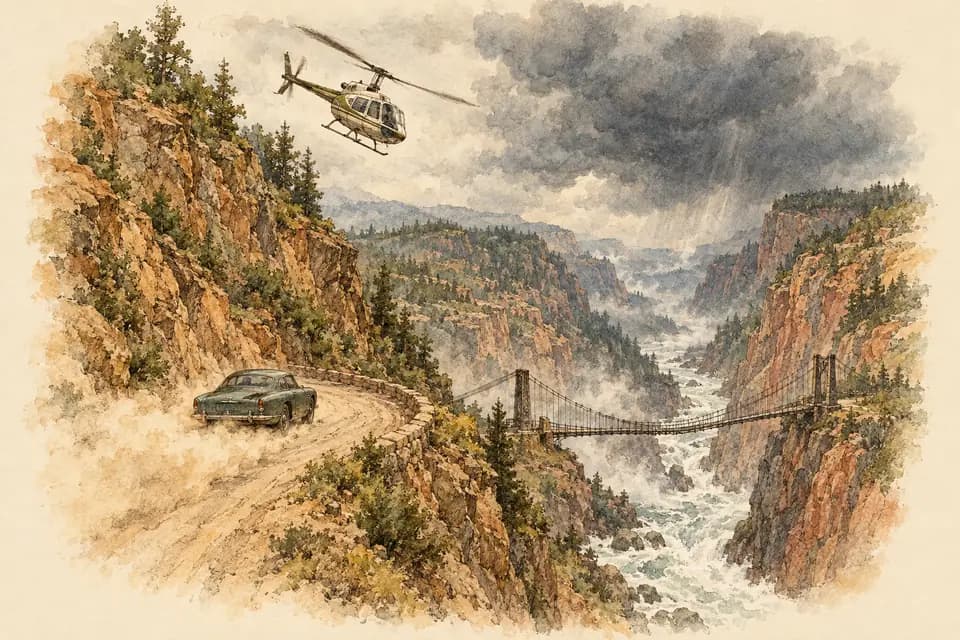 Action ThrillersGenerate action thriller premises built around a capable hero, a bad day and a place they can't easily leave, then shape every fight around what it costs.
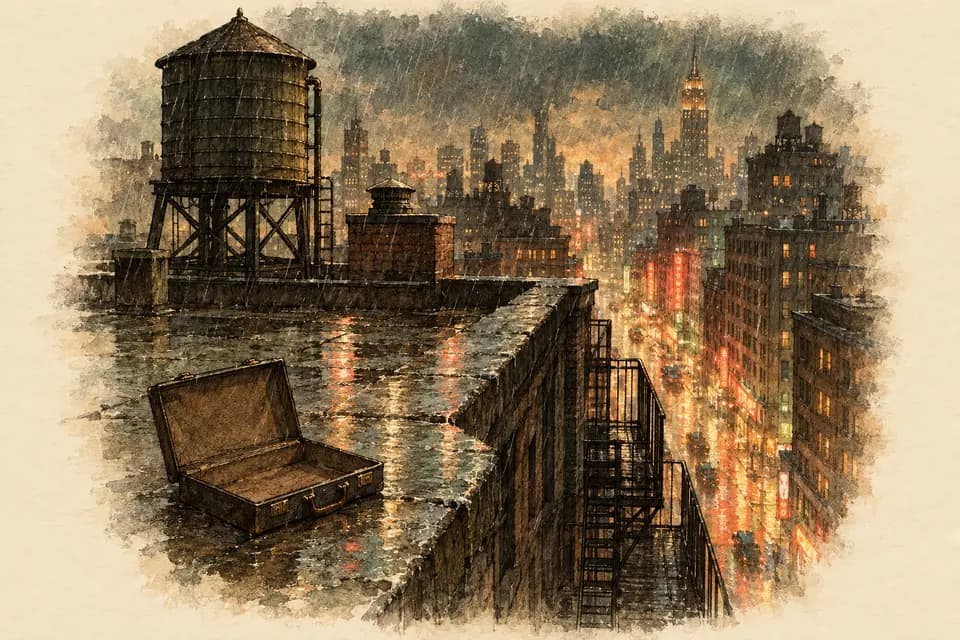 Crime ThrillersGenerate crime thriller premises that keep the reader close to the crime itself: the person planning it, the one covering it up, or the one who stumbled in and…
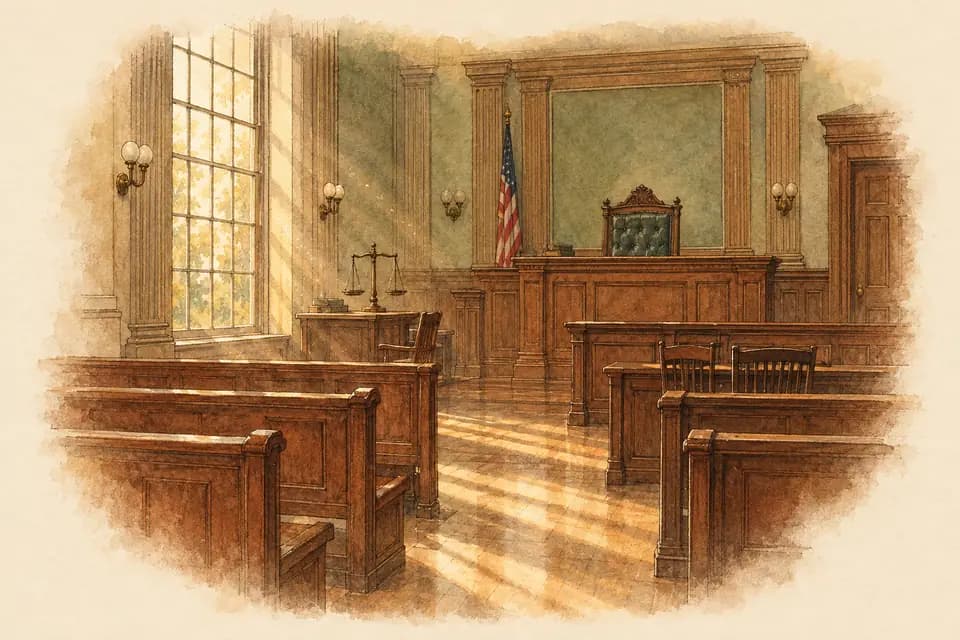 Legal ThrillersGenerate legal thriller premises where the danger runs through the law itself: a case that should be routine, a client who is lying, and a verdict that will…
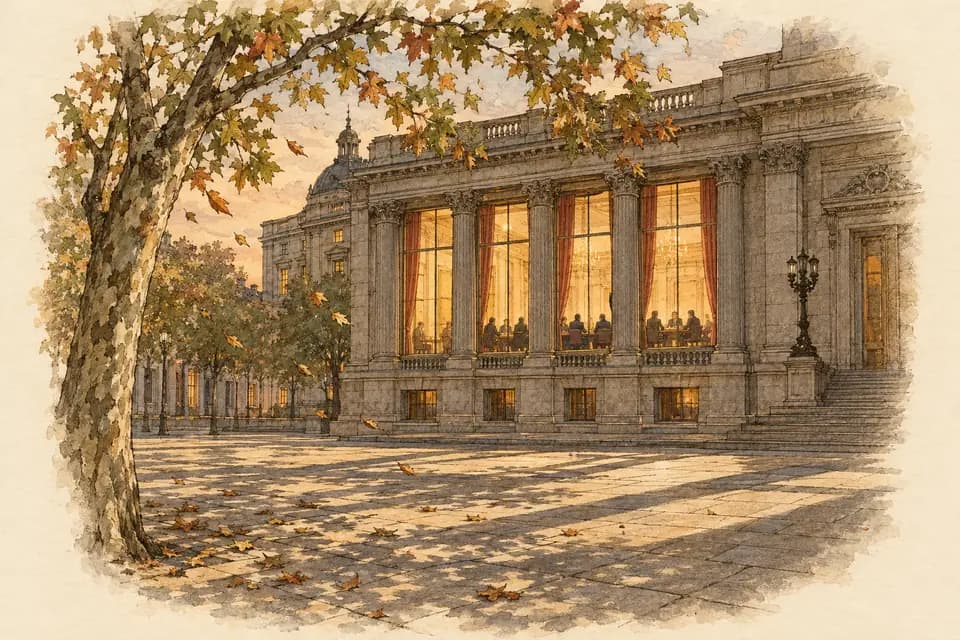 Political ThrillersGenerate political thriller premises built on power and the people willing to break the rules to keep it: elections, cabinet rooms, coups, and the aides who…
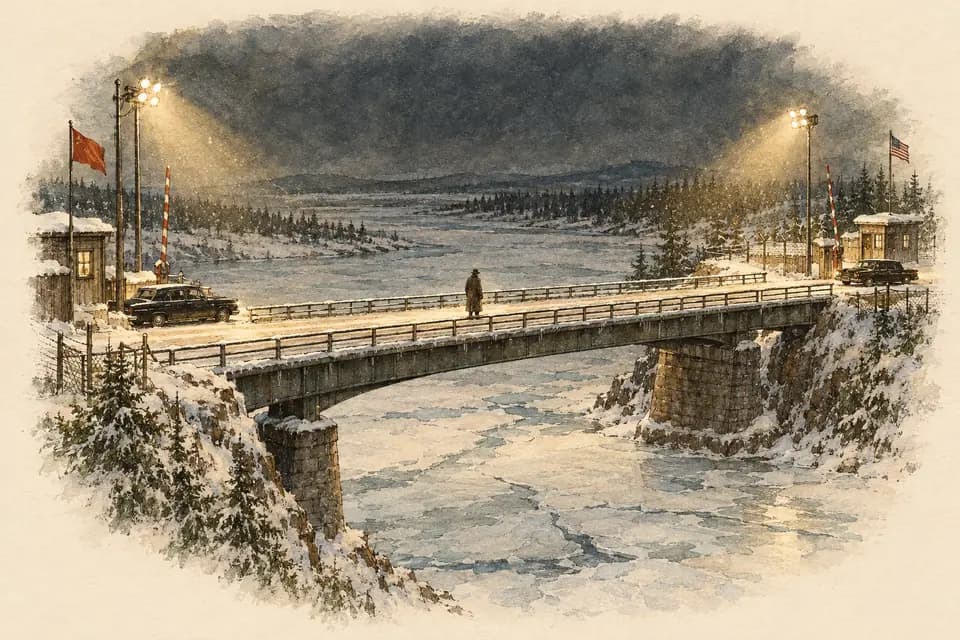 Spy ThrillersGenerate spy thriller premises where loyalty is the real currency: agents running sources, moles hiding in plain sight, and handlers who may not be telling the truth.
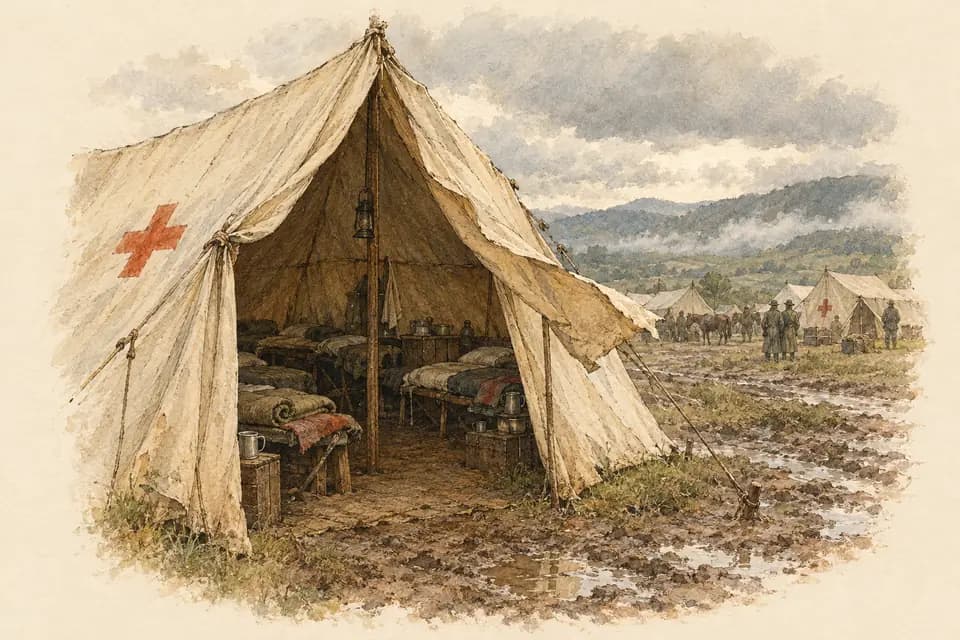 Military SuspenseGenerate military suspense premises where orders, rank and loyalty to the unit pull against each other, from submarine crews and remote outposts to the…
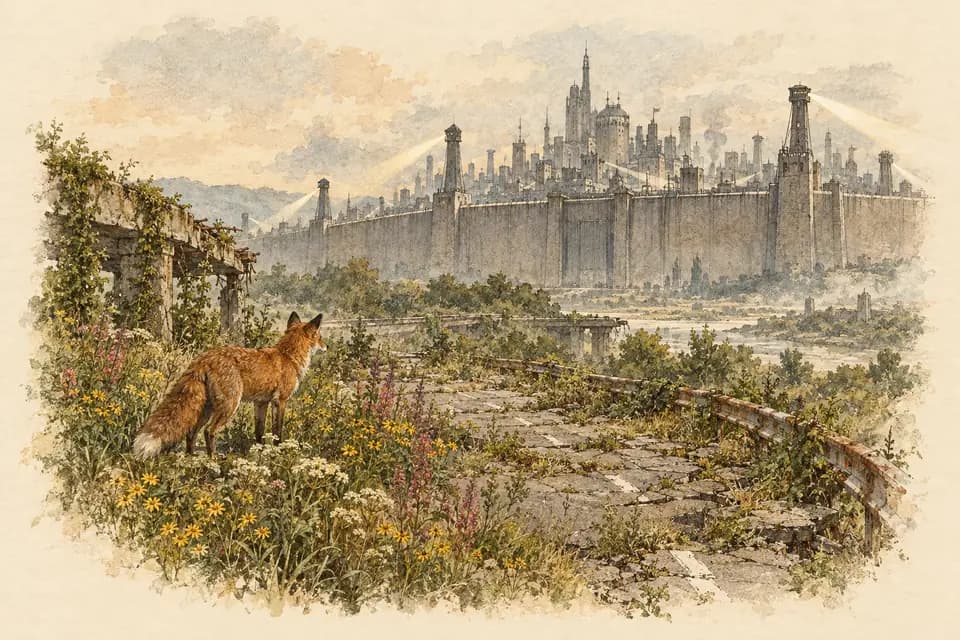 DystopianGenerate dystopian premises where society itself is the antagonist, and your protagonist starts out complicit, comfortable, or simply too busy surviving to fight it.
 Paranormal ThrillersGenerate paranormal thriller premises that pair a supernatural problem with a thriller's engine: an investigation, a deadline, and someone using the uncanny…
Questions about Horror plots
How long should a horror novel be?
Many horror novels run between 70,000 and 90,000 words, often shorter than thrillers and much shorter than epic fantasy. Novellas of roughly 20,000 to 40,000 words are also popular in the genre, especially with small presses. Longer books exist, but sustained dread is hard to hold for 150,000 words.
What's the difference between horror and a paranormal thriller?
Horror is defined by the feeling it creates: fear, dread, revulsion. A paranormal thriller uses supernatural elements inside a plot driven by investigation and action, and it usually ends with the threat beaten. Horror is freer to leave the monster alive, the characters damaged and the reader unsettled.
Does horror need a supernatural element?
No. Plenty of horror is entirely human: killers, cults, isolation, disease, a body turning on itself. Psychological horror can keep the supernatural ambiguous on purpose. What every horror story needs is a threat the characters can't reason with or easily escape.
Found the plot? Write it.
Take it into Chapterly: outline it on a board, name the cast, and write chapter one tonight.
Plans from $9.99 a month. Cancel any time. Your words are always yours.