Thrillers & Suspense Plot Generator
Pick a subgenre and get a thriller premise with the clock already ticking: a person in trouble, someone who wants to keep them there, and a reason they can't walk away.
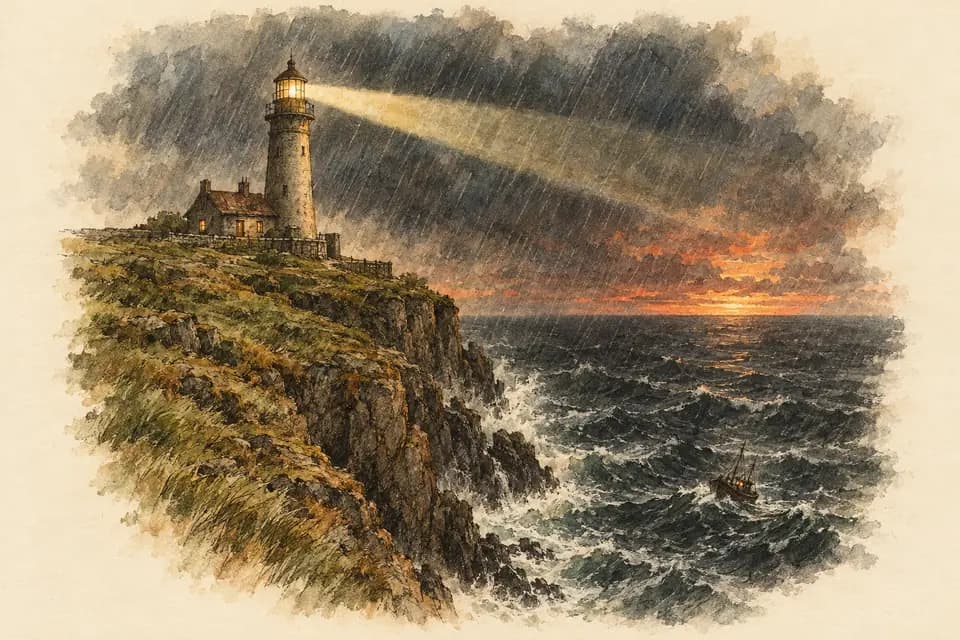
- Action Thrillers
The Ferry Hour
Ines Calloway pilots the last evening ferry across a fogbound arm of Puget Sound, a quiet job she took after years as a Coast Guard rescue swimmer. Tonight four armed men come aboard with a sealed crate and orders to reach the far dock unseen. When one of her twelve passengers turns out to be the witness they were sent to kill, Ines has forty minutes of open water to hide her.
- Crime Thrillers
Overnight Crew
Dolores Varga cleans offices overnight at a Cleveland accounting firm and has learned not to read what's left on desks. Then a partner's laptop is open to a spreadsheet of payments to a city councilman, and her son is two months behind on rent. She makes one copy to sell. By morning the partner is dead, and the detectives are interviewing the cleaning crew first.
- Legal Thrillers
Exhibit Nine
Public defender Marisol Ayala carries ninety cases and gets about eleven minutes with each client. One of them, a nineteen-year-old charged with arson, asks her to look at the fire marshal's photos again. Exhibit nine carries a timestamp that is two hours off. Chasing it means accusing a county investigator who has testified in hundreds of cases, including several of Marisol's own wins.
- Political Thrillers
The Recount
Teresa Nguyen has spent nineteen years as a county elections clerk in Arizona making sure the ballots match the totals. On the night of a razor-thin Senate race, they don't. Before she can report it, a state official asks her to sign the certification anyway, and her deputy vanishes with the backup drives. Now both campaigns want her, for opposite reasons.
- Spy Thrillers
Rye and Ash
Rosa Feld runs a bakery in East Berlin in 1961 and passes messages west inside the loaves she sells to a Stasi officer's wife. When the wall goes up in August, her handler stops coming. Weeks later a stranger arrives with the right recognition phrase and orders to recruit the officer himself, and Rosa cannot tell whether the stranger works for her side or his.
- Military Suspense
Silent Hours
Lieutenant Commander Dana Whitfield is executive officer of an American attack submarine shadowing a foreign carrier group in the South China Sea. Twelve hours into the patrol, the captain collapses, the corpsman suspects poison, and a coded order arrives telling the boat to go silent and close to torpedo range. Dana has to decide whether the order is genuine before she carries it out.
Thrillers & Suspense plot generators
Each one has its own samples, a plotting checklist and the questions writers in that corner of the shelf ask most.
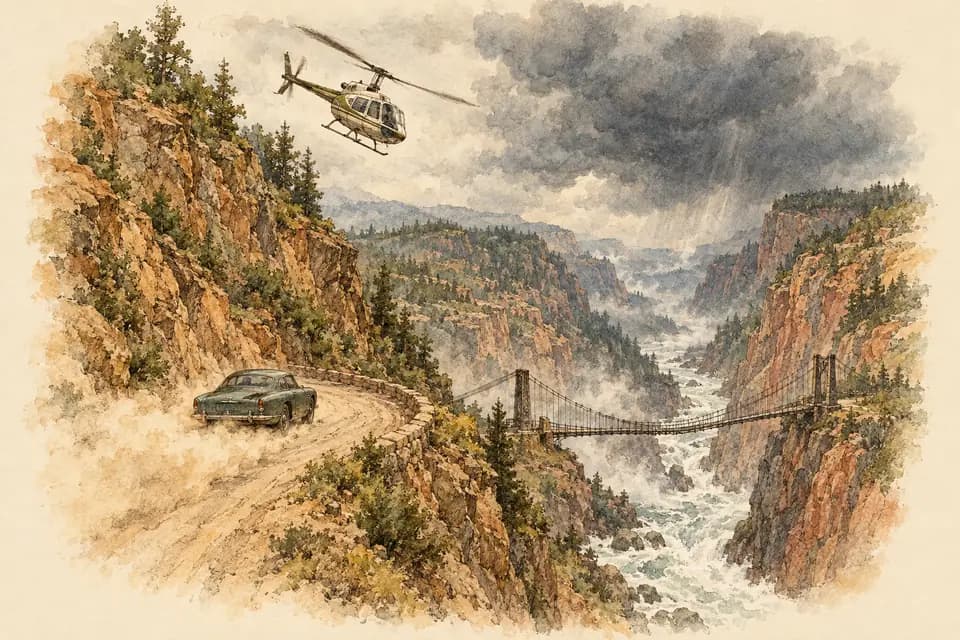 Action ThrillersGenerate action thriller premises built around a capable hero, a bad day and a place they can't easily leave, then shape every fight around what it costs.
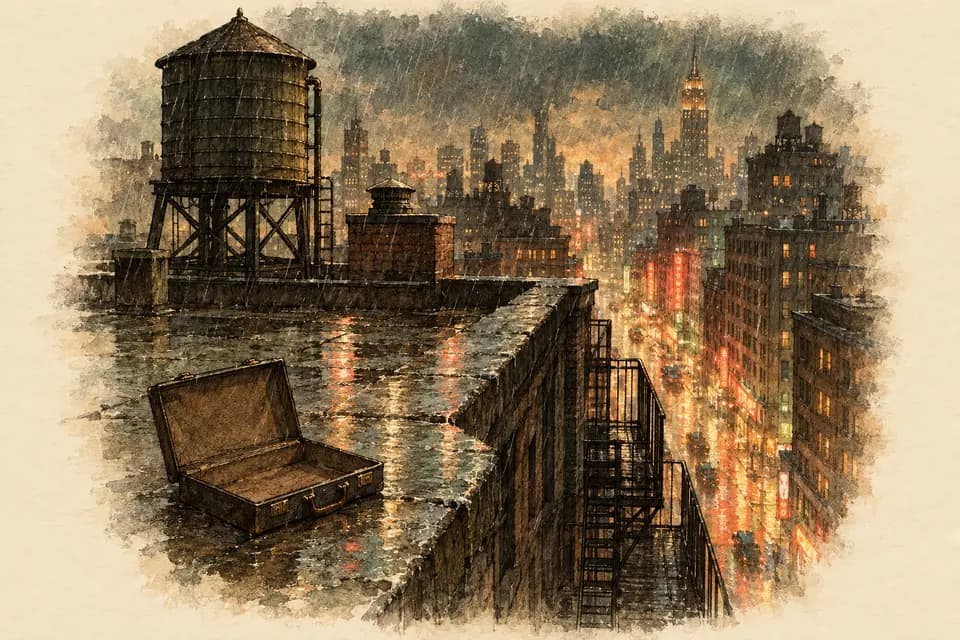 Crime ThrillersGenerate crime thriller premises that keep the reader close to the crime itself: the person planning it, the one covering it up, or the one who stumbled in and…
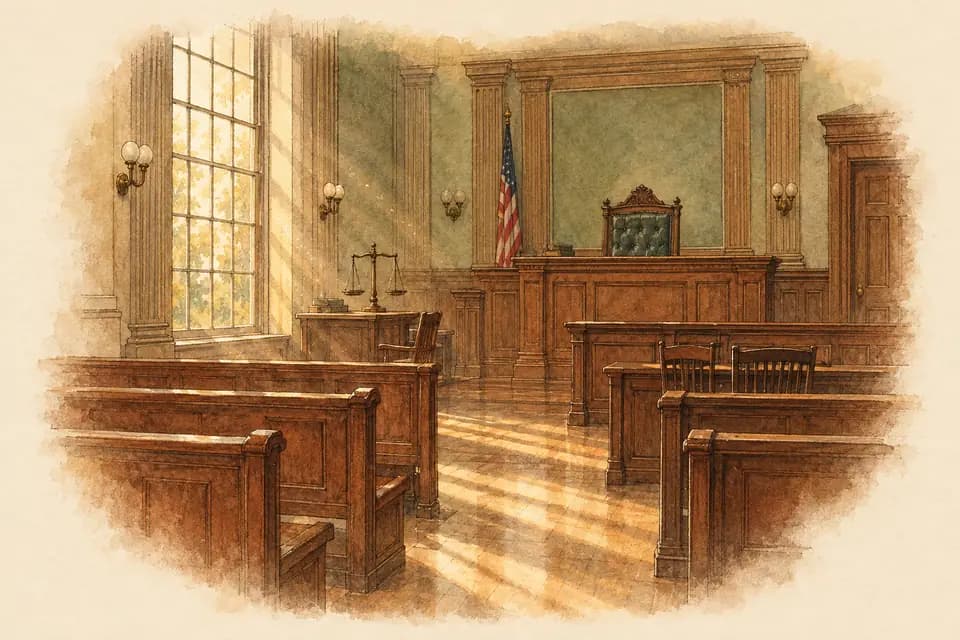 Legal ThrillersGenerate legal thriller premises where the danger runs through the law itself: a case that should be routine, a client who is lying, and a verdict that will…
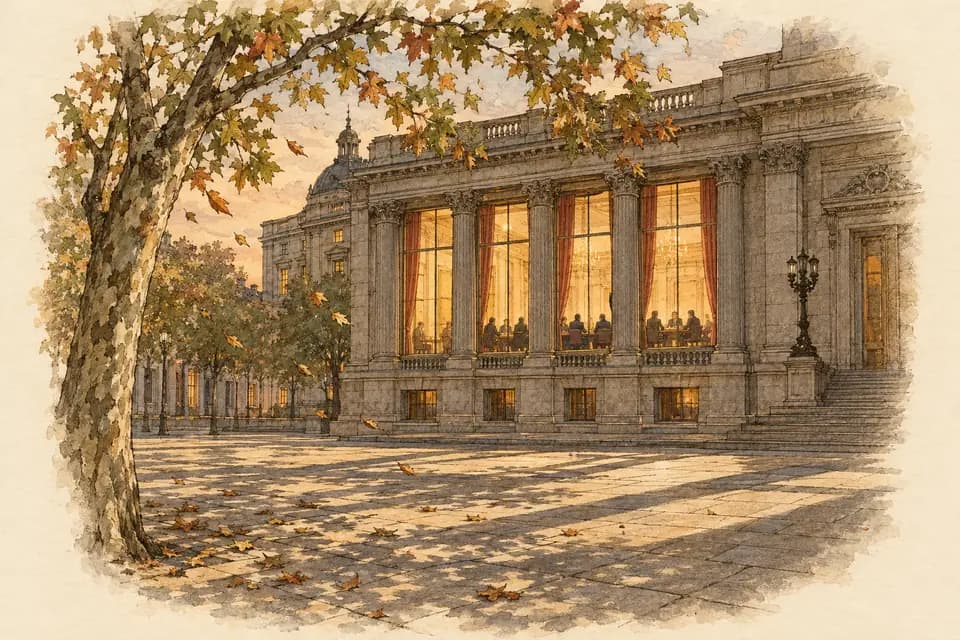 Political ThrillersGenerate political thriller premises built on power and the people willing to break the rules to keep it: elections, cabinet rooms, coups, and the aides who…
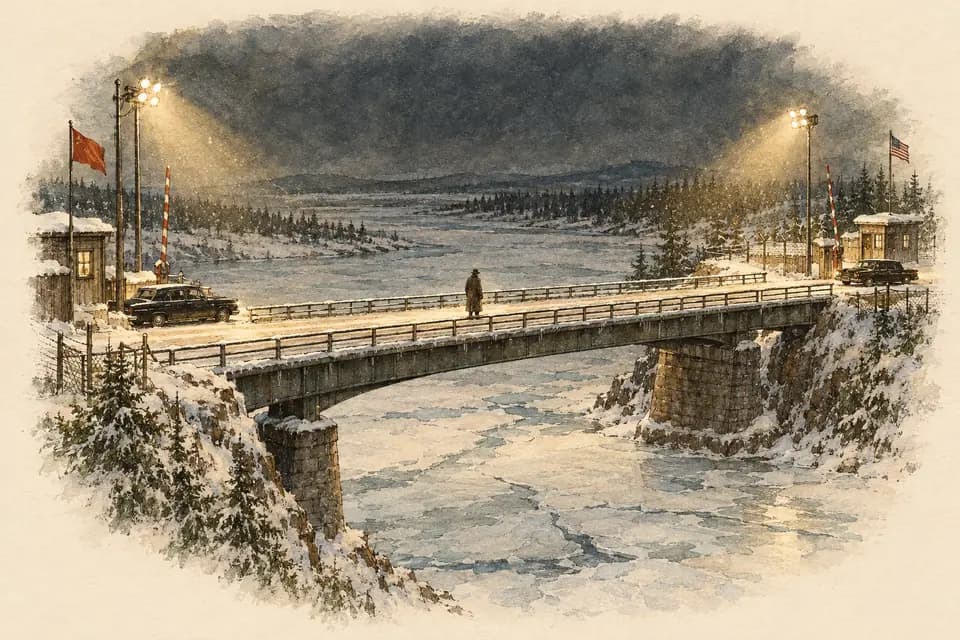 Spy ThrillersGenerate spy thriller premises where loyalty is the real currency: agents running sources, moles hiding in plain sight, and handlers who may not be telling the truth.
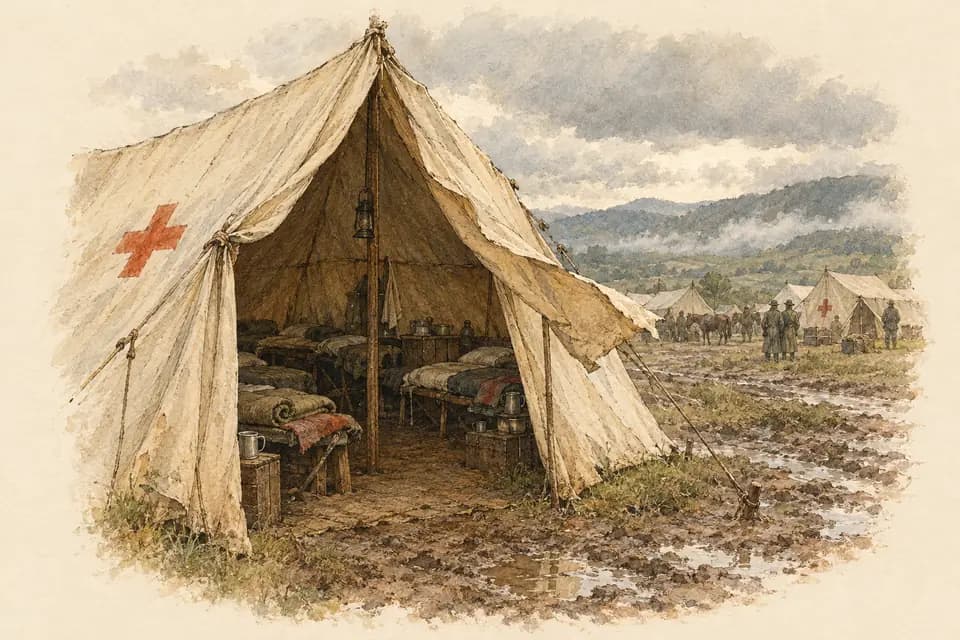 Military SuspenseGenerate military suspense premises where orders, rank and loyalty to the unit pull against each other, from submarine crews and remote outposts to the…
 HorrorGenerate horror premises with something wrong at the center, a house, a town, a family, a body, and then find the ordinary fear the monster is standing in for.
 DystopianGenerate dystopian premises where society itself is the antagonist, and your protagonist starts out complicit, comfortable, or simply too busy surviving to fight it.
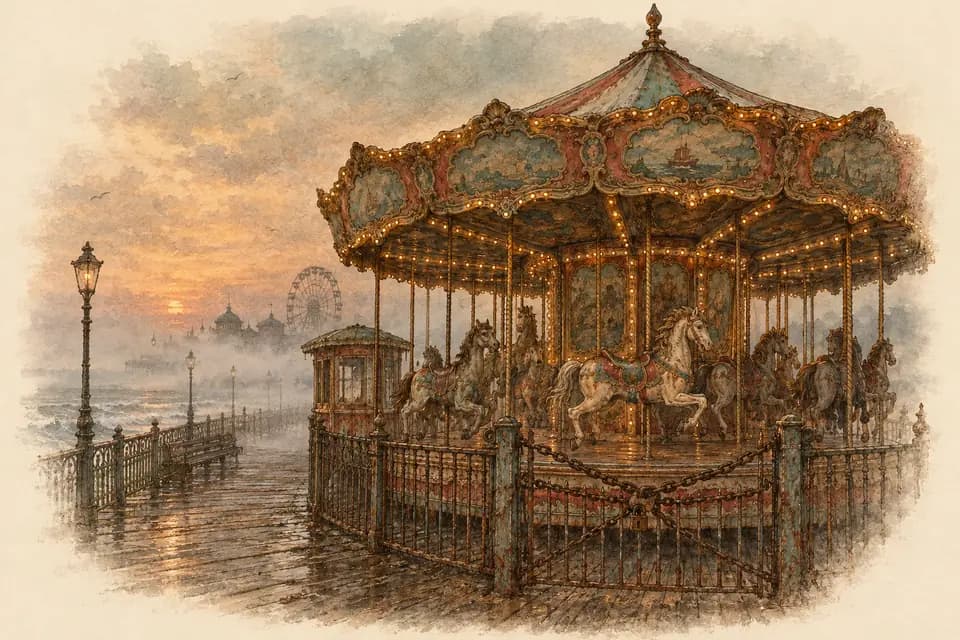 Paranormal ThrillersGenerate paranormal thriller premises that pair a supernatural problem with a thriller's engine: an investigation, a deadline, and someone using the uncanny…
What Thrillers & Suspense readers come for
Thriller readers come for pressure. They want a protagonist with something to lose, an opponent smarter than expected, and a reason to read one more chapter at 1 a.m. A mystery asks who did it. A thriller often tells you, or lets you guess, and asks whether anyone can stop it. That shift puts the weight on danger, pace and dread rather than on clues, and it is why the genre fills airport bookstores and e-reader charts year after year.
The subgenres change what is at risk and who stands in the way. Legal thrillers fight on paper and in courtrooms, where a ruling can do more damage than a gun. Spy thrillers trade in loyalty and lies, political thrillers in power. Military suspense brings rank, hardware and the chain of command. Horror and paranormal thrillers bring threats that ignore physics, while dystopian stories make the whole society the antagonist. Action thrillers keep it simple: one capable person, one very bad day.
Let the reader know more than the hero
Suspense often comes from information the protagonist doesn't have. Alfred Hitchcock described it as showing the audience the bomb under the table before the characters sit down to talk. In The Day of the Jackal, Frederick Forsyth cuts between the assassin and the detective hunting him, so even quiet scenes carry weight.
Make the villain's plan work without the hero
Sketch what your antagonist would do if the protagonist never showed up. If that plan holds together on its own, every move your hero makes disrupts something real, and the villain has reasons to react. Weak thrillers have opponents who only exist to be beaten in the last chapter.
Raise the cost, not the volume
Bigger explosions stop working after the second one. Better escalation takes something personal off the board: an ally turns, a safe house is burned, the hero's own past becomes evidence. In The Firm, John Grisham squeezes Mitch McDeere between a mob-connected law firm and the FBI, so every choice closes a door.
Put the deadline where readers can see it
A clock gives readers a way to measure tension. It can be a date (a trial, a summit, election night) or something physical, like an oxygen supply or a wound that's getting worse. State it early, then shorten it the moment the reader starts to relax.
End chapters on a shift, not a cliff
Cliffhangers wear thin when every chapter ends with a gun in someone's face. Close instead on new information that changes what the next chapter means: a name, a lie exposed, a phone that should be off and isn't. Readers keep going to learn what it means, not just whether someone lives.
Titles, prompts and names
Questions about Thrillers & Suspense plots
What is the difference between a thriller and a mystery?
A mystery is built around a question about the past, usually who committed a crime, and the reader works on it alongside the detective. A thriller is built around a threat in the future: something bad is coming, and the protagonist has to stop it or survive it. Many books blend the two, but knowing which question drives your plot tells you where to put the tension.
How long should a thriller novel be?
Most adult thrillers from traditional publishers land between about 80,000 and 100,000 words. Debuts much above 110,000 are a harder sell to agents unless the subgenre expects more room, as sprawling spy and military novels sometimes do. Horror often runs a little shorter.
Does a thriller need a happy ending?
It needs a resolved one. Readers expect the central threat to be stopped or settled, but the protagonist can pay heavily for it, and some classics end with a victory that feels like a loss. John le Carré's The Spy Who Came in from the Cold is the standard example.
Can a thriller be written in first person?
Yes, and many are. First person locks the reader inside the protagonist's fear and limits what they know, which helps suspense. The trade-off is losing cutaways to the villain, so some authors pair a first-person hero with third-person chapters from the antagonist's side.
Plot generators for other genres



Found the plot? Write it.
Take it into Chapterly: outline it on a board, name the cast, and write chapter one tonight.
Plans from $9.99 a month. Cancel any time. Your words are always yours.