Historical Fiction Plot Generator
Pick an era or a region and get a plot built around one person caught in a real moment of history, whether that's Rome in 63 BC, Gettysburg in July 1863 or London during the Blitz.
- World War 2
Winter Herring
Ålesund, Norway, 1942. Ingrid Vik, nineteen, wants her younger brother on the next fishing boat to Shetland before the Gestapo match his face to a sabotaged rail line. The skipper will take him only if Ingrid steals the tide tables from the harbor office she cleans. In the same drawer she finds a list of local informers, and her father's name is on it.
- World War 1
The North End Letters
Halifax, Nova Scotia, December 1917. Since her brother was killed at Passchendaele, sixteen-year-old Nora Pyke has been forging his cheerful letters home so their frail mother keeps eating. Then a munitions ship explodes in the harbor and flattens the North End. Her mother wakes in a hospital ward beside a wounded soldier from her son's battalion, and he has a lot to say about Private Pyke.
- United States
Ten Hours
Lowell, Massachusetts, 1845. Abigail Fenn left her family's Vermont farm to tend looms, and she has two years to earn enough to pay off her father's mortgage. The women in her boardinghouse are gathering signatures for a ten-hour workday, and the overseer has made clear that signers lose their places. Abigail signs a made-up name to stay safe. Then the legislature calls signers to testify, and her invented name belongs to a real girl two looms over.
- 20th Century
Stitches per Inch
Dover, Delaware, 1968. Bernice Lowry sews Apollo spacesuits at a company better known for bras and girdles, and she wants the inspector's job that has never gone to a woman on her line. Two weeks before a suit ships to Houston, she finds a seam her best friend signed off that is a sixteenth of an inch out of tolerance. Reporting it will cost her friend the job, and maybe both of them the program.
- 19th Century
Ballast
Paris, November 1870, under Prussian siege. Célestine Roux, sixteen, stitches balloon envelopes in a railway station turned workshop, and she wants a seat out to her mother in Tours. An aeronaut offers her one if she carries a sealed packet to the government delegation there. The wind takes them north instead of southwest, and somewhere over the sea Célestine opens the packet and learns who it was really meant for.
- 18th Century
Exchange Alley
London, 1720. Hester Pell keeps the accounts at her uncle's coffeehouse in Exchange Alley, where South Sea stock changes hands over the tables. She wants out of the marriage arranged for her with a widowed director of the company, and she plans to buy her freedom with shares. The stock soars. Then she notices which directors are quietly selling, and her intended is one of them.
Historical Fiction plot generators
Each one has its own samples, a plotting checklist and the questions writers in that corner of the shelf ask most.
 World War 2Generate World War II plots built on a real front, a real year and a person with something to hide.
 World War 1Generate World War I plots that start in the mud and reach well past it: field hospitals, shell-filling sheds, Mesopotamia, the Armistice and the influenza…
 United StatesGenerate plots from American history that start with a region, a law and a person it squeezes.
 20th CenturyGenerate plots set in the century of telegrams, newsreels, partitions and moon suits.
 19th CenturyGenerate 19th century plots driven by what moved that century: wills and railway shares, gold fields and cotton mills, gaslight and the telegraph.
 18th CenturyGenerate 18th century plots built from the period's own machinery: bills of exchange, press gangs, lotteries, pamphlets and slow ships.
 American RevolutionGenerate American Revolution plots that look past the famous signatures: farm wives paid in British silver, printers working both sides, militiamen far from Boston.
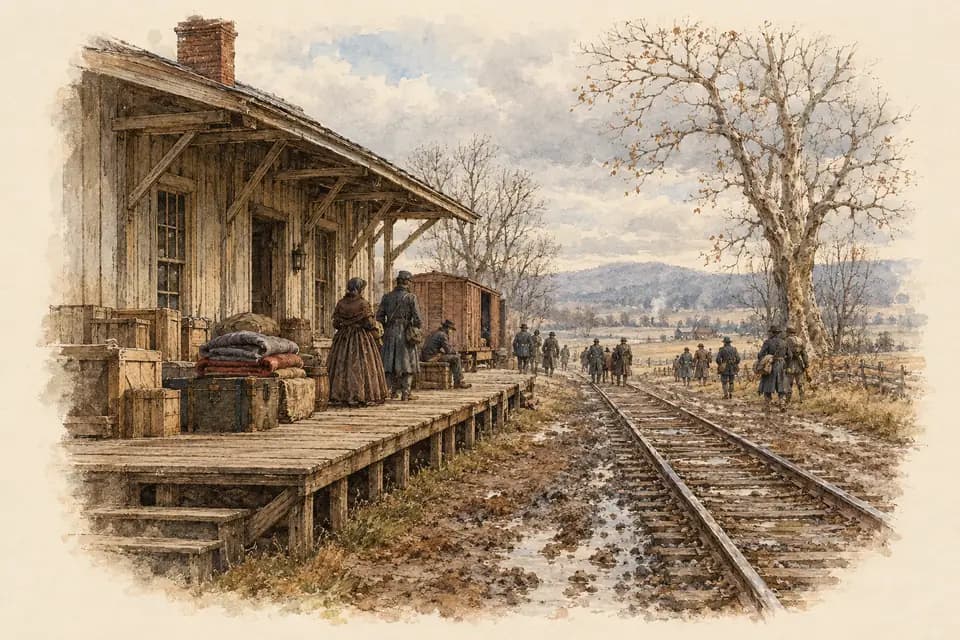 Civil WarGenerate Civil War plots that put a person on a real road, in a real siege or on a real date between Fort Sumter and Reconstruction.
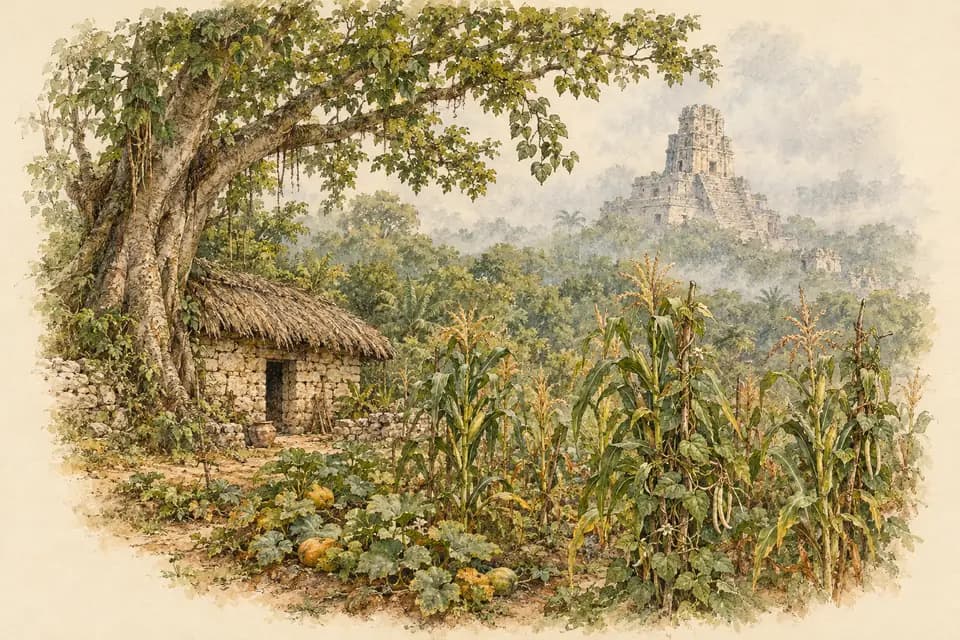 Ancient AmericasGenerate plots set in the Americas before the conquest: Mexica merchants, Maya courts, Inca record keepers and the great houses of Chaco Canyon.
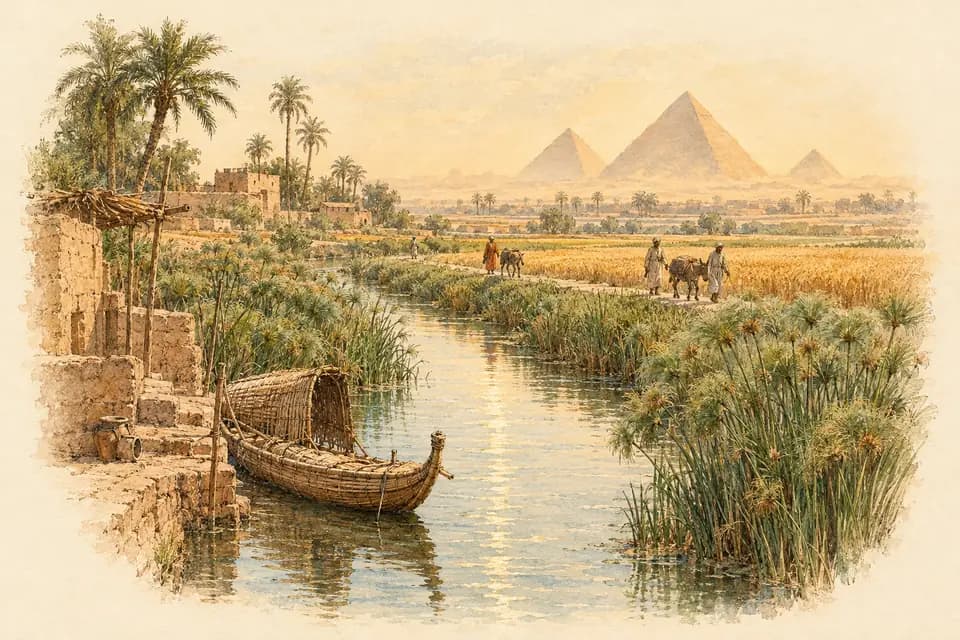 Ancient EgyptGenerate ancient Egypt plots from three thousand years of history, from the crews who hauled stone at Giza to the copyists of Ptolemaic Alexandria.
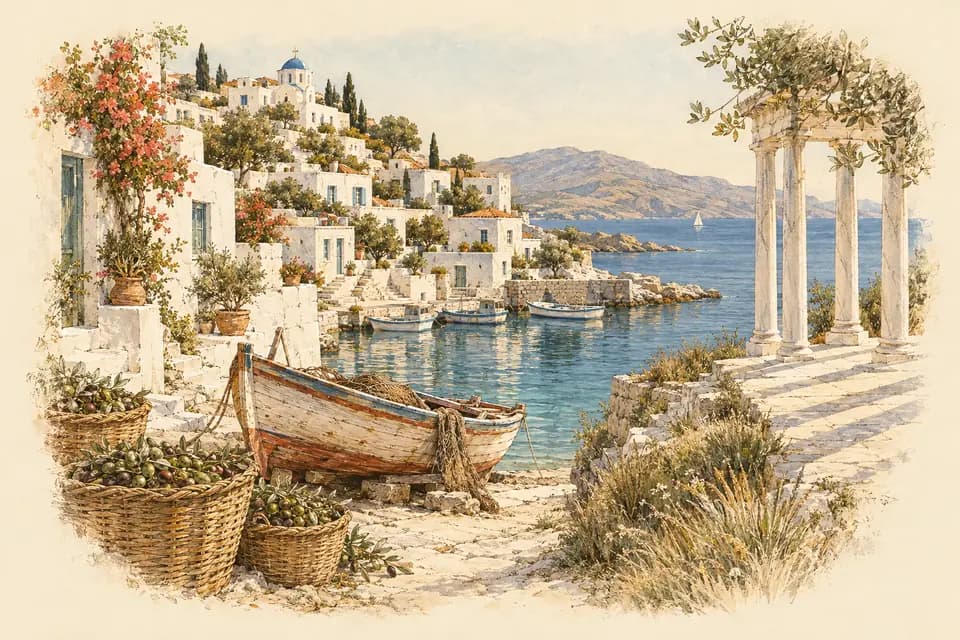 Ancient GreeceGenerate ancient Greek plots grounded in real history: plague years in Athens, chariot races at Olympia, the last days of a Bronze Age palace.
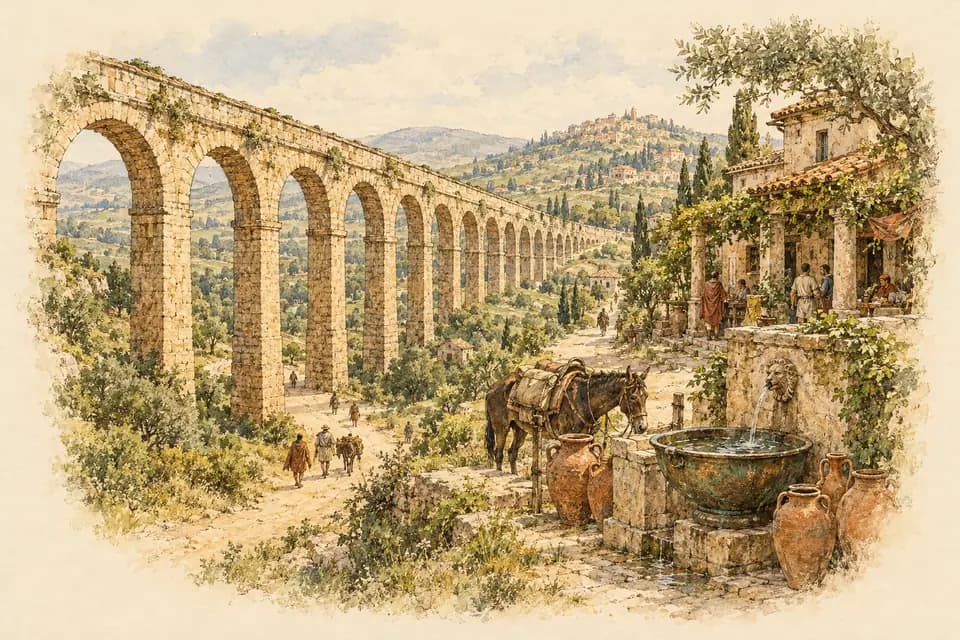 Ancient RomeGenerate plots from Rome's thousand years, from the last bloody elections of the Republic to the frontier forts of the Empire, each built around someone with a…
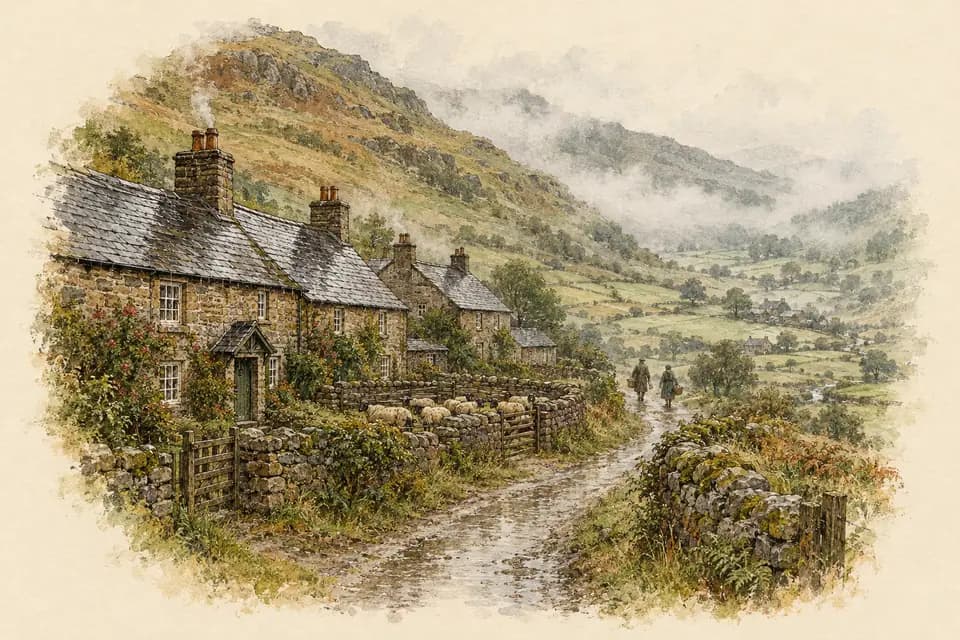 BritishGenerate plots from Britain's past, from Tudor priories to Victorian slums to the Blitz, built around someone placed exactly where class, religion or the crown…
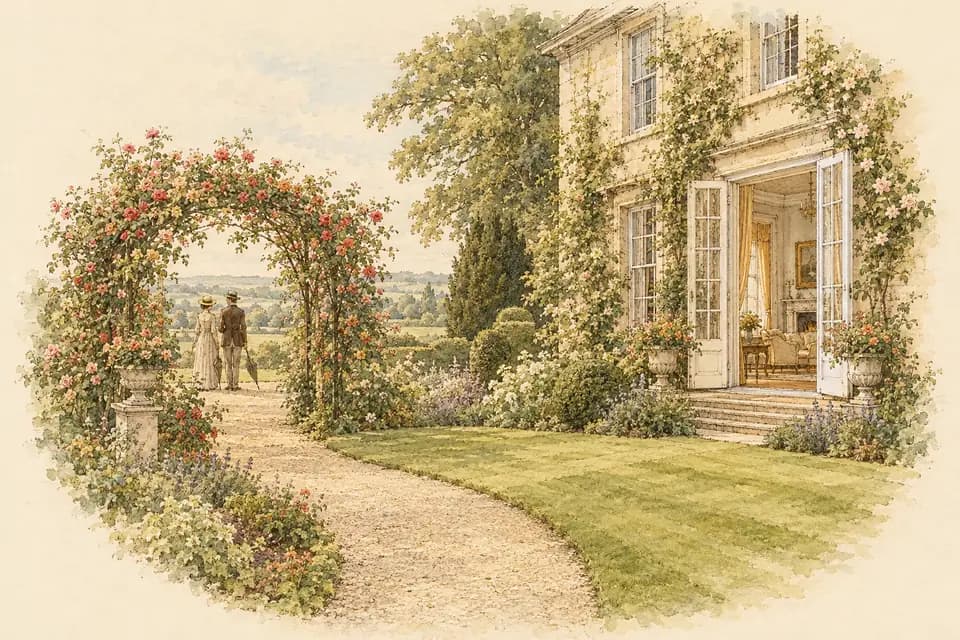 RegencyGenerate Regency plots with a real obstacle between the couple, whether an entail, a debt of honor or a brother at Waterloo, and a whole Season of watchful…
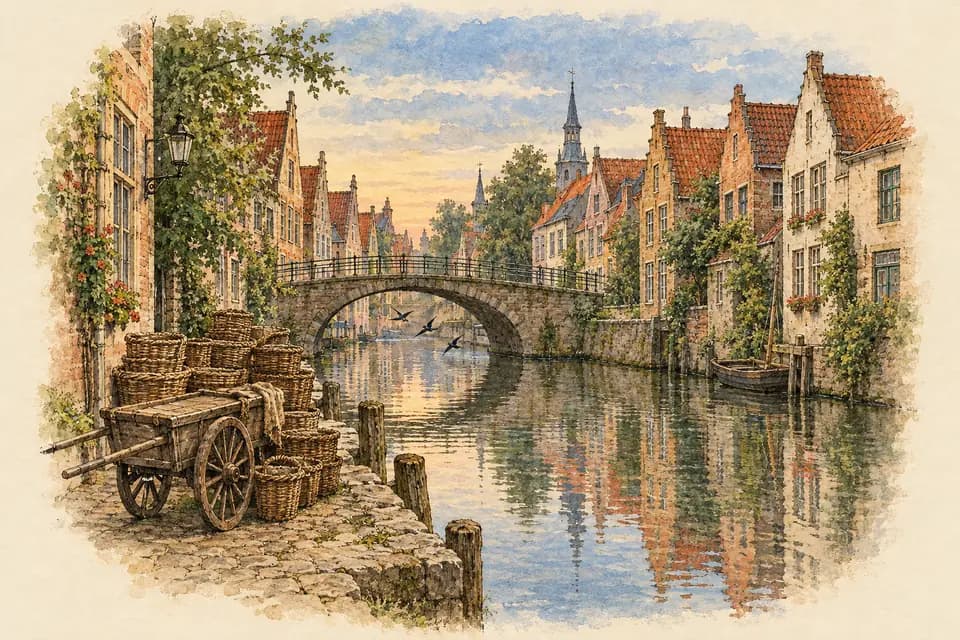 EuropeanGenerate plots from Europe's past, from Venetian glass furnaces to Habsburg courts to Weimar Berlin, built around a character whose language, faith or border…
 AsianGenerate plots set in Asia's past, from Song-dynasty exam halls to Joseon palaces to the Dutch post at Nagasaki, each tied to one place and one decade instead…
 AfricanGenerate plots from Africa's long past, from Swahili trading towns to the Asante court to apartheid Johannesburg, built around people with their own ambitions…
 AmericasGenerate plots from Latin America, the Caribbean and Canada: silver towns, sugar islands, fur posts and the revolutions that remade them, each with a…
 Australian & OceanianGenerate plots from Australia, Aotearoa New Zealand and the Pacific: convict ships, gold diggings, cane fields and the long reckoning between settlers and the…
 MedievalGenerate medieval plots tied to a real century and place, from Constantinople in 1204 to Essex in 1381, where oaths, tithes and harvests matter as much as any sword.
 BiographicalGenerate premises for novels about real people, built on what the records leave out: the missing year, the unsent letter, the person standing just outside the…
 Christian FictionGenerate plots for faith-centered historical novels, where a character's belief is tested by a real time and place, from Huguenot France to the Dust Bowl, and…
What Historical Fiction readers come for
Readers of historical fiction come for two things at once: a story they can't put down and the feeling of standing in a real place on a real date. They will forgive a slow opening sooner than a wrong detail. They want to close the book knowing something true about how people ate, prayed, married, worked and died, learned through a character who had no idea how it would all turn out.
The 22 subgenres here pull in different directions. World War I and II novels lean on moral choices under occupation and on the home front. Regency is manners and money, usually with a romance at the center. Ancient Rome, Greece and Egypt ask you to make a very distant mindset feel close. Civil War and American Revolution fiction argue with national myths. Biographical fiction works inside a real life, and Christian historical fiction tests a character's faith against their century.
Date the story to the year
History happens on specific days, and a plot should know which ones. Paris in May 1940 and Paris in August 1944 are different cities on the same streets. Markus Zusak's The Book Thief moves through Molching year by year from 1939, and each year changes what Liesel and her foster parents can risk.
Put your invented hero in harm's way
The classic move is a fictional character inside a real event, close enough to be hurt by it. Kristin Hannah's The Nightingale follows two sisters in occupied France: one keeps her home going with a German officer billeted in it, the other guides downed airmen over the Pyrenees. The war forces their choices, and they decide what those choices cost.
Mine your research for obstacles
Treat every fact you learn as a possible problem for a character. A ration book, a pass law, a dowry, a smallpox season or a three-week wait for a letter can block a want more convincingly than a villain. If a detail only decorates a scene, cut it or make it matter.
Check the words and the worldview
Anachronism hides in vocabulary. 'OK' first appears in print in 1839, so it has no place in a Tudor kitchen, and 'teenager' is a 20th-century word. Attitudes need the same care: a heroine can be ahead of her time, but the people around her should notice and push back.
Mark where fact ends
Decide early which liberties you'll take, and keep a list as you draft. Readers of the genre love an author's note that says what was real, what was compressed and what was invented. Colson Whitehead's The Underground Railroad turns the metaphor into an actual railroad under the ground, and the novel owns that choice openly instead of hiding it.
Questions about Historical Fiction plots
How long ago does a story have to be set to count as historical fiction?
The Historical Novel Society's working rule is that the novel is written at least 50 years after the events it describes, or by an author who wasn't alive at the time and knows them only through research. Publishers are looser, and many shelve stories set in the 1960s and 1970s as historical. If your readers need the period explained to them, you're writing historical fiction.
What word count do agents expect for a historical novel?
Most adult historical novels land between about 90,000 and 120,000 words. Debuts much above 130,000 are a harder sell, however rich the research. Historical romance and Christian historical fiction often run shorter, roughly 70,000 to 100,000.
How much research should I do before I start writing?
Enough to know the major events, the daily routines and the rules your character lives under, then start drafting. Scenes will show you what you still need to know, so leave a bracketed note and keep going rather than stopping for every fact. Do a full accuracy pass before anyone else reads the draft.
Can I change historical facts to suit my plot?
Small compressions are common, such as merging two minor officials into one character or moving an event by a few weeks, as long as you admit them in an author's note. Changing a famous outcome, like who won a war, turns the book into alternate history, which readers shelve and judge differently. The thing to avoid is an unflagged change that a knowledgeable reader will catch.
Plot generators for other genres
Found the plot? Write it.
Take it into Chapterly: outline it on a board, name the cast, and write chapter one tonight.
Plans from $9.99 a month. Cancel any time. Your words are always yours.