American Revolution Plot Generator
Generate American Revolution plots that look past the famous signatures: farm wives paid in British silver, printers working both sides, militiamen far from Boston. The samples and tips below treat the war as the civil war it also was.
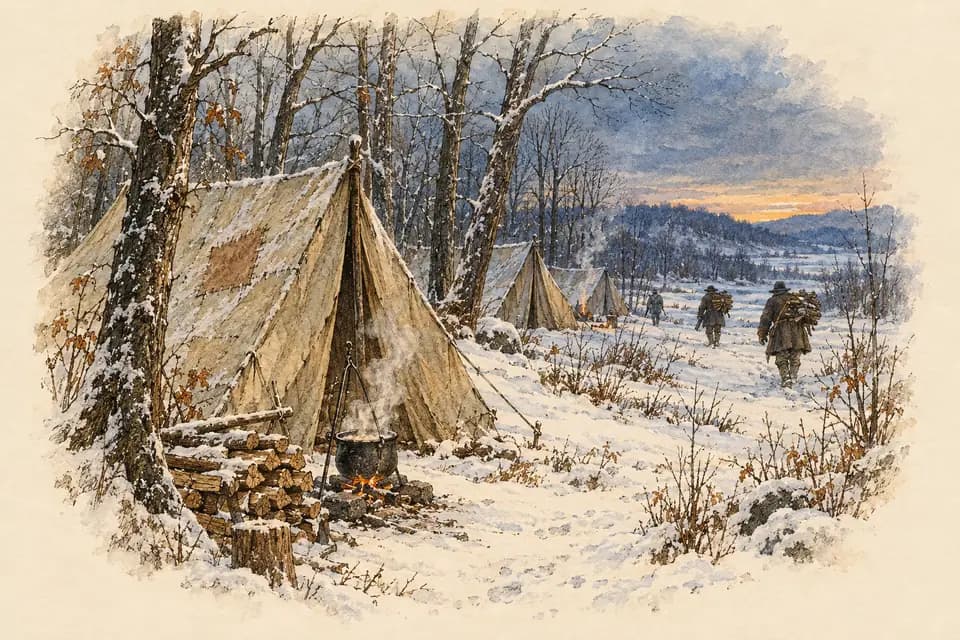
- Sample
Hard Money
Outside Philadelphia, December 1777. Since British troops took the city, Liesl Brunner has been selling her flour and butter to the occupiers for silver, because Continental paper won't pay her farm's debts. Her son is freezing at Valley Forge. The local militia has promised to hang anyone who trades with the enemy, and now a British commissary officer wants her to carry something into the city under her flour sacks.
- Sample
Free Militia
Spanish Louisiana, 1781. Joseph Bienvenu, a free Black militiaman from New Orleans, sails with Bernardo de Gálvez's army to besiege British Pensacola, hoping to earn the land his officers have promised. Inside the British lines is his brother, still enslaved to a planter who fled there. Joseph wants him free when the fort falls. The planter offers a trade: his brother's freedom for a sketch of the Spanish trenches.
- Sample
Both Sides of the Press
Boston, 1774. Nathaniel Pratt, a printer's apprentice with debts, sets type for patriot broadsides by day and loyalist ones by night, and he wants enough money to buy out his indenture. The game stops being funny when an anonymous sheet he printed names a family as informers, and a crowd tars and feathers their father. Now both sides want the author, and the author is paying Nathaniel to forget.
- Sample
The Loyalist's Love
A loyalist spy falls in love with a revolutionary's daughter. Their forbidden romance spirals into a tale of betrayal that could change the course of the war.
- Sample
Bonds of Freedom
A African American slave with dreams of freedom joins the Continental Army, using his intelligence and bravery to inspire his fellow soldiers and alter the course of history.
- Sample
Gears of Revolution
A renowned inventor uses his wits and creativity to design revolutionary weapons. However, he must outwit British spies who threaten his very life and the independence of the colonies.
- Sample
The Undiscovered Heroine
A determined woman disguises herself as a man and joins the fight for America's freedom. In the process, she becomes a leader, respected by all, with a secret she cannot share.
- Sample
The General's Journey
A war-wounded British general lost behind enemy lines finds unexpected alliances and tests his loyalty to the crown, all while confronting the harsh realities of a promising new world.
American Revolution: what makes the plot work
American Revolution fiction explores the struggle for independence, the birth of a nation, and the individuals who played key roles in this historic event.
Write it as a civil war
Many colonists were loyalists or tried to stay neutral, and neighbors informed on neighbors. Chains puts an enslaved girl in 1776 New York between her loyalist owners and the patriots she spies for, and neither side means to free her. A plot where every faction makes promises gives your protagonist real choices.
Keep the founders at the edges
Readers enjoy meeting famous men, but they rarely want them as the lead. In Johnny Tremain, a silversmith's apprentice with a ruined hand carries messages around Boston while Paul Revere, Samuel Adams and John Hancock pass through his life. Let the famous do what the record says, and give the invented choices to your own people.
Go where the war went
The war was fought in the Carolina backcountry, the Mohawk Valley, Quebec, the Gulf Coast and at sea, not only around Boston and Philadelphia. Drums Along the Mohawk follows a young couple farming the New York frontier through raids and the burning of their home. Frontier and Southern campaigns give you fresh ground and messier loyalties.
Use the gaps in the news
Express riders took days to carry news between colonies and longer to reach the frontier, and word from London took a month or more. Fighting went on after Yorktown in October 1781, including the Battle of Blue Licks in Kentucky in August 1782. Characters acting on old news give you irony and danger at once.
More Historical Fiction plot generators
Or see the whole shelf: Historical Fiction plot ideas.
 World War 2Generate World War II plots built on a real front, a real year and a person with something to hide.
 World War 1Generate World War I plots that start in the mud and reach well past it: field hospitals, shell-filling sheds, Mesopotamia, the Armistice and the influenza…
 United StatesGenerate plots from American history that start with a region, a law and a person it squeezes.
 20th CenturyGenerate plots set in the century of telegrams, newsreels, partitions and moon suits.
 19th CenturyGenerate 19th century plots driven by what moved that century: wills and railway shares, gold fields and cotton mills, gaslight and the telegraph.
 18th CenturyGenerate 18th century plots built from the period's own machinery: bills of exchange, press gangs, lotteries, pamphlets and slow ships.
 Civil WarGenerate Civil War plots that put a person on a real road, in a real siege or on a real date between Fort Sumter and Reconstruction.
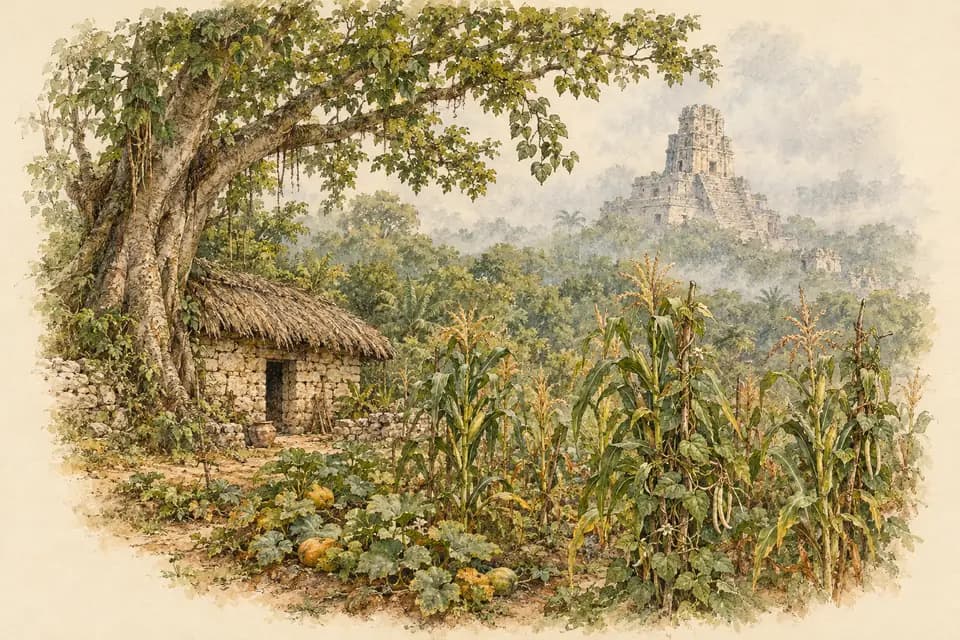 Ancient AmericasGenerate plots set in the Americas before the conquest: Mexica merchants, Maya courts, Inca record keepers and the great houses of Chaco Canyon.
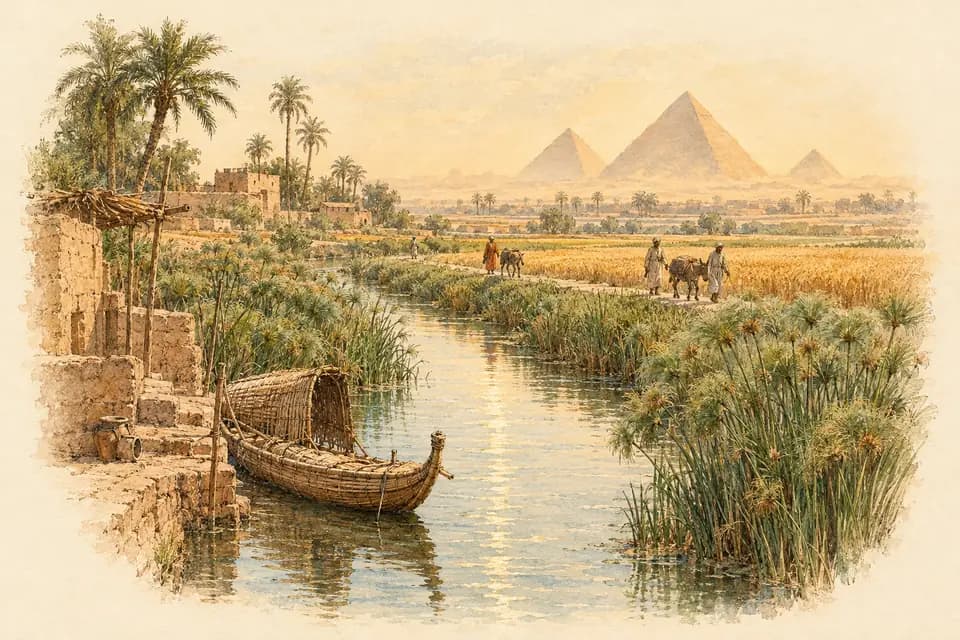 Ancient EgyptGenerate ancient Egypt plots from three thousand years of history, from the crews who hauled stone at Giza to the copyists of Ptolemaic Alexandria.
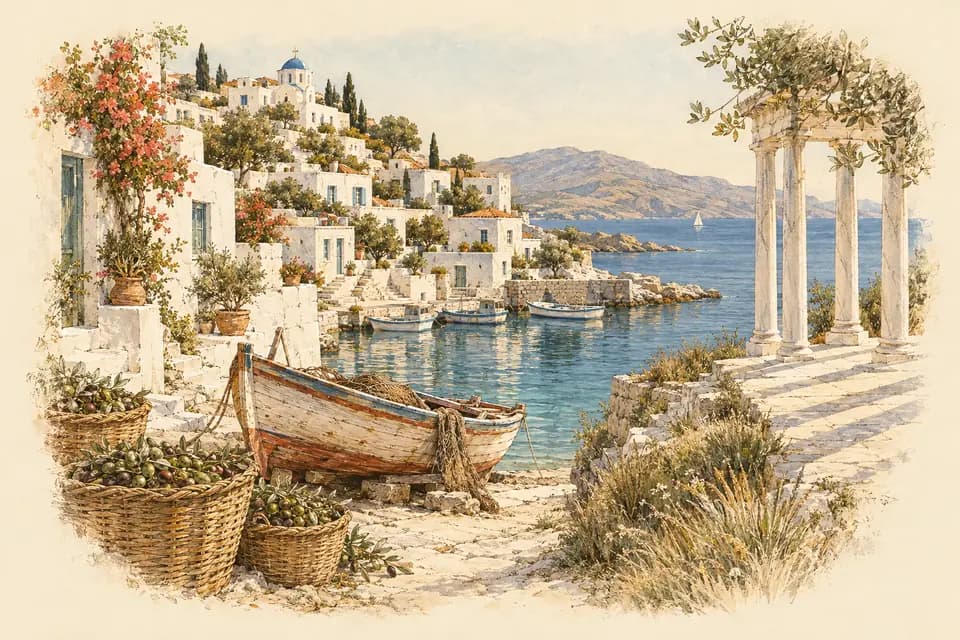 Ancient GreeceGenerate ancient Greek plots grounded in real history: plague years in Athens, chariot races at Olympia, the last days of a Bronze Age palace.
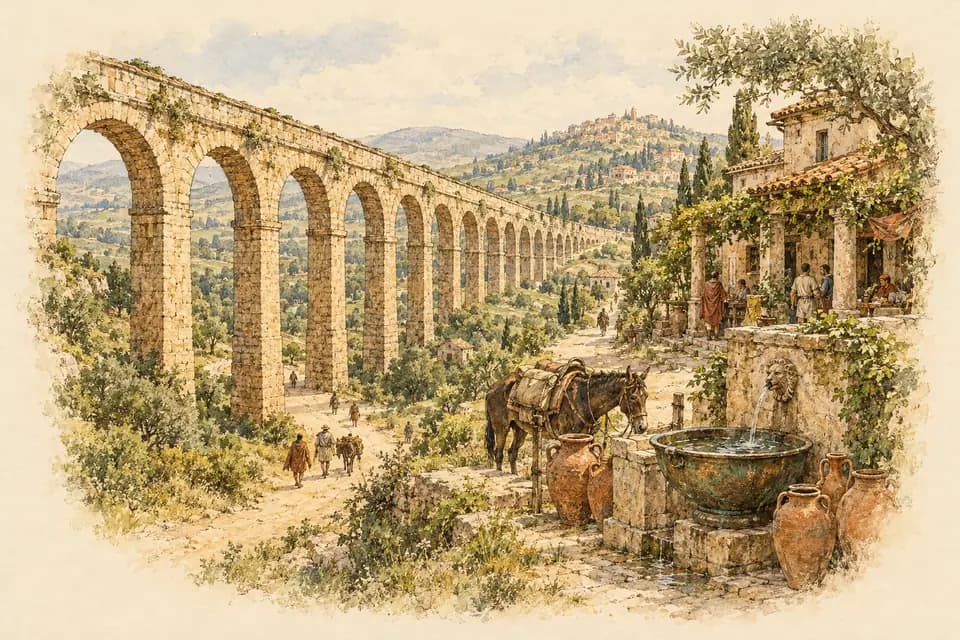 Ancient RomeGenerate plots from Rome's thousand years, from the last bloody elections of the Republic to the frontier forts of the Empire, each built around someone with a…
 BritishGenerate plots from Britain's past, from Tudor priories to Victorian slums to the Blitz, built around someone placed exactly where class, religion or the crown…
 RegencyGenerate Regency plots with a real obstacle between the couple, whether an entail, a debt of honor or a brother at Waterloo, and a whole Season of watchful…
 EuropeanGenerate plots from Europe's past, from Venetian glass furnaces to Habsburg courts to Weimar Berlin, built around a character whose language, faith or border…
 AsianGenerate plots set in Asia's past, from Song-dynasty exam halls to Joseon palaces to the Dutch post at Nagasaki, each tied to one place and one decade instead…
 AfricanGenerate plots from Africa's long past, from Swahili trading towns to the Asante court to apartheid Johannesburg, built around people with their own ambitions…
 AmericasGenerate plots from Latin America, the Caribbean and Canada: silver towns, sugar islands, fur posts and the revolutions that remade them, each with a…
 Australian & OceanianGenerate plots from Australia, Aotearoa New Zealand and the Pacific: convict ships, gold diggings, cane fields and the long reckoning between settlers and the…
 MedievalGenerate medieval plots tied to a real century and place, from Constantinople in 1204 to Essex in 1381, where oaths, tithes and harvests matter as much as any sword.
 BiographicalGenerate premises for novels about real people, built on what the records leave out: the missing year, the unsent letter, the person standing just outside the…
 Christian FictionGenerate plots for faith-centered historical novels, where a character's belief is tested by a real time and place, from Huguenot France to the Dust Bowl, and…
Questions about American Revolution plots
What years does American Revolution fiction cover?
The fighting ran from Lexington and Concord in April 1775 to the Treaty of Paris in September 1783. Many novels start earlier, with the Stamp Act of 1765 or the Boston Massacre of 1770, and some follow loyalists into exile in Canada or Britain after the war.
Can my protagonist be a loyalist?
Yes. A loyalist lead lets you show mob violence, confiscated property and the British evacuation of New York in November 1783 from the losing side. Readers will follow them if their reasons are personal and believable.
How accurate do battle details need to be?
Accurate enough that a reenactor wouldn't wince. Check the date, weather, units and terrain for any real engagement, and how a musket was loaded and fired. If your plot needs freedom, invent a skirmish rather than bending a famous battle.
Found the plot? Write it.
Take it into Chapterly: outline it on a board, name the cast, and write chapter one tonight.
Plans from $9.99 a month. Cancel any time. Your words are always yours.