20th Century Plot Generator
Generate plots set in the century of telegrams, newsreels, partitions and moon suits. Each one ties a person's private want to the year their world changed, so the history arrives through a door they have to open.
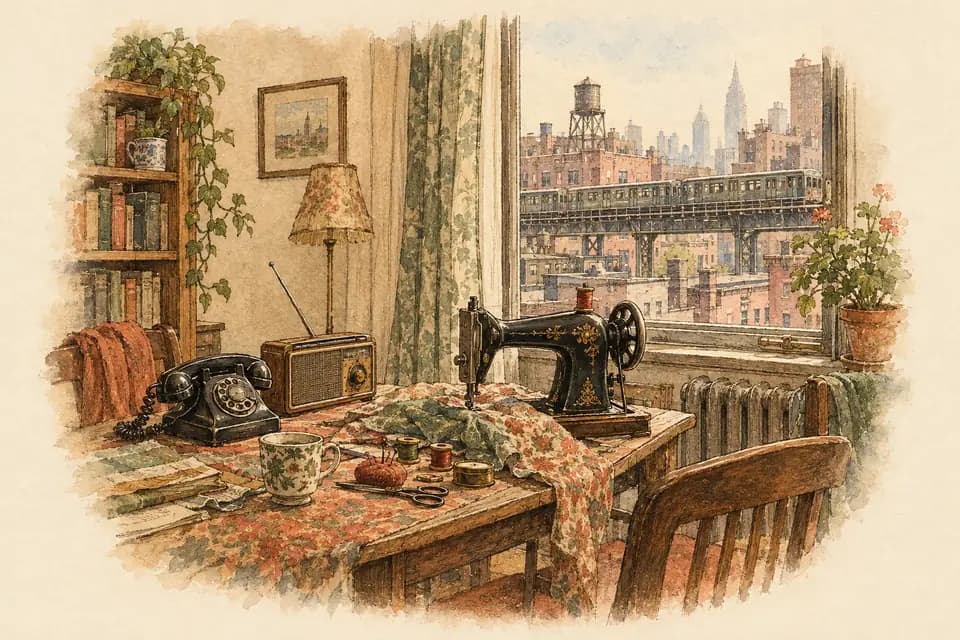
- Sample
Stitches per Inch
Dover, Delaware, 1968. Bernice Lowry sews Apollo spacesuits at a company better known for bras and girdles, and she wants the inspector's job that has never gone to a woman on her line. Two weeks before a suit ships to Houston, she finds a seam her best friend signed off that is a sixteenth of an inch out of tolerance. Reporting it will cost her friend the job, and maybe both of them the program.
- Sample
The Commission Draft
New Delhi, August 1947. Harjit Kaur types for the commission drawing the new border through Punjab, and she wants her family safely settled before it is announced. One afternoon she sees a draft map that puts their village on the Pakistani side. Warning them could get her arrested as a leaker and start a panic in the village. Staying silent might be worse, and on the next draft the line has moved again.
- Sample
Shredder
Leipzig, autumn 1989. Ute Brandt files reports for the Stasi, and one of those reports is her own: in 1983 she informed on her brother, Kai. As the Monday demonstrations swell, the ministry starts destroying files, and Ute wants hers gone first. On 4 December, citizens occupy the building to stop the shredding. Kai is among them, and he is heading for the archive.
- Sample
Time Inked in Tears
Set against the backdrop of 1940s New York, a fledgling Irish immigrant stumbles upon a time-travel notebook that sends him racing to prevent the sinking of the Titanic. He struggles through the paradox of time travel, love and destiny in the twisted threads of history.
- Sample
Harlem Rhapsody
Amidst the racial turmoil during the Harlem Renaissance, a prodigious young musician is chosen by an ancient Spirit. His supernatural ability to bring paintings to life puts him at the crossroads of America's cultural upheaval.
- Sample
The Renegade Anne
In Nazi-occupied France, a Jewish girl joins the French Resistance, becoming a master of disguise. As she orchestrates the downfall of key Nazi officers, her deepest secret is her uncanny resemblance to Anne Frank.
- Sample
Vines of Valor
In 1908, after surviving a disastrous earthquake in Sicily, an enterprising young woman embarks on a journey to America. She rises to power in the cutthroat world of wine-making in Napa Valley, battling gender norms, natural disasters, and ruthless competitors.
- Sample
The Neon Samurai
In the 1980s Japan, an disgraced Yakuza member must reclaim his honor by outplaying his rivals in the emerging technology market, using his crime world insights. A tale of redemption, electronics, and the strength of family bonds.
20th Century: what makes the plot work
20th Century fiction often explores the rapid changes in society, technology, and global dynamics that defined this period.
Find a container for the decades
A long century is easier to plot when one place stays put while history passes through it. A Gentleman in Moscow keeps Count Rostov under house arrest in the Metropol Hotel from 1922 into the 1950s, and Soviet history arrives with the guests. A shop, a theater or a single apartment can do the same job.
Make each decade's technology cost something
A telegram took hours, a long-distance call went through an operator, and a carbon copy could sink a career. Plot the delays and paper trails your characters actually lived with. The Amazing Adventures of Kavalier & Clay builds its plot from the comic book business of the late 1930s and 1940s, right down to who owns the rights to a hero.
Pick the hinge years in a saga
Multigenerational stories are common in this period, and they go slack when every year gets equal time. Pachinko runs from Korea in the early 1900s to Japan in 1989, but it leaps across decades and lingers on the moments when the family's legal status, money or loyalty is tested.
Make hindsight a character's problem
Your reader knows how the 1930s ended. Your characters did not, and some made choices they later had to explain. The Remains of the Day is set in 1956 as a butler recalls serving a lord who courted Nazi Germany between the wars, and the gap between what he saw and what he admits is the story.
More Historical Fiction plot generators
Or see the whole shelf: Historical Fiction plot ideas.
 World War 2Generate World War II plots built on a real front, a real year and a person with something to hide.
 World War 1Generate World War I plots that start in the mud and reach well past it: field hospitals, shell-filling sheds, Mesopotamia, the Armistice and the influenza…
 United StatesGenerate plots from American history that start with a region, a law and a person it squeezes.
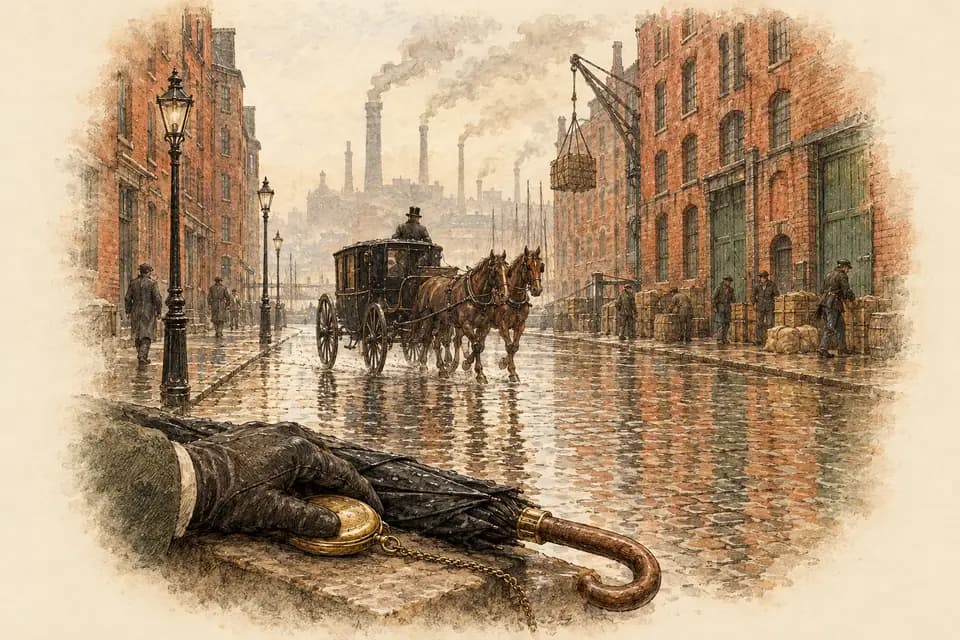 19th CenturyGenerate 19th century plots driven by what moved that century: wills and railway shares, gold fields and cotton mills, gaslight and the telegraph.
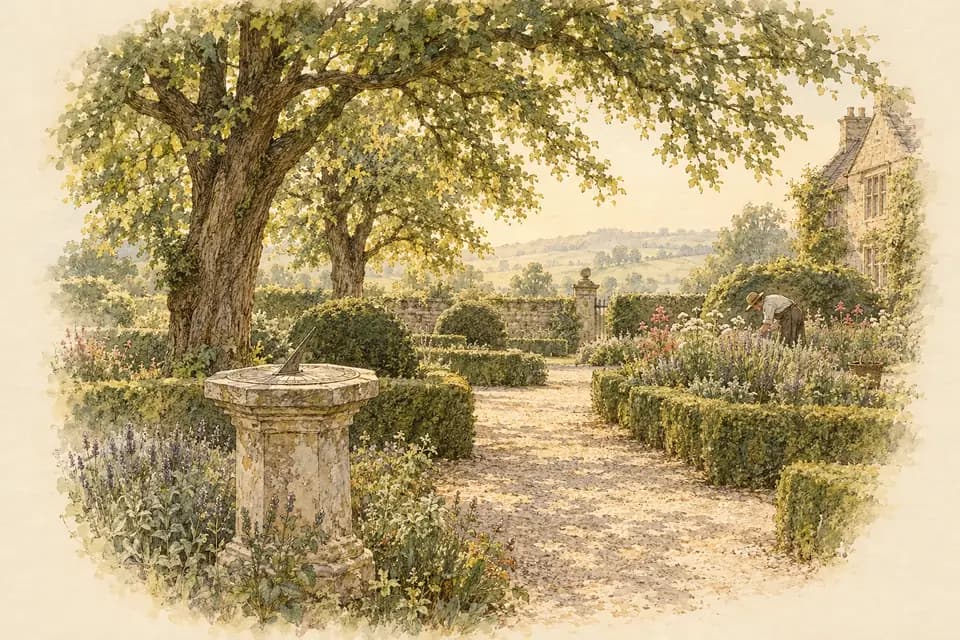 18th CenturyGenerate 18th century plots built from the period's own machinery: bills of exchange, press gangs, lotteries, pamphlets and slow ships.
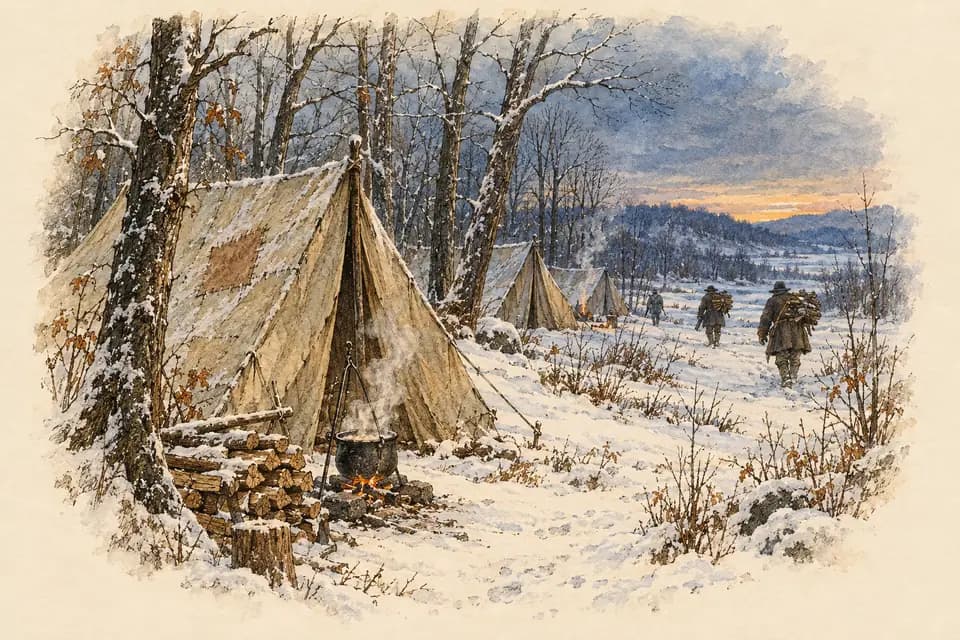 American RevolutionGenerate American Revolution plots that look past the famous signatures: farm wives paid in British silver, printers working both sides, militiamen far from Boston.
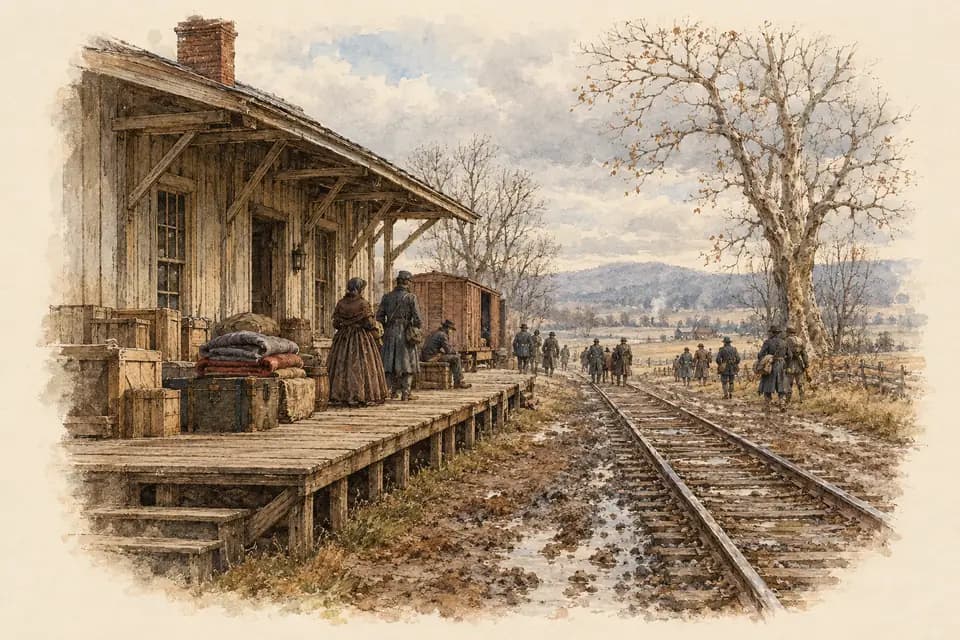 Civil WarGenerate Civil War plots that put a person on a real road, in a real siege or on a real date between Fort Sumter and Reconstruction.
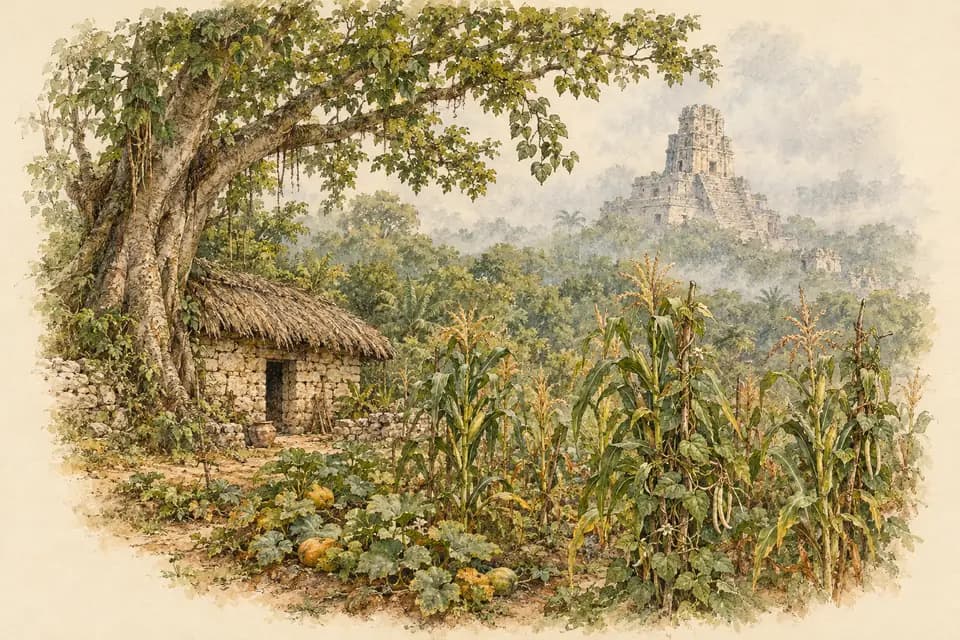 Ancient AmericasGenerate plots set in the Americas before the conquest: Mexica merchants, Maya courts, Inca record keepers and the great houses of Chaco Canyon.
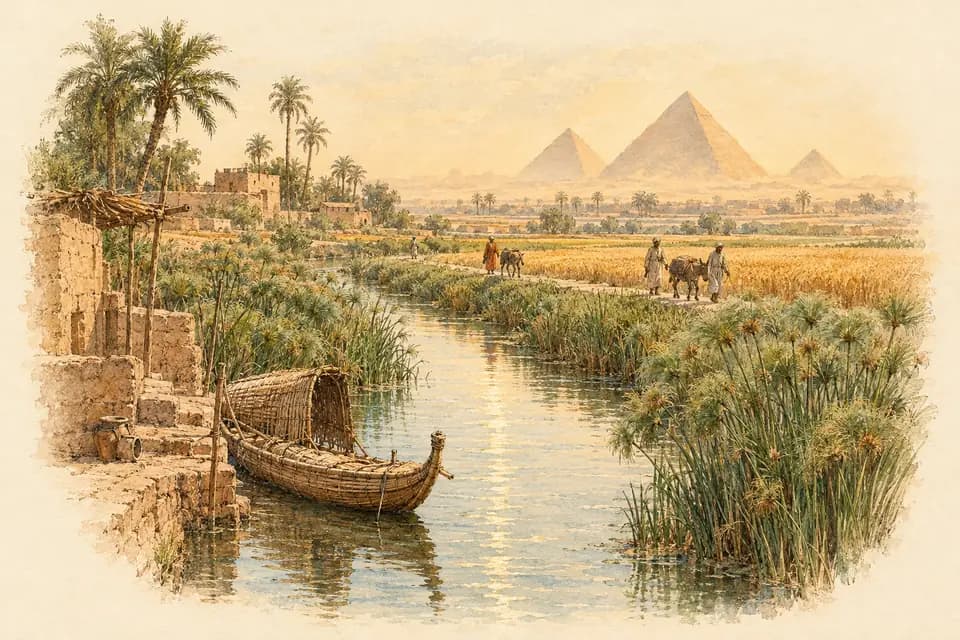 Ancient EgyptGenerate ancient Egypt plots from three thousand years of history, from the crews who hauled stone at Giza to the copyists of Ptolemaic Alexandria.
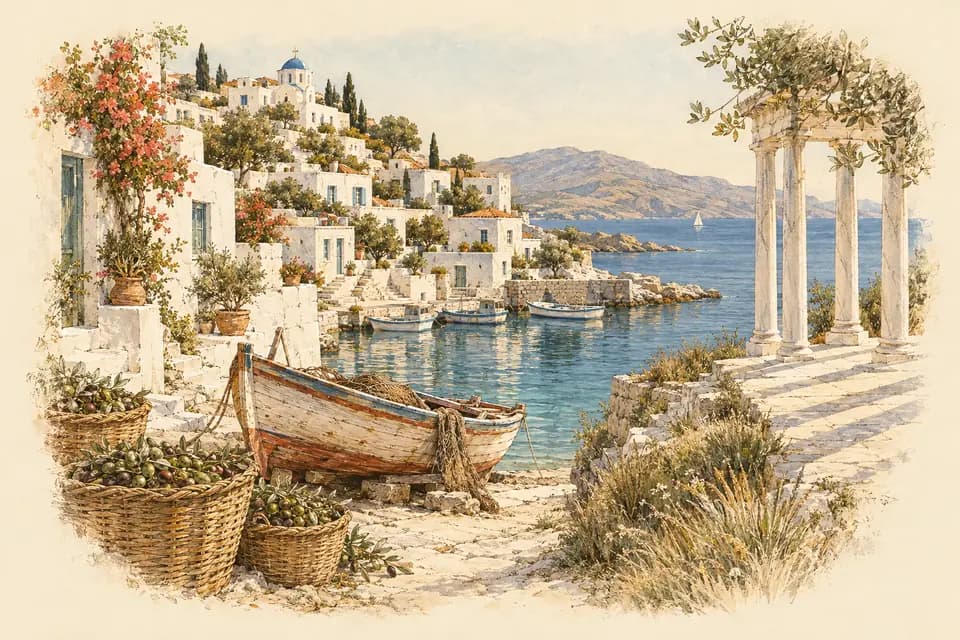 Ancient GreeceGenerate ancient Greek plots grounded in real history: plague years in Athens, chariot races at Olympia, the last days of a Bronze Age palace.
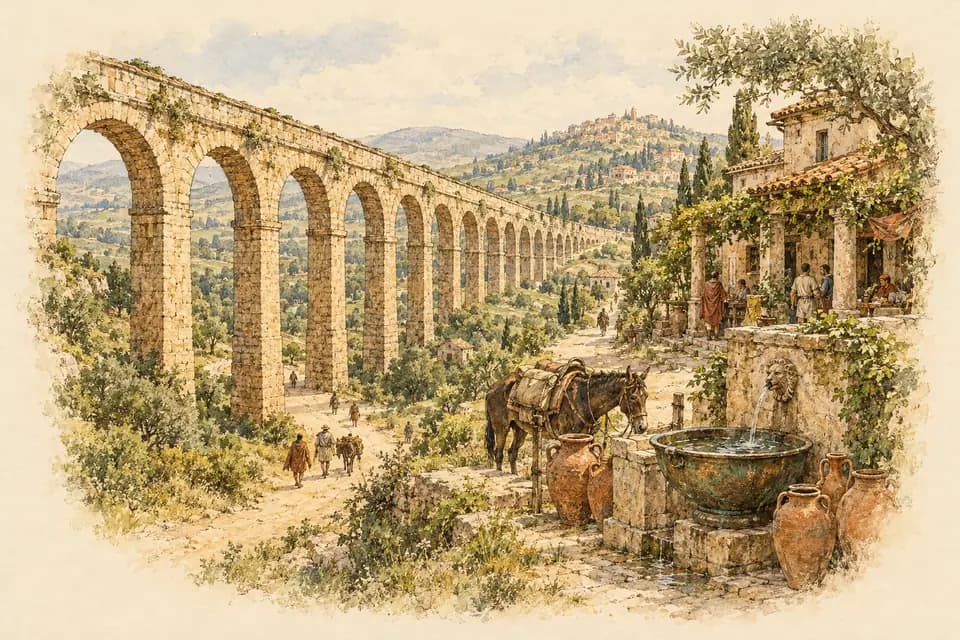 Ancient RomeGenerate plots from Rome's thousand years, from the last bloody elections of the Republic to the frontier forts of the Empire, each built around someone with a…
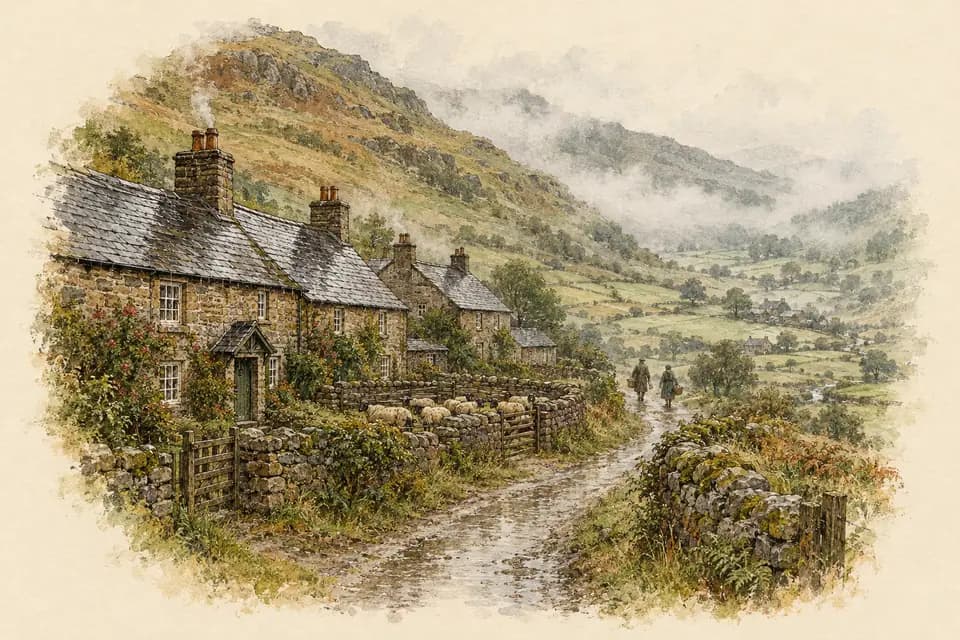 BritishGenerate plots from Britain's past, from Tudor priories to Victorian slums to the Blitz, built around someone placed exactly where class, religion or the crown…
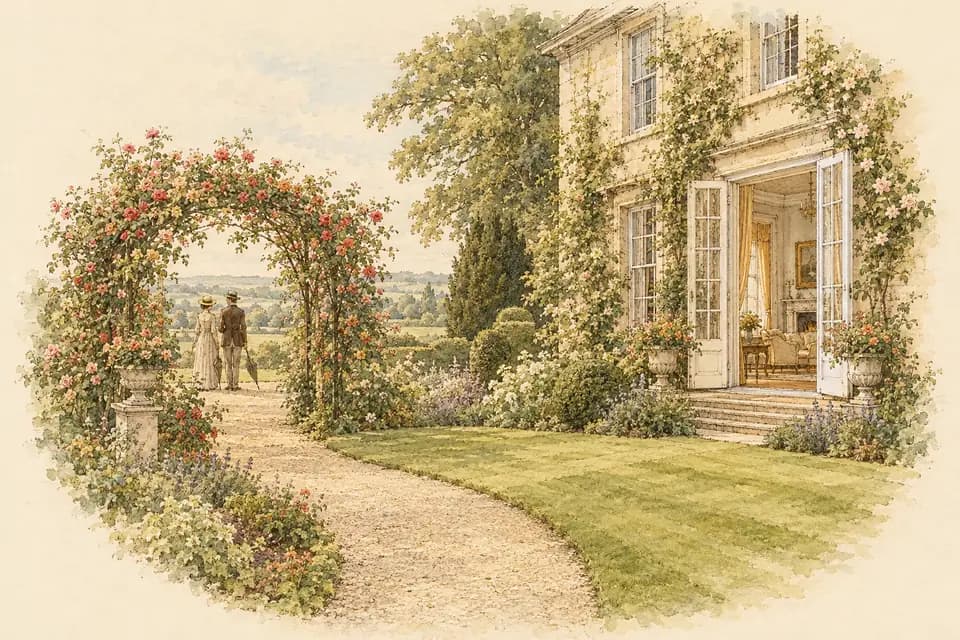 RegencyGenerate Regency plots with a real obstacle between the couple, whether an entail, a debt of honor or a brother at Waterloo, and a whole Season of watchful…
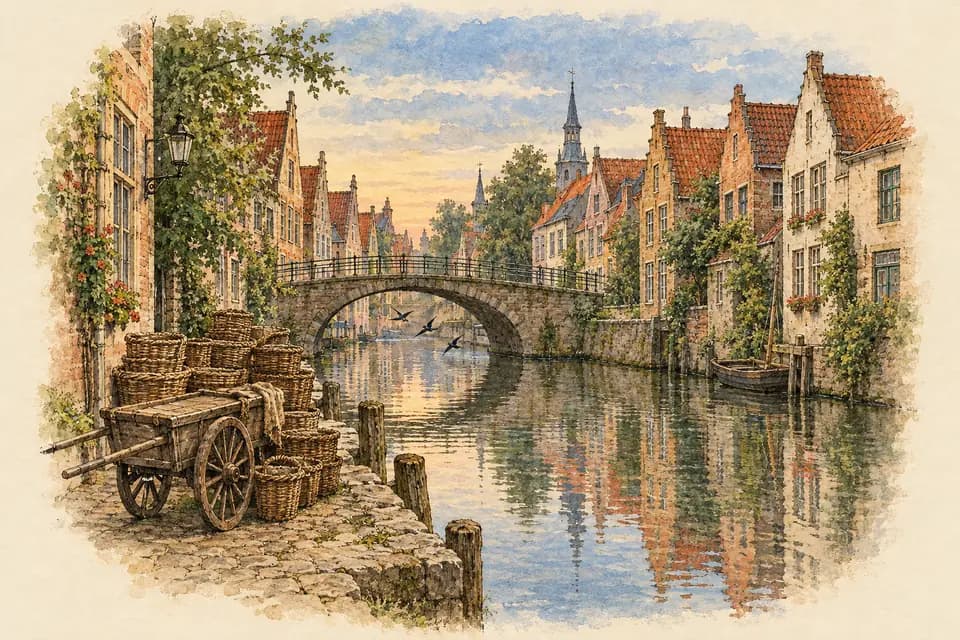 EuropeanGenerate plots from Europe's past, from Venetian glass furnaces to Habsburg courts to Weimar Berlin, built around a character whose language, faith or border…
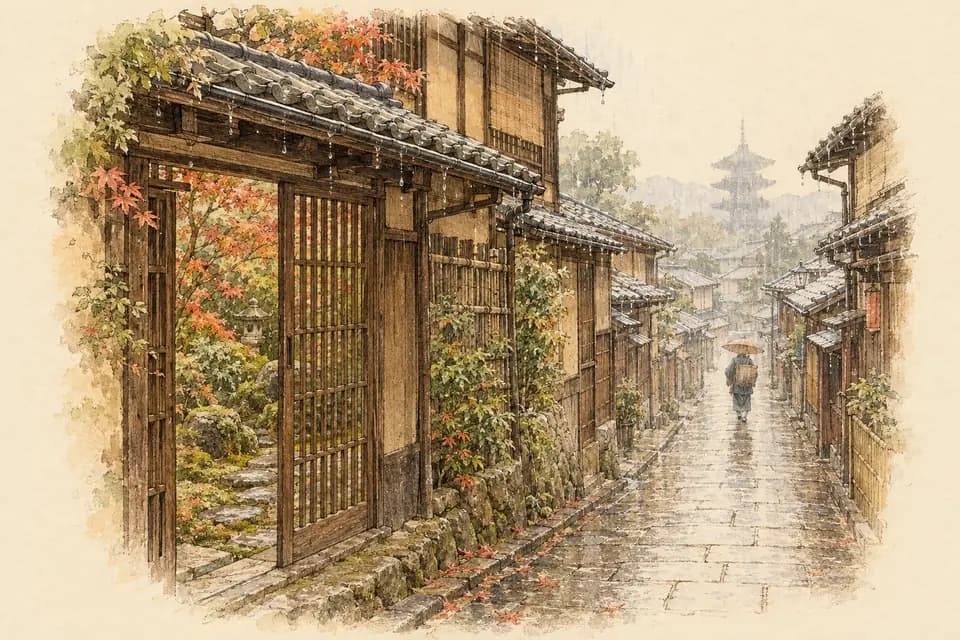 AsianGenerate plots set in Asia's past, from Song-dynasty exam halls to Joseon palaces to the Dutch post at Nagasaki, each tied to one place and one decade instead…
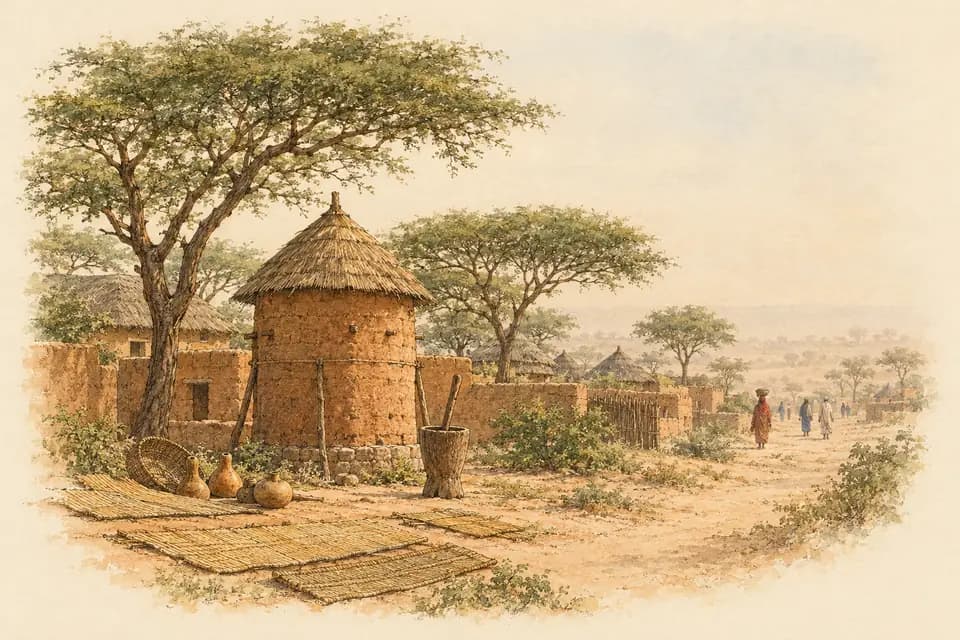 AfricanGenerate plots from Africa's long past, from Swahili trading towns to the Asante court to apartheid Johannesburg, built around people with their own ambitions…
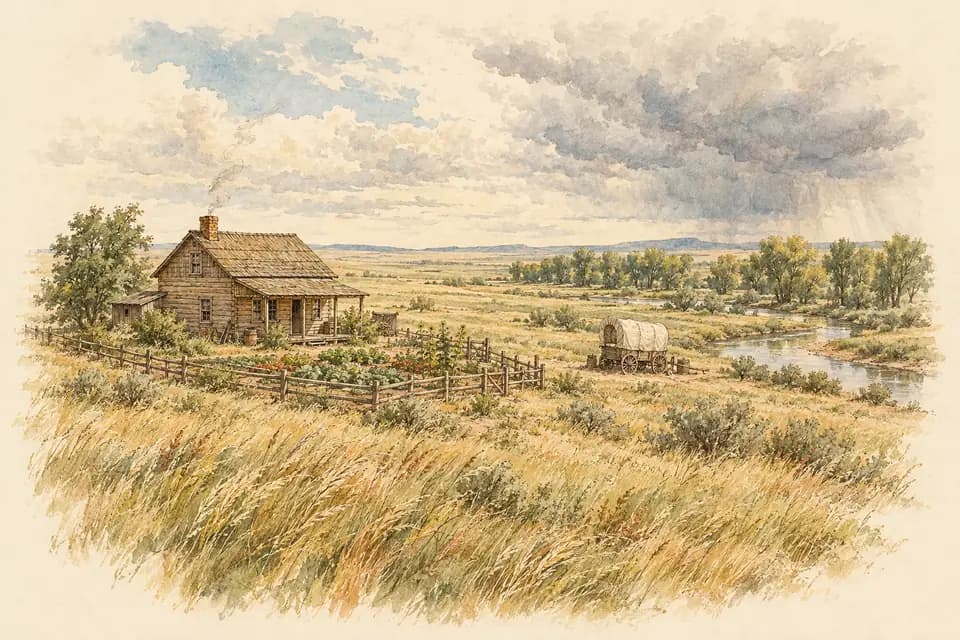 AmericasGenerate plots from Latin America, the Caribbean and Canada: silver towns, sugar islands, fur posts and the revolutions that remade them, each with a…
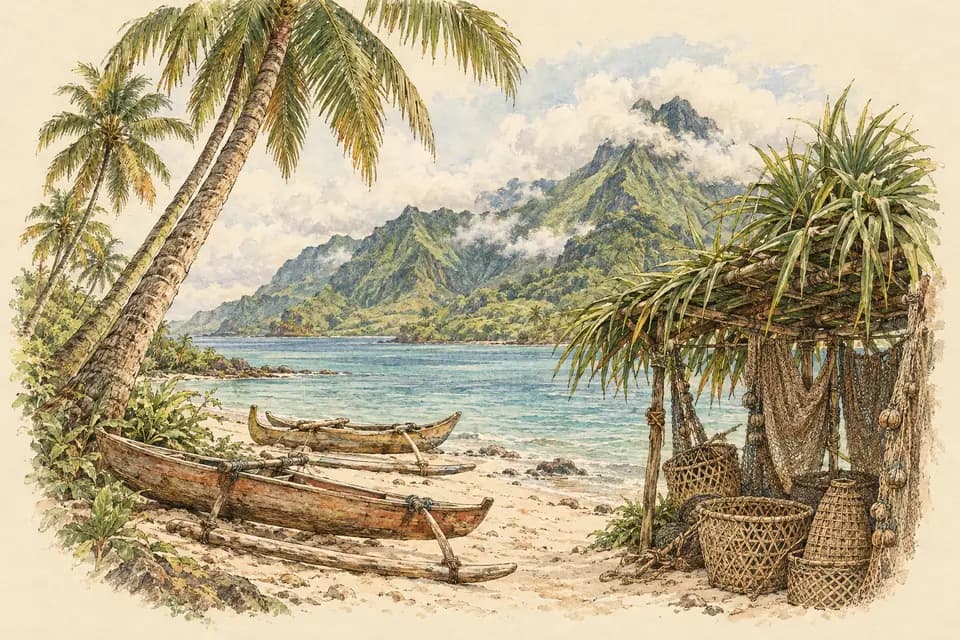 Australian & OceanianGenerate plots from Australia, Aotearoa New Zealand and the Pacific: convict ships, gold diggings, cane fields and the long reckoning between settlers and the…
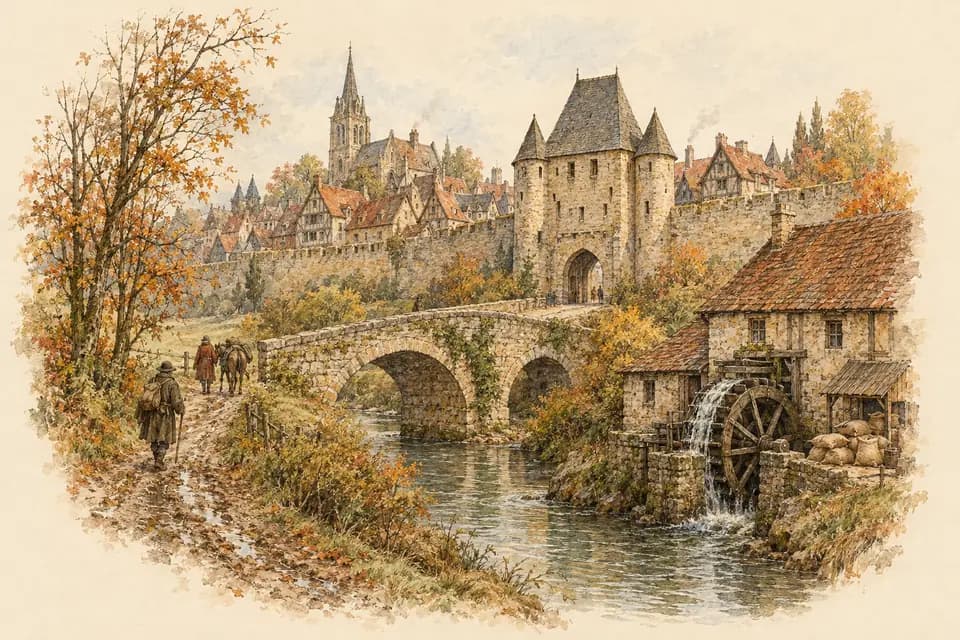 MedievalGenerate medieval plots tied to a real century and place, from Constantinople in 1204 to Essex in 1381, where oaths, tithes and harvests matter as much as any sword.
 BiographicalGenerate premises for novels about real people, built on what the records leave out: the missing year, the unsent letter, the person standing just outside the…
 Christian FictionGenerate plots for faith-centered historical novels, where a character's belief is tested by a real time and place, from Huguenot France to the Dust Bowl, and…
Names, a first scene and a title
Questions about 20th Century plots
How recent can historical fiction be?
The Historical Novel Society's working definition is a novel written at least fifty years after the events it describes, or by someone who wasn't alive then and approached them through research. By that rule, books set in the mid-1970s and earlier now count. Bookstores are less consistent, so check where comparable novels are shelved.
Can I put real 20th century people in my novel?
Yes, and many novels do. In the US, fiction featuring public figures is generally allowed, but inventing damaging facts about a living person can invite a defamation claim. Many writers keep real people to the public scenes where they're documented and give the private, invented moments to fictional characters.
How do I keep big public events from reading like a textbook?
Show them at the size one person experienced them: a radio in a kitchen, a line at a bank, a crowd too far away to see. Cut every fact the character couldn't know that day. The event should change what your protagonist wants, not just what they're watching.
Found the plot? Write it.
Take it into Chapterly: outline it on a board, name the cast, and write chapter one tonight.
Plans from $9.99 a month. Cancel any time. Your words are always yours.