Biographical Plot Generator
Generate premises for novels about real people, built on what the records leave out: the missing year, the unsent letter, the person standing just outside the famous frame.

- Sample
Second Fiddle to the Stars
Bath, 1772. Caroline Herschel arrives from Hanover expecting her brother William to train her as a concert singer. Instead his telescopes take over the house, and she spends her nights writing down what he sees. She wants a voice of her own, in either sense. In 1786, with William away in Germany, she finds a comet herself and has to decide how loudly to claim it.
- Sample
The Navigator's Share
The Arctic, 1909. Matthew Henson has spent more than twenty years at Robert Peary's side, speaks the language of the Greenland Inuit who make the expedition possible and drives the sledges north. On April 6, he and Peary reach the spot they claim is the North Pole. On the voyage home Peary barely speaks to him, and the newspapers are given only one name.
- Sample
The Widow's Fleet
South China coast, 1810. Since her husband Zheng Yi died three years ago, Zheng Yi Sao has commanded the Red Flag Fleet, tens of thousands of pirates, and married his adopted heir, Zhang Bao. Now the Qing court is offering amnesty. She wants her people alive and her wealth intact, so she sails to Canton to negotiate in person, bringing the fleet's women and children with her.
- Sample
The Undying Melody
Monika Schaffer, a fierce Jewish pianist, deceives the commandant of a Nazi concentration camp with her music, orchestrating a suspenseful escape.
- Sample
Way of the Peacemaker
In a divided post-colonial India, a courageous Muslim prince struggles to secure peace by forging a unity between clashing Hindu and Muslim kingdoms.
- Sample
The Lone Samurai
Depicting the life of samurai Miyamoto Musashi, who created his own sword-fighting style and became known as one of Japan's greatest swordsmen in the 17th century.
- Sample
The Star of Freedom
Topaz, a young slave girl in the 19th century, rises to become a successful underground railroader, leading countless other slaves to freedom.
- Sample
The War Poet
Amid the harrowing trenches of World War I, a British soldier turned poet uses his verse to inspire his comrades and challenge the wartime propaganda.
Biographical: what makes the plot work
Biographical fiction offers a glimpse into the lives, struggles, and achievements of real people who have left their mark on history.
Write into the gap in the record
The richest material is often what the documents skip. Maggie O'Farrell's Hamnet builds a novel from the barely recorded death of Shakespeare's son in 1596, centers his mother, Agnes, and never names the famous playwright at all. Look for a lost year, a missing letter or a silence your subject never explained.
Stand beside the famous person
Telling a life through a spouse, sibling, servant or rival gives you freedom and a fresh angle. Paula McLain's The Paris Wife follows Hadley Richardson through her marriage to Ernest Hemingway in 1920s Paris, so readers meet the famous writer through the woman he left. That witness needs wants of her own.
Cover a few years, not a life
Birth-to-death structure flattens a life into a list. Colm Tóibín's The Master covers only a few years of Henry James's life, from 1895 to 1899, beginning with the humiliating opening night of his play Guy Domville. Choose the years when your subject wanted something badly and might not get it.
Show your seams in an author's note
Readers of biographical fiction want to know what really happened, and many will look it up. A clear note saying which scenes are documented, which are compressed and which are invented builds trust. It also protects you when someone who knows your subject's letters better than you do writes in.
More Historical Fiction plot generators
Or see the whole shelf: Historical Fiction plot ideas.
 World War 2Generate World War II plots built on a real front, a real year and a person with something to hide.
 World War 1Generate World War I plots that start in the mud and reach well past it: field hospitals, shell-filling sheds, Mesopotamia, the Armistice and the influenza…
 United StatesGenerate plots from American history that start with a region, a law and a person it squeezes.
 20th CenturyGenerate plots set in the century of telegrams, newsreels, partitions and moon suits.
 19th CenturyGenerate 19th century plots driven by what moved that century: wills and railway shares, gold fields and cotton mills, gaslight and the telegraph.
 18th CenturyGenerate 18th century plots built from the period's own machinery: bills of exchange, press gangs, lotteries, pamphlets and slow ships.
 American RevolutionGenerate American Revolution plots that look past the famous signatures: farm wives paid in British silver, printers working both sides, militiamen far from Boston.
 Civil WarGenerate Civil War plots that put a person on a real road, in a real siege or on a real date between Fort Sumter and Reconstruction.
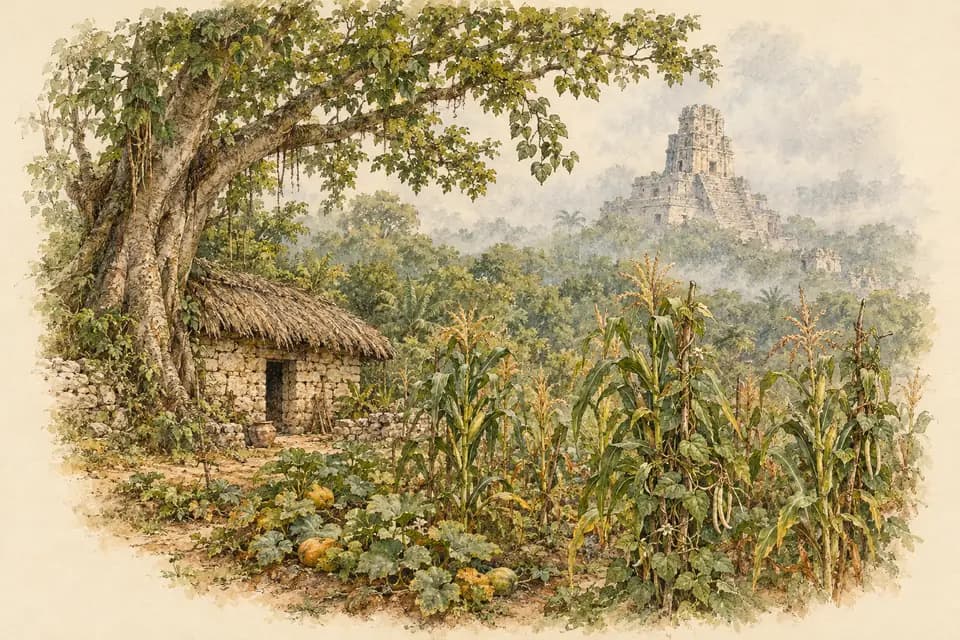 Ancient AmericasGenerate plots set in the Americas before the conquest: Mexica merchants, Maya courts, Inca record keepers and the great houses of Chaco Canyon.
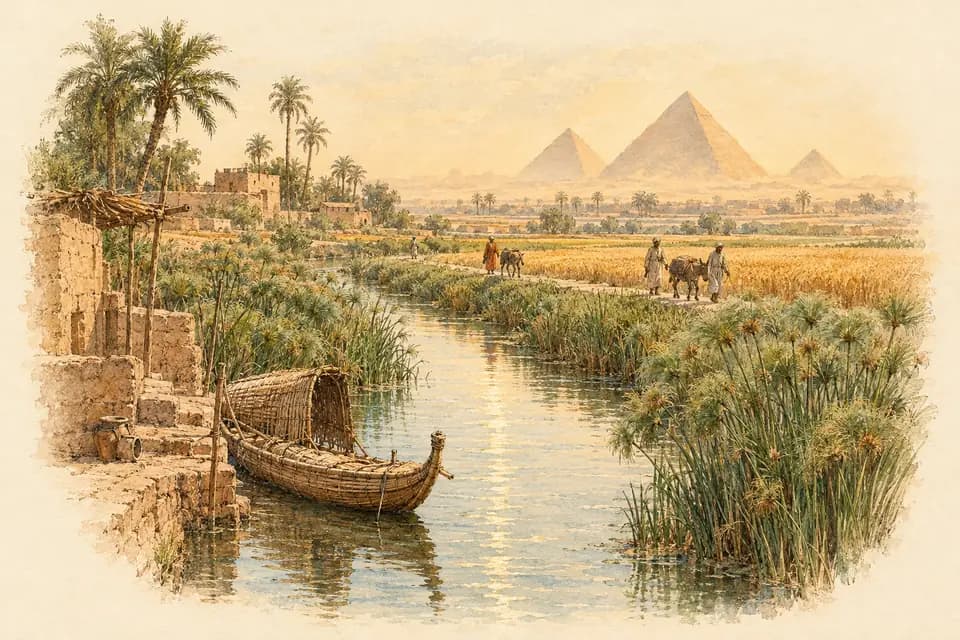 Ancient EgyptGenerate ancient Egypt plots from three thousand years of history, from the crews who hauled stone at Giza to the copyists of Ptolemaic Alexandria.
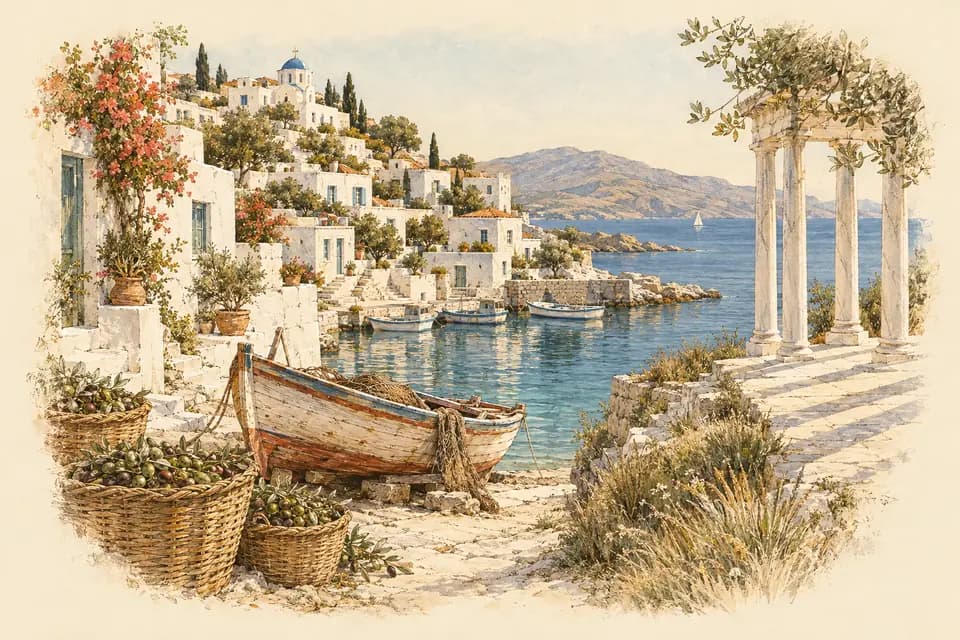 Ancient GreeceGenerate ancient Greek plots grounded in real history: plague years in Athens, chariot races at Olympia, the last days of a Bronze Age palace.
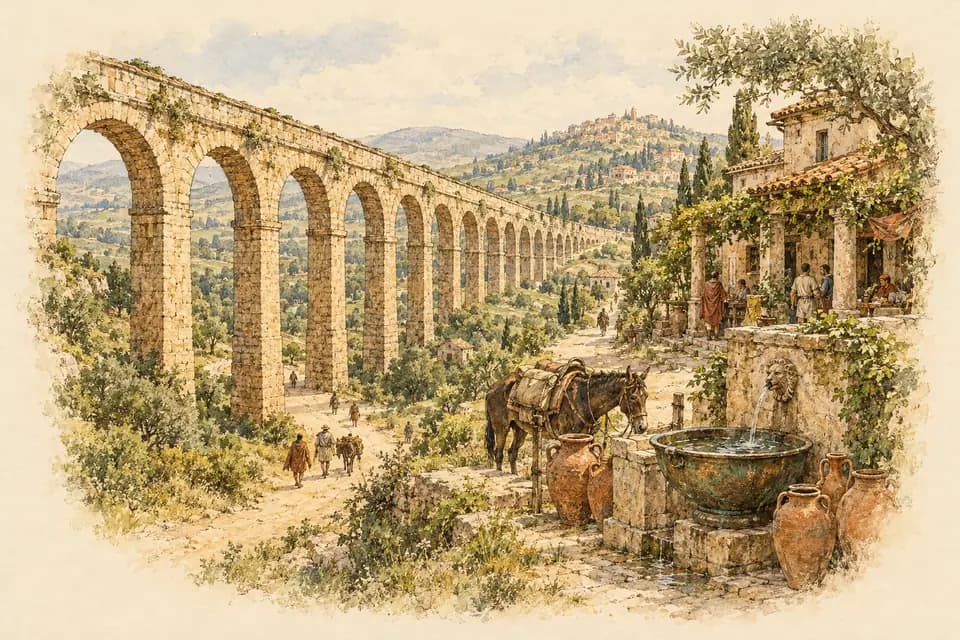 Ancient RomeGenerate plots from Rome's thousand years, from the last bloody elections of the Republic to the frontier forts of the Empire, each built around someone with a…
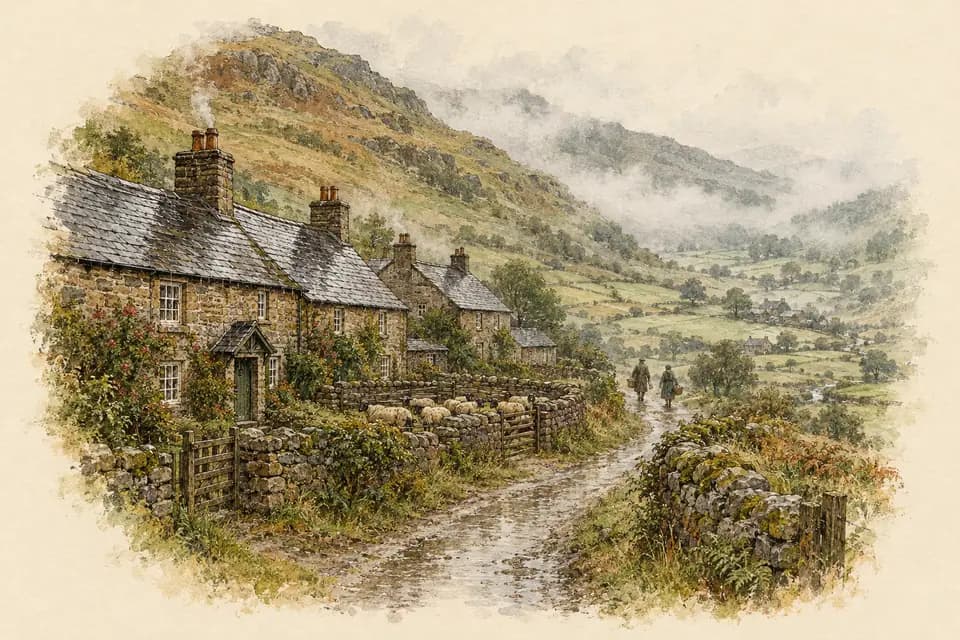 BritishGenerate plots from Britain's past, from Tudor priories to Victorian slums to the Blitz, built around someone placed exactly where class, religion or the crown…
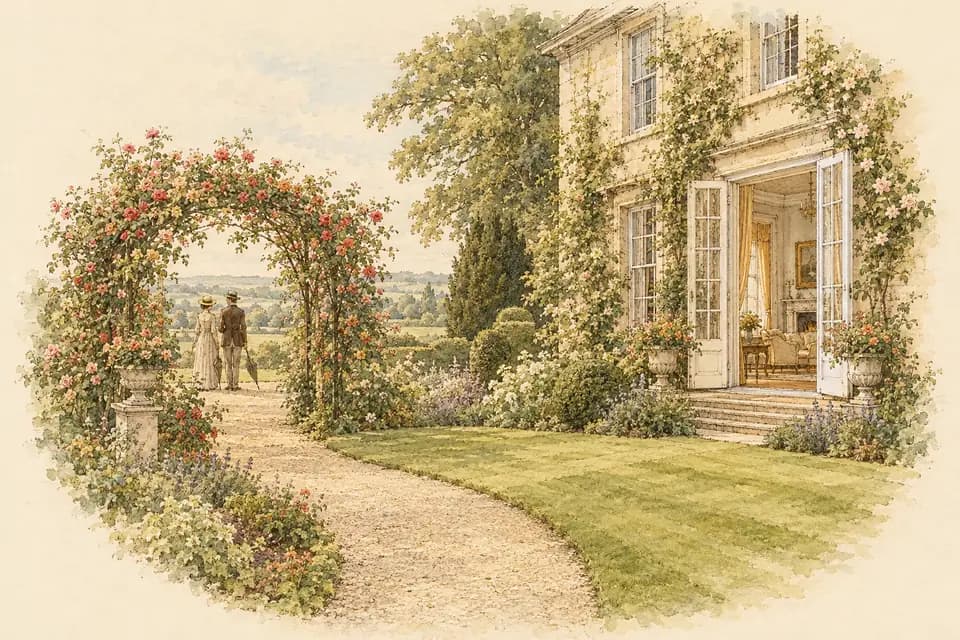 RegencyGenerate Regency plots with a real obstacle between the couple, whether an entail, a debt of honor or a brother at Waterloo, and a whole Season of watchful…
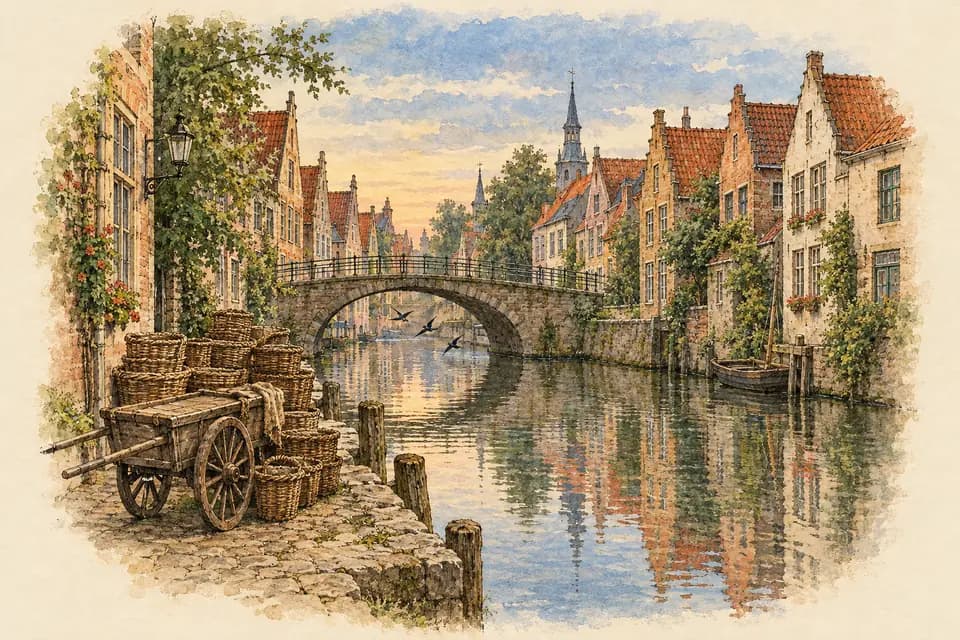 EuropeanGenerate plots from Europe's past, from Venetian glass furnaces to Habsburg courts to Weimar Berlin, built around a character whose language, faith or border…
 AsianGenerate plots set in Asia's past, from Song-dynasty exam halls to Joseon palaces to the Dutch post at Nagasaki, each tied to one place and one decade instead…
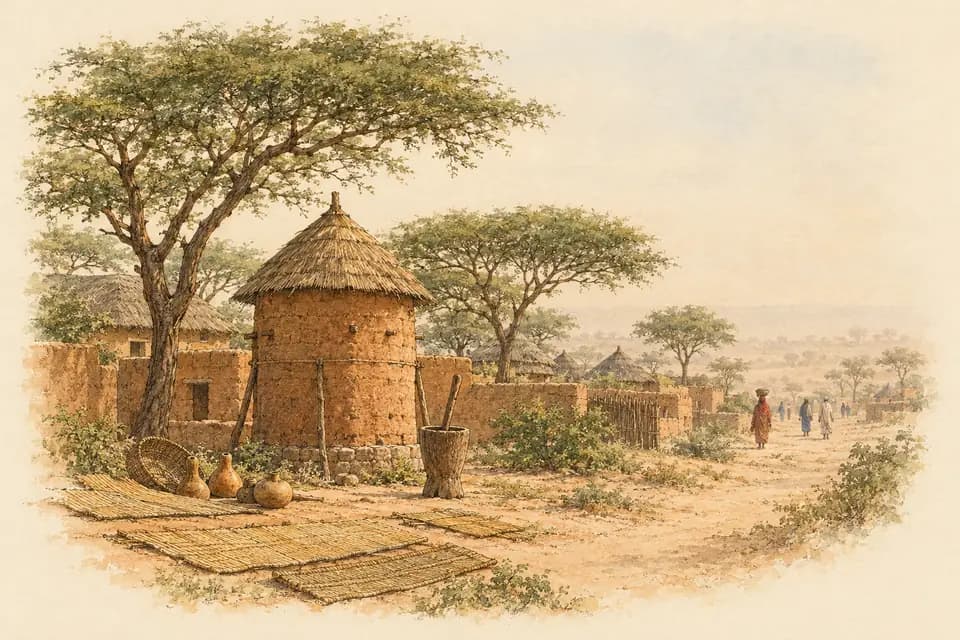 AfricanGenerate plots from Africa's long past, from Swahili trading towns to the Asante court to apartheid Johannesburg, built around people with their own ambitions…
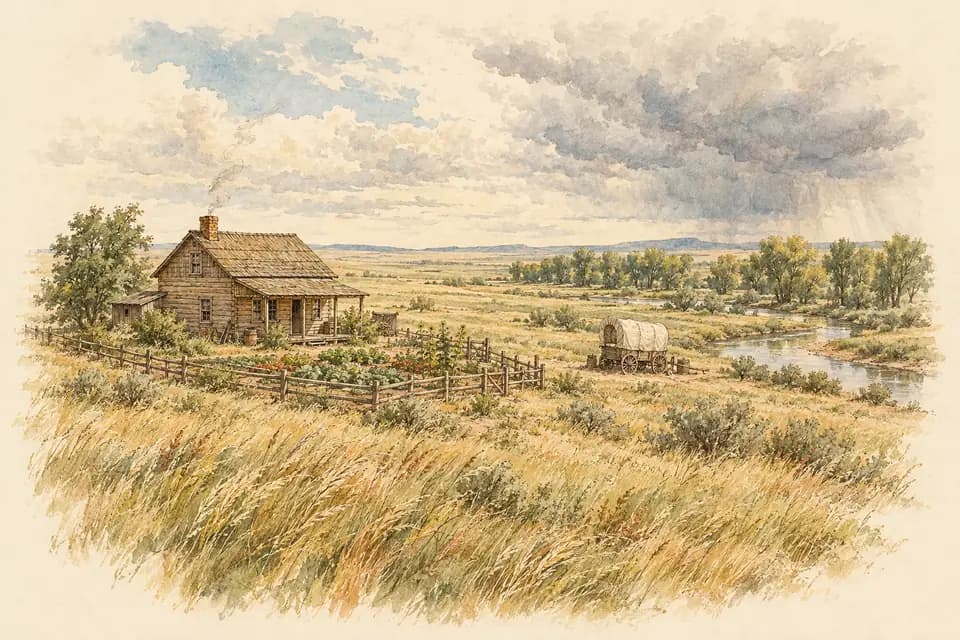 AmericasGenerate plots from Latin America, the Caribbean and Canada: silver towns, sugar islands, fur posts and the revolutions that remade them, each with a…
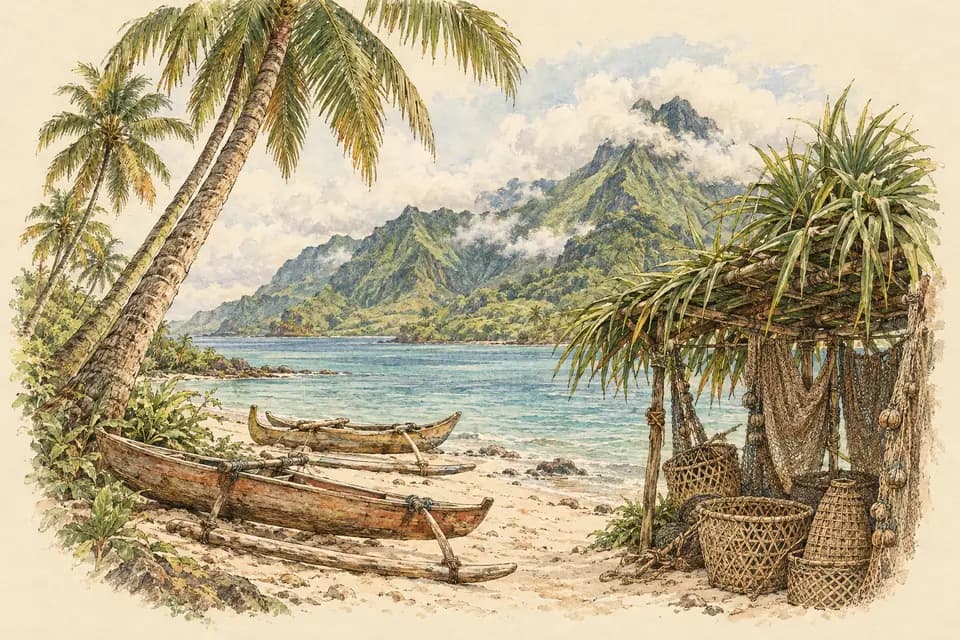 Australian & OceanianGenerate plots from Australia, Aotearoa New Zealand and the Pacific: convict ships, gold diggings, cane fields and the long reckoning between settlers and the…
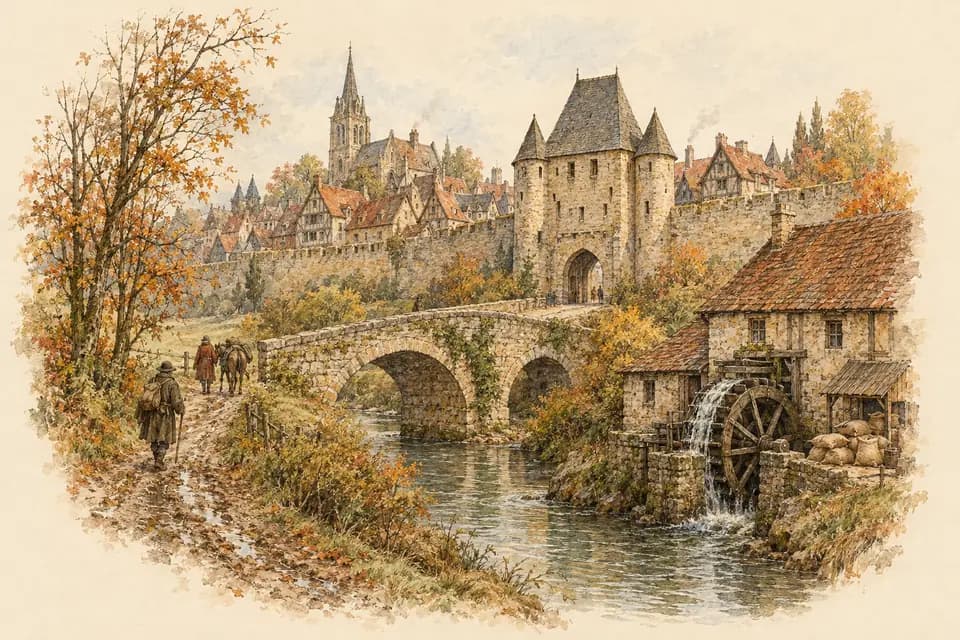 MedievalGenerate medieval plots tied to a real century and place, from Constantinople in 1204 to Essex in 1381, where oaths, tithes and harvests matter as much as any sword.
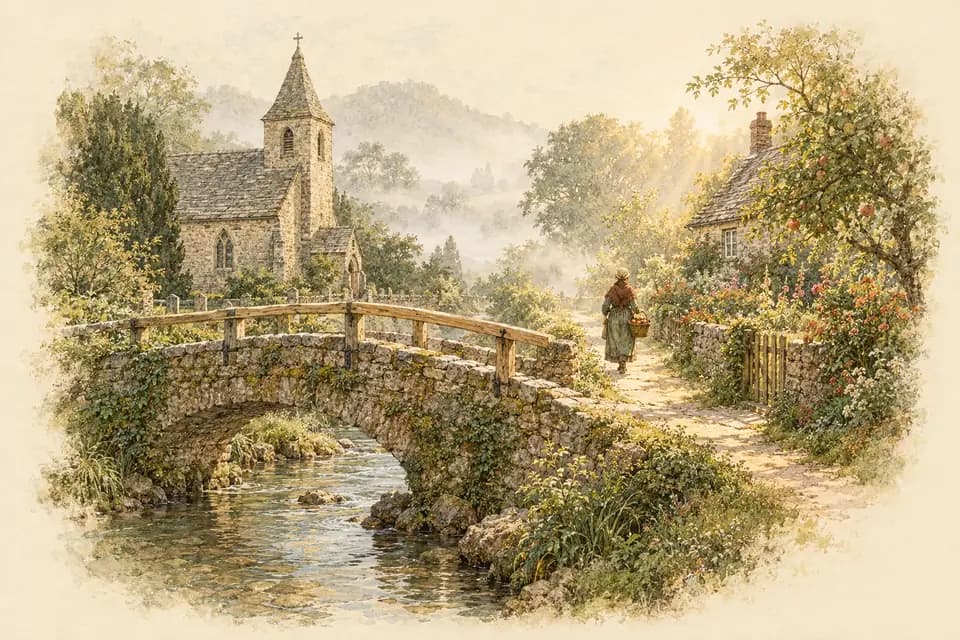 Christian FictionGenerate plots for faith-centered historical novels, where a character's belief is tested by a real time and place, from Huguenot France to the Dust Bowl, and…
Names, a first scene and a title
Questions about Biographical plots
Do I need permission to write a novel about a real person?
Generally not for historical figures. In the US the dead can't be defamed, though some states have publicity rights that outlast death, mostly covering commercial uses like merchandise. Writing about living or recently deceased people carries real legal risk, so talk to a publishing lawyer before you submit; this is general information, not legal advice.
How much can I invent in biographical fiction?
Most writers invent dialogue, thoughts and minor characters freely but avoid contradicting documented facts such as dates, marriages and major events. Where you compress or change something on purpose, say so in an author's note. If an invention would reverse what readers know about the person, ask whether the book is still about them.
What's the difference between biographical fiction and a biography?
A biography claims only what the sources support and marks guesses as guesses. Biographical fiction dramatizes: it puts readers inside the subject's head and invents scenes nobody recorded. The research is often just as deep; the difference is what you're allowed to do with it.
Found the plot? Write it.
Take it into Chapterly: outline it on a board, name the cast, and write chapter one tonight.
Plans from $9.99 a month. Cancel any time. Your words are always yours.