African Plot Generator
Generate plots from Africa's long past, from Swahili trading towns to the Asante court to apartheid Johannesburg, built around people with their own ambitions, not a scenic backdrop for visitors.
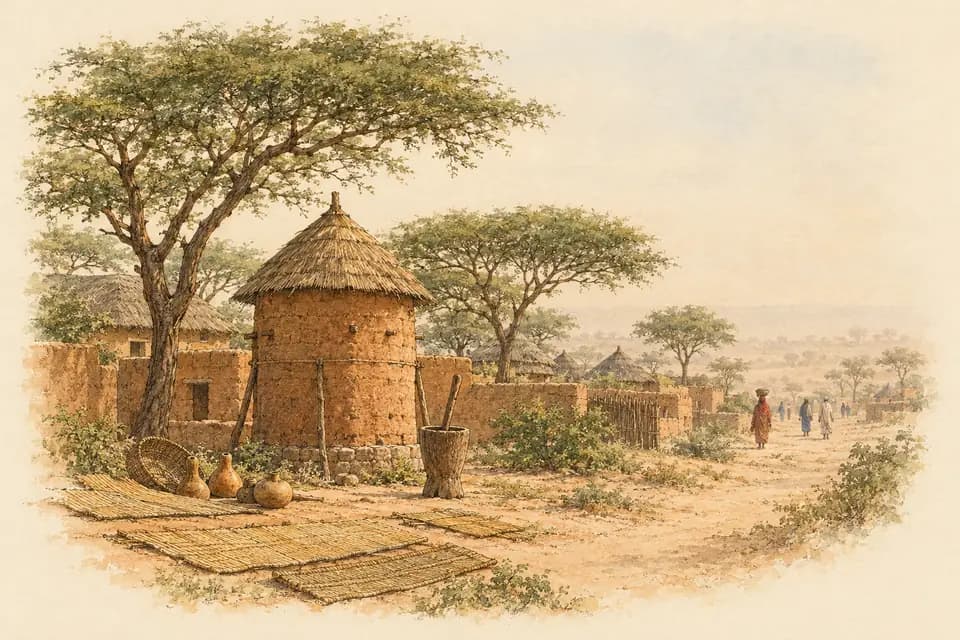
- Sample
Tribute at Kilwa
Kilwa, 1505. Mwana Fatuma, a gold trader's widow, has paid her share of the tribute the sultan promised the Portuguese three years ago, and she wants only to keep her warehouses. When Francisco de Almeida's fleet anchors off the island anyway, her son offers to guide the Portuguese to the sultan's palace in exchange for trading rights. She can warn the sultan or protect her son, not both.
- Sample
The Interpreter's Fort
Kumasi, 1900. Kwesi Mensah, a Fante clerk, interprets for the British governor, Frederic Hodgson, and hopes for a government post in Accra. Then he is made to tell the Asante chiefs that Hodgson wants the Golden Stool brought to him so he can sit on it. War follows within weeks, and Kwesi is trapped in the besieged fort with the British while his Asante wife is outside with Yaa Asantewaa's fighters.
- Sample
The Song About the Trucks
Sophiatown, Johannesburg, 1955. Dolly Mokoena sings in a shebeen and is days away from cutting her first record. When the government begins forcibly moving Sophiatown's families to Meadowlands, she writes a song about the trucks that the whole township starts singing. The producer will still sign her, but only if she drops that song, and her own family's removal date is next month.
- Sample
Zimbabwe's Gem: Power Unearthed
In the 11th-century kingdom of Great Zimbabwe, a slave girl with an uncanny knack for mining unknowingly unearths a rare gem that could change the nation's wealth and power dynamics. She must navigate the treacherous world of royal politics to ensure her people's emancipation.
- Sample
Through the Eyes of Unity
Set during the Ethiopian-Italian war, an idealistic Ethiopian soldier forms an unlikely alliance with an Italian POW. Together, they must save an orphaned Italian-Ethiopian child - a living symbol of unity - from the horrors of war.
- Sample
Scrolls of Sankoré: Chronicles of Afrodom
In the heart of ancient Mali, the greatest scholar, an apprentice of the Sankoré University, discovers a scroll predicting an imminent disaster. He embarks on a journey to prevent it and save his kingdom, through a series of legendary African adventures.
- Sample
Whispers of the Ancestors: A Zulu Ascension
A young Zulu woman in the early 19th-century gains the ability to communicate with spirits and defies tradition to become the first female healer. Her struggle shakes the foundation of Zulu traditions and alters the spiritual compass of the tribe forever.
- Sample
From Gold to Sand: The Asante Mirage
Under the reign of the Pharaoh's, an Asante goldsmith from Ghana is brought into captivity. Driven by a vision of freedom, he cunningly convinces his masters he can transform sand into gold, laying groundwork for the most audacious escape from the land of the Nile.
African: what makes the plot work
African fiction delves into the multifaceted history, folklore, and contemporary life of the African continent.
Start before the Europeans arrive
African societies had politics, law, trade and feuds of their own long before colonial rule. Chinua Achebe's Things Fall Apart spends most of its length inside Umuofia and Okonkwo's ambitions before the missionaries appear. When the outside force arrives, readers understand exactly what it breaks.
Use real kingdoms and real dates
Mali under Mansa Musa, the Asante Empire, the Kingdom of Kongo and the Swahili city-states all have documented histories to build on. Yaa Gyasi's Homegoing opens in the 18th-century Gold Coast with two half-sisters, one married to the British governor of Cape Coast Castle and one held in its dungeons. The castle's two floors give the whole novel its shape.
Let independence stay complicated
Independence ended one set of problems and started others: coups, civil wars, borders drawn by departing empires. Chimamanda Ngozi Adichie's Half of a Yellow Sun follows a houseboy, a professor and twin sisters through the Nigerian Civil War of 1967 to 1970. People who wanted the same freedom can end up on opposite sides.
Borrow structure from oral epic
Griots of the old Mali Empire kept history as performed story, with genealogies, praise names and prophecy. D. T. Niane's Sundiata: An Epic of Old Mali, drawn from a griot's telling, shows a hero's story shaped for listeners. A frame narrator or a praise song can give your novel a form rooted in its own place.
More Historical Fiction plot generators
Or see the whole shelf: Historical Fiction plot ideas.
 World War 2Generate World War II plots built on a real front, a real year and a person with something to hide.
 World War 1Generate World War I plots that start in the mud and reach well past it: field hospitals, shell-filling sheds, Mesopotamia, the Armistice and the influenza…
 United StatesGenerate plots from American history that start with a region, a law and a person it squeezes.
 20th CenturyGenerate plots set in the century of telegrams, newsreels, partitions and moon suits.
 19th CenturyGenerate 19th century plots driven by what moved that century: wills and railway shares, gold fields and cotton mills, gaslight and the telegraph.
 18th CenturyGenerate 18th century plots built from the period's own machinery: bills of exchange, press gangs, lotteries, pamphlets and slow ships.
 American RevolutionGenerate American Revolution plots that look past the famous signatures: farm wives paid in British silver, printers working both sides, militiamen far from Boston.
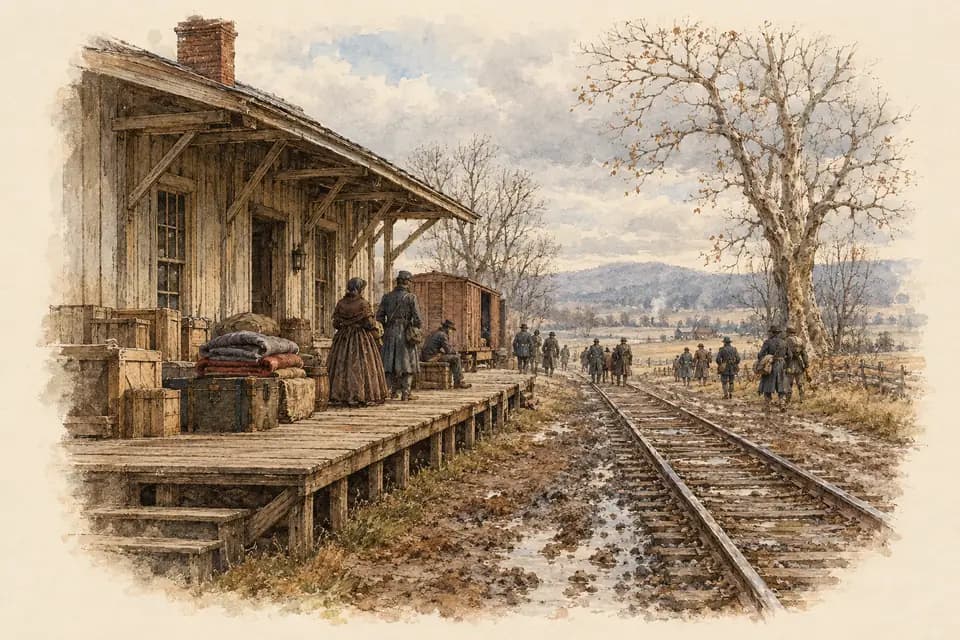 Civil WarGenerate Civil War plots that put a person on a real road, in a real siege or on a real date between Fort Sumter and Reconstruction.
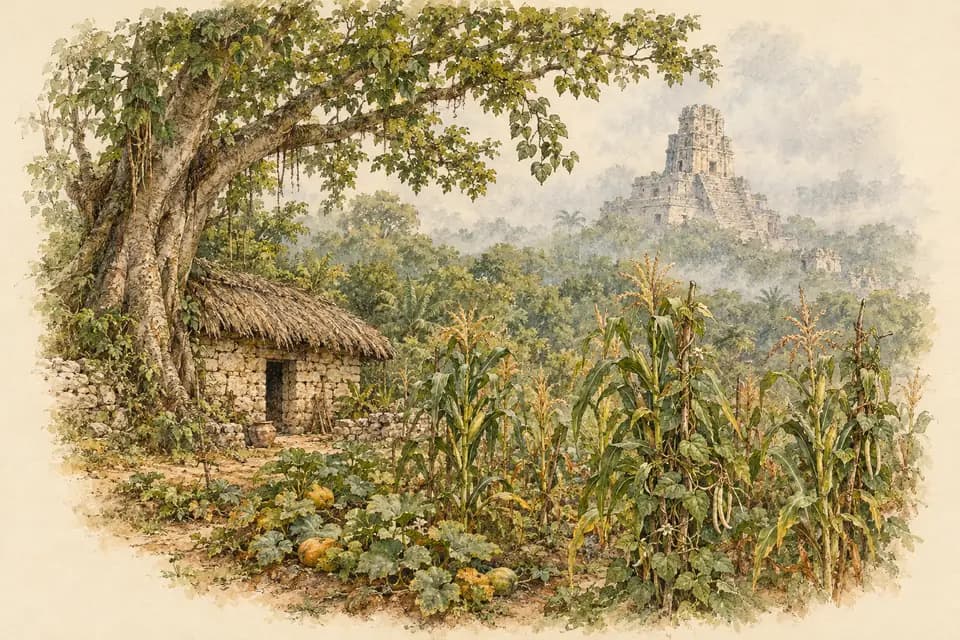 Ancient AmericasGenerate plots set in the Americas before the conquest: Mexica merchants, Maya courts, Inca record keepers and the great houses of Chaco Canyon.
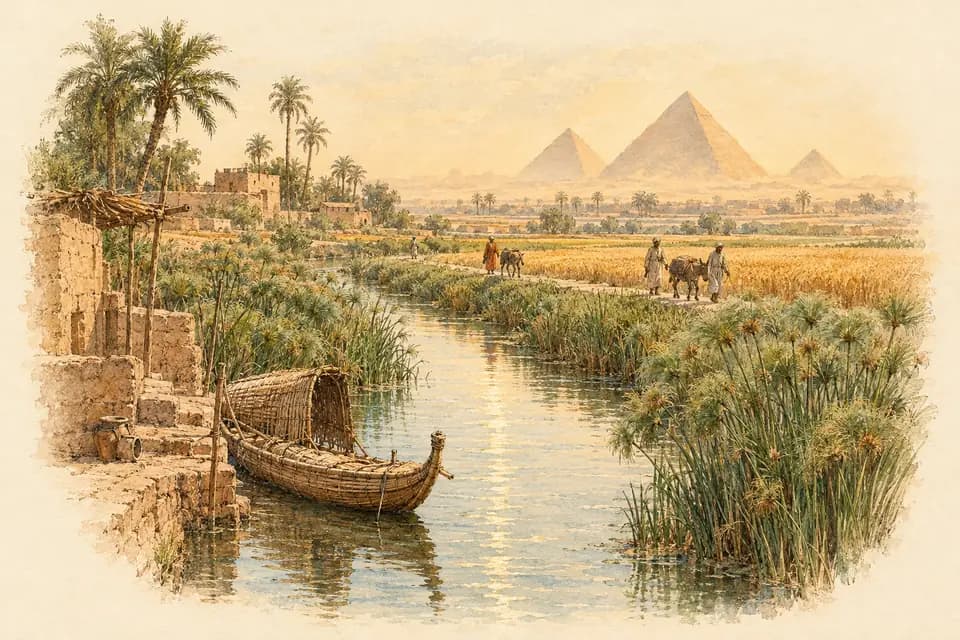 Ancient EgyptGenerate ancient Egypt plots from three thousand years of history, from the crews who hauled stone at Giza to the copyists of Ptolemaic Alexandria.
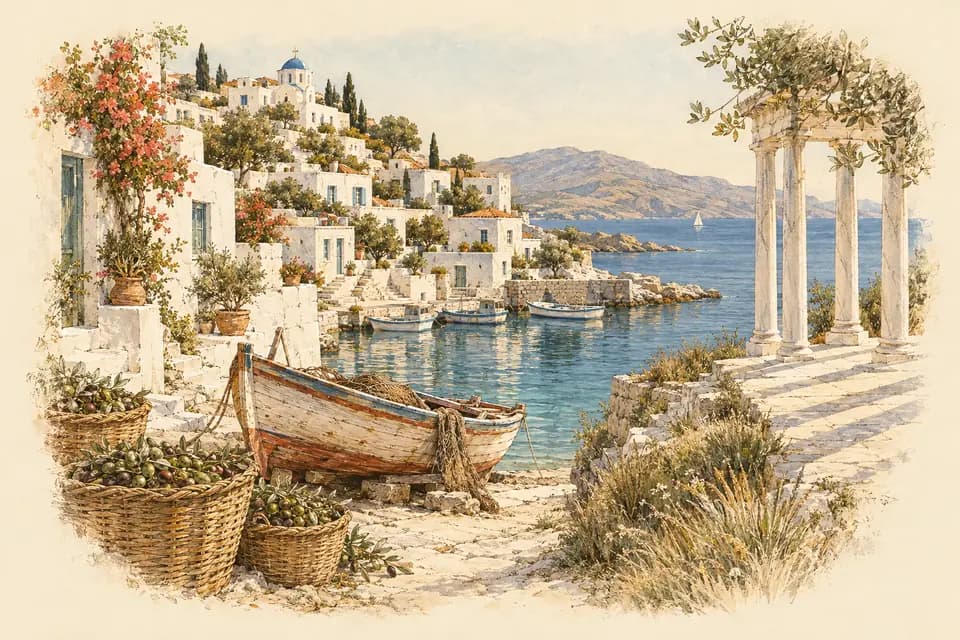 Ancient GreeceGenerate ancient Greek plots grounded in real history: plague years in Athens, chariot races at Olympia, the last days of a Bronze Age palace.
 Ancient RomeGenerate plots from Rome's thousand years, from the last bloody elections of the Republic to the frontier forts of the Empire, each built around someone with a…
 BritishGenerate plots from Britain's past, from Tudor priories to Victorian slums to the Blitz, built around someone placed exactly where class, religion or the crown…
 RegencyGenerate Regency plots with a real obstacle between the couple, whether an entail, a debt of honor or a brother at Waterloo, and a whole Season of watchful…
 EuropeanGenerate plots from Europe's past, from Venetian glass furnaces to Habsburg courts to Weimar Berlin, built around a character whose language, faith or border…
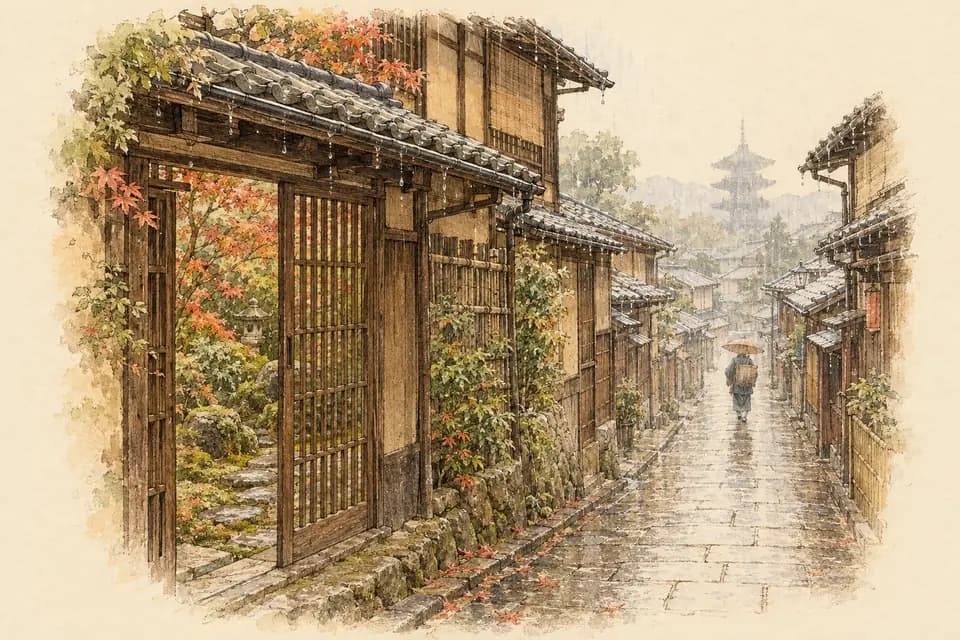 AsianGenerate plots set in Asia's past, from Song-dynasty exam halls to Joseon palaces to the Dutch post at Nagasaki, each tied to one place and one decade instead…
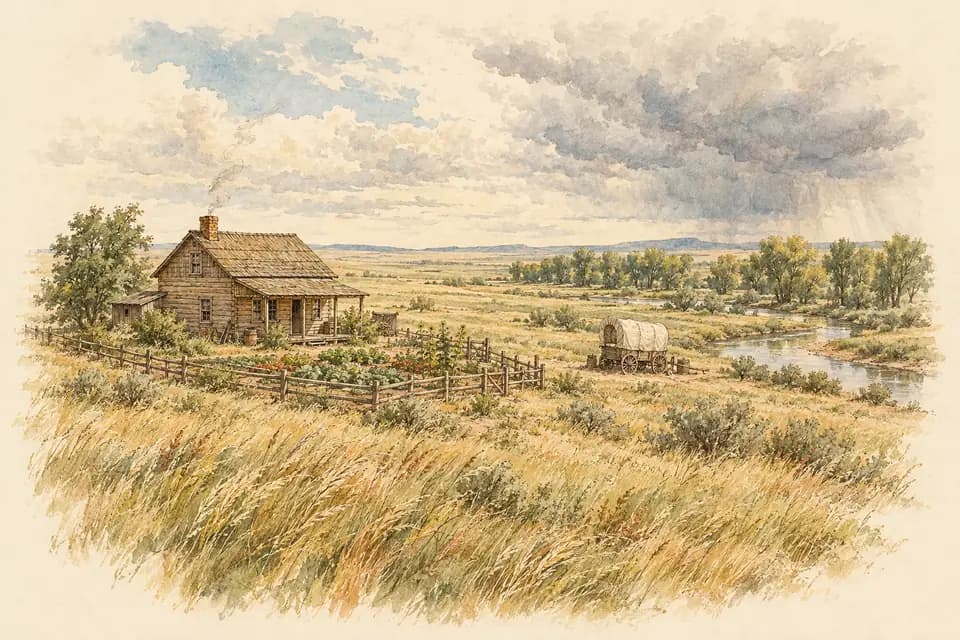 AmericasGenerate plots from Latin America, the Caribbean and Canada: silver towns, sugar islands, fur posts and the revolutions that remade them, each with a…
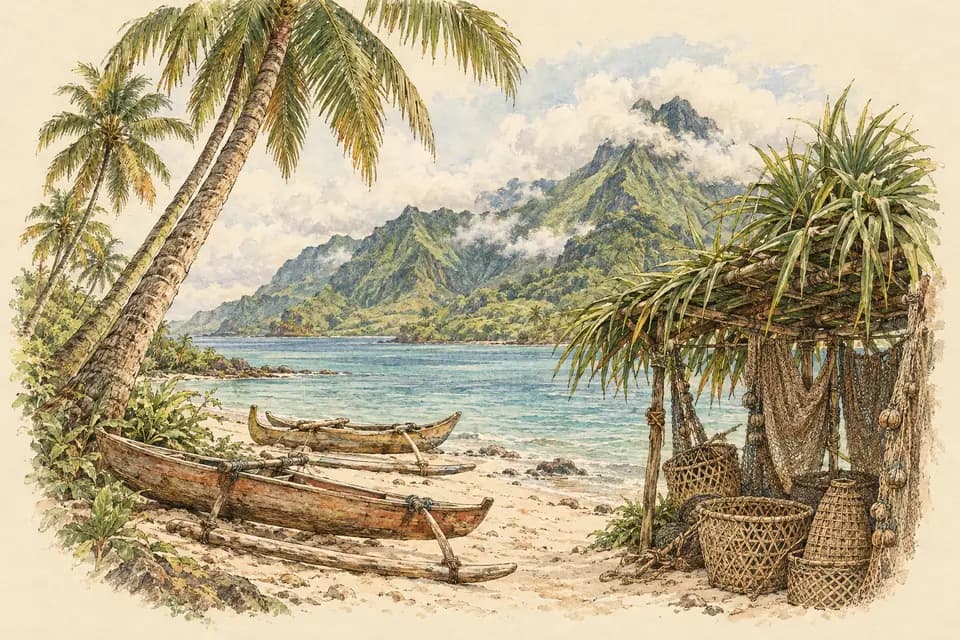 Australian & OceanianGenerate plots from Australia, Aotearoa New Zealand and the Pacific: convict ships, gold diggings, cane fields and the long reckoning between settlers and the…
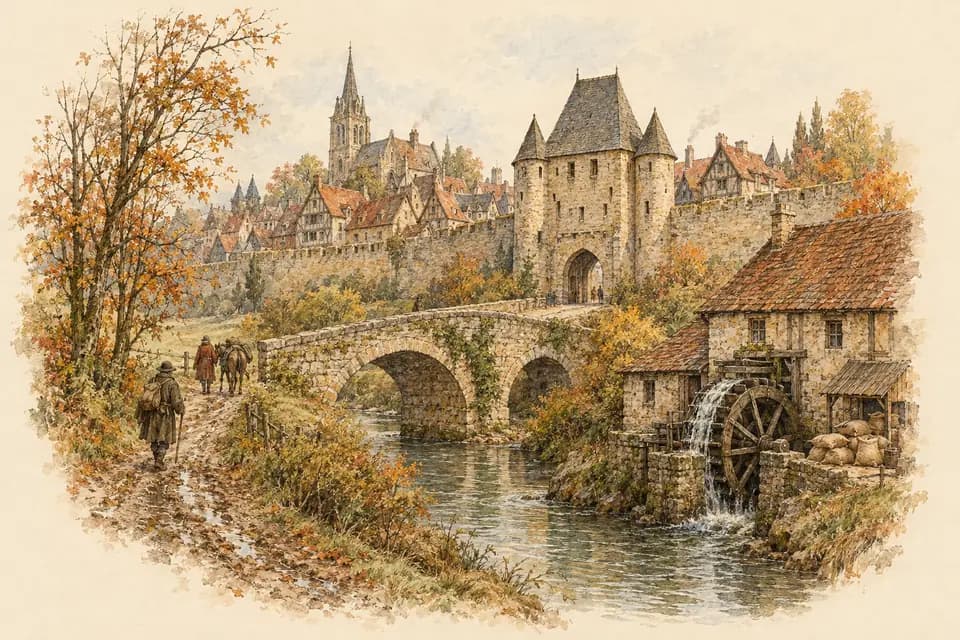 MedievalGenerate medieval plots tied to a real century and place, from Constantinople in 1204 to Essex in 1381, where oaths, tithes and harvests matter as much as any sword.
 BiographicalGenerate premises for novels about real people, built on what the records leave out: the missing year, the unsent letter, the person standing just outside the…
 Christian FictionGenerate plots for faith-centered historical novels, where a character's belief is tested by a real time and place, from Huguenot France to the Dust Bowl, and…
Names, a first scene and a title
Questions about African plots
Where do I research precolonial African history?
UNESCO's eight-volume General History of Africa is free to read online and was written largely by African historians. Add translated travel accounts such as Ibn Battuta's description of Mali in the 1350s, archaeology from sites like Great Zimbabwe, and recorded oral traditions. Read outsiders' accounts critically, since many misunderstood what they saw.
How do I avoid writing Africa as one generic place?
Name the specific people, language, region and decade, never just 'Africa' or 'the village'. The continent has more than fifty countries and well over a thousand languages, and a Fulani herder, a Kongo noble and a Zanzibar merchant lived in different worlds. Readers from those places will spot drums-and-savanna scenery at once.
Does ancient Egypt count as African historical fiction?
Geographically, yes, but readers and bookshops treat ancient Egypt as its own subgenre, with its own conventions. This subgenre suits everything else: Nubia and Kush, Aksum, Carthage, the Sahel empires, the Swahili coast, the colonial era and independence. Egypt after the pharaohs, under the Mamluks or Ottomans, fits here comfortably.
Found the plot? Write it.
Take it into Chapterly: outline it on a board, name the cast, and write chapter one tonight.
Plans from $9.99 a month. Cancel any time. Your words are always yours.