World War 1 Plot Generator
Generate World War I plots that start in the mud and reach well past it: field hospitals, shell-filling sheds, Mesopotamia, the Armistice and the influenza that came with it. The samples and tips below cover the fronts most novels forget.
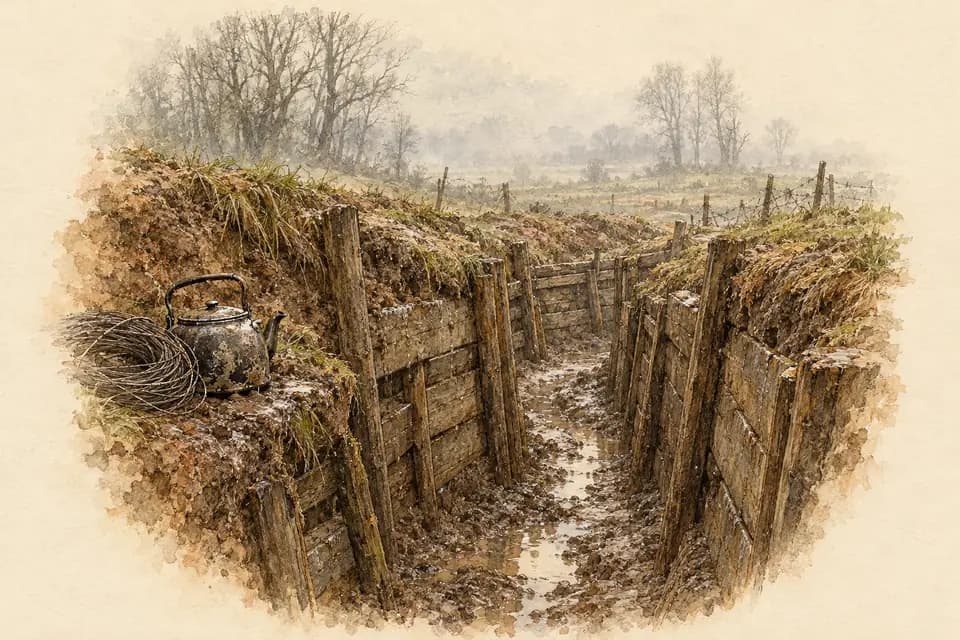
- Sample
The North End Letters
Halifax, Nova Scotia, December 1917. Since her brother was killed at Passchendaele, sixteen-year-old Nora Pyke has been forging his cheerful letters home so their frail mother keeps eating. Then a munitions ship explodes in the harbor and flattens the North End. Her mother wakes in a hospital ward beside a wounded soldier from her son's battalion, and he has a lot to say about Private Pyke.
- Sample
Rations at Kut
Kut-al-Amara, Mesopotamia, winter 1916. Sepoy Ghulam Rasool, besieged by the Ottomans along with the rest of the Indian garrison, wants only to bring his young cousin home alive to Jhelum. Food runs short, and many Indian soldiers refuse the horsemeat that keeps others on their feet. When Ottoman leaflets invite Muslim soldiers to cross the lines, his cousin starts listening, and Ghulam is ordered to report any man who does.
- Sample
The Canary Eleven
Nottinghamshire, 1918. Edie Marsh fills shells at a national filling factory, and the TNT has turned her skin yellow like every other canary girl's. What she wants is to captain the factory's women's football team in the charity cup. A manager offers her the armband if she names the women organizing for equal pay. Edie has a week to choose between her team and her friends, who are the same people.
- Sample
Veiled Betrayal
A brilliant but overlooked German scientist defies the odds and creates an unprecedented weapon that could shift the tide of the war. Now, he must grapple with his uncertain allegiance and the moral implications of his invention.
- Sample
Threads of Valor
Four teenage friends from different corners of Europe are ripped apart by war, each forced to face the bloodshed in their own ways - from the trenches, to the armament factories, and from the resistance movements to a prison camp.
- Sample
Beneath the Bloodied Cross
Undercover as a nurse, a British Intelligence officer navigates through love, betrayal, and espionage while her seemingly simple mission gradually descends into complex maneuvers set to change the course of the war.
- Sample
Meadows of the Marne
An unlikely friendship develops between an American doughboy and a French farm girl giving them courage and hope in the midst of the darkness, but when a deadly secret of the girl’s family emerges, their bond is tested.
- Sample
Fury in the Skies
A skilled biplane pilot on a quest for revenge against an ace enemy flyer uncovers a war plot that goes beyond his own personal vendetta, placing the lives of thousands in his hands.
World War 1: what makes the plot work
World War 1 fiction often explores the complexities of this global conflict, encompassing the battles, personal stories, and the dramatic changes it brought to society.
Write the routine, not only the battle
Soldiers on the Western Front rotated through the front line, support and reserve, so most of their war was digging, carrying, waiting and rats. A big push is a spike in that routine, and it hits harder once the reader has lived the routine. Birdsong spends long stretches underground with the tunnelers before the first of July 1916 arrives on the Somme.
Let a hospital hold the plot
Some of the best WWI novels never go over the top. Regeneration is set at Craiglockhart War Hospital in 1917, where the doctor W. H. R. Rivers treats Siegfried Sassoon, and its central question is whether healing a man means sending him back. A munitions town, a telegram office or a casualty clearing station can carry the same tension.
Look past France and Flanders
The war was also fought at Gallipoli, in Mesopotamia, on the Isonzo, in East Africa and across the Eastern Front. A Farewell to Arms puts its American ambulance officer on the Italian front and builds to the retreat after Caporetto. A less familiar front gives you fresh terrain and tells the reader you did the reading.
End after the guns stop
The Armistice took effect at 11 a.m. on 11 November 1918, men died that same morning, and the influenza pandemic was at its deadliest. Missing men, wrong reports and grief kept plots going for years. A Very Long Engagement is driven by a young woman's search, after the war, for a fiancé reported dead in no man's land.
More Historical Fiction plot generators
Or see the whole shelf: Historical Fiction plot ideas.
 World War 2Generate World War II plots built on a real front, a real year and a person with something to hide.
 United StatesGenerate plots from American history that start with a region, a law and a person it squeezes.
 20th CenturyGenerate plots set in the century of telegrams, newsreels, partitions and moon suits.
 19th CenturyGenerate 19th century plots driven by what moved that century: wills and railway shares, gold fields and cotton mills, gaslight and the telegraph.
 18th CenturyGenerate 18th century plots built from the period's own machinery: bills of exchange, press gangs, lotteries, pamphlets and slow ships.
 American RevolutionGenerate American Revolution plots that look past the famous signatures: farm wives paid in British silver, printers working both sides, militiamen far from Boston.
 Civil WarGenerate Civil War plots that put a person on a real road, in a real siege or on a real date between Fort Sumter and Reconstruction.
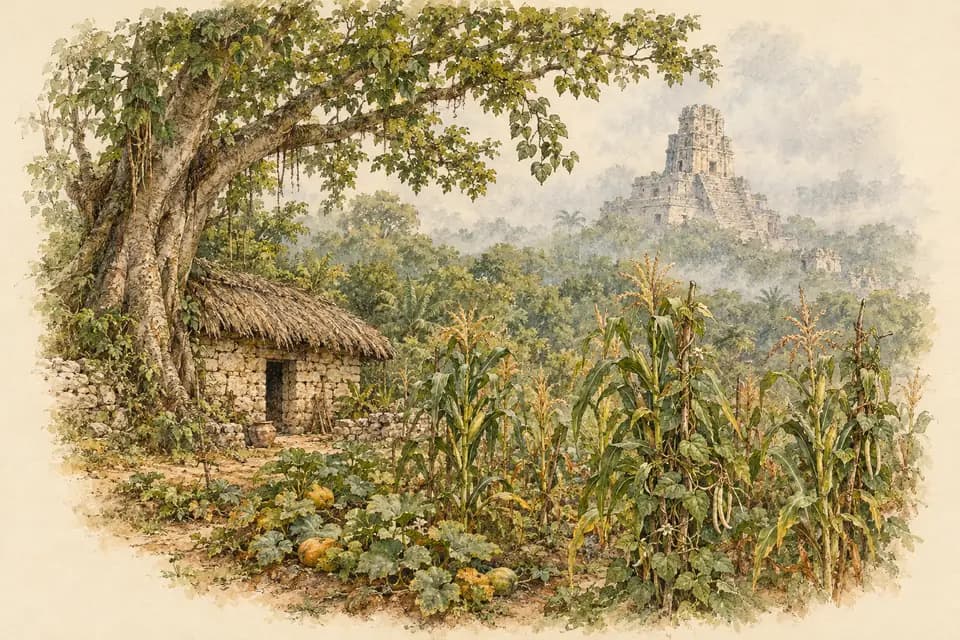 Ancient AmericasGenerate plots set in the Americas before the conquest: Mexica merchants, Maya courts, Inca record keepers and the great houses of Chaco Canyon.
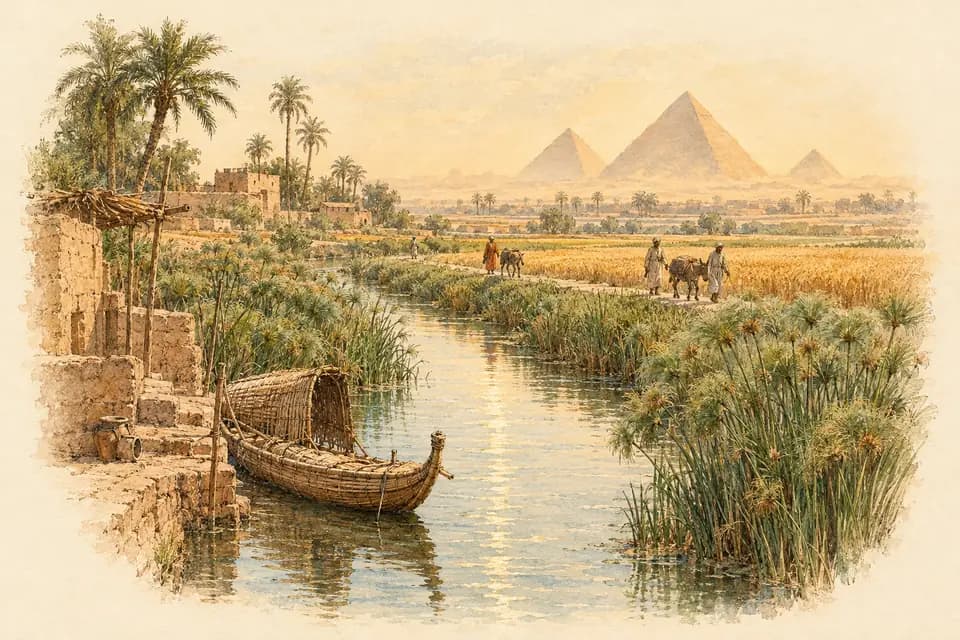 Ancient EgyptGenerate ancient Egypt plots from three thousand years of history, from the crews who hauled stone at Giza to the copyists of Ptolemaic Alexandria.
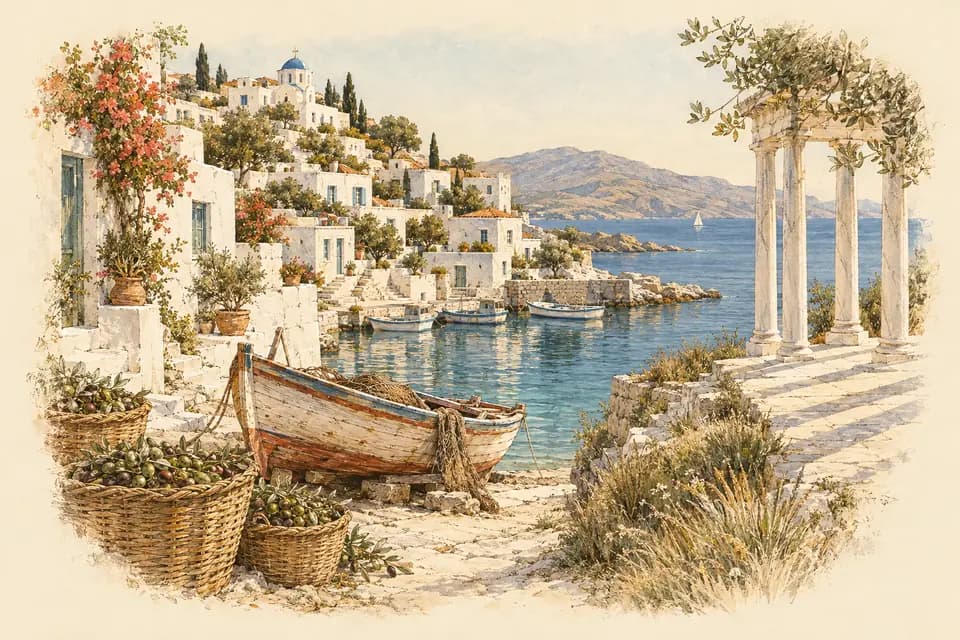 Ancient GreeceGenerate ancient Greek plots grounded in real history: plague years in Athens, chariot races at Olympia, the last days of a Bronze Age palace.
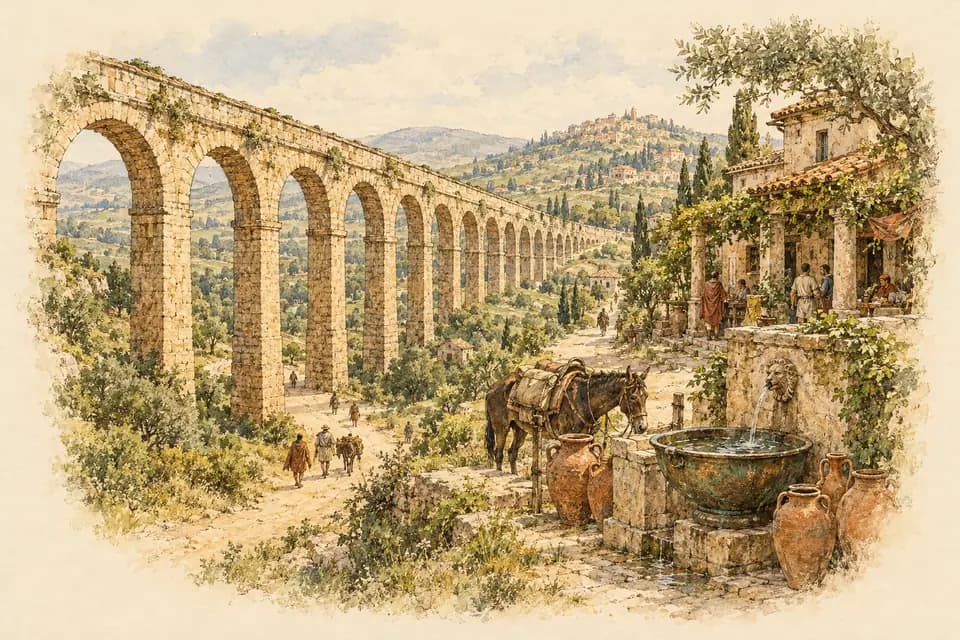 Ancient RomeGenerate plots from Rome's thousand years, from the last bloody elections of the Republic to the frontier forts of the Empire, each built around someone with a…
 BritishGenerate plots from Britain's past, from Tudor priories to Victorian slums to the Blitz, built around someone placed exactly where class, religion or the crown…
 RegencyGenerate Regency plots with a real obstacle between the couple, whether an entail, a debt of honor or a brother at Waterloo, and a whole Season of watchful…
 EuropeanGenerate plots from Europe's past, from Venetian glass furnaces to Habsburg courts to Weimar Berlin, built around a character whose language, faith or border…
 AsianGenerate plots set in Asia's past, from Song-dynasty exam halls to Joseon palaces to the Dutch post at Nagasaki, each tied to one place and one decade instead…
 AfricanGenerate plots from Africa's long past, from Swahili trading towns to the Asante court to apartheid Johannesburg, built around people with their own ambitions…
 AmericasGenerate plots from Latin America, the Caribbean and Canada: silver towns, sugar islands, fur posts and the revolutions that remade them, each with a…
 Australian & OceanianGenerate plots from Australia, Aotearoa New Zealand and the Pacific: convict ships, gold diggings, cane fields and the long reckoning between settlers and the…
 MedievalGenerate medieval plots tied to a real century and place, from Constantinople in 1204 to Essex in 1381, where oaths, tithes and harvests matter as much as any sword.
 BiographicalGenerate premises for novels about real people, built on what the records leave out: the missing year, the unsent letter, the person standing just outside the…
 Christian FictionGenerate plots for faith-centered historical novels, where a character's belief is tested by a real time and place, from Huguenot France to the Dust Bowl, and…
Names, a first scene and a title
Questions about World War 1 plots
How is World War I fiction different from World War II fiction?
WWI fiction leans toward stalemate, mud and disillusionment: a war many characters stop believing in, with no clear villain to defeat. WWII fiction has occupation, resistance and the Holocaust, and usually a sharper moral line between the sides. A WWI plot tends to turn on endurance and lost faith rather than on a mission that can be won.
Where can I find what a real unit was doing on a given day?
Battalion war diaries record daily locations, weather, casualties and orders, and the British ones are held by The National Archives in the WO 95 series, much of it digitized. Trench maps, regimental histories and soldiers' letters fill in the texture. Shadowing a real unit's diary keeps your fictional company's dates and places honest.
When should a WWI novel start and end?
Many open in the summer of 1914 so the reader sees the world before it broke, though starting in the trenches is common too. The fighting ran from August 1914 to November 1918, but the Treaty of Versailles wasn't signed until June 1919, and the aftermath gives you room to end later. Pick the ending that answers your protagonist's question, not the calendar's.
Found the plot? Write it.
Take it into Chapterly: outline it on a board, name the cast, and write chapter one tonight.
Plans from $9.99 a month. Cancel any time. Your words are always yours.