World War 2 Plot Generator
Generate World War II plots built on a real front, a real year and a person with something to hide. Then use the samples and tips below to pin your story to the right month of the war.
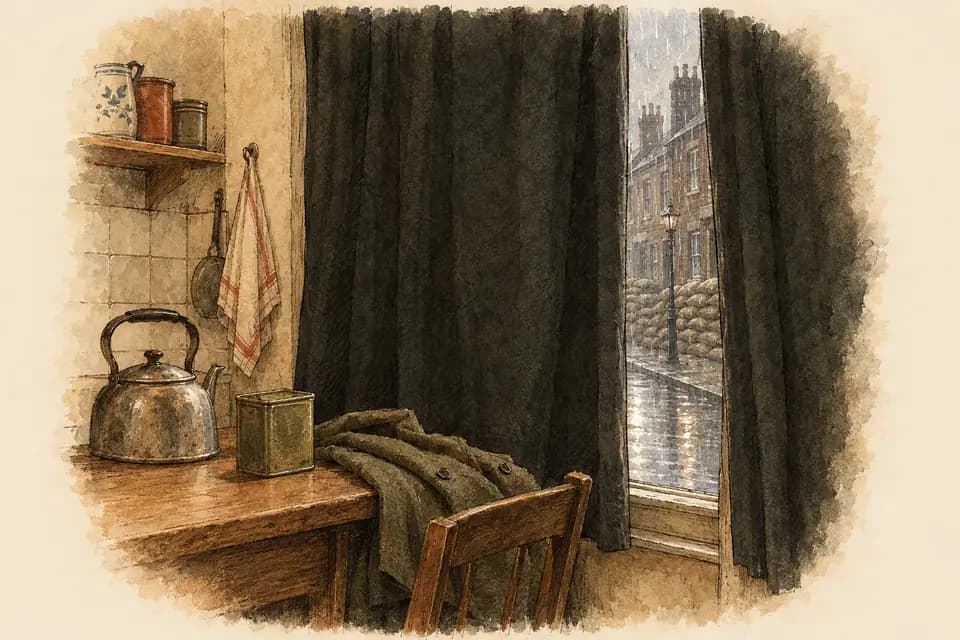
- Sample
Winter Herring
Ålesund, Norway, 1942. Ingrid Vik, nineteen, wants her younger brother on the next fishing boat to Shetland before the Gestapo match his face to a sabotaged rail line. The skipper will take him only if Ingrid steals the tide tables from the harbor office she cleans. In the same drawer she finds a list of local informers, and her father's name is on it.
- Sample
The Rubber Ledger
Singapore, February 1942, days after the British surrender. Lim Siew Har keeps the books for a rubber firm the Japanese have just seized, and she wants one thing: to keep her father, a known donor to the China relief fund, off the Sook Ching screening lists. A clerk offers to lose his name in exchange for doctored accounts. The man those accounts will ruin is her fiancé's employer.
- Sample
Tow Target
Dot Kowalski learned to fly dusting crops in Nebraska. She earns her wings at Avenger Field, Texas, in 1943, hoping to ferry bombers, but the Women Airforce Service Pilots send her to tow targets for gunners firing live rounds. When her bunkmate dies in a crash ruled pilot error, Dot finds sugar in the fuel tank, and reporting it could give Congress a reason to shut the program down.
- Sample
Code of Deception
A gifted French code breaker stumbles upon an encrypted message that can turn the tides of war. As members of her resistance start disappearing, she must decipher the truth before she becomes the next target.
- Sample
Brothers Reclaimed
After their family is ripped apart by the Holocaust, two brothers, separated by fate and continents, reunite years later, each carrying secrets that may threaten their bond.
- Sample
Resilience of the Innocent
In occupied Poland, a secret group of housewives forms an underground railroad to smuggle Jewish children to safety. Their courage and sisterhood face the ultimate test as the SS closes in.
- Sample
Echoes of Loyalty
A Japanese-American soldier, fighting for his country while his family is interned back home, becomes a hero. Struggling with his loyalties, he finds an unlikely friendship with an injured German soldier.
- Sample
Shadows of the Third Reich
A British spy, tasked with assassinating a high-ranking Nazi officer, engages in a psychological battle of wits and nerves. In the process, she uncovers a shocking conspiracy that rattles her faith.
World War 2: what makes the plot work
World War 2 fiction often revolves around the events, battles, and personal stories of this global conflict, offering a blend of historical accuracy and human drama.
Pin the story to a place and month
The war lasted six years and looked different in London in September 1940 than in Leningrad in January 1942. Curfews, rations, who held the town and which rumors were going around all depend on the date. All the Light We Cannot See builds toward a few days in August 1944 in besieged Saint-Malo, and every chapter knows it.
Give civilians the dangerous jobs
Some of the best WWII novels hand the plot to people without rifles: radio operators, forgers, ferry pilots, couriers, clerks who see the wrong file. The Nightingale splits the war between one sister with a German officer billeted in her house and another guiding downed airmen over the Pyrenees. Both plots run on choices a civilian makes alone.
Use what the reader already knows
Your reader knows how the war ends, and your characters do not. A date like 5 June 1944 or a train heading east carries a weight the people in the scene can't feel, so let it sit there unexplained. Characters who seem to predict the outcome break the spell faster than any wrong uniform.
Let the form keep a secret
Censorship, captivity and interrogation were everywhere in this war, and they suit stories told in documents. Code Name Verity is written largely as a captured agent's confession to the Gestapo, and the second half shows what that confession was really doing. Letters, diaries and radio logs can hide plot in plain sight.
More Historical Fiction plot generators
Or see the whole shelf: Historical Fiction plot ideas.
 World War 1Generate World War I plots that start in the mud and reach well past it: field hospitals, shell-filling sheds, Mesopotamia, the Armistice and the influenza…
 United StatesGenerate plots from American history that start with a region, a law and a person it squeezes.
 20th CenturyGenerate plots set in the century of telegrams, newsreels, partitions and moon suits.
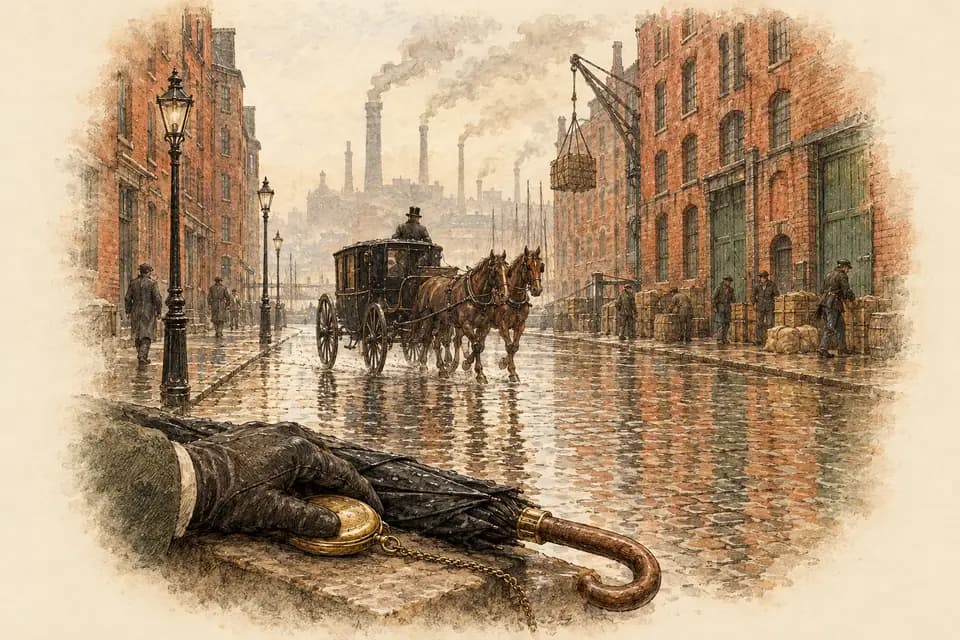 19th CenturyGenerate 19th century plots driven by what moved that century: wills and railway shares, gold fields and cotton mills, gaslight and the telegraph.
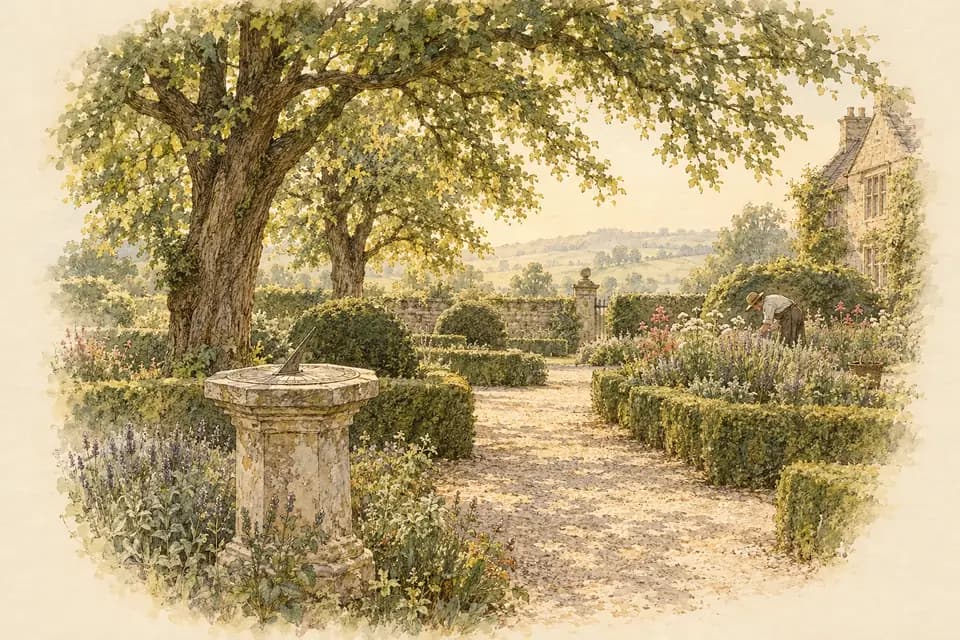 18th CenturyGenerate 18th century plots built from the period's own machinery: bills of exchange, press gangs, lotteries, pamphlets and slow ships.
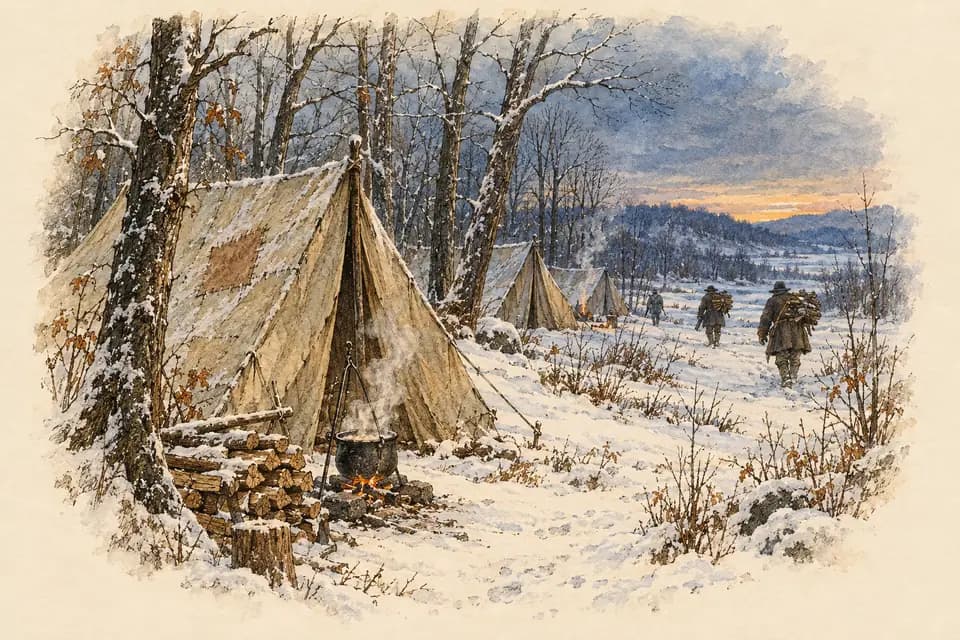 American RevolutionGenerate American Revolution plots that look past the famous signatures: farm wives paid in British silver, printers working both sides, militiamen far from Boston.
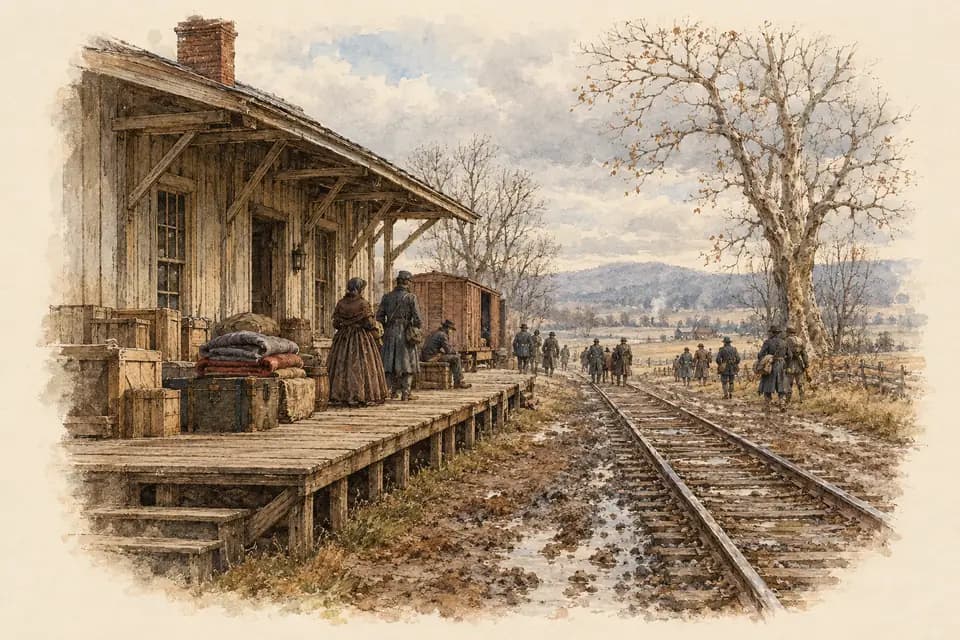 Civil WarGenerate Civil War plots that put a person on a real road, in a real siege or on a real date between Fort Sumter and Reconstruction.
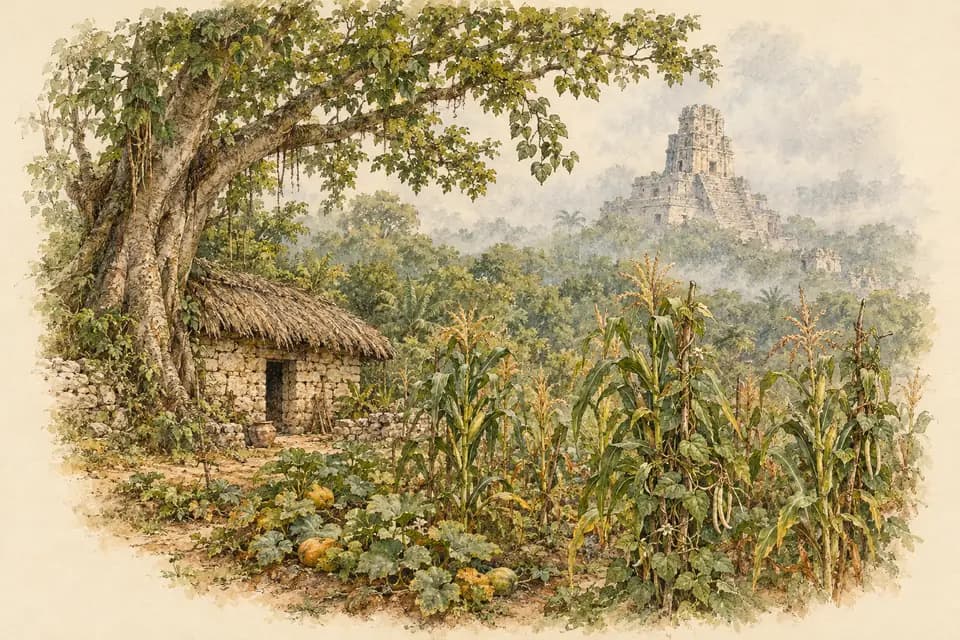 Ancient AmericasGenerate plots set in the Americas before the conquest: Mexica merchants, Maya courts, Inca record keepers and the great houses of Chaco Canyon.
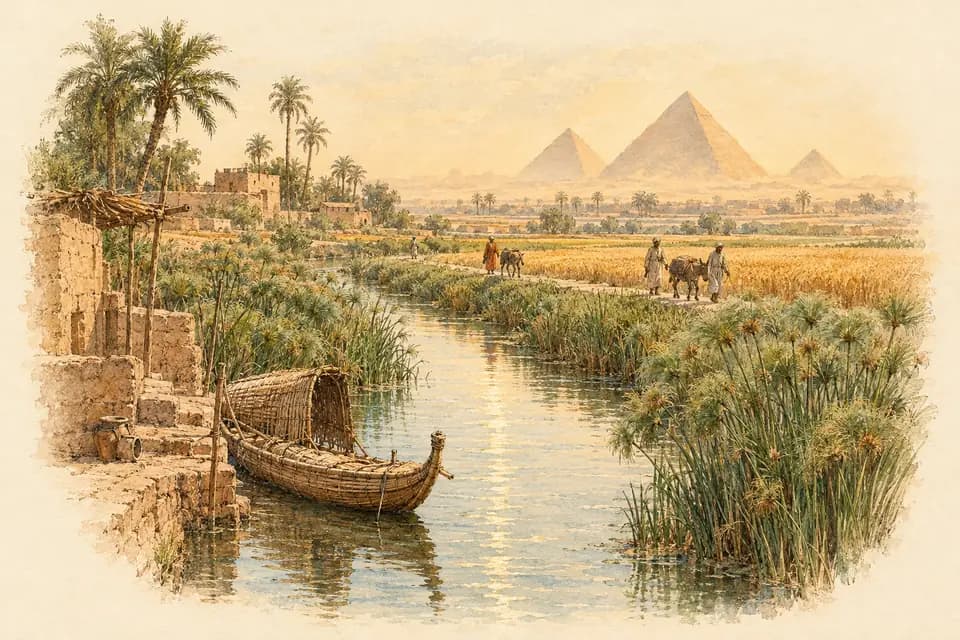 Ancient EgyptGenerate ancient Egypt plots from three thousand years of history, from the crews who hauled stone at Giza to the copyists of Ptolemaic Alexandria.
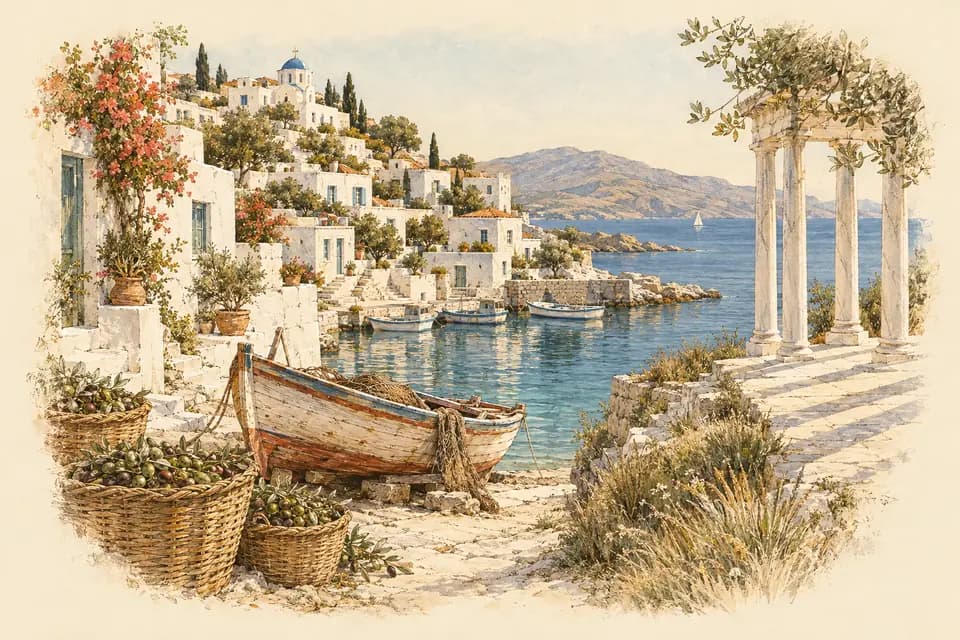 Ancient GreeceGenerate ancient Greek plots grounded in real history: plague years in Athens, chariot races at Olympia, the last days of a Bronze Age palace.
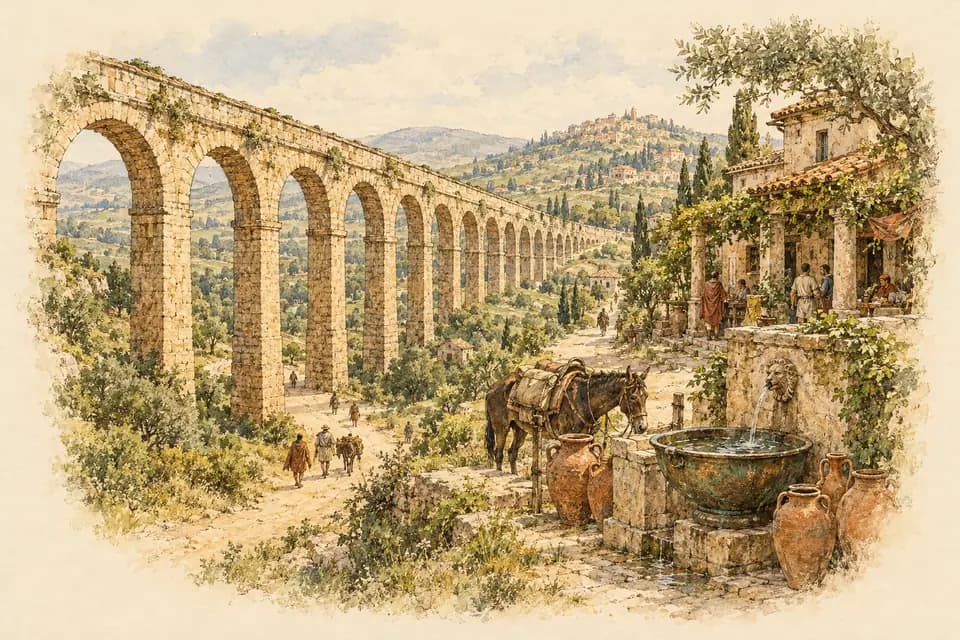 Ancient RomeGenerate plots from Rome's thousand years, from the last bloody elections of the Republic to the frontier forts of the Empire, each built around someone with a…
 BritishGenerate plots from Britain's past, from Tudor priories to Victorian slums to the Blitz, built around someone placed exactly where class, religion or the crown…
 RegencyGenerate Regency plots with a real obstacle between the couple, whether an entail, a debt of honor or a brother at Waterloo, and a whole Season of watchful…
 EuropeanGenerate plots from Europe's past, from Venetian glass furnaces to Habsburg courts to Weimar Berlin, built around a character whose language, faith or border…
 AsianGenerate plots set in Asia's past, from Song-dynasty exam halls to Joseon palaces to the Dutch post at Nagasaki, each tied to one place and one decade instead…
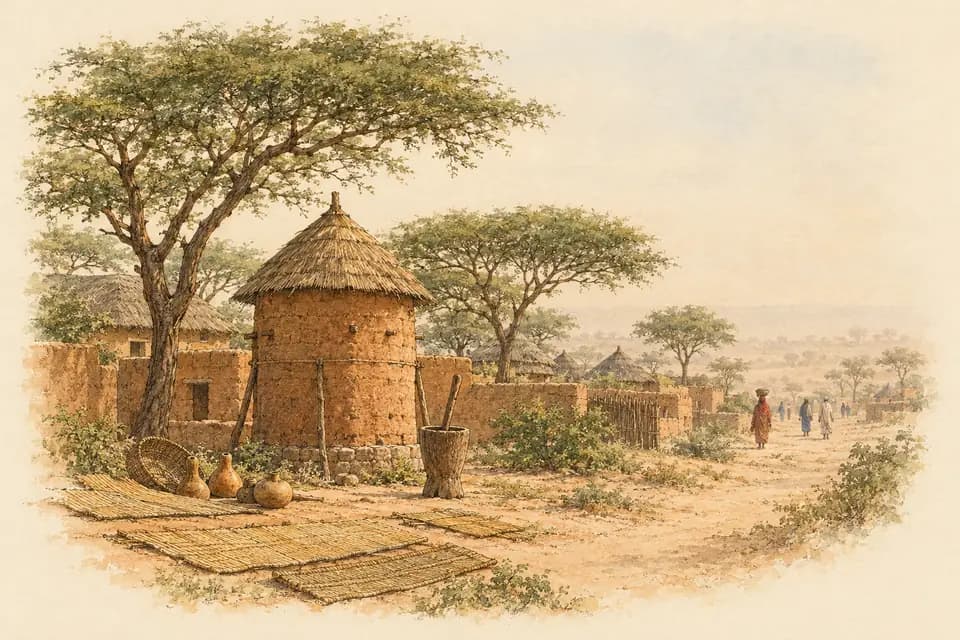 AfricanGenerate plots from Africa's long past, from Swahili trading towns to the Asante court to apartheid Johannesburg, built around people with their own ambitions…
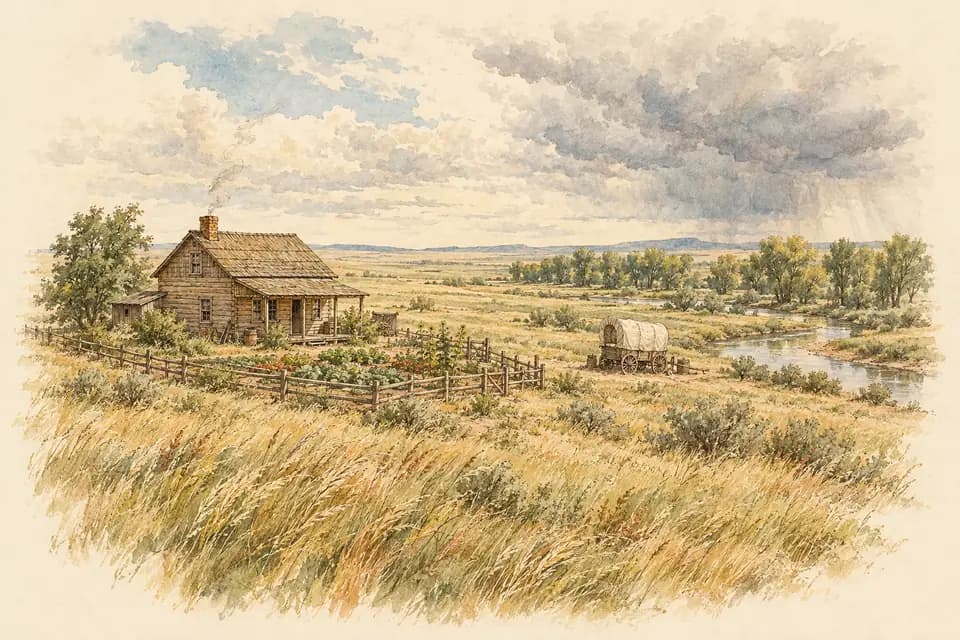 AmericasGenerate plots from Latin America, the Caribbean and Canada: silver towns, sugar islands, fur posts and the revolutions that remade them, each with a…
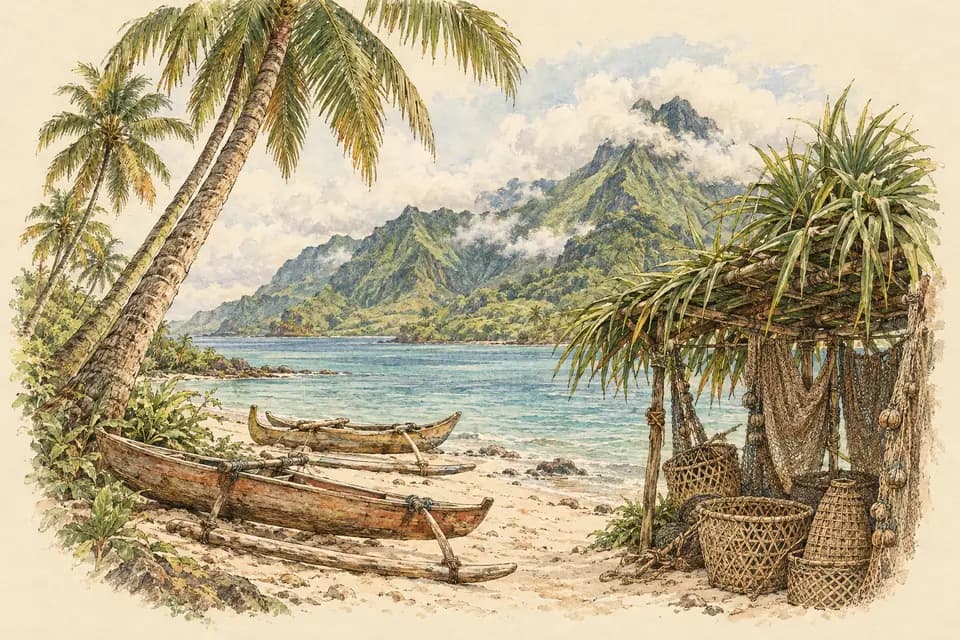 Australian & OceanianGenerate plots from Australia, Aotearoa New Zealand and the Pacific: convict ships, gold diggings, cane fields and the long reckoning between settlers and the…
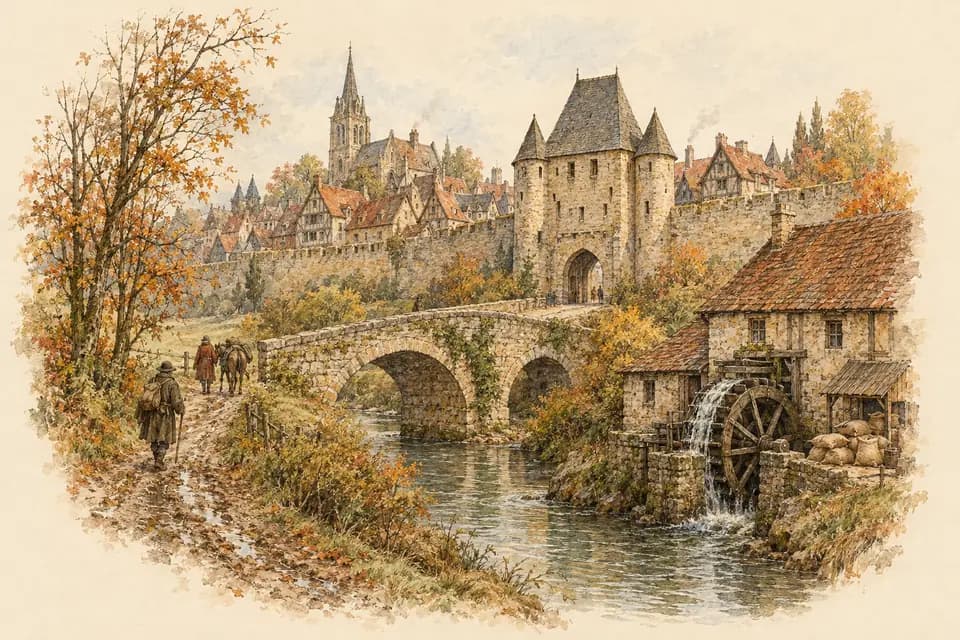 MedievalGenerate medieval plots tied to a real century and place, from Constantinople in 1204 to Essex in 1381, where oaths, tithes and harvests matter as much as any sword.
 BiographicalGenerate premises for novels about real people, built on what the records leave out: the missing year, the unsent letter, the person standing just outside the…
 Christian FictionGenerate plots for faith-centered historical novels, where a character's belief is tested by a real time and place, from Huguenot France to the Dust Bowl, and…
Names, a first scene and a title
Questions about World War 2 plots
How long should a World War II novel be?
Most adult WWII novels land between 90,000 and 120,000 words, and big multi-viewpoint books run longer. A debut is safer near the lower end. Young adult WWII novels usually run shorter, often 60,000 to 85,000 words.
Does a WWII novel need battle scenes?
No. Plenty of readers come for the home front, occupation, internment, codebreaking or the years just after 1945. The Guernsey Literary and Potato Peel Pie Society is set in 1946 and tells the German occupation of the Channel Islands through letters. What the reader needs is the war pressing on every choice, whether or not a shot is fired.
How do I research military details I can't afford to get wrong?
Start with unit histories and memoirs from the exact unit, theater and year, because equipment, ranks and slang changed over the course of the war. Oral history collections such as the Imperial War Museums' sound archive let you hear how people actually talked about it. Then ask a reader who knows the period to check uniforms, weapons and procedure.
Found the plot? Write it.
Take it into Chapterly: outline it on a board, name the cast, and write chapter one tonight.
Plans from $9.99 a month. Cancel any time. Your words are always yours.