Civil War Plot Generator
Generate Civil War plots that put a person on a real road, in a real siege or on a real date between Fort Sumter and Reconstruction. The samples and tips below keep slavery at the center, where the war put it.
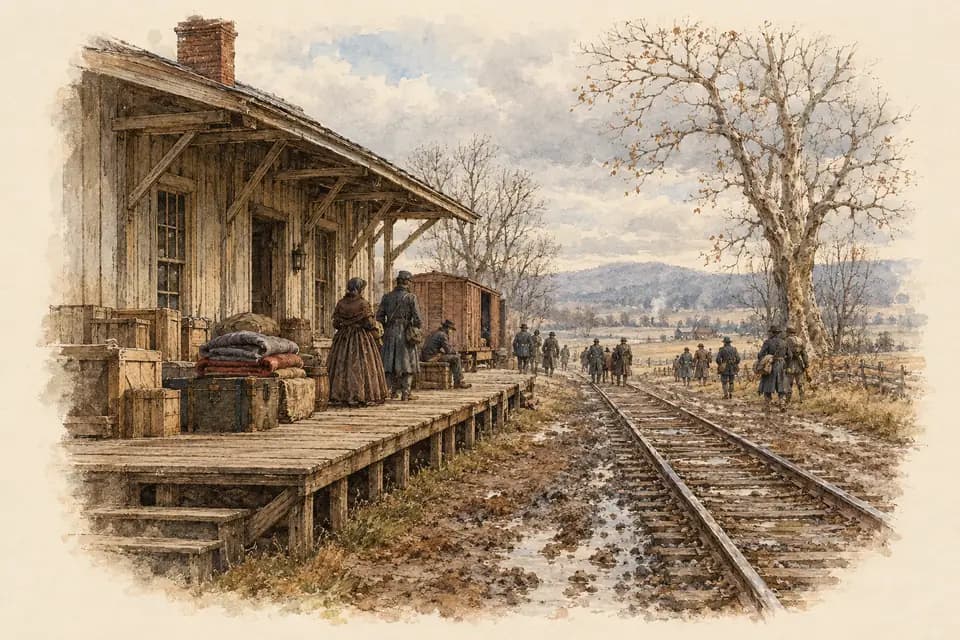
- Sample
Under the Bluff
Vicksburg, Mississippi, June 1863. Union guns shell the town day and night, and fourteen-year-old Clara Merritt's family lives in a cave dug into a hillside. Clara wants her sick mother to live to see the siege end. In the next cave, an enslaved woman named Delphine is planning to cross to Grant's lines with her children, and she needs the one thing Clara's family has hidden: a skiff.
- Sample
Running Lights
Wilmington, North Carolina, 1864. Angus Reid, a Scottish engineer on a blockade runner out of Nassau, wants one more run and enough gold to buy a share in a shipyard on the Clyde. This trip the hold carries rifles, corsets and a passenger who calls himself a cotton broker. When a Union cruiser closes in, the passenger tries to signal it, and Angus realizes the man has been working the blockade from the other side.
- Sample
Seven Dollars
South Carolina, 1863. Isaac Fuller escaped slavery in Georgia and now carries a rifle in a Black Union regiment, paid seven dollars a month after deductions while white privates draw thirteen. His wife and baby wait in a freedpeople's camp near Beaufort where rations are being cut. Isaac's company votes to refuse any pay until it is equal, and he votes with them. Then a sutler offers his wife credit if Isaac will name the men who organized the vote.
- Sample
Under the Confederate Sky
A British spy is trapped in the heart of the Confederate White House. As he navigates deception and secrets, he falls for a Southern Belle, questioning his loyalties.
- Sample
Stitched in Freedom
A talented African-American seamstress's life is turned around when she is requisitioned by the Union army to prepare uniforms. Her encounters open her world beyond slavery and into love and freedom.
- Sample
The Espionage of Freedom
On the brink of the Civil War, a young slave gains freedom and, with the help of Abraham Lincoln, becomes a Union spy. His espionage work changes the war's course.
- Sample
Divided Hearts
In a divided town, a Confederate officer's widow and a Union soldier fall in love, thrusting the town further into discord and forcing them to choose between love and loyalty.
- Sample
Among the Enemy
1861 Tennessee: A pro-Union family must survive in Confederate-occupied lands, plus deal with the eldest son who has shockingly enlisted in the Confederate army.
Civil War: what makes the plot work
Civil War fiction delves into the deeply divided nation, exploring the impact of the war on individuals and society.
Choose both commands or one soldier
The Killer Angels tells the three days of Gettysburg through commanders on both sides, so the reader understands decisions the men in the field never could. The opposite choice, one private who sees only his own patch of smoke, works too. Decide which book you are writing before you plot a battle.
Let someone walk home
Desertion, parole and the long road home put a character among civilians, guerrillas and ruined farms. Cold Mountain follows a wounded Confederate deserter walking back to North Carolina while the woman he loves learns to work her farm. Two threads moving toward each other give a war novel its pull.
Keep slavery at the center
The war was fought over slavery, and the plots readers remember don't treat it as scenery. From May 1861, enslaved people who escaped to Union lines at Fort Monroe were kept as 'contraband of war' instead of being returned, and that decision opened thousands of stories. Self-emancipation, Black soldiers and the fight over what freedom meant are the heart of the period.
Check every date against the law
The Emancipation Proclamation took effect on 1 January 1863 but applied only to areas in rebellion. Enslaved people in Galveston, Texas, learned of their freedom on 19 June 1865, and the Thirteenth Amendment was ratified in December 1865. When and where a character becomes free decides much of your plot.
More Historical Fiction plot generators
Or see the whole shelf: Historical Fiction plot ideas.
 World War 2Generate World War II plots built on a real front, a real year and a person with something to hide.
 World War 1Generate World War I plots that start in the mud and reach well past it: field hospitals, shell-filling sheds, Mesopotamia, the Armistice and the influenza…
 United StatesGenerate plots from American history that start with a region, a law and a person it squeezes.
 20th CenturyGenerate plots set in the century of telegrams, newsreels, partitions and moon suits.
 19th CenturyGenerate 19th century plots driven by what moved that century: wills and railway shares, gold fields and cotton mills, gaslight and the telegraph.
 18th CenturyGenerate 18th century plots built from the period's own machinery: bills of exchange, press gangs, lotteries, pamphlets and slow ships.
 American RevolutionGenerate American Revolution plots that look past the famous signatures: farm wives paid in British silver, printers working both sides, militiamen far from Boston.
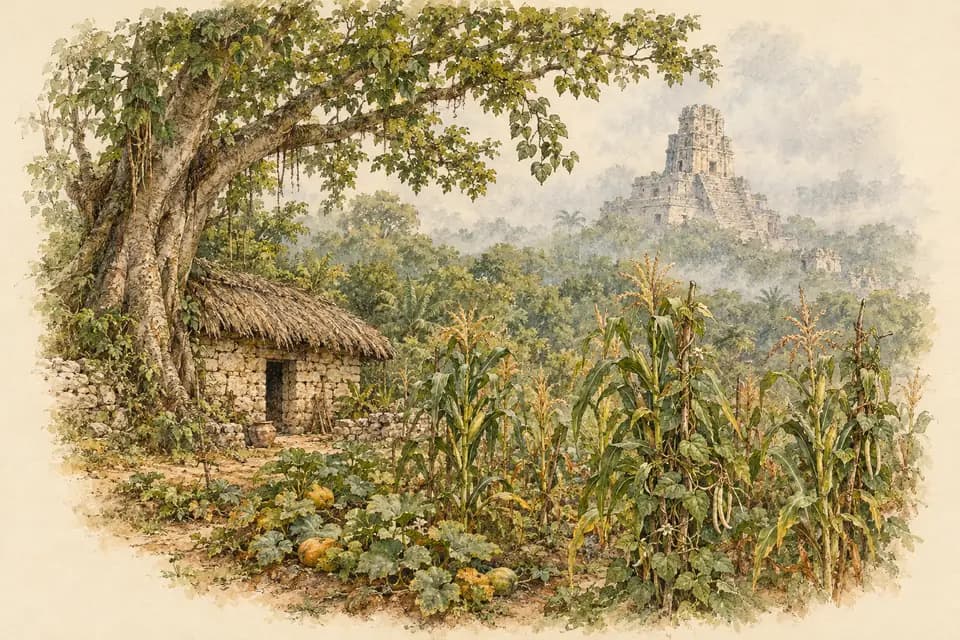 Ancient AmericasGenerate plots set in the Americas before the conquest: Mexica merchants, Maya courts, Inca record keepers and the great houses of Chaco Canyon.
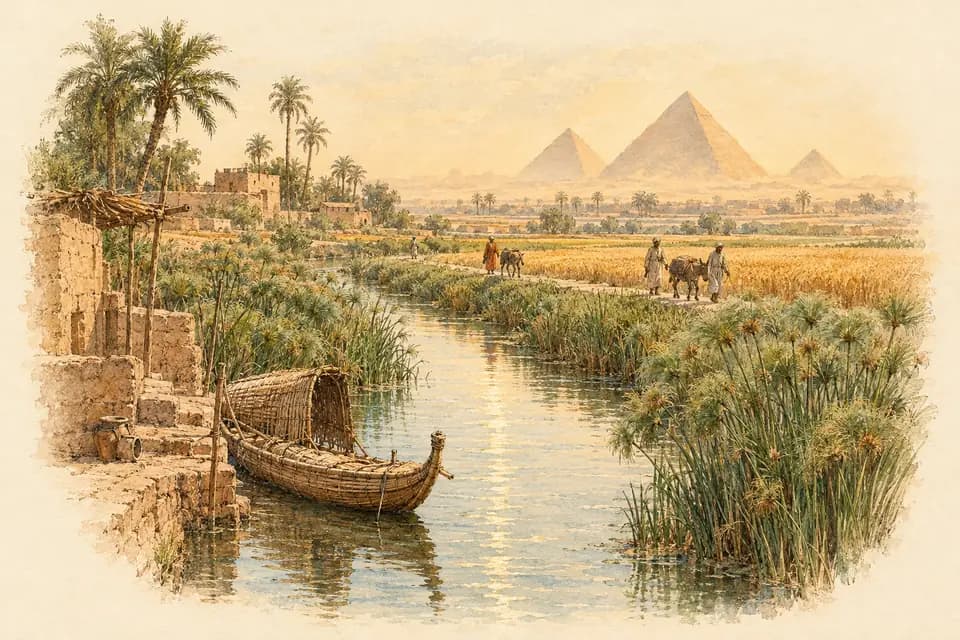 Ancient EgyptGenerate ancient Egypt plots from three thousand years of history, from the crews who hauled stone at Giza to the copyists of Ptolemaic Alexandria.
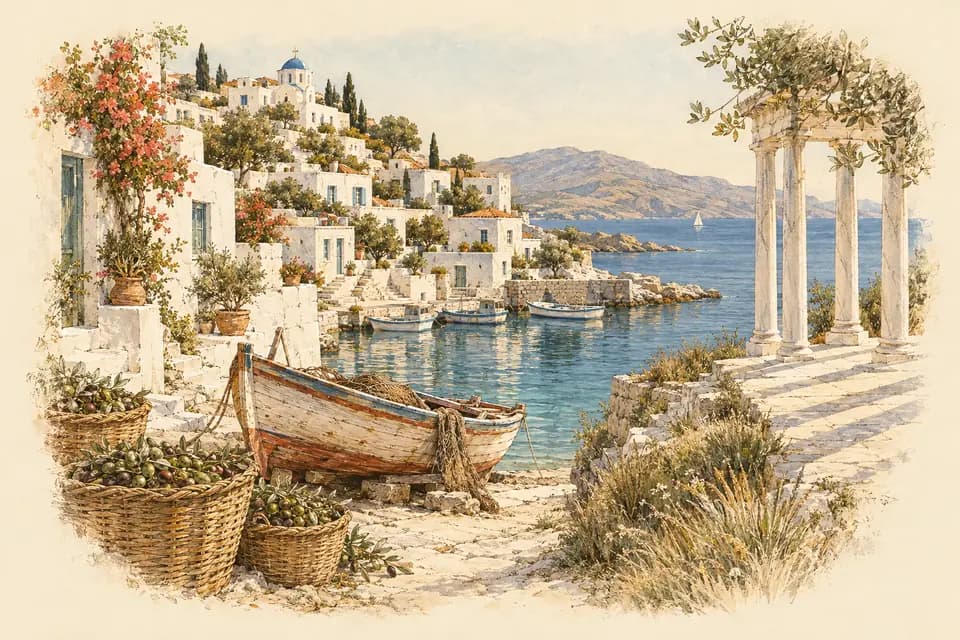 Ancient GreeceGenerate ancient Greek plots grounded in real history: plague years in Athens, chariot races at Olympia, the last days of a Bronze Age palace.
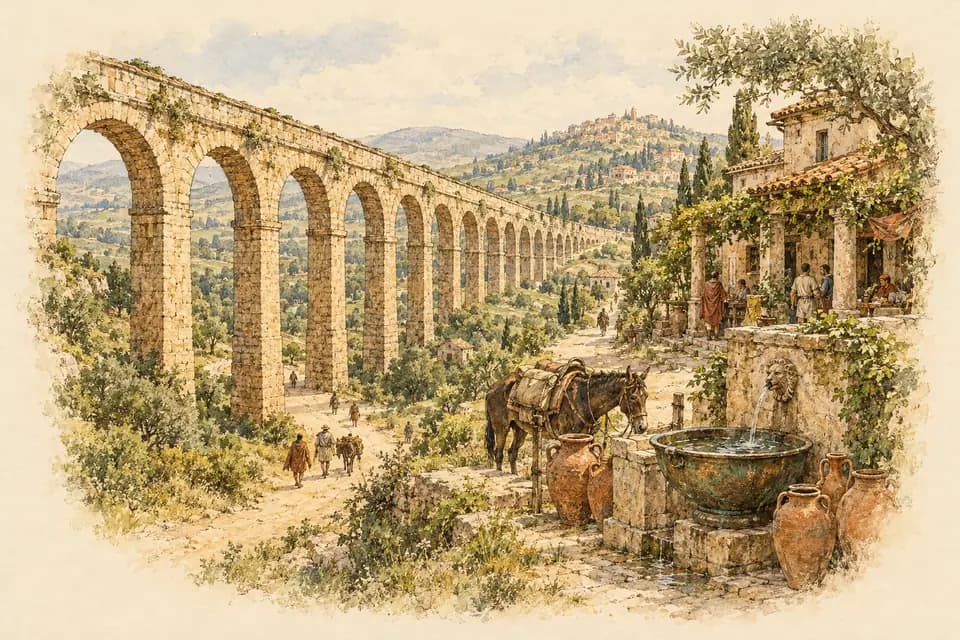 Ancient RomeGenerate plots from Rome's thousand years, from the last bloody elections of the Republic to the frontier forts of the Empire, each built around someone with a…
 BritishGenerate plots from Britain's past, from Tudor priories to Victorian slums to the Blitz, built around someone placed exactly where class, religion or the crown…
 RegencyGenerate Regency plots with a real obstacle between the couple, whether an entail, a debt of honor or a brother at Waterloo, and a whole Season of watchful…
 EuropeanGenerate plots from Europe's past, from Venetian glass furnaces to Habsburg courts to Weimar Berlin, built around a character whose language, faith or border…
 AsianGenerate plots set in Asia's past, from Song-dynasty exam halls to Joseon palaces to the Dutch post at Nagasaki, each tied to one place and one decade instead…
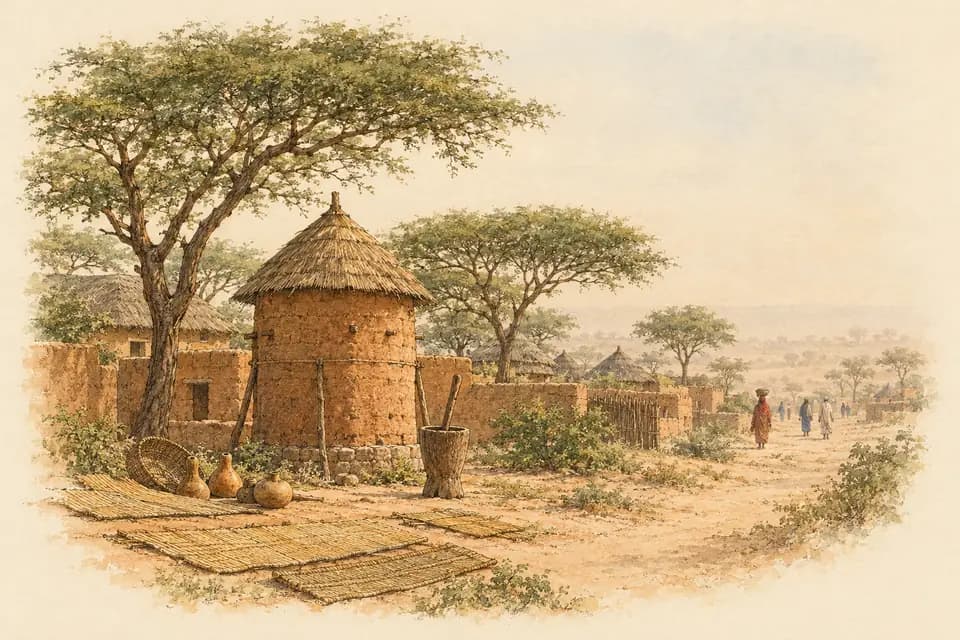 AfricanGenerate plots from Africa's long past, from Swahili trading towns to the Asante court to apartheid Johannesburg, built around people with their own ambitions…
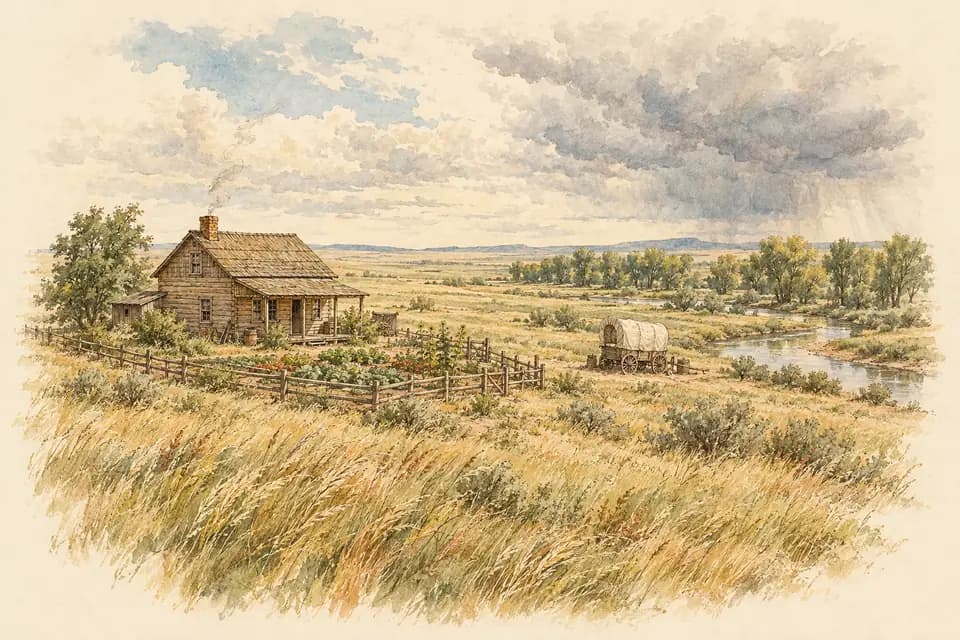 AmericasGenerate plots from Latin America, the Caribbean and Canada: silver towns, sugar islands, fur posts and the revolutions that remade them, each with a…
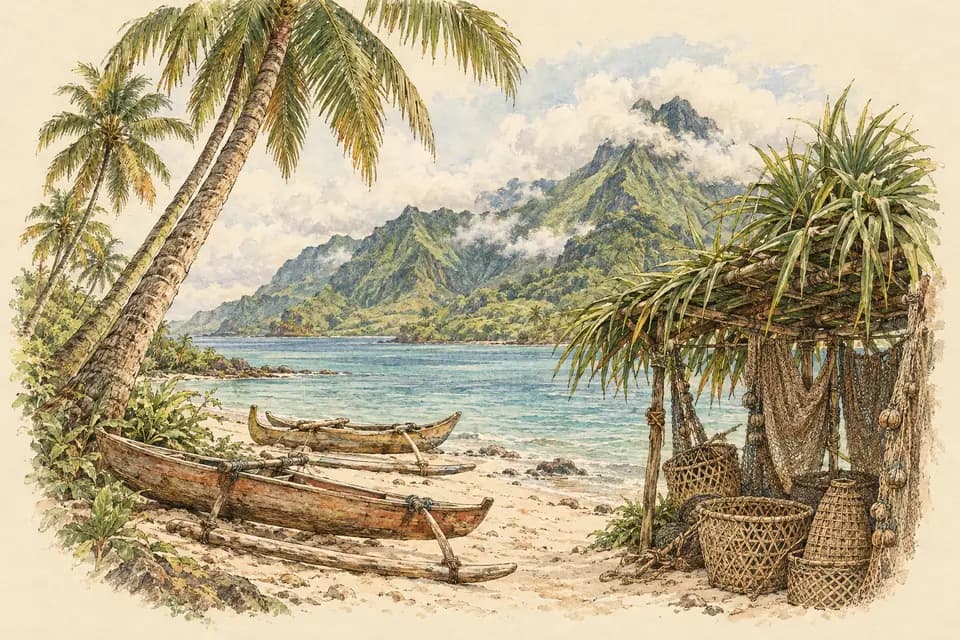 Australian & OceanianGenerate plots from Australia, Aotearoa New Zealand and the Pacific: convict ships, gold diggings, cane fields and the long reckoning between settlers and the…
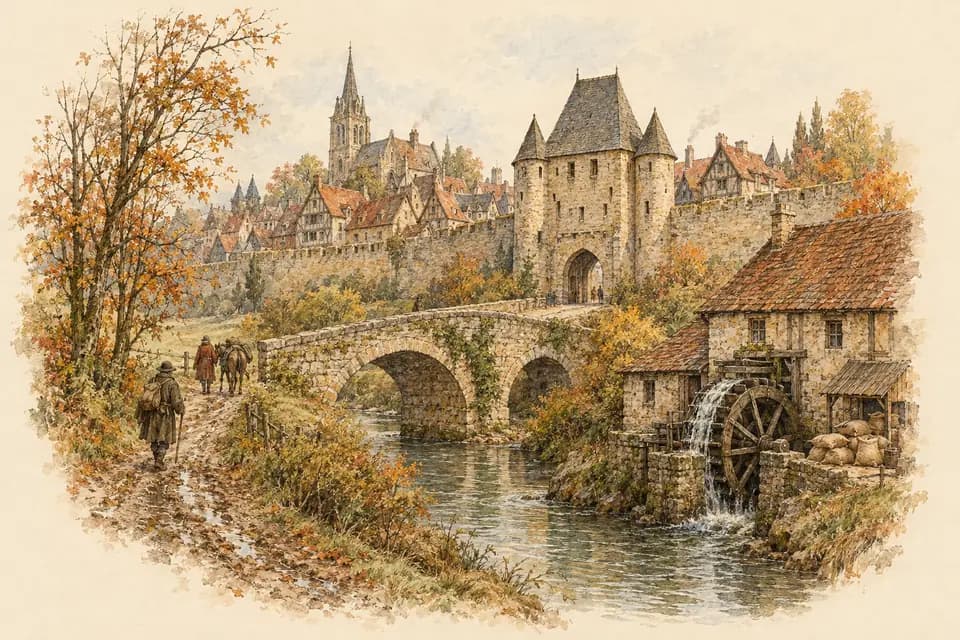 MedievalGenerate medieval plots tied to a real century and place, from Constantinople in 1204 to Essex in 1381, where oaths, tithes and harvests matter as much as any sword.
 BiographicalGenerate premises for novels about real people, built on what the records leave out: the missing year, the unsent letter, the person standing just outside the…
 Christian FictionGenerate plots for faith-centered historical novels, where a character's belief is tested by a real time and place, from Huguenot France to the Dust Bowl, and…
Names, a first scene and a title
Questions about Civil War plots
Can I tell a Civil War story from a Confederate point of view?
Yes, and strong novels do, but readers now expect the book not to repeat the Lost Cause myth of a noble war over states' rights. A Confederate character can believe it while the novel shows what that belief protected. Give the people around them, especially the enslaved, full inner lives.
How do I research a soldier's regiment?
The National Park Service's Soldiers and Sailors Database lists regiments and individual service. The Official Records of the War of the Rebellion print the armies' reports and correspondence, and regimental histories and soldiers' letters add daily detail. Pension files at the National Archives often hold the most personal stories.
Does Civil War fiction include Reconstruction?
Often. Reconstruction, from 1865 to 1877, carries the war's questions into peacetime: land, voting, the Freedmen's Bureau and the violence that rolled back Black political gains. Many novels treat the war and its aftermath as one story, starting in the 1860s and ending years after Appomattox.
Found the plot? Write it.
Take it into Chapterly: outline it on a board, name the cast, and write chapter one tonight.
Plans from $9.99 a month. Cancel any time. Your words are always yours.