Ancient Rome Plot Generator
Generate plots from Rome's thousand years, from the last bloody elections of the Republic to the frontier forts of the Empire, each built around someone with a lot to lose when the Senate, the legions or the mob turns.
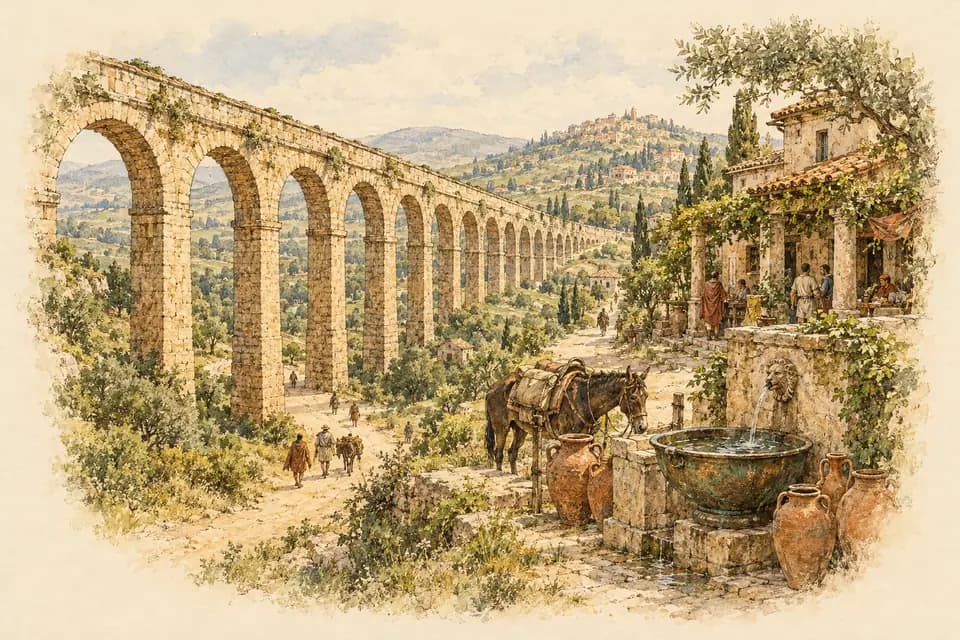
- Sample
Every Name in the Forum
Rome, 63 BC. Pylades is a nomenclator, the slave who whispers voters' names into his master's ear, and Lucius Sergius Catilina has promised him freedom if he wins the consulship. Catiline loses. Soon the voter lists Pylades carries in his head are being used to mark men for murder, and Cicero's agents are offering him a price for every name he gives up.
- Sample
The Prefect's Letters
Around AD 100, at the fort of Vindolanda in northern Britain, an enslaved scribe named Hermes writes the commanding officer's letters and saves every coin toward his freedom. Copying a routine supply account, he realizes the prefect is selling the garrison's wheat to local Britons. Exposing him could win Hermes his freedom or a quiet death, and the prefect's wife, who taught him his letters, is part of the scheme.
- Sample
The Cook Who Stayed
On the night of August 24, AD 410, Alaric's Goths enter Rome through the Salarian Gate. Ansila, enslaved cook to a senator on the Aventine, was born a Goth and sold south as a boy. His master has fled and left him to guard the silver. The soldiers who break into his kitchen speak his mother's tongue and offer him freedom if he shows them the treasure. The master's youngest daughter is hiding behind the ovens.
- Sample
Blood and Sand: Rise of the Gladiator
A life-long slave rises to the position of a renowned gladiator, carrying secrets that could overthrow a corrupt emperor. His life and freedom are on a tightrope.
- Sample
The Sacred Flame
Vestal Virgin, keeper of Rome's eternal flame, witnesses a murder that if revealed, would unravel the Roman Senate and unleash chaos.
- Sample
Caesar's Legacy: The Forgotten Truth
A fabled map promising Caesar's lost treasure lures a trio of friends on a deadly adventure through the darker facets of Rome, only to uncover a horrifying truth.
- Sample
Centurion's Honor
A Roman Centurion, falsely accused of treason, is thrust into a deadly race against time to reveal the true traitors and save Rome from impending doom.
- Sample
The Masked Scholar of Rome
In a world where women are forbidden from learning or teaching, a young Roman woman disguises herself as a boy to study the great philosophers.
Ancient Rome: what makes the plot work
Ancient Rome fiction explores the rise and fall of the Roman Empire, encompassing politics, warfare, and the lives of its citizens.
Pick a year, not just Rome
Rome lasted more than a thousand years, and 63 BC feels nothing like AD 410. Romans named each year after its two consuls, so politics was the calendar. Robert Harris's Imperium follows Cicero's climb toward the consulship, and the election timetable does most of the work of a ticking clock.
Let status shape every scene
Slave, freedman, plebeian, equestrian, senator: each rank had different legal protections, clothes and prospects. In Lindsey Davis's The Silver Pigs, Marcus Didius Falco is a plebeian informer, and the gap between him and the senator's daughter Helena Justina is a plot problem before it's a romance. Ask what your character's rank allows, and what it forbids.
Use the ending readers already know
Readers know Caesar dies on the Ides of March in 44 BC and that Vesuvius buries Pompeii in AD 79. That knowledge becomes suspense when your character doesn't share it. Robert Graves's I, Claudius works this way: everyone knows Claudius becomes emperor, so the tension is in how a stammering, mocked man survives his own family long enough to get there.
Leave the city for the provinces
Some of the best Roman stories happen far from the Forum, in Judea, Egypt, Gaul or Britain. Rosemary Sutcliff's The Eagle of the Ninth sends a wounded ex-centurion north of Hadrian's Wall to recover the lost eagle of the Ninth Legion. A provincial setting shows Rome from the outside, through the people it ruled.
More Historical Fiction plot generators
Or see the whole shelf: Historical Fiction plot ideas.
 World War 2Generate World War II plots built on a real front, a real year and a person with something to hide.
 World War 1Generate World War I plots that start in the mud and reach well past it: field hospitals, shell-filling sheds, Mesopotamia, the Armistice and the influenza…
 United StatesGenerate plots from American history that start with a region, a law and a person it squeezes.
 20th CenturyGenerate plots set in the century of telegrams, newsreels, partitions and moon suits.
 19th CenturyGenerate 19th century plots driven by what moved that century: wills and railway shares, gold fields and cotton mills, gaslight and the telegraph.
 18th CenturyGenerate 18th century plots built from the period's own machinery: bills of exchange, press gangs, lotteries, pamphlets and slow ships.
 American RevolutionGenerate American Revolution plots that look past the famous signatures: farm wives paid in British silver, printers working both sides, militiamen far from Boston.
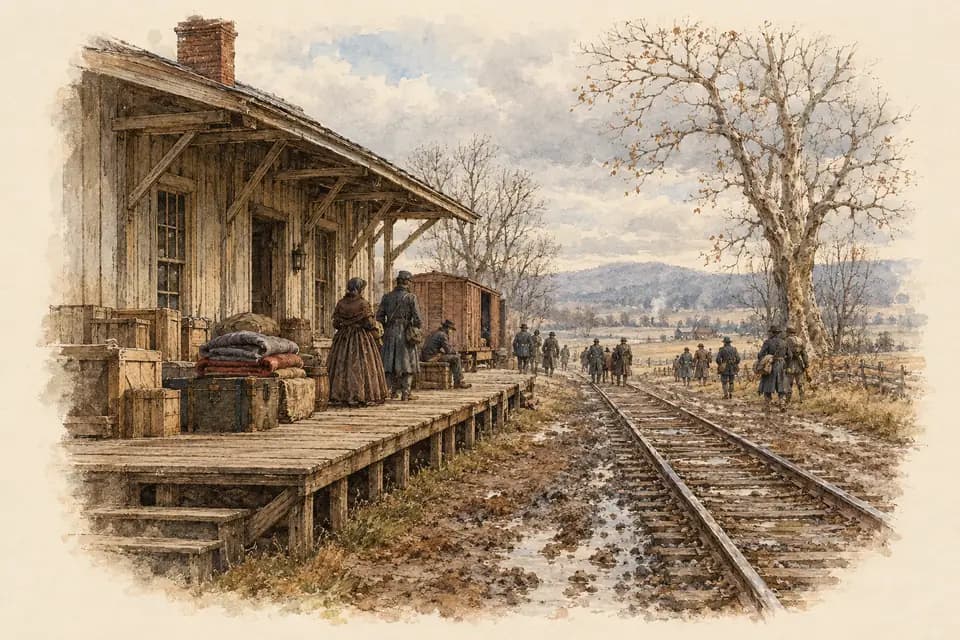 Civil WarGenerate Civil War plots that put a person on a real road, in a real siege or on a real date between Fort Sumter and Reconstruction.
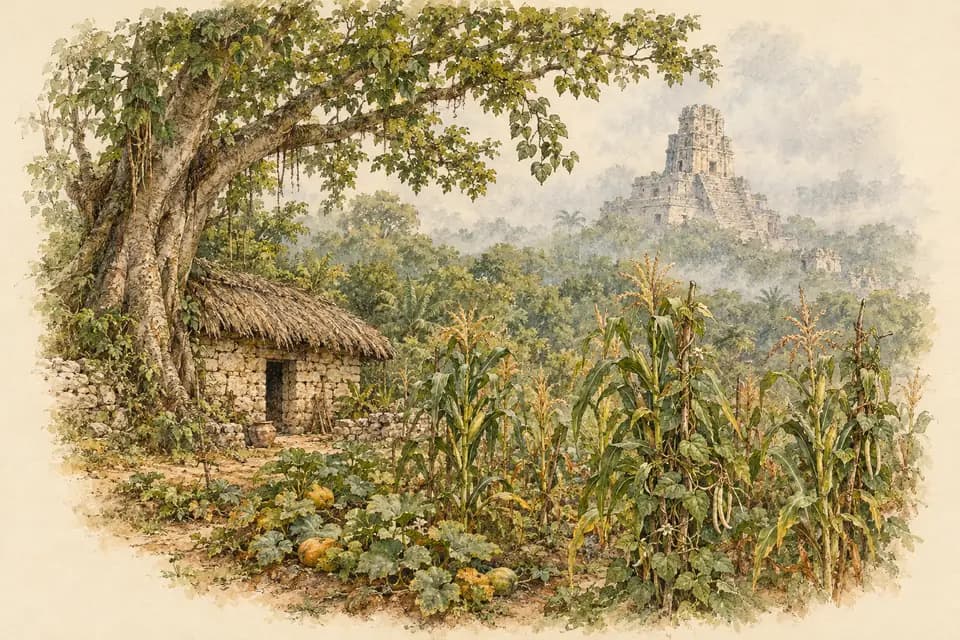 Ancient AmericasGenerate plots set in the Americas before the conquest: Mexica merchants, Maya courts, Inca record keepers and the great houses of Chaco Canyon.
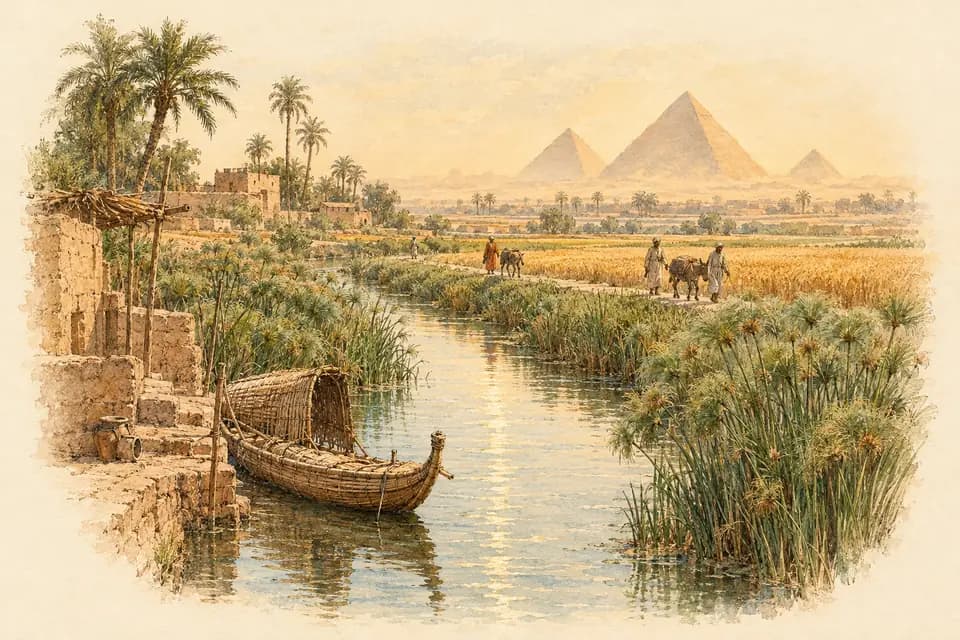 Ancient EgyptGenerate ancient Egypt plots from three thousand years of history, from the crews who hauled stone at Giza to the copyists of Ptolemaic Alexandria.
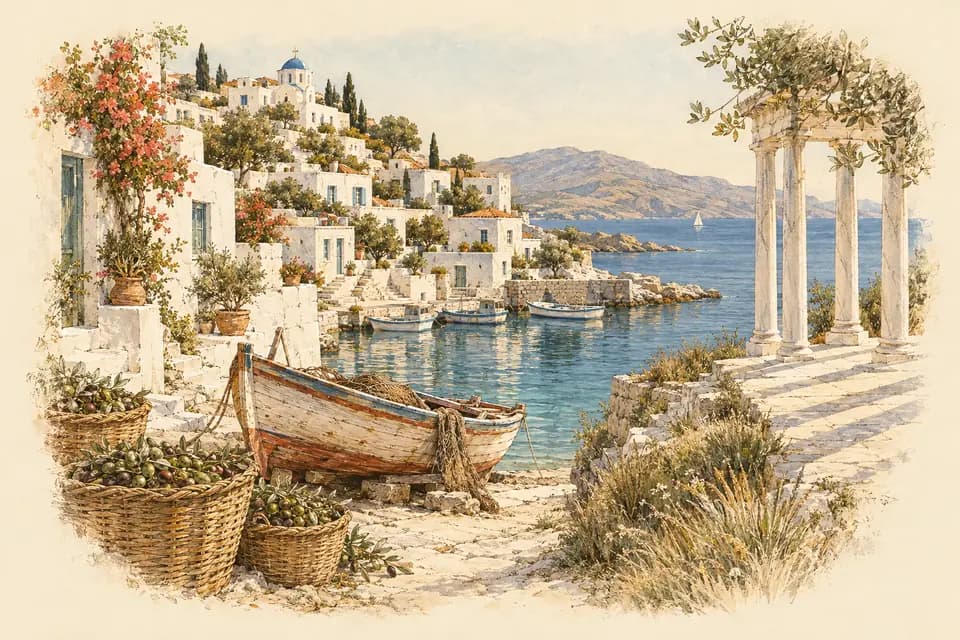 Ancient GreeceGenerate ancient Greek plots grounded in real history: plague years in Athens, chariot races at Olympia, the last days of a Bronze Age palace.
 BritishGenerate plots from Britain's past, from Tudor priories to Victorian slums to the Blitz, built around someone placed exactly where class, religion or the crown…
 RegencyGenerate Regency plots with a real obstacle between the couple, whether an entail, a debt of honor or a brother at Waterloo, and a whole Season of watchful…
 EuropeanGenerate plots from Europe's past, from Venetian glass furnaces to Habsburg courts to Weimar Berlin, built around a character whose language, faith or border…
 AsianGenerate plots set in Asia's past, from Song-dynasty exam halls to Joseon palaces to the Dutch post at Nagasaki, each tied to one place and one decade instead…
 AfricanGenerate plots from Africa's long past, from Swahili trading towns to the Asante court to apartheid Johannesburg, built around people with their own ambitions…
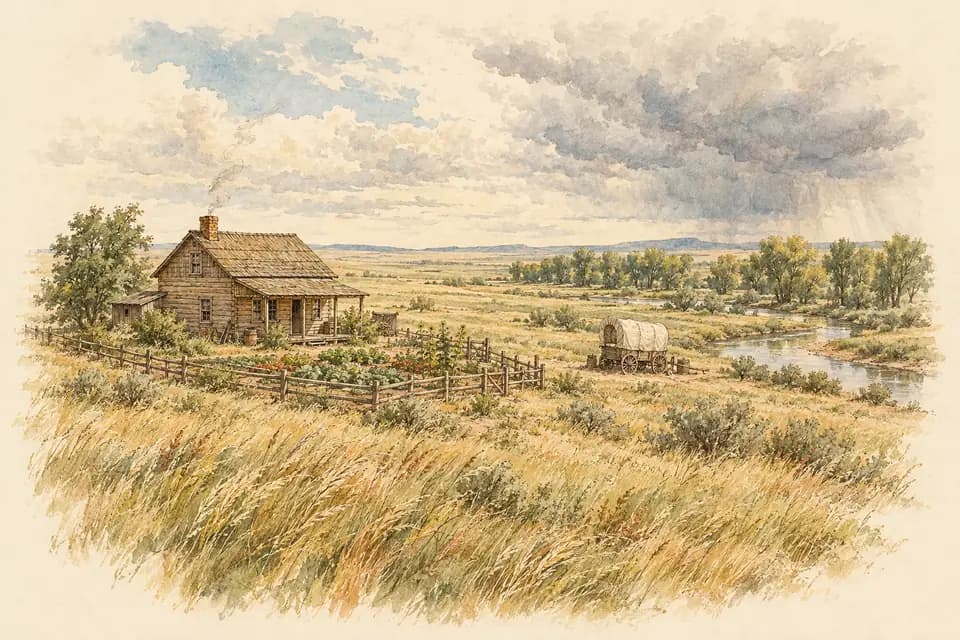 AmericasGenerate plots from Latin America, the Caribbean and Canada: silver towns, sugar islands, fur posts and the revolutions that remade them, each with a…
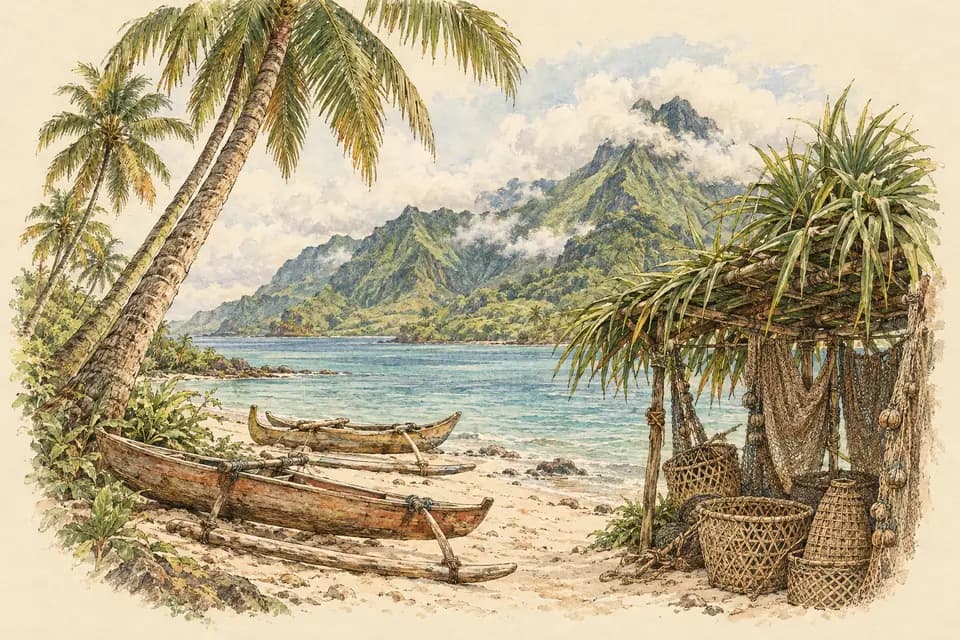 Australian & OceanianGenerate plots from Australia, Aotearoa New Zealand and the Pacific: convict ships, gold diggings, cane fields and the long reckoning between settlers and the…
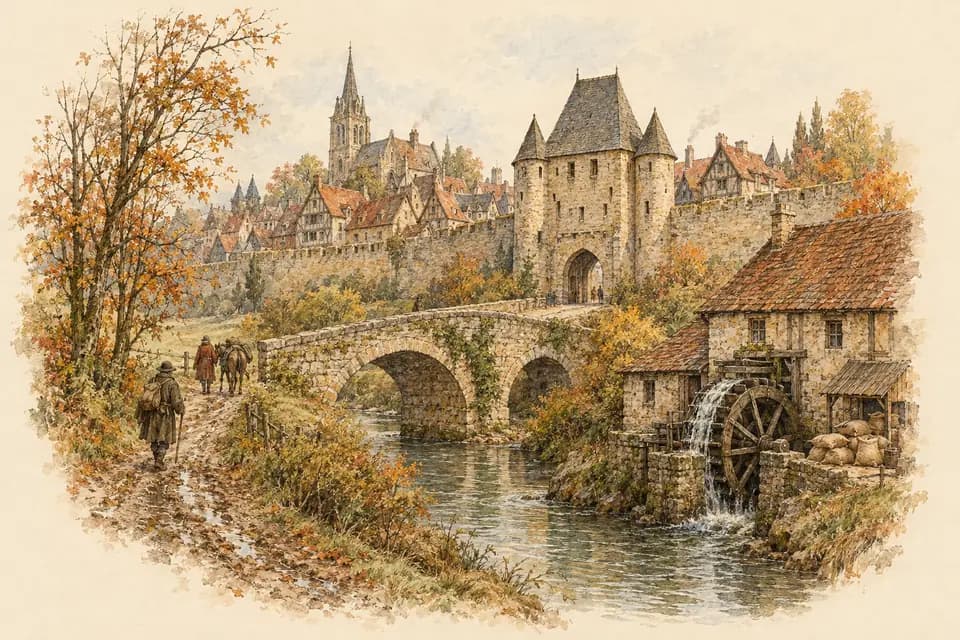 MedievalGenerate medieval plots tied to a real century and place, from Constantinople in 1204 to Essex in 1381, where oaths, tithes and harvests matter as much as any sword.
 BiographicalGenerate premises for novels about real people, built on what the records leave out: the missing year, the unsent letter, the person standing just outside the…
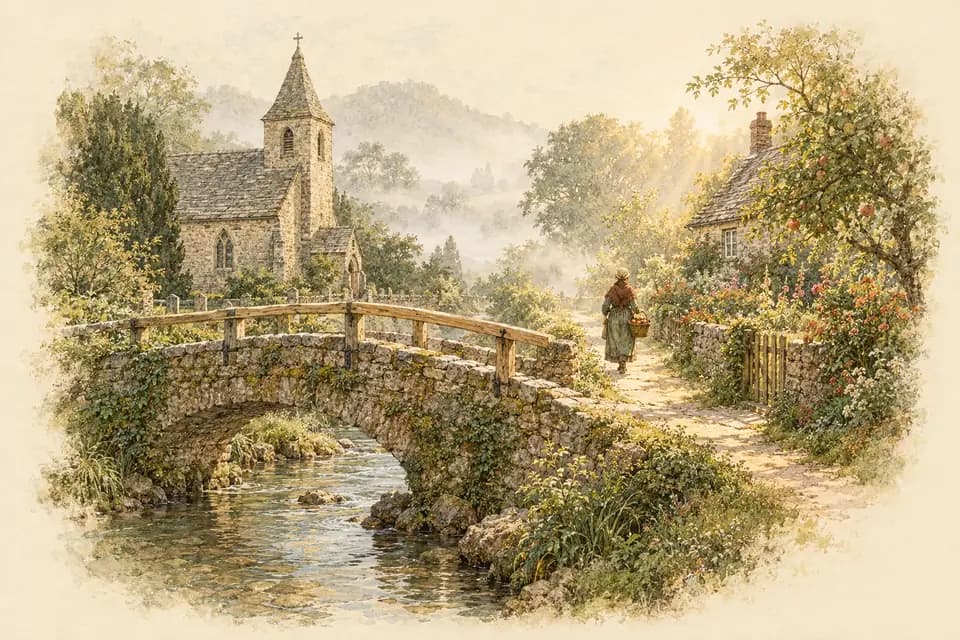 Christian FictionGenerate plots for faith-centered historical novels, where a character's belief is tested by a real time and place, from Huguenot France to the Dust Bowl, and…
Names, a first scene and a title
- Name generatorMedieval Roman namesName the cast before they walk on stage.
- Name generatorRoman god namesName the cast before they walk on stage.
- Writing promptsAncient Rome writing promptsA first scene to write from, today.
- Title generatorHistorical Fiction title generatorTry a title on the plot you picked.
Questions about Ancient Rome plots
How much Latin should I use in a novel set in ancient Rome?
Use Latin where English has no clean equivalent, such as lictor, atrium or toga praetexta, and for offices and titles. Write dialogue in natural modern English rather than stiff, translated-sounding speech. Watch the small traps readers catch: a Roman soldier is a legionary, not a legionnaire, which belongs to the French Foreign Legion.
How did Romans date years, and should my characters do the same?
Romans usually named a year after its two consuls, so 70 BC was the year Pompey and Crassus were consuls. Counting from the founding of the city appears mostly in histories. Most novelists use BC and AD in narration for clarity and let characters speak the consular way, which sounds right without confusing anyone.
Is the Republic or the Empire a better setting?
The late Republic, roughly 133 to 31 BC, gives you elections, trials, street gangs and civil war, which suits political thrillers. The early Empire swaps open politics for palace intrigue, informers and frontier wars. The late Empire adds the rise of Christianity and the Gothic and Vandal invasions, good ground for stories about endings.
Found the plot? Write it.
Take it into Chapterly: outline it on a board, name the cast, and write chapter one tonight.
Plans from $9.99 a month. Cancel any time. Your words are always yours.