United States Plot Generator
Generate plots from American history that start with a region, a law and a person it squeezes. Use them for mill towns, cattle trails, immigration stations, world's fairs and every chapter the textbooks rushed past.
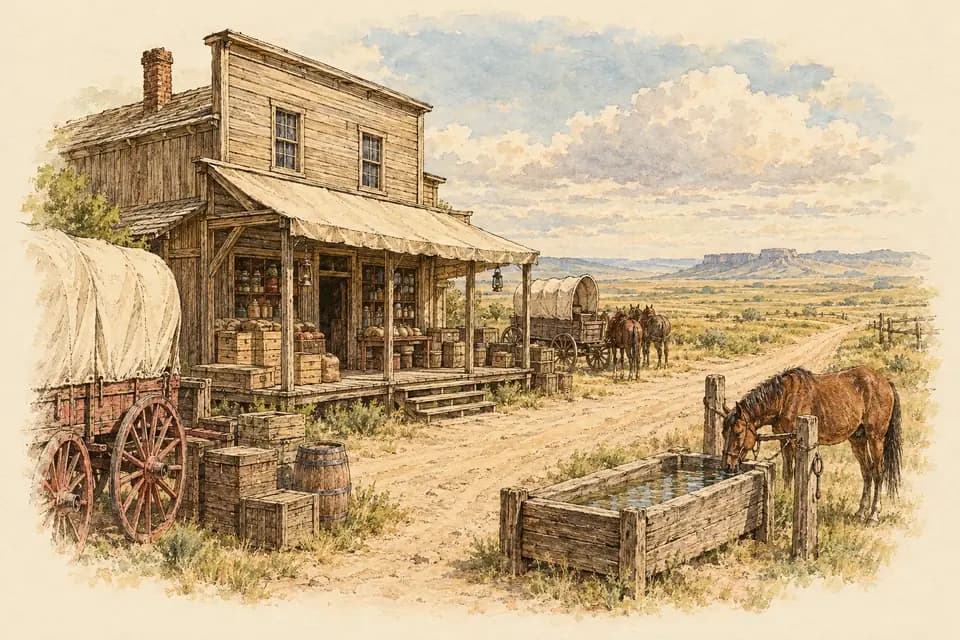
- Sample
Ten Hours
Lowell, Massachusetts, 1845. Abigail Fenn left her family's Vermont farm to tend looms, and she has two years to earn enough to pay off her father's mortgage. The women in her boardinghouse are gathering signatures for a ten-hour workday, and the overseer has made clear that signers lose their places. Abigail signs a made-up name to stay safe. Then the legislature calls signers to testify, and her invented name belongs to a real girl two looms over.
- Sample
The Coaching Book
San Francisco Bay, 1924. Twelve-year-old Wing spent the Pacific crossing memorizing a coaching book about a village he has never seen, because his papers say he is the son of a merchant he has never met. At the Angel Island Immigration Station, the inspectors ask how many steps lead to the family's front door. Wing answers perfectly. The man posing as his older brother, questioned in the next room, does not.
- Sample
A Ticket to the White City
Chicago, 1893. Sigrid Nesse, eighteen and fresh off a Wisconsin dairy farm, talks her way into a job demonstrating typewriters at the World's Columbian Exposition. Her boss pays well and sells shares in his typewriter factory to dazzled visitors. Sigrid wants to keep the job until the fair closes. Then she learns the factory doesn't exist, and the newest investor is the uncle who paid her train fare.
- Sample
The Gilt of the Gold Rush
In the height of the Gold Rush era, a shunned English aristocrat embarks upon a desperate journey to America to mend a family feud, leading to unexpected alliances, treacherous mining towns and deadly rivalries behind the glittering promise of fortune.
- Sample
Threads of Freedom
A cunning abolitionist during the Civil War era uses her upscale dress shop as a front to smuggle runaway slaves to freedom. As the authorities close in, she must make a haunting choice between safety and justice.
- Sample
Harvest of Betrayal
When an ambitious young reporter uncovers a government plot against the Irish immigrants during the Great Potato Famine, he must risk everything – from his career to his blooming romance with an Irish lass – to bring the truth to light.
- Sample
The Pacifist's Revolution
Set during the American colonial era, a pacifist Quaker woman is thrust into the heart of the Revolutionary War when her quiet village becomes a battleground. Amidst the chaos, she falls for a wounded British soldier, testing her beliefs and loyalty.
- Sample
West of Hope
In the aftermath of the Great Depression, an African-American sharecropper makes a daring escape from the Jim Crow south, only to discover a dramatic new struggle for equality in 1930s Los Angeles.
United States: what makes the plot work
United States historical fiction encompasses a wide range of American historical events, cultural shifts, and significant figures, offering rich narratives of the country's past.
Choose the region before the decade
American history ran on different clocks in different places. The 1870s meant Reconstruction in South Carolina, railroad strikes in Pittsburgh and raids on the Texas frontier. News of the World works because it is so local: an old veteran in 1870 driving a girl, taken back from years with the Kiowa, across a Texas still sorting out its war.
Give the plot a route and a job
A cattle drive, a river run, a railroad survey or a wagon road gives a long book a spine and a finish line. Lonesome Dove follows two retired Texas Rangers driving a herd from the Rio Grande to Montana, and the plot comes from what the trail costs each person on it.
Make the law of the day an antagonist
Many American plots turn on a statute: the Fugitive Slave Act of 1850, the Chinese Exclusion Act of 1882, the Volstead Act of 1919, Executive Order 9066 in 1942. A law gives you a clock, enforcers and loopholes. Read the actual text, because the details of who it covered will hand you scenes.
Mix real and invented people deliberately
Ragtime lets Harry Houdini, Evelyn Nesbit, J. P. Morgan and Emma Goldman cross paths with invented families in early 20th century New York. The fictional families carry the plot, and the famous ones pass through it. Decide early which real people get a scene and which stay in the newspaper headlines.
More Historical Fiction plot generators
Or see the whole shelf: Historical Fiction plot ideas.
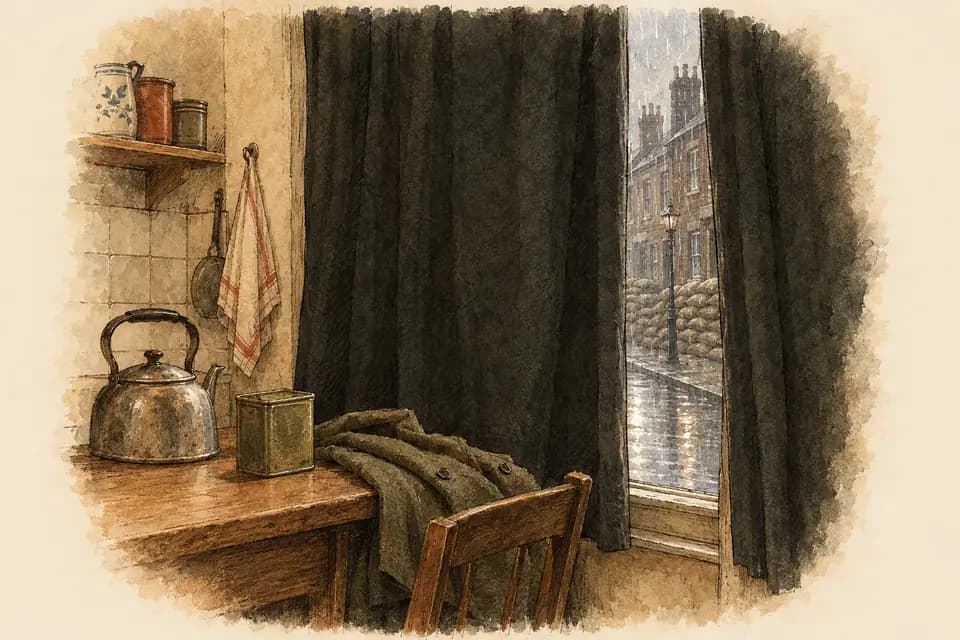 World War 2Generate World War II plots built on a real front, a real year and a person with something to hide.
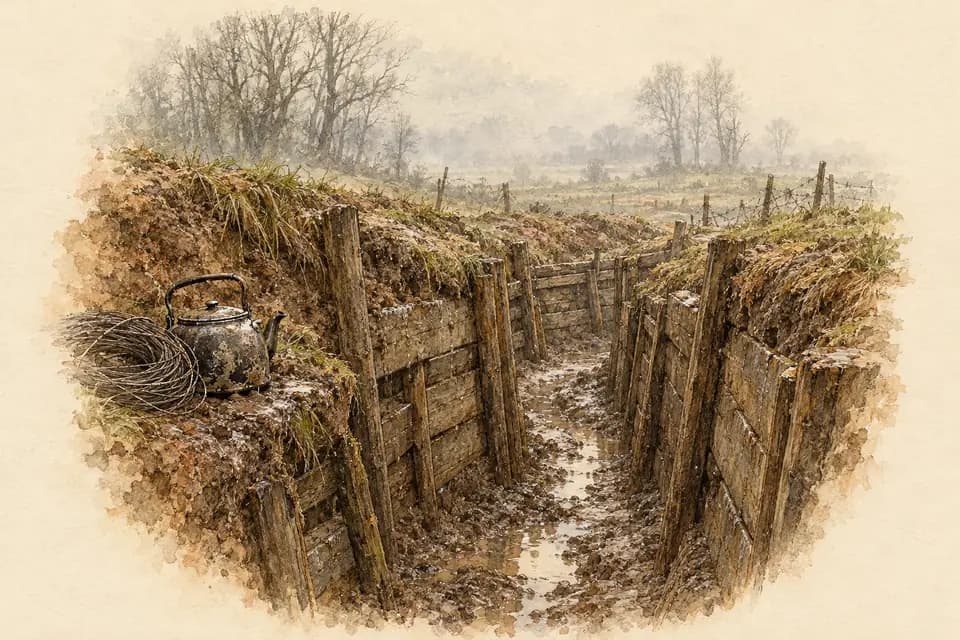 World War 1Generate World War I plots that start in the mud and reach well past it: field hospitals, shell-filling sheds, Mesopotamia, the Armistice and the influenza…
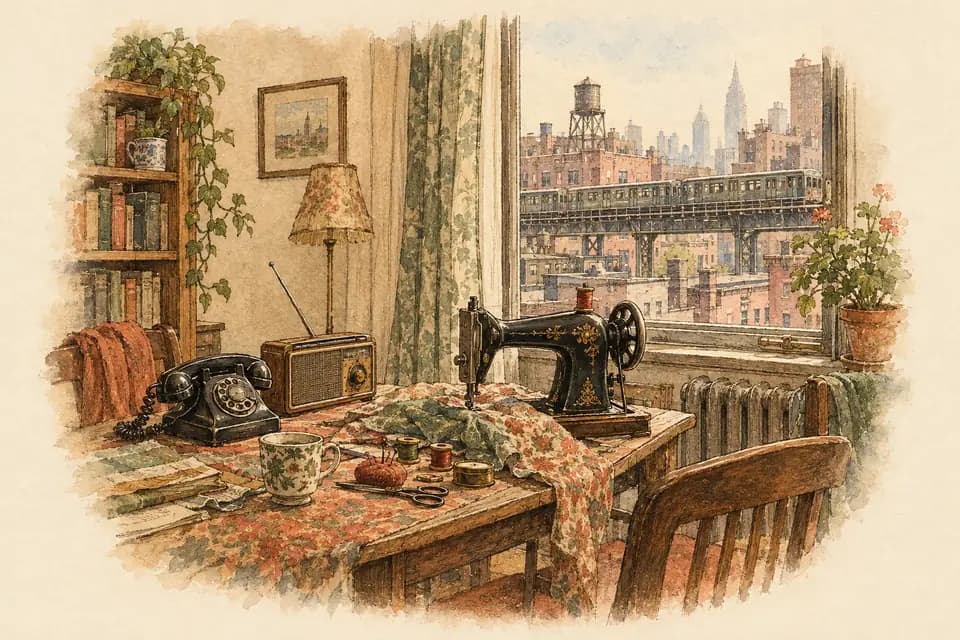 20th CenturyGenerate plots set in the century of telegrams, newsreels, partitions and moon suits.
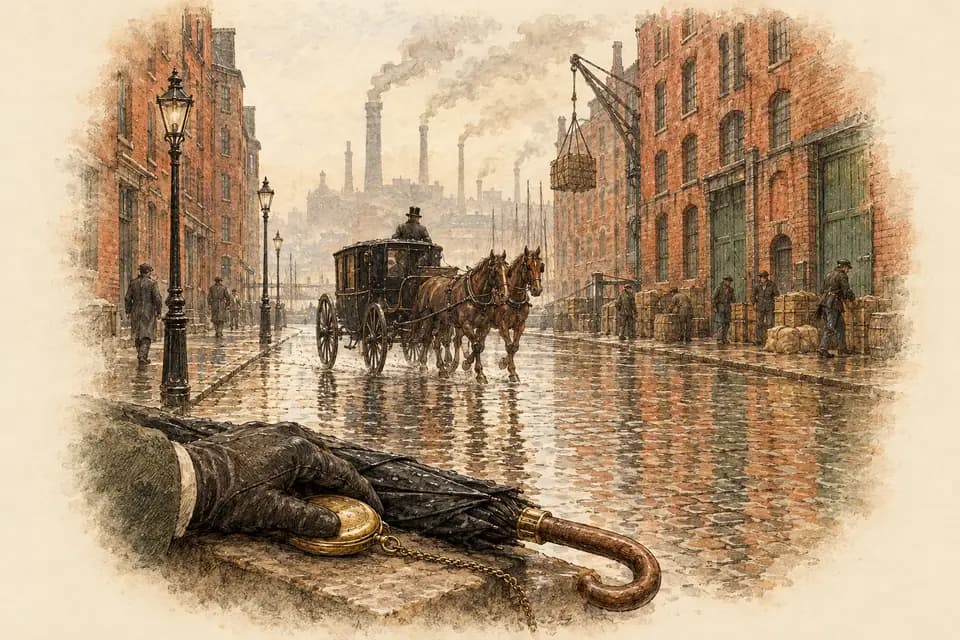 19th CenturyGenerate 19th century plots driven by what moved that century: wills and railway shares, gold fields and cotton mills, gaslight and the telegraph.
 18th CenturyGenerate 18th century plots built from the period's own machinery: bills of exchange, press gangs, lotteries, pamphlets and slow ships.
 American RevolutionGenerate American Revolution plots that look past the famous signatures: farm wives paid in British silver, printers working both sides, militiamen far from Boston.
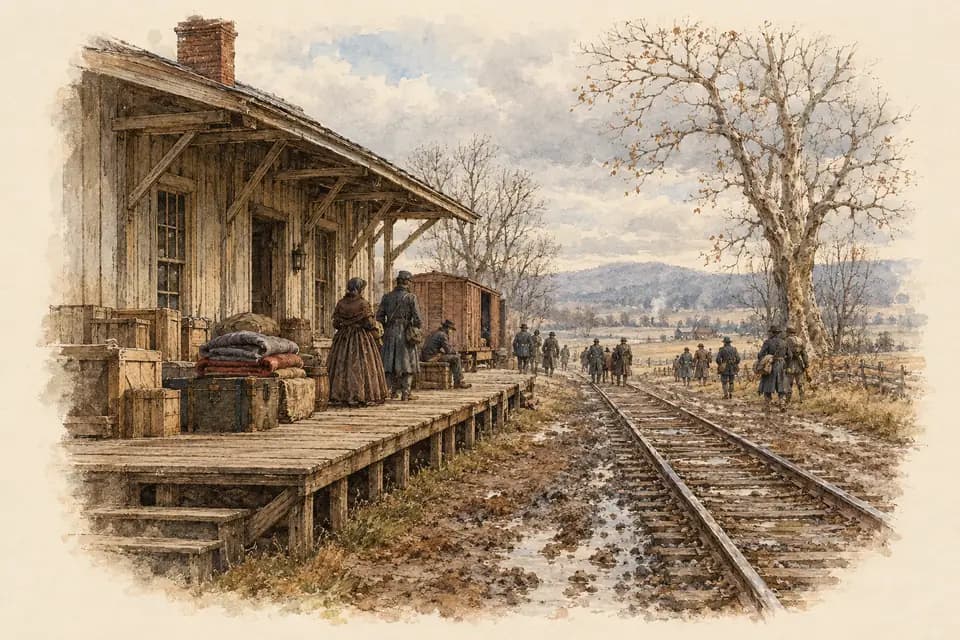 Civil WarGenerate Civil War plots that put a person on a real road, in a real siege or on a real date between Fort Sumter and Reconstruction.
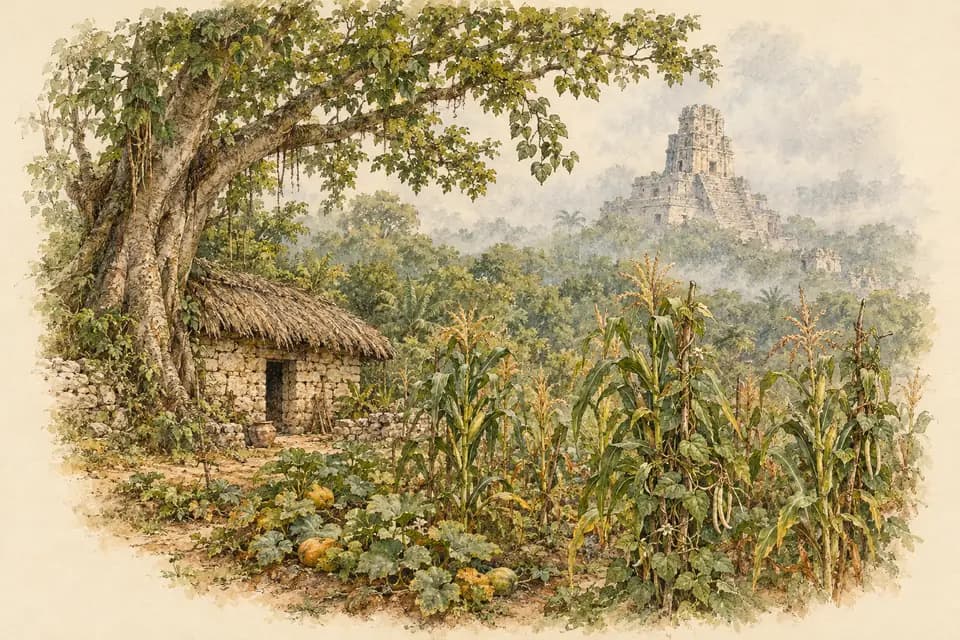 Ancient AmericasGenerate plots set in the Americas before the conquest: Mexica merchants, Maya courts, Inca record keepers and the great houses of Chaco Canyon.
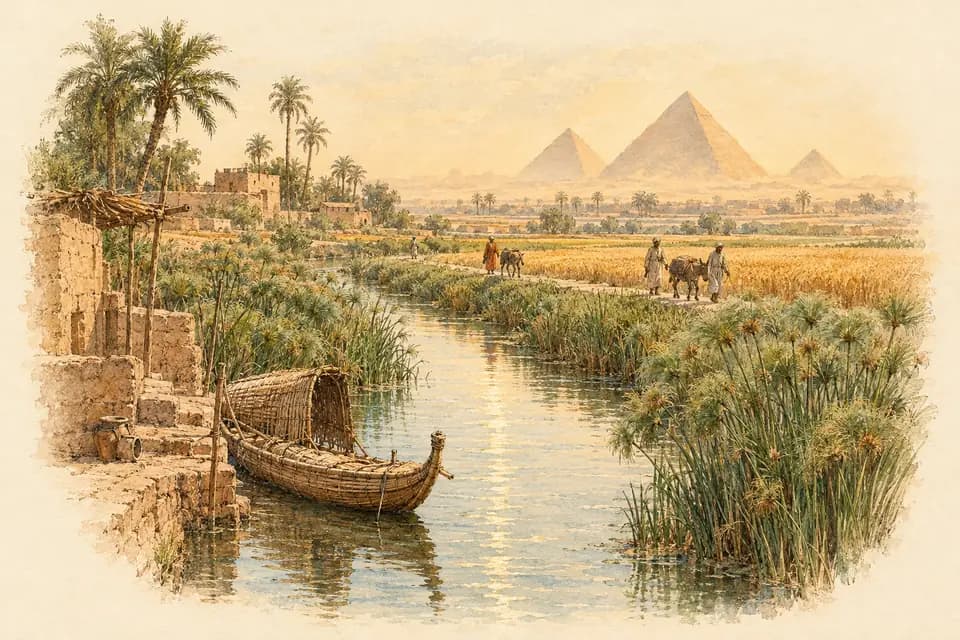 Ancient EgyptGenerate ancient Egypt plots from three thousand years of history, from the crews who hauled stone at Giza to the copyists of Ptolemaic Alexandria.
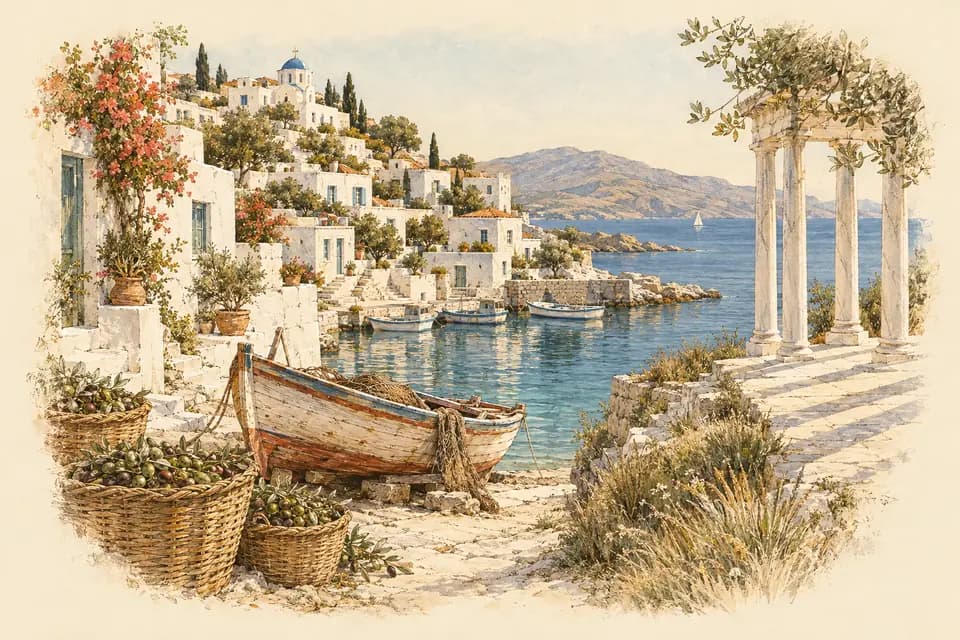 Ancient GreeceGenerate ancient Greek plots grounded in real history: plague years in Athens, chariot races at Olympia, the last days of a Bronze Age palace.
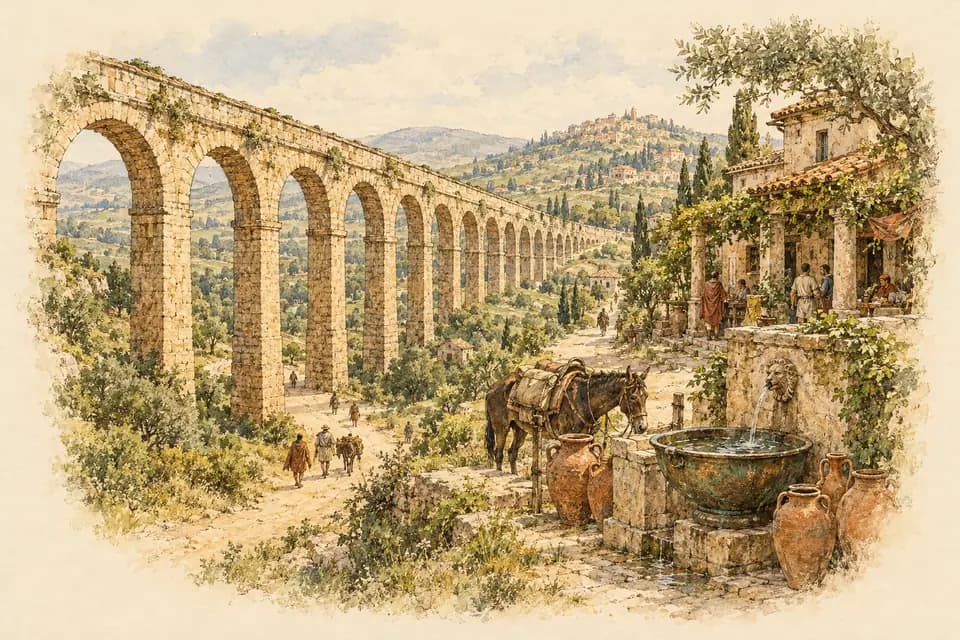 Ancient RomeGenerate plots from Rome's thousand years, from the last bloody elections of the Republic to the frontier forts of the Empire, each built around someone with a…
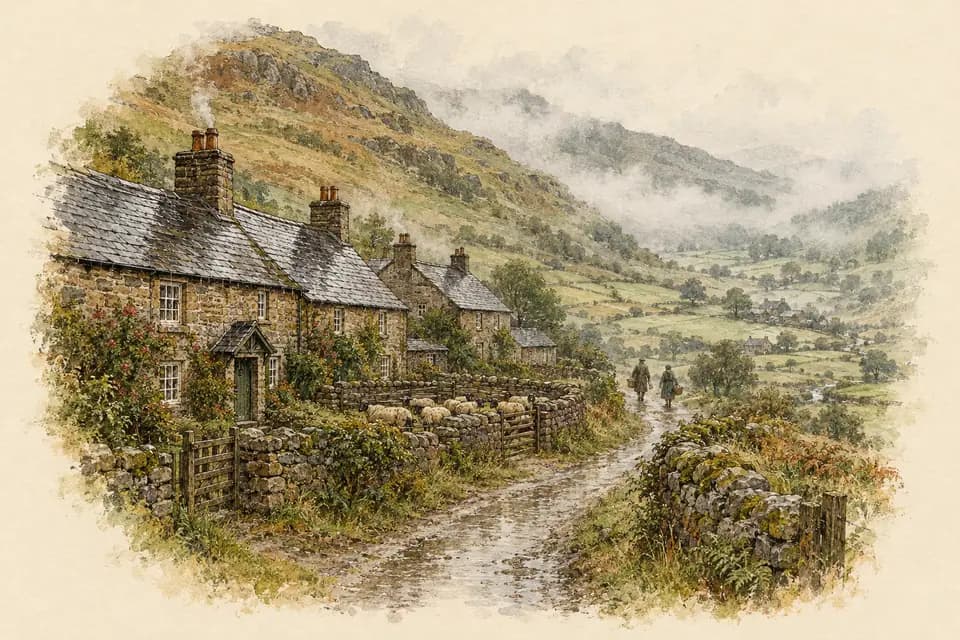 BritishGenerate plots from Britain's past, from Tudor priories to Victorian slums to the Blitz, built around someone placed exactly where class, religion or the crown…
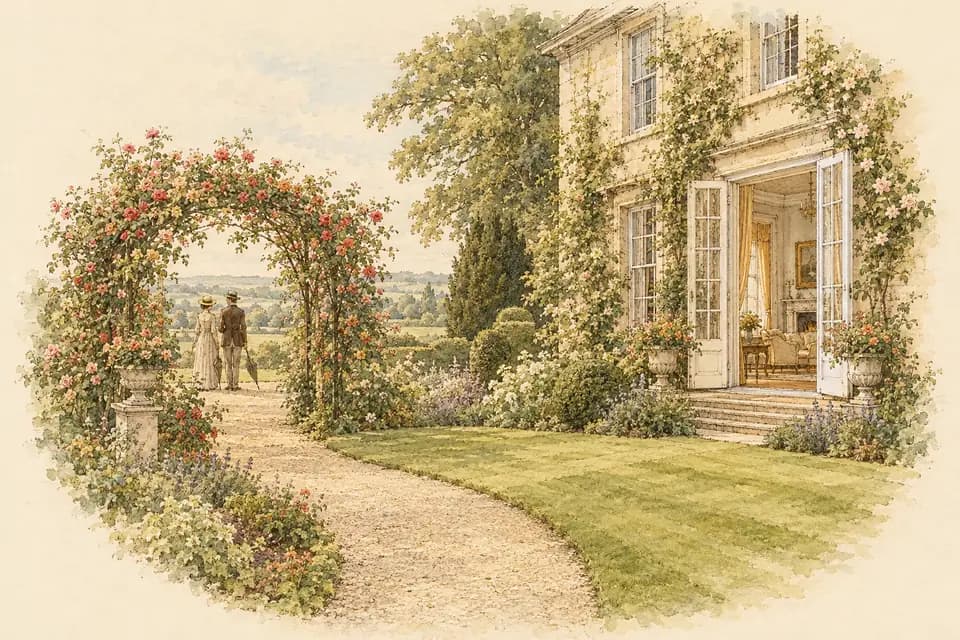 RegencyGenerate Regency plots with a real obstacle between the couple, whether an entail, a debt of honor or a brother at Waterloo, and a whole Season of watchful…
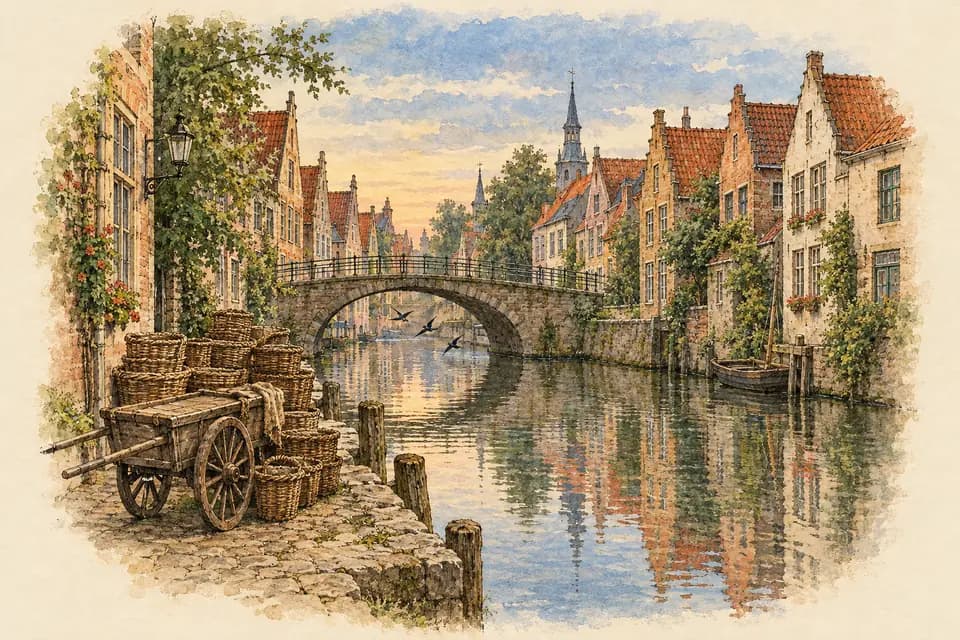 EuropeanGenerate plots from Europe's past, from Venetian glass furnaces to Habsburg courts to Weimar Berlin, built around a character whose language, faith or border…
 AsianGenerate plots set in Asia's past, from Song-dynasty exam halls to Joseon palaces to the Dutch post at Nagasaki, each tied to one place and one decade instead…
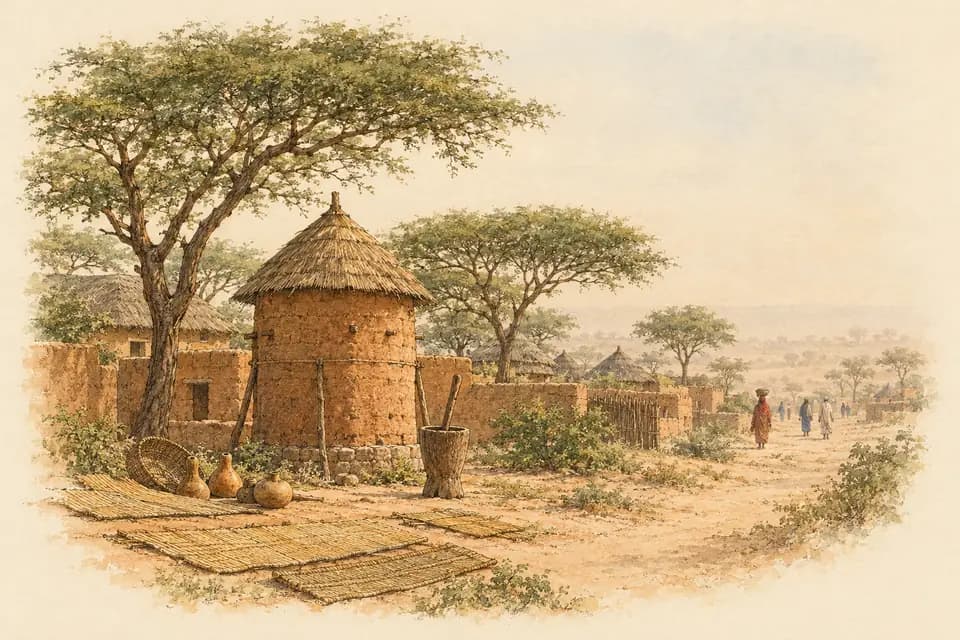 AfricanGenerate plots from Africa's long past, from Swahili trading towns to the Asante court to apartheid Johannesburg, built around people with their own ambitions…
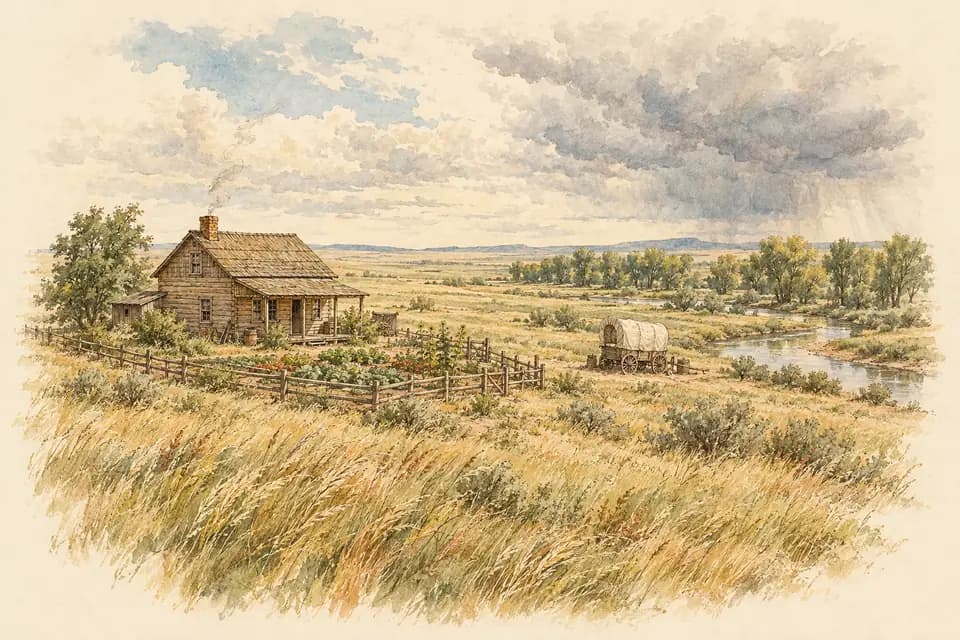 AmericasGenerate plots from Latin America, the Caribbean and Canada: silver towns, sugar islands, fur posts and the revolutions that remade them, each with a…
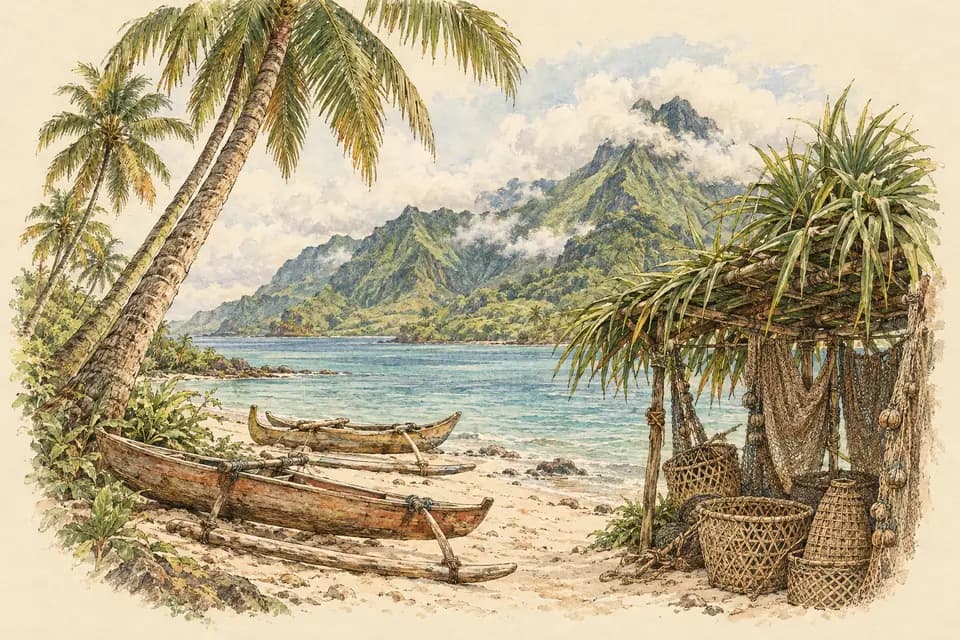 Australian & OceanianGenerate plots from Australia, Aotearoa New Zealand and the Pacific: convict ships, gold diggings, cane fields and the long reckoning between settlers and the…
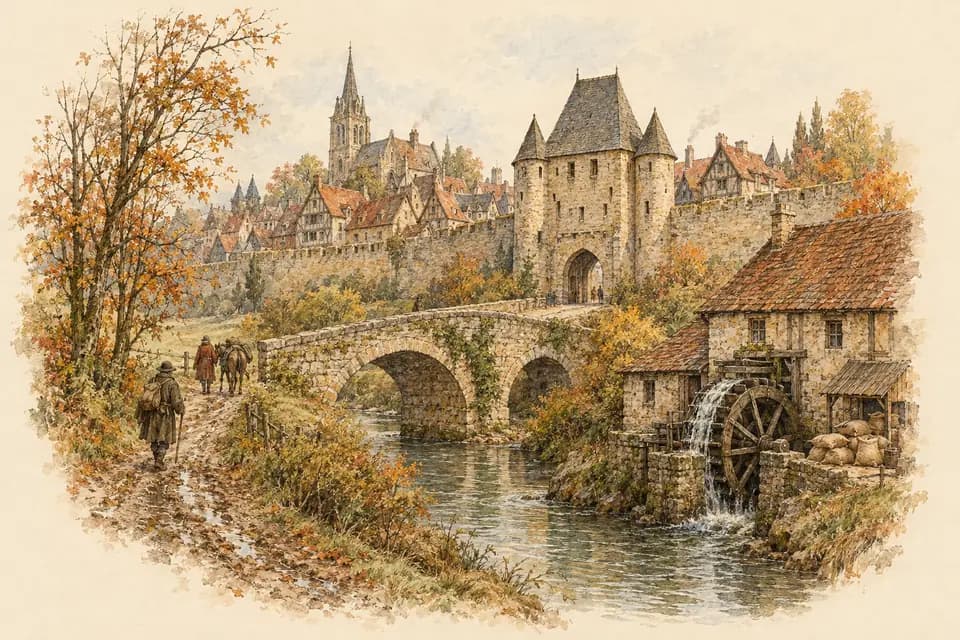 MedievalGenerate medieval plots tied to a real century and place, from Constantinople in 1204 to Essex in 1381, where oaths, tithes and harvests matter as much as any sword.
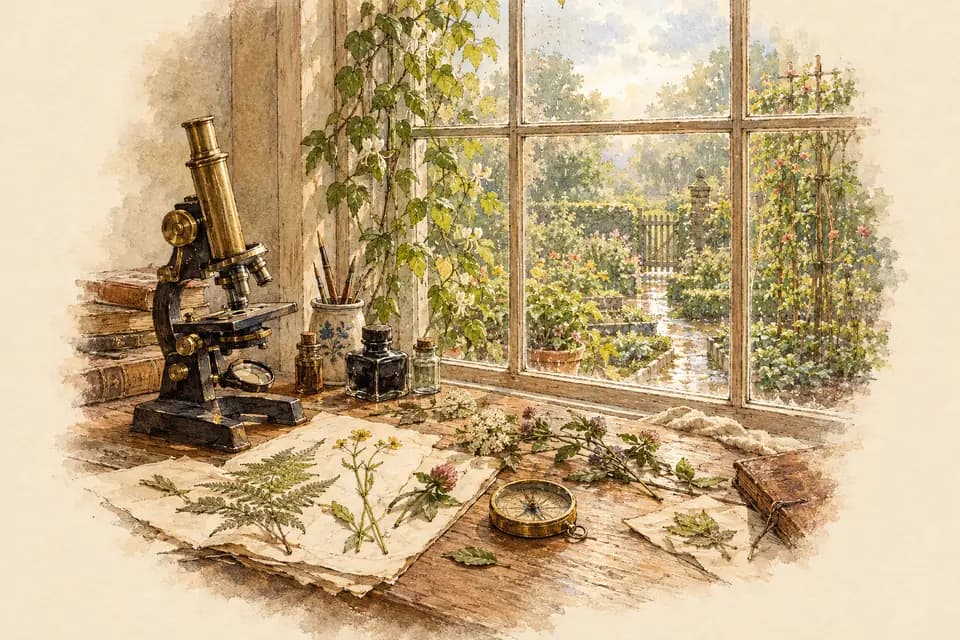 BiographicalGenerate premises for novels about real people, built on what the records leave out: the missing year, the unsent letter, the person standing just outside the…
 Christian FictionGenerate plots for faith-centered historical novels, where a character's belief is tested by a real time and place, from Huguenot France to the Dust Bowl, and…
Names, a first scene and a title
Questions about United States plots
How much dialect should I write into dialogue?
Less than you think. Period word choice, rhythm and a few regional terms carry more than phonetic spelling, which tires readers and can turn characters into caricatures. Read letters and oral histories from your place and decade, and borrow their sentence shapes rather than their misspellings.
Do I need an author's note?
Readers of American historical fiction expect one, especially when real events or people appear. A short note saying what is documented, what you compressed or moved, and what you invented builds trust. Put it at the back so it doesn't spoil the plot.
How is this different from Civil War or American Revolution fiction?
Those focus on one war and its years. Broad American historical fiction covers any period and region, from colonial towns to the 1970s, and readers expect the place itself (a mill town, a port, a reservation, a boomtown) to carry as much of the story as any event. If your plot is built around one of those wars, its own category will set expectations more clearly.
Found the plot? Write it.
Take it into Chapterly: outline it on a board, name the cast, and write chapter one tonight.
Plans from $9.99 a month. Cancel any time. Your words are always yours.