Ancient Greece Plot Generator
Generate ancient Greek plots grounded in real history: plague years in Athens, chariot races at Olympia, the last days of a Bronze Age palace. Use the tips below to decide whether you are writing history or myth.
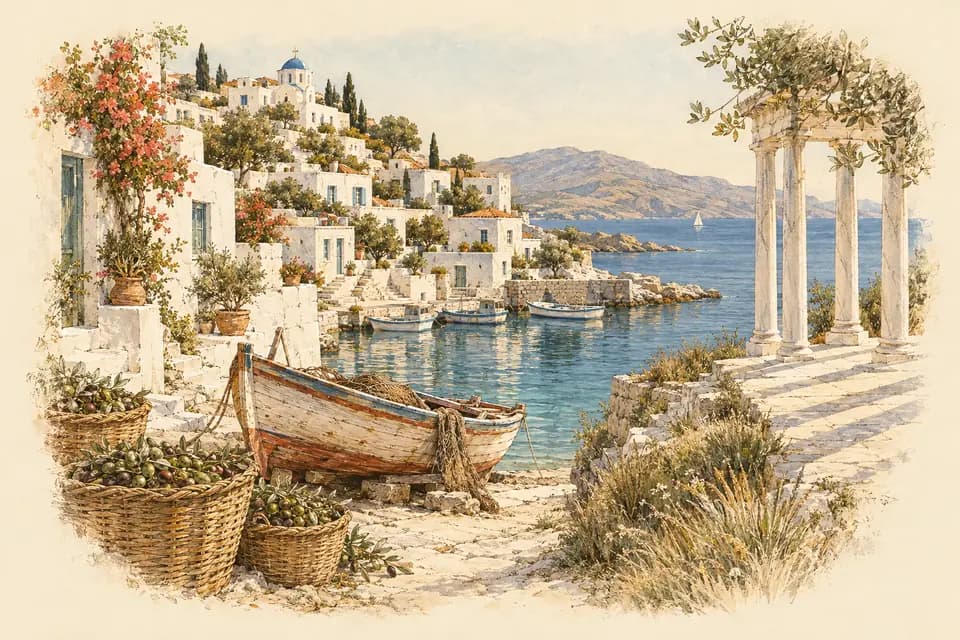
- Sample
Half Athenian
Athens, 430 BCE. Lykon, son of a metic potter, can never be a citizen, since Pericles' law requires two Athenian parents. He wants to marry Philinna anyway, and her father has nearly agreed. Then plague sweeps the crowded city, her father dies, and her uncle claims her as an heiress who must marry within the family. Lykon's only leverage is something he saw the uncle do the night her father died.
- Sample
Seven Chariots
Olympia, 416 BCE. Alcibiades has entered seven chariots in the games, more than any private citizen before him, and Doros, a Thracian slave who grooms one team's horses, has been promised his freedom if it places. Two days before the race, the lead horse goes lame from something in its feed. Doros knows which rival stable did it, and naming them means accusing a man far more powerful than a slave can afford.
- Sample
The Rower Tablets
Pylos, around 1180 BCE. Ardos, a palace scribe, presses clay tablets that count rowers and coast watchers as the kingdom braces for raiders nobody can name. He wants his son off the rower lists and away from the coast before the attack, and a forged tally would do it. Then the palace burns, the fire bakes his tablets hard, and the lie he wrote is what survives.
- Sample
The Athenian Prophecy
In the heart of ancient Athens, a middle-aged philosopher uncovers a destructive prophecy known only to the Oracle. Facing persecution, he embarks on a quest to alter the looming fate of his civilization.
- Sample
Spartan's Homecoming
A Spartan soldier, presumed dead, returns home after a decade, only to find his city-state in the grip of a ruthless tyrant. Struggling with his own demons, can he rally an army and reclaim his homeland?
- Sample
Ephesus: The Hidden Sculptor
Born a female slave in Ephesus, an unconventional girl disguises herself as a boy to become an acclaimed sculptor. Her identity exposed during the inauguration of her magnum opus, a tense trial ensues, threatening her life and masterpiece.
- Sample
Memoirs of Herodotus
An elderly Herodotus, haunted by memories of the Persian Wars, starts writing his Histories. Torn between maintaining his loyalty to Athens and exposing the dark truths he discovered, he must face a moral dilemma.
- Sample
The Exiled Bard of Athens
A once revered Athenian playwright, now banished, stumbles upon a plot to overthrow the democracy. With only his wit and his undead characters, he must navigate through perilous politics to save Athens from tyranny.
Ancient Greece: what makes the plot work
Ancient Greece fiction explores the heroic tales, mythologies, and philosophical musings of this culturally rich civilization.
Decide between myth and history
Readers of The Song of Achilles and of Mary Renault's The Last of the Wine overlap, but they want different things. Madeline Miller retells the Iliad, gods included. Renault puts a young Athenian in Socrates' circle during the Peloponnesian War with no gods on stage. Know which book you are writing before you plot.
Hang the plot on the real calendar
Classical Athens gives you dated catastrophes: war with Sparta from 431 BCE, the plague of 430, the Sicilian expedition of 415 to 413, defeat in 404 and the trial of Socrates in 399. Festivals like the City Dionysia and the Panathenaia fall at fixed seasons. A private plan colliding with a public date writes scenes for you.
Tell it through someone without a vote
Citizen men were a minority in any Greek city. Gates of Fire tells Thermopylae through Xeones, a non-Spartan squire, and his outsider's view makes Spartan customs strange again. Women, metics, slaves and helots see where the system's seams are.
Use the machinery of democracy
Athenian politics ran on selection by lot, juries of hundreds and ostracism, in which citizens scratched a name on a pottery shard and, if enough votes were cast, the man named most left the city for ten years. These are ready-made plot devices: a rigged lottery, a bribed juror, a whispering campaign before an ostracism vote.
More Historical Fiction plot generators
Or see the whole shelf: Historical Fiction plot ideas.
 World War 2Generate World War II plots built on a real front, a real year and a person with something to hide.
 World War 1Generate World War I plots that start in the mud and reach well past it: field hospitals, shell-filling sheds, Mesopotamia, the Armistice and the influenza…
 United StatesGenerate plots from American history that start with a region, a law and a person it squeezes.
 20th CenturyGenerate plots set in the century of telegrams, newsreels, partitions and moon suits.
 19th CenturyGenerate 19th century plots driven by what moved that century: wills and railway shares, gold fields and cotton mills, gaslight and the telegraph.
 18th CenturyGenerate 18th century plots built from the period's own machinery: bills of exchange, press gangs, lotteries, pamphlets and slow ships.
 American RevolutionGenerate American Revolution plots that look past the famous signatures: farm wives paid in British silver, printers working both sides, militiamen far from Boston.
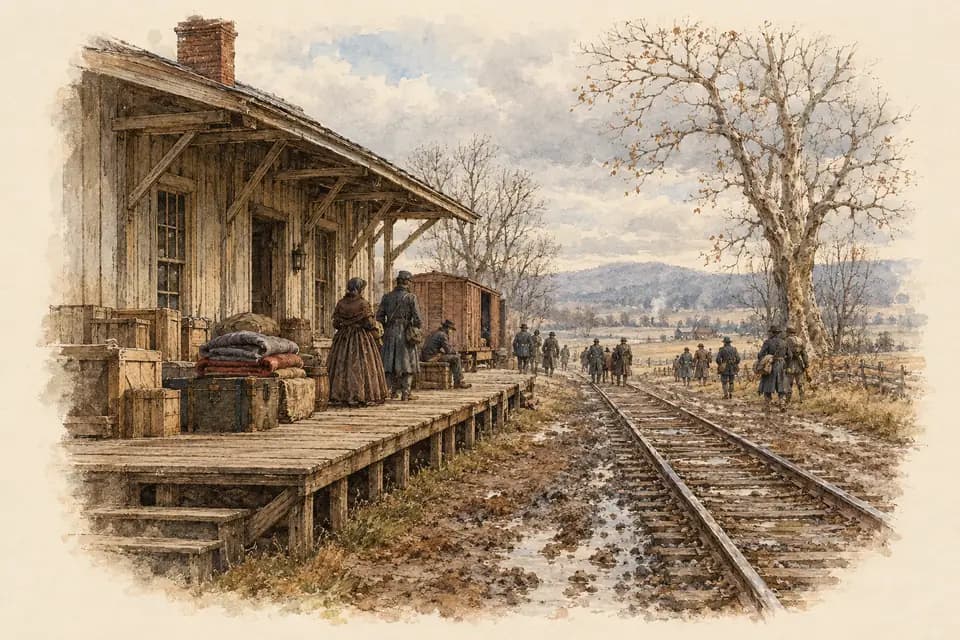 Civil WarGenerate Civil War plots that put a person on a real road, in a real siege or on a real date between Fort Sumter and Reconstruction.
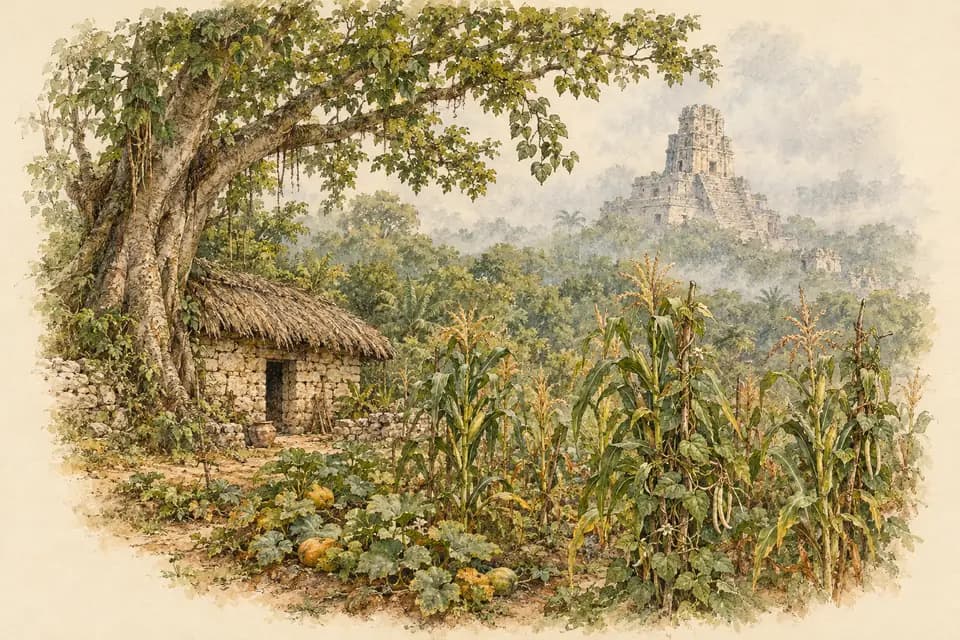 Ancient AmericasGenerate plots set in the Americas before the conquest: Mexica merchants, Maya courts, Inca record keepers and the great houses of Chaco Canyon.
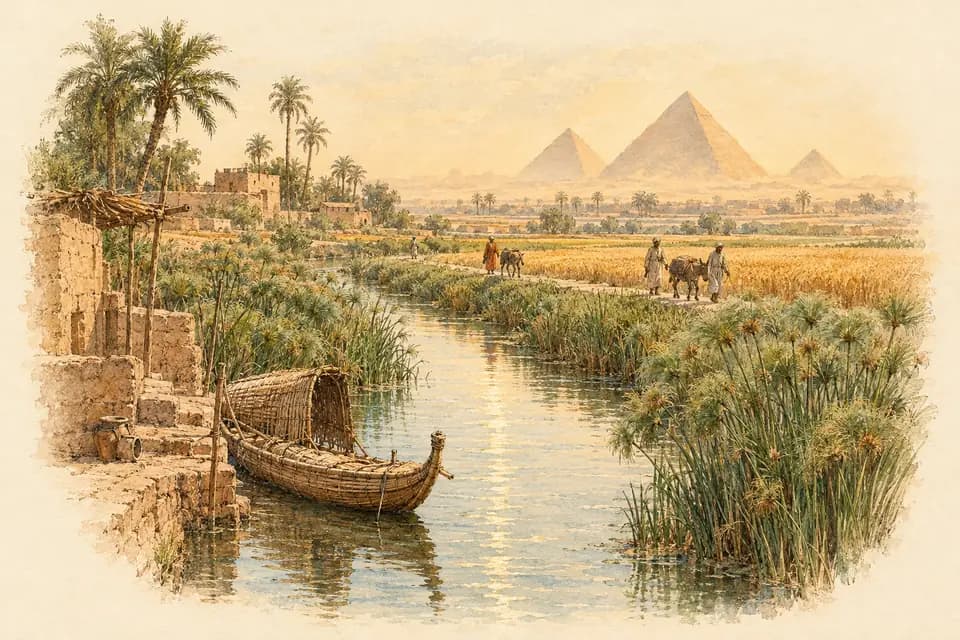 Ancient EgyptGenerate ancient Egypt plots from three thousand years of history, from the crews who hauled stone at Giza to the copyists of Ptolemaic Alexandria.
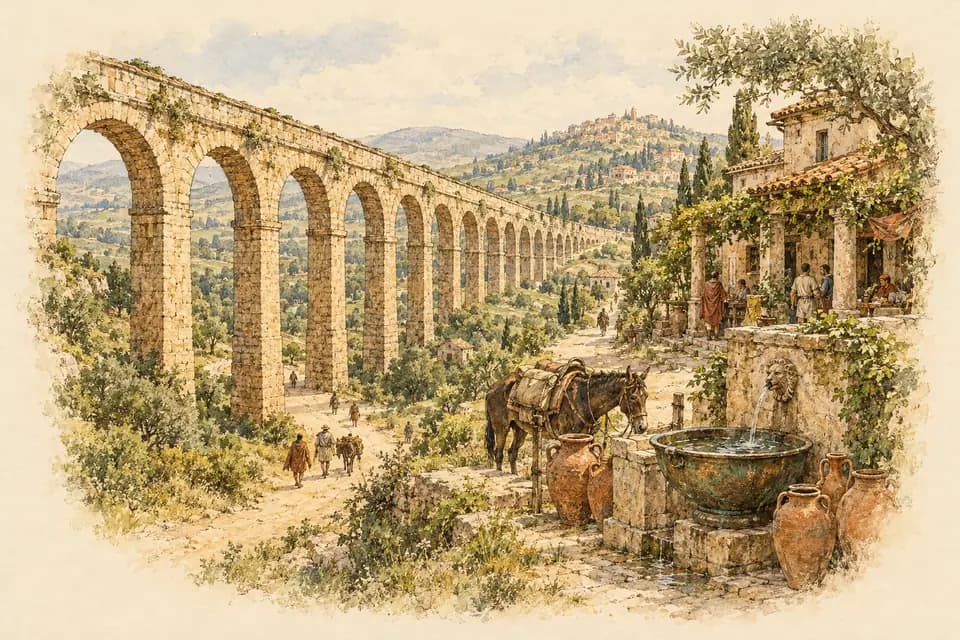 Ancient RomeGenerate plots from Rome's thousand years, from the last bloody elections of the Republic to the frontier forts of the Empire, each built around someone with a…
 BritishGenerate plots from Britain's past, from Tudor priories to Victorian slums to the Blitz, built around someone placed exactly where class, religion or the crown…
 RegencyGenerate Regency plots with a real obstacle between the couple, whether an entail, a debt of honor or a brother at Waterloo, and a whole Season of watchful…
 EuropeanGenerate plots from Europe's past, from Venetian glass furnaces to Habsburg courts to Weimar Berlin, built around a character whose language, faith or border…
 AsianGenerate plots set in Asia's past, from Song-dynasty exam halls to Joseon palaces to the Dutch post at Nagasaki, each tied to one place and one decade instead…
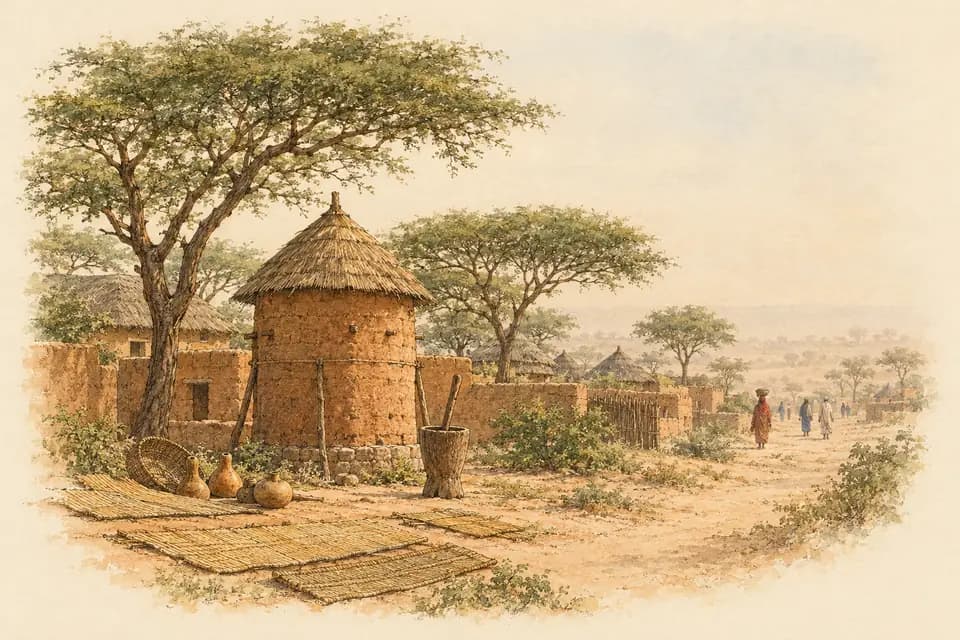 AfricanGenerate plots from Africa's long past, from Swahili trading towns to the Asante court to apartheid Johannesburg, built around people with their own ambitions…
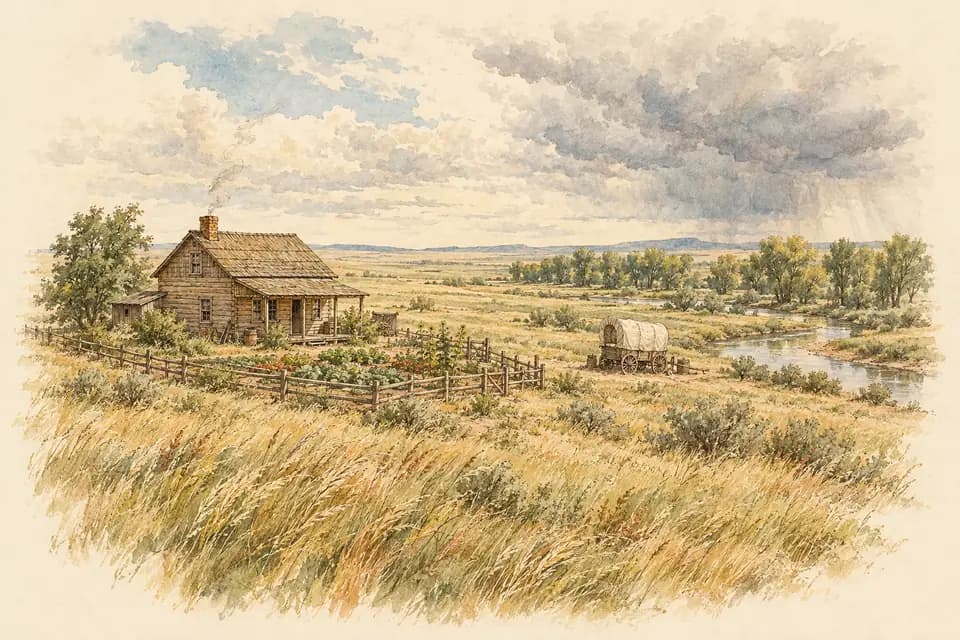 AmericasGenerate plots from Latin America, the Caribbean and Canada: silver towns, sugar islands, fur posts and the revolutions that remade them, each with a…
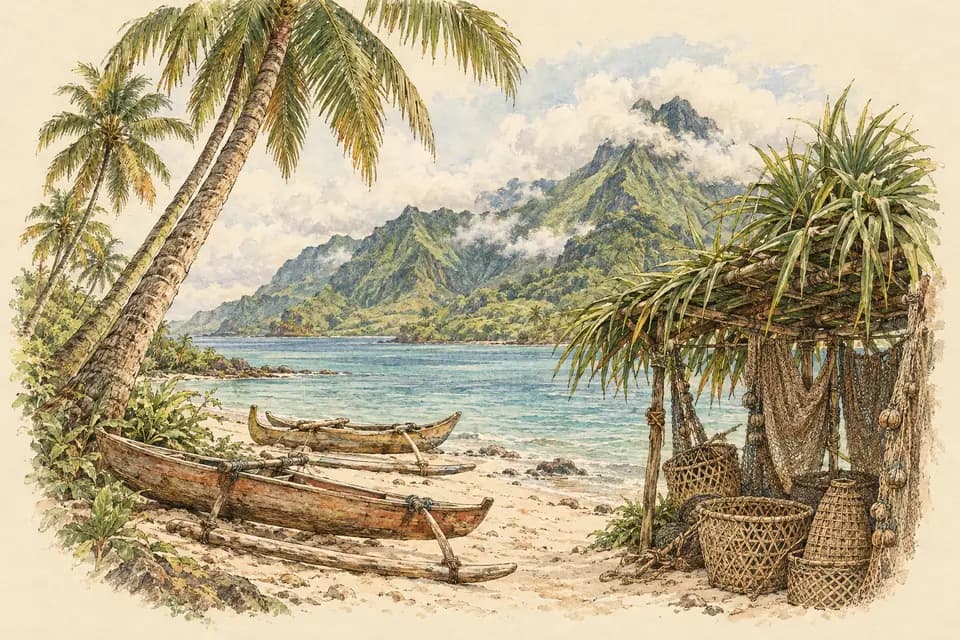 Australian & OceanianGenerate plots from Australia, Aotearoa New Zealand and the Pacific: convict ships, gold diggings, cane fields and the long reckoning between settlers and the…
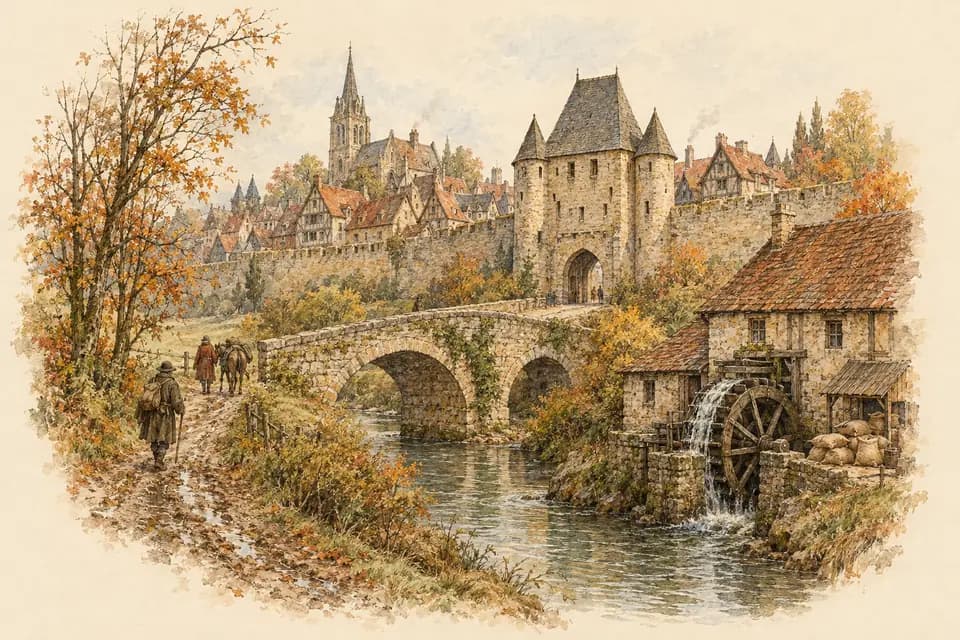 MedievalGenerate medieval plots tied to a real century and place, from Constantinople in 1204 to Essex in 1381, where oaths, tithes and harvests matter as much as any sword.
 BiographicalGenerate premises for novels about real people, built on what the records leave out: the missing year, the unsent letter, the person standing just outside the…
 Christian FictionGenerate plots for faith-centered historical novels, where a character's belief is tested by a real time and place, from Huguenot France to the Dust Bowl, and…
Names, a first scene and a title
Questions about Ancient Greece plots
Is a Greek myth retelling historical fiction?
Usually it's shelved as fantasy or literary fiction, because the gods are real on the page. Historical fiction set in ancient Greece keeps the gods in people's beliefs and rituals rather than in the plot's mechanics. Label your book by what actually happens in it.
Which period of ancient Greece should I choose?
The Bronze Age palaces of Mycenae and Pylos (roughly 1600 to 1100 BCE), the Archaic age of colonies and tyrants, Classical Athens and Sparta (about 480 to 323 BCE) and the Hellenistic world after Alexander are very different settings. Classical Athens has the most surviving evidence, which makes it the easiest to research and the most crowded. A less-used period can set your book apart.
How should I spell Greek names?
Latinized forms (Achilles, Thucydides, Corinth) are familiar, while transliterated forms (Akhilleus, Thoukydides, Korinthos) feel closer to the Greek. Many novelists use Latinized forms for famous people and places and Greek forms for invented characters. Pick a rule and keep it.
Found the plot? Write it.
Take it into Chapterly: outline it on a board, name the cast, and write chapter one tonight.
Plans from $9.99 a month. Cancel any time. Your words are always yours.