Asian Plot Generator
Generate plots set in Asia's past, from Song-dynasty exam halls to Joseon palaces to the Dutch post at Nagasaki, each tied to one place and one decade instead of a vague, misty East.
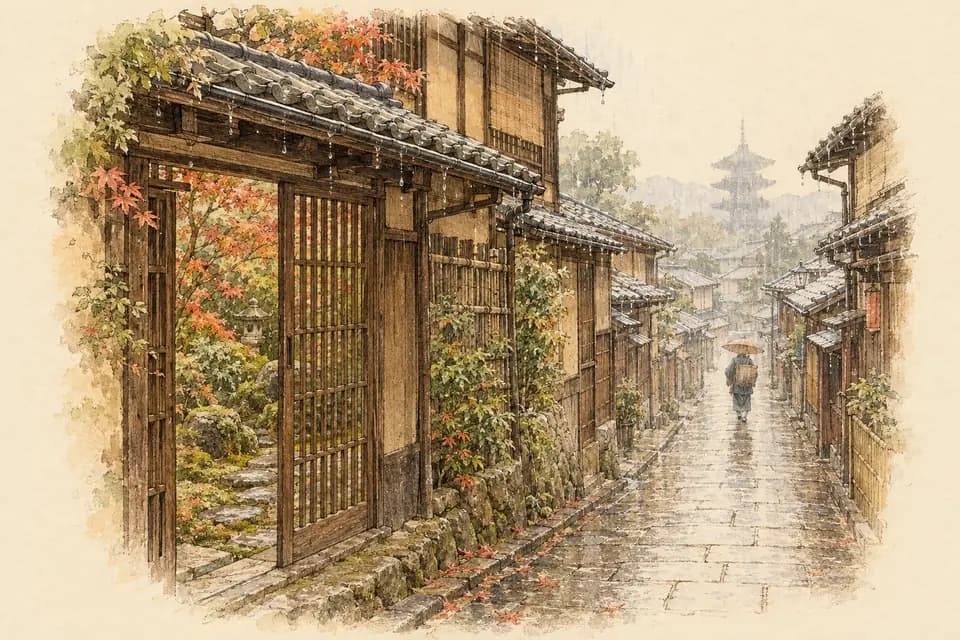
- Sample
The King Has Gone North
Hanyang, 1592. Hyeon-ok is a uinyeo, one of the Joseon court's women physicians, and she has spent ten years working toward a post in the palace medical office. When Japanese armies land at Busan and King Seonjo flees the capital, she is ordered to stay behind with patients too sick to move. The first Japanese officer through the gate needs a doctor, and he knows her name.
- Sample
Dutch Letters
Nagasaki, 1828. Jun'ichi is a junior interpreter on Dejima, the island where the Dutch traders are confined, and he wants a senior post more than anything. When shogunate officials find forbidden maps of Japan among the belongings of the Dutch physician Siebold, the investigation turns to whoever wrote the Dutch labels on them. The handwriting is Jun'ichi's, and the man who asked him to do it was his own teacher.
- Sample
Second Name on the List
Kaifeng, 1090s. Zhou Ren has failed the jinshi examination three times, and his merchant father is out of patience. The family quietly pays a brilliant, penniless scholar to sit the exam under Zhou's name. The scholar places near the top, and Zhou is posted to a magistracy where everyone expects him to write like a genius, while the real author moves into his household and wants more each month.
- Sample
Blade of the Rising Sun
Set during the Meiji period, a disgraced samurai must reclaim his honor when a British inventor steals a sacred katana, threatening to disrupt the delicate technocultural balance.
- Sample
Dragon in the Forbidden City
A Chinese concubine during the Tang dynasty secretly learns the art of warfare and leads a rebellion to overthrow the corrupted court, challenging social norms and expectations.
- Sample
Whispers of Matcha
In 16th century Japan, an orphaned tea apprentice discovers a secret recipe that may cure the Shogun's mysterious illness. Amidst brewing wars and treachery, his loyalty and survival are brutally tested.
- Sample
Raga of the Rebel
Set in the Mughal Empire, the youngest daughter of a court musician navigates palace intrigue and her forbidden passion for a court painter, as she uses her voice to change her destiny.
- Sample
Ankorian Echoes
Near the end of the Khmer Empire, a temple architect is tasked with creating a majestic monument but becomes entangled in a deadly power struggle when he discovers a plot to overthrow the King.
Asian: what makes the plot work
Asian fiction offers a glimpse into the rich tapestry of Asian history, from ancient dynasties to modern metropolises.
Name the dynasty, city and decade
Asia holds dozens of histories, and Song-dynasty Kaifeng has little in common with Qing-era Canton. Lisa See's Snow Flower and the Secret Fan is fixed in 19th-century rural Hunan, where footbinding, nüshu writing and laotong friendships shape the whole plot. The tighter you set the story, the more its rules give you.
Let family law drive the conflict
Inheritance, adoption, concubinage and duty to parents and ancestors create pressure no villain can match. Min Jin Lee's Pachinko follows one Korean family from Busan to Japan across most of the 20th century, where colonial rule and migration decide what each generation is allowed to become.
Watch the outsider's eye
Older English-language novels often see Asia through a Western visitor, as James Clavell's Shōgun does with an English pilot shipwrecked in Japan in 1600. If you use an outsider, give local characters plans and secrets the visitor never fully grasps. Better still, consider telling the story from inside.
Hinge the plot on a real crisis
The Opium Wars, the Taiping Rebellion, the Meiji Restoration and Partition each split families and fortunes. Amitav Ghosh's Sea of Poppies gathers its characters aboard a ship bound for Mauritius in 1838, with the opium trade and a coming war pressing on all of them. A crisis gives every character a reason to choose.
More Historical Fiction plot generators
Or see the whole shelf: Historical Fiction plot ideas.
 World War 2Generate World War II plots built on a real front, a real year and a person with something to hide.
 World War 1Generate World War I plots that start in the mud and reach well past it: field hospitals, shell-filling sheds, Mesopotamia, the Armistice and the influenza…
 United StatesGenerate plots from American history that start with a region, a law and a person it squeezes.
 20th CenturyGenerate plots set in the century of telegrams, newsreels, partitions and moon suits.
 19th CenturyGenerate 19th century plots driven by what moved that century: wills and railway shares, gold fields and cotton mills, gaslight and the telegraph.
 18th CenturyGenerate 18th century plots built from the period's own machinery: bills of exchange, press gangs, lotteries, pamphlets and slow ships.
 American RevolutionGenerate American Revolution plots that look past the famous signatures: farm wives paid in British silver, printers working both sides, militiamen far from Boston.
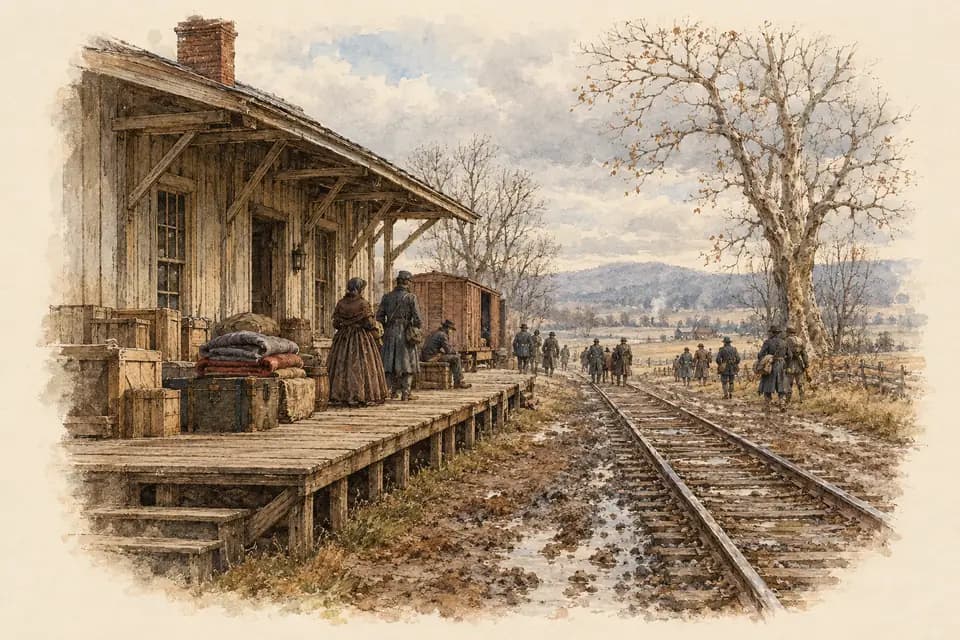 Civil WarGenerate Civil War plots that put a person on a real road, in a real siege or on a real date between Fort Sumter and Reconstruction.
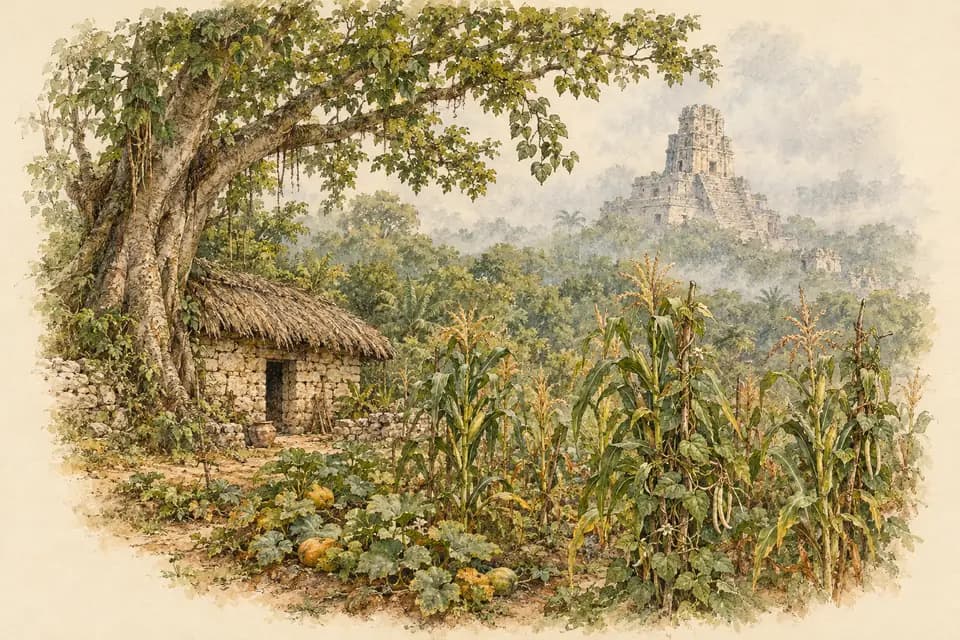 Ancient AmericasGenerate plots set in the Americas before the conquest: Mexica merchants, Maya courts, Inca record keepers and the great houses of Chaco Canyon.
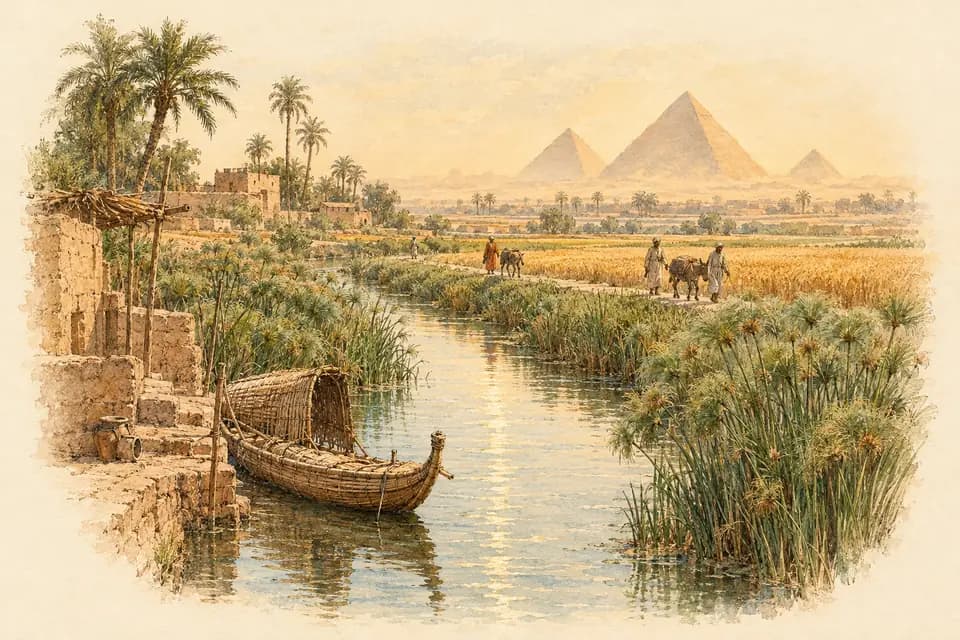 Ancient EgyptGenerate ancient Egypt plots from three thousand years of history, from the crews who hauled stone at Giza to the copyists of Ptolemaic Alexandria.
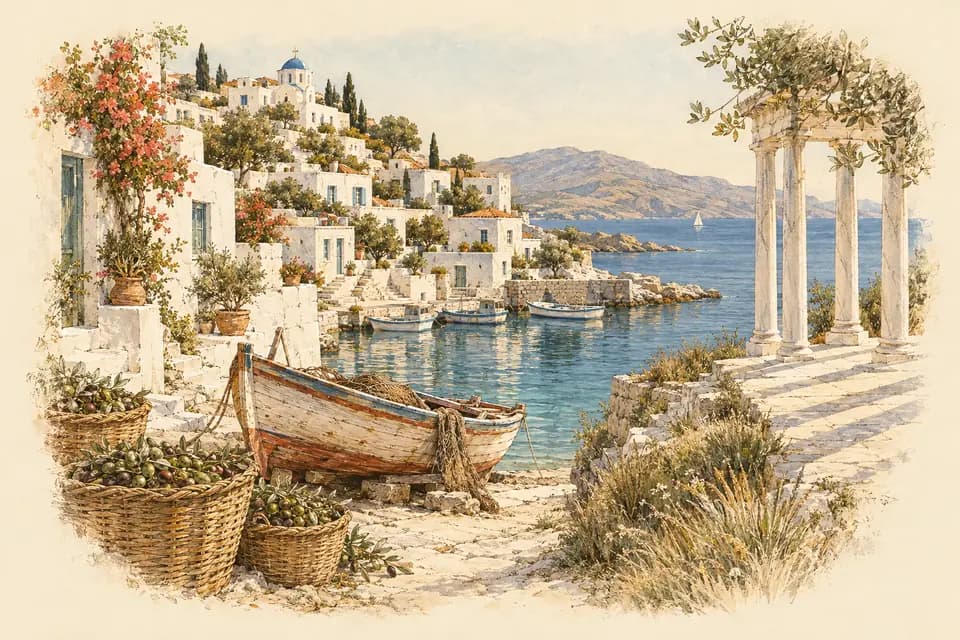 Ancient GreeceGenerate ancient Greek plots grounded in real history: plague years in Athens, chariot races at Olympia, the last days of a Bronze Age palace.
 Ancient RomeGenerate plots from Rome's thousand years, from the last bloody elections of the Republic to the frontier forts of the Empire, each built around someone with a…
 BritishGenerate plots from Britain's past, from Tudor priories to Victorian slums to the Blitz, built around someone placed exactly where class, religion or the crown…
 RegencyGenerate Regency plots with a real obstacle between the couple, whether an entail, a debt of honor or a brother at Waterloo, and a whole Season of watchful…
 EuropeanGenerate plots from Europe's past, from Venetian glass furnaces to Habsburg courts to Weimar Berlin, built around a character whose language, faith or border…
 AfricanGenerate plots from Africa's long past, from Swahili trading towns to the Asante court to apartheid Johannesburg, built around people with their own ambitions…
 AmericasGenerate plots from Latin America, the Caribbean and Canada: silver towns, sugar islands, fur posts and the revolutions that remade them, each with a…
 Australian & OceanianGenerate plots from Australia, Aotearoa New Zealand and the Pacific: convict ships, gold diggings, cane fields and the long reckoning between settlers and the…
 MedievalGenerate medieval plots tied to a real century and place, from Constantinople in 1204 to Essex in 1381, where oaths, tithes and harvests matter as much as any sword.
 BiographicalGenerate premises for novels about real people, built on what the records leave out: the missing year, the unsent letter, the person standing just outside the…
 Christian FictionGenerate plots for faith-centered historical novels, where a character's belief is tested by a real time and place, from Huguenot France to the Dust Bowl, and…
Names, a first scene and a title
Questions about Asian plots
How should I handle Asian names and romanization?
In China, Japan, Korea and Vietnam the family name traditionally comes first, so keep that order in narration. Choose one romanization system and stay with it: pinyin (Mao Zedong) rather than the older Wade-Giles (Mao Tse-tung) for Chinese, Hepburn for Japanese. Readers who know the language spot inconsistency immediately.
Where can I find primary sources for premodern Asia in English?
More is translated than many writers expect. For Heian Japan there are Sei Shōnagon's The Pillow Book and Murasaki Shikibu's The Tale of Genji; for Mughal India, the emperor Babur's memoir, the Baburnama. University press histories and museum catalogs fill in clothing, houses and tools.
Can I write historical fiction about an Asian culture that isn't my own?
Yes, but expect to work harder and be read more critically. Read the culture's own literature, not just Western accounts of it, avoid treating customs as exotic decoration, and hire sensitivity readers from that background. Ask whether your story needs an outsider protagonist or just feels safer with one.
Found the plot? Write it.
Take it into Chapterly: outline it on a board, name the cast, and write chapter one tonight.
Plans from $9.99 a month. Cancel any time. Your words are always yours.