Ancient Americas Plot Generator
Generate plots set in the Americas before the conquest: Mexica merchants, Maya courts, Inca record keepers and the great houses of Chaco Canyon. The tips below help you tell these societies apart and keep the Spanish ships offstage.
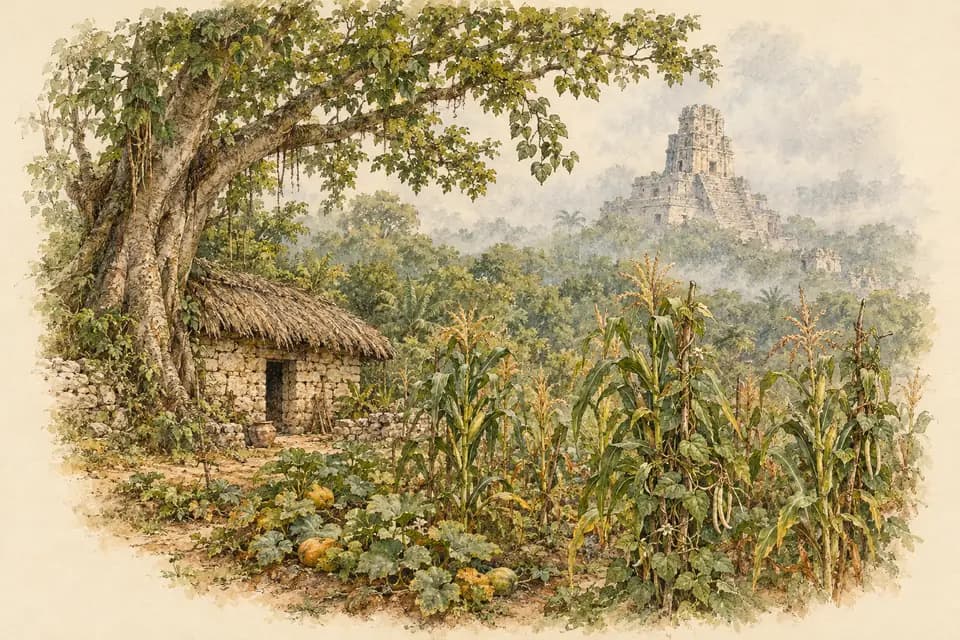
- Sample
The Dry Years
Chaco Canyon, around 1130 CE. A young bead-maker grinds turquoise for the great house at Pueblo Bonito, and she wants to marry into the household that keeps its storerooms. Then the summer rains fail for a third year, and the seasonal gatherings that fill the plaza with traders begin to thin. When the storerooms are finally opened to the hungry village, she learns they were nearly empty all along, and her future in-laws knew.
- Sample
Long Road South
Tenochtitlan, around 1500. Itzcuauhtli, son of a Tlatelolco merchant, wants the honor of a pochteca who comes home from a long road. His first mission: travel toward Xoconochco disguised as a local trader and map the cacao towns Ahuitzotl means to conquer. In the market of the town he is spying on, he finds his sister, who ran away three years ago and is married to the man who leads its defense.
- Sample
The Knot Keeper
Tumipampa, 1530. Kusi keeps the khipu that record the grain and cloth in the storehouses of this northern Inca city. The war between the royal brothers Atawallpa and Waskar has reached its gates, and the victorious general wants the cords read aloud to show which families fed the losing side. Kusi wants to keep his wife and son alive, and his own family's tribute is knotted into those cords.
- Sample
Priestess of the Falling Sun
A young Mayan girl struggling with societal norms becomes a high priestess, all while her society teeters on the brink of collapse. Exploring themes of power and rebellion amidst ominous prophecies and political unrest.
- Sample
The Quipu Runner
An Inca courier embarks on a journey to deliver a message that could stop an impending war. Battling treacherous terrains and saboteurs, he discovers his identity and a hidden power.
- Sample
Sons of Tenochtitlan
Three brothers from the Aztec empire are torn apart when they're each chosen for different roles - soldier, priest, and slave. Their unyielding bonds and pursuit of liberty unfold against the backdrop of the bloody Aztec rituals and Spanish conquest.
- Sample
Heir of the Long House
An Anasazi boy becomes the sole survivor of his Pueblo after a brutal raid. Guided by his spirit animal, he sets off to rebuild his tribe with outcasts from different cultures. A heart-wrenching tale of survival, cultural clash, and resilience.
- Sample
The Jade Rebellion
Under the Olmecs' oppressive reign, a slave girl unearths a mystical jade mask granting her unseen powers. Now marked as a heretic, she must navigate escalating religious tensions and ignite an uprising.
Ancient Americas: what makes the plot work
Ancient Americas fiction explores the myths, histories, and daily lives of Indigenous peoples in the Americas before European contact.
Don't flatten three thousand years
The Olmec flourished roughly three thousand years ago, Classic Maya cities peaked between about 250 and 900 CE, Chaco Canyon's great houses rose between about 850 and 1150, Tenochtitlan was founded in 1325, and the Inca expanded fast from the late 1430s. These peoples didn't share a language, a calendar or a century. Pick one people, one city and one generation.
Build the plot from their economy
Mexica long-distance merchants, the pochteca, traveled for months to distant markets, and some went in disguise to gather intelligence before a war. The Inca state ran on labor owed to it and kept its accounts on knotted cords called khipu. Tribute, trade routes and labor duties give you motives and enemies without inventing any magic.
Let the world stand before 1519
Many plots set here end with sails on the horizon, as if the Spanish arrival were the only event worth writing toward. Aztec by Gary Jennings spends most of its length on Mixtli's life as a scribe, merchant and warrior before Cortés lands. A plot with no Europeans in it at all is a choice worth making.
Start research with the big picture
Charles C. Mann's nonfiction 1491 is a readable overview of how populous and varied the Americas were before Columbus, and it points you toward specialist work. From there, read translations of the peoples' own texts, such as the K'iche' Maya Popol Vuh, and the codices that record Mexica tribute and daily life.
More Historical Fiction plot generators
Or see the whole shelf: Historical Fiction plot ideas.
 World War 2Generate World War II plots built on a real front, a real year and a person with something to hide.
 World War 1Generate World War I plots that start in the mud and reach well past it: field hospitals, shell-filling sheds, Mesopotamia, the Armistice and the influenza…
 United StatesGenerate plots from American history that start with a region, a law and a person it squeezes.
 20th CenturyGenerate plots set in the century of telegrams, newsreels, partitions and moon suits.
 19th CenturyGenerate 19th century plots driven by what moved that century: wills and railway shares, gold fields and cotton mills, gaslight and the telegraph.
 18th CenturyGenerate 18th century plots built from the period's own machinery: bills of exchange, press gangs, lotteries, pamphlets and slow ships.
 American RevolutionGenerate American Revolution plots that look past the famous signatures: farm wives paid in British silver, printers working both sides, militiamen far from Boston.
 Civil WarGenerate Civil War plots that put a person on a real road, in a real siege or on a real date between Fort Sumter and Reconstruction.
 Ancient EgyptGenerate ancient Egypt plots from three thousand years of history, from the crews who hauled stone at Giza to the copyists of Ptolemaic Alexandria.
 Ancient GreeceGenerate ancient Greek plots grounded in real history: plague years in Athens, chariot races at Olympia, the last days of a Bronze Age palace.
 Ancient RomeGenerate plots from Rome's thousand years, from the last bloody elections of the Republic to the frontier forts of the Empire, each built around someone with a…
 BritishGenerate plots from Britain's past, from Tudor priories to Victorian slums to the Blitz, built around someone placed exactly where class, religion or the crown…
 RegencyGenerate Regency plots with a real obstacle between the couple, whether an entail, a debt of honor or a brother at Waterloo, and a whole Season of watchful…
 EuropeanGenerate plots from Europe's past, from Venetian glass furnaces to Habsburg courts to Weimar Berlin, built around a character whose language, faith or border…
 AsianGenerate plots set in Asia's past, from Song-dynasty exam halls to Joseon palaces to the Dutch post at Nagasaki, each tied to one place and one decade instead…
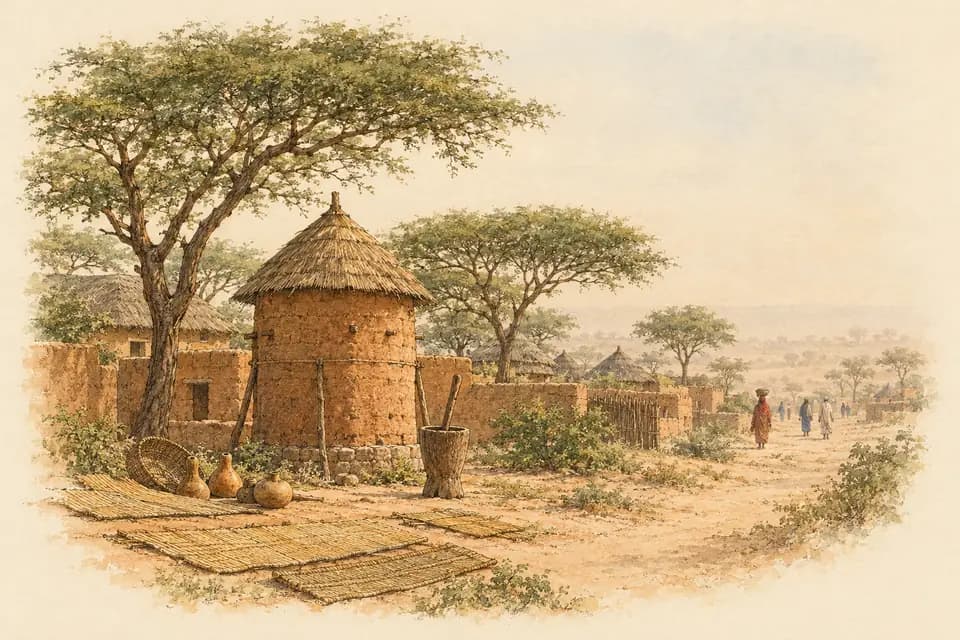 AfricanGenerate plots from Africa's long past, from Swahili trading towns to the Asante court to apartheid Johannesburg, built around people with their own ambitions…
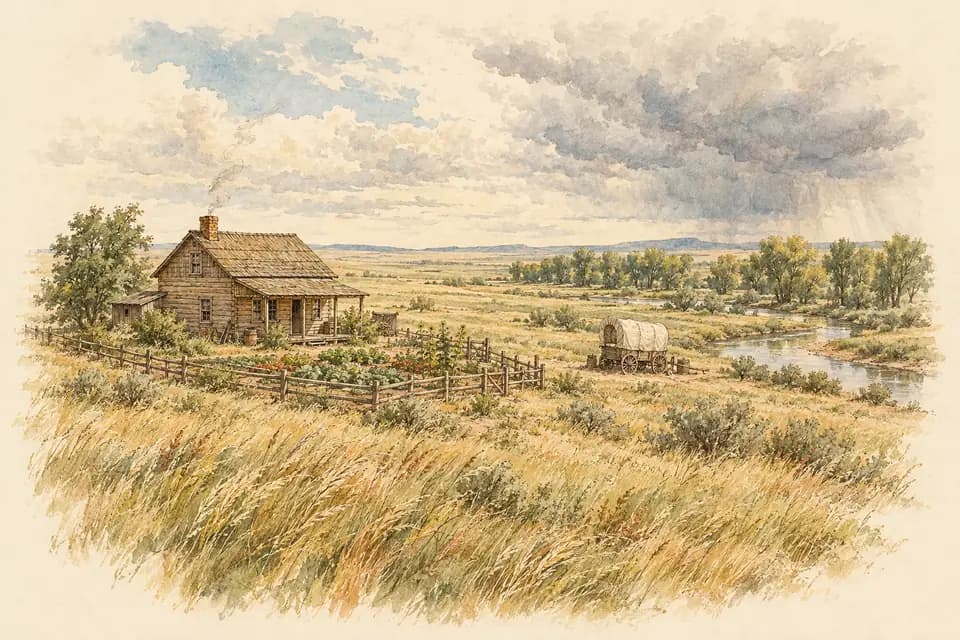 AmericasGenerate plots from Latin America, the Caribbean and Canada: silver towns, sugar islands, fur posts and the revolutions that remade them, each with a…
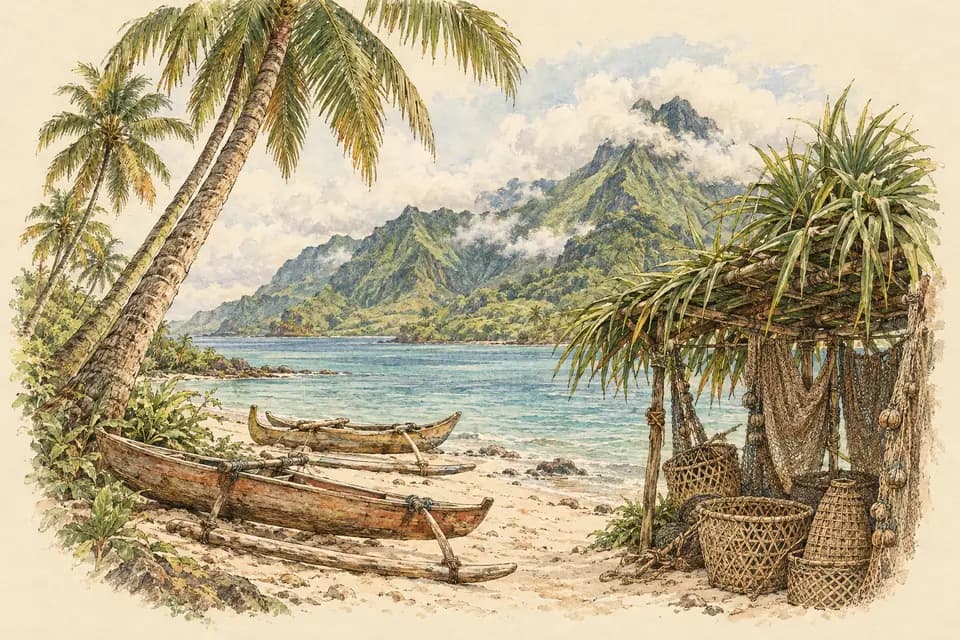 Australian & OceanianGenerate plots from Australia, Aotearoa New Zealand and the Pacific: convict ships, gold diggings, cane fields and the long reckoning between settlers and the…
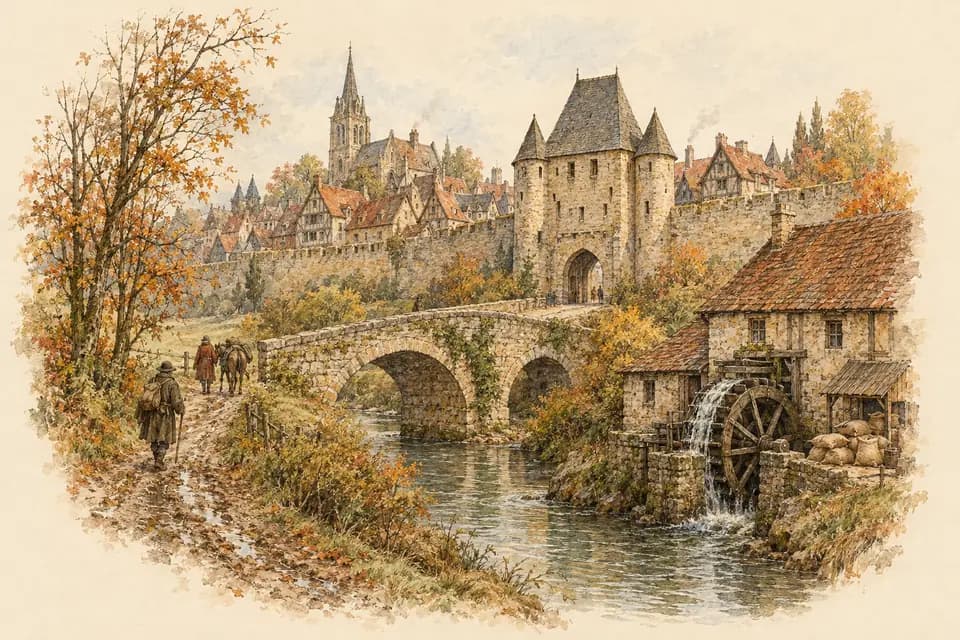 MedievalGenerate medieval plots tied to a real century and place, from Constantinople in 1204 to Essex in 1381, where oaths, tithes and harvests matter as much as any sword.
 BiographicalGenerate premises for novels about real people, built on what the records leave out: the missing year, the unsent letter, the person standing just outside the…
 Christian FictionGenerate plots for faith-centered historical novels, where a character's belief is tested by a real time and place, from Huguenot France to the Dust Bowl, and…
Names, a first scene and a title
Questions about Ancient Americas plots
Should I write 'Aztec' or 'Mexica'?
Mexica is what the people of Tenochtitlan called themselves, and many historians now prefer it. Aztec is widely known and fine in a book description, so plenty of novelists use Aztec on the cover and Mexica on the page. Use Nahuatl names for people and places, and keep the spelling consistent.
How do I write about human sacrifice without sensationalizing it?
Treat it the way the culture did: as religion and state ritual with meaning, rules and a calendar, not as a horror set piece. Put the weight on what it means to your characters, and let the rest of their world (markets, farming, schooling, family) fill most of the page. Plots that reduce these societies to sacrifice read as dated.
Can I write about cultures whose descendants are still living?
Yes, with care. Maya, Nahua, Quechua, Aymara and Pueblo peoples are living communities, and some sites and ceremonies remain sacred to them. Many Pueblo people prefer Ancestral Puebloans to Anasazi, a term from a Navajo word. Read work by Indigenous scholars, and consider a sensitivity reader from the community you are writing about.
Found the plot? Write it.
Take it into Chapterly: outline it on a board, name the cast, and write chapter one tonight.
Plans from $9.99 a month. Cancel any time. Your words are always yours.