Contemporary Fiction Plot Generator
Choose a kind of contemporary story and get a premise grounded in present-day life: real jobs, real rent, families who won't stop calling. These plots run on character and choice more than spectacle.
- Women's Fiction
Closing Day
Three sisters have twelve days to empty their late mother's house in Duluth before the buyers close. Ann, the eldest, wants it done. Liz wants the piano. Maggie, the youngest, finds a stack of letters showing their mother had a fourth child in 1979 and gave him up for adoption. Maggie wants to find him. Then she learns Ann has known for twenty years.
- Romance
Every Ten Years
Ines and Tomas met at a Lisbon hostel at twenty and promised to meet on the same bench every ten years. At thirty, he brought a wife. At forty, she brought a daughter and a black eye she wouldn't explain. Now they're fifty, both free for the first time, and Ines has one reason she can't ask him to stay, which she's kept for thirty years.
- Literary
Consecutive
A retired court interpreter in Houston, fluent in Spanish and Portuguese, is asked by her estranged son to interpret at his wedding to a Brazilian woman whose family speaks no English. For three days every sentence between the two families passes through her. She could soften her son's words, or sharpen her own. Somewhere during the rehearsal dinner, she begins, quietly, to edit.
- Short Stories
The Last Run of Bus 14
On her final route before retirement, a school bus driver in rural Maine notices that one boy didn't get on. She's driven these roads for thirty-one years and knows exactly which house he's in and why he'd stay home. Going ten minutes off route could cost her the pension she's three hours from collecting. At the next turnaround, she turns the bus around.
- American
Caretaker
Ray Bouchard, fifty-four, ran the shipping floor at the paper mill in Calder Falls, Maine, until it closed. Now a Boston developer wants to turn the mill into luxury lofts and offers Ray a job as the site's caretaker. His union friends call it betrayal. His wife calls it health insurance. His son, who got out, calls it the best idea the town has had in twenty years.
- Fantasy
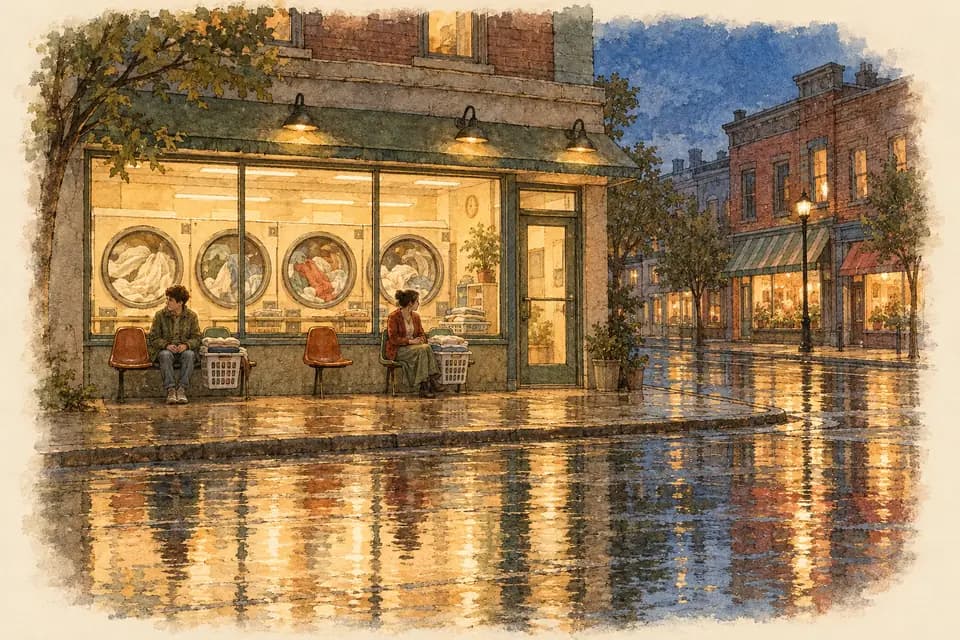
Dryer Nine
Dolores Ruiz inherits a laundromat in Cleveland with one rule taped to dryer nine: never open it before the cycle ends. She does, and pulls out a damp wool coat that belonged to her brother, who went missing in 2009. The dryer starts returning his things one load at a time, in order. Then Dolores realizes someone else has been feeding it quarters for years.
Contemporary Fiction plot generators
Each one has its own samples, a plotting checklist and the questions writers in that corner of the shelf ask most.
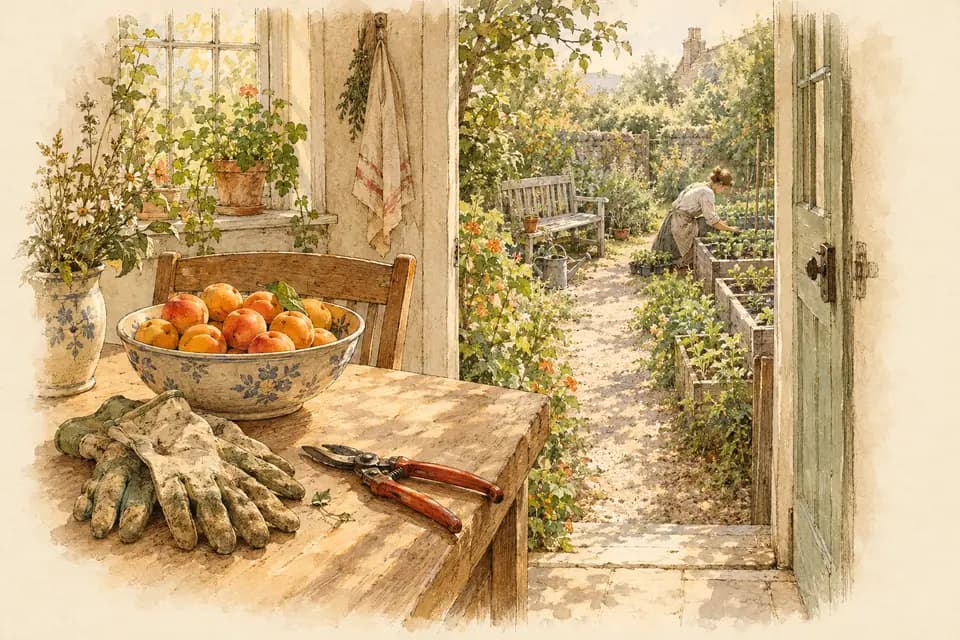 Women's FictionGet a women's fiction premise centered on a woman at a turning point: a divorce, a diagnosis, a mother's secret, a business she isn't sure she wants.
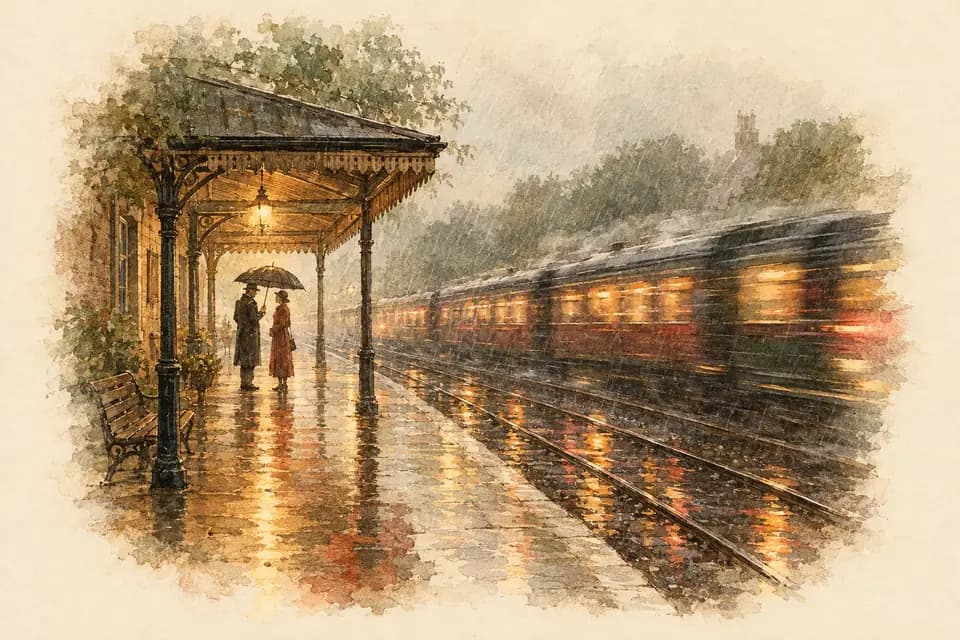 RomanceGet a contemporary love story where the relationship is the plot but the happy ending isn't promised: two people, the years between them, and the choices that…
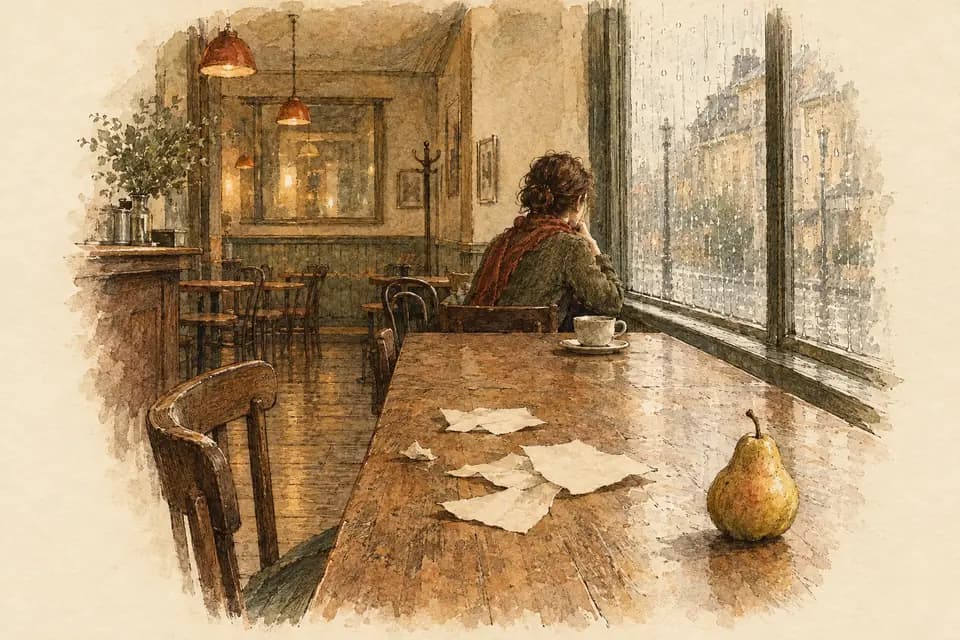 LiteraryGet a literary fiction premise built on a situation rather than a scheme: a person, a pressure, and a question the book can turn over for three hundred pages…
 Short StoriesGet a short story premise small enough to finish: one character, one situation, one turn.
 AmericanGet a premise for a novel about America now: a specific town, a family's money and secrets, and a question about who gets to belong.
 FantasyGet a contemporary fantasy premise where one impossible thing turns up in an ordinary present-day life: a dryer that returns lost things, a stenographer whose…
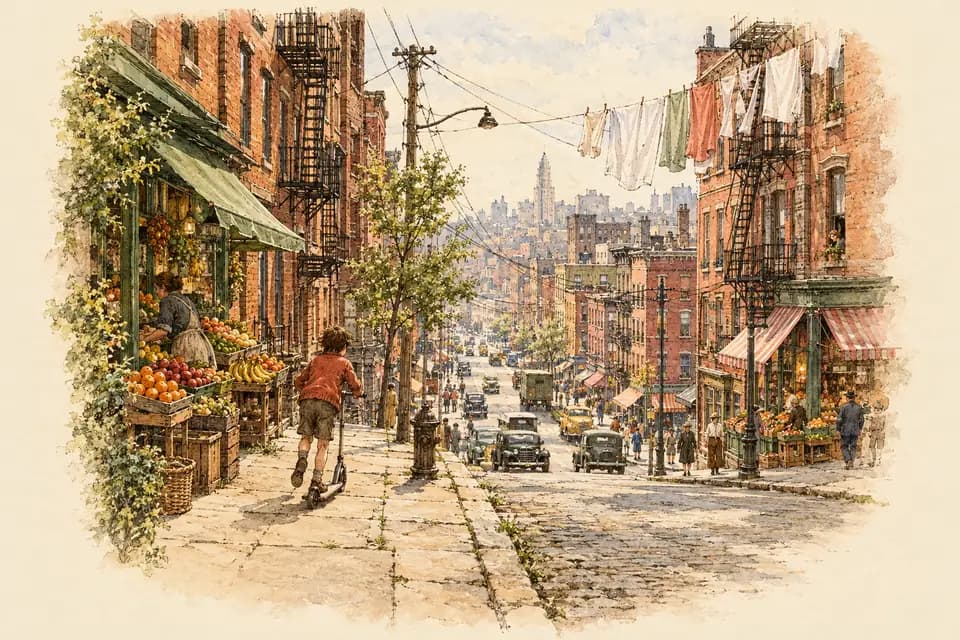 UrbanGet an urban fiction premise with the pulse of a real block: family you'd go to prison for, money that comes too fast, a neighborhood that remembers…
 ReligiousGet a contemporary faith fiction premise where belief is tested by something real: a diagnosis, a church split, a prodigal child, a prayer that wasn't answered…
What Contemporary Fiction readers come for
Readers of contemporary fiction want to recognize the world on the page: the mortgage, the group chat, the parent who needs more care than anyone can give. The pleasure is watching ordinary lives pressed hard enough to show their shape. These plots are rarely about saving anything larger than a marriage, a family business or someone's sense of who they are, and that's plenty. The stakes feel high because readers have lived some version of them.
The subgenres split on emphasis. Literary fiction cares most about sentences and interior life, and its endings can stay open. Women's fiction follows a woman through a change in her life, with romance as one thread among several. Urban fiction lives on city blocks and in family loyalty, often in Black American neighborhoods. Faith fiction puts belief under pressure. Contemporary fantasy slips one impossible thing into the present day, and short stories do all of it in a few thousand words.
Make the stakes personal and specific
Contemporary stories rarely have a bomb to defuse, so the stakes have to be concrete in another way. In Little Fires Everywhere by Celeste Ng, a custody fight over one baby splits a Shaker Heights family and an entire town. A single specific thing to win or lose does more than a vague sense that a life is unfulfilled.
Find the pressure point in a family
Families give contemporary plots a ready-made engine: inheritance, caregiving, old favoritism, a secret that outlives its keeper. In The Dutch House by Ann Patchett, two siblings are put out of their childhood home by their stepmother, and the loss shapes the next five decades of their lives. Look for the one event your characters keep circling back to.
Give the protagonist a choice, not a situation
A diagnosis, a layoff or a divorce is a situation. The plot starts when your character has to decide something about it and the decision costs them. Contemporary novels sag when things keep happening to a protagonist who only reacts, so build toward choices that only this person would make.
Let the present press in, lightly
Money, phones, politics and work belong in a novel set now, because readers live with them. But too many brand names, apps and memes date a book within a few years. Use the present as weather, not wallpaper: let rent, a viral post or a job market shape what characters can do, and skip the product placement.
Choose an ending that fits the shelf
Each contemporary subgenre makes a different promise. Literary fiction can end open or unresolved. Women's fiction usually closes on hope earned through change. Faith fiction tends toward grace or renewed belief. Romance-forward love stories may end bittersweet. Know which promise you made in chapter one, then keep it.
Titles, prompts and names
Questions about Contemporary Fiction plots
What counts as contemporary fiction?
Fiction set in roughly the present day, in the recognizable real world, usually without speculative elements (contemporary fantasy is the deliberate exception). There's no fixed cutoff, but a novel set several decades back starts to read as historical, and agents may file it that way. If your story depends on the period, pitch it as historical.
How long should a contemporary novel be?
Most adult contemporary novels run 70,000 to 100,000 words. Debuts much over 110,000 are a harder sell because they cost more to print and ask more of a reader taking a chance on a new name. Literary novels can run shorter, and some publish successfully at novella length.
Is contemporary fiction the same as literary fiction?
No. Literary fiction is one branch of contemporary fiction, focused on style and interior life. Commercial contemporary fiction, upmarket or book club fiction, women's fiction and urban fiction are all set in the present too, and they put more weight on plot momentum and accessibility.
Should I name real brands, apps and events?
Sparingly. A real city, a real chain store or a real news event can anchor a scene, but specific apps and slang age quickly. Also decide early whether your present day includes the pandemic years, since readers will notice if a 2021 setting never mentions them.
Plot generators for other genres




Found the plot? Write it.
Take it into Chapterly: outline it on a board, name the cast, and write chapter one tonight.
Plans from $9.99 a month. Cancel any time. Your words are always yours.