Short Stories Plot Generator
Get a short story premise small enough to finish: one character, one situation, one turn. Each idea is sized for a story you could draft in a weekend and revise for a magazine.
- Sample
The Last Run of Bus 14
On her final route before retirement, a school bus driver in rural Maine notices that one boy didn't get on. She's driven these roads for thirty-one years and knows exactly which house he's in and why he'd stay home. Going ten minutes off route could cost her the pension she's three hours from collecting. At the next turnaround, she turns the bus around.
- Sample
Unit 212
Two estranged sisters meet at a storage unit outside Phoenix to divide what's left of their mother's things before the unpaid unit goes to auction at noon. It's 109 degrees, the facility has one hand truck, and neither sister will say she wants the ugly ceramic owl from the kitchen windowsill. Both of them do, and only one of them knows why.
- Sample
Lucky Numbers
A man who writes fortunes for a Brooklyn fortune cookie factory starts slipping private messages into the batch that goes to the Chinese restaurant where his ex-wife orders every Friday. Three weeks later she answers, in the comments box of the restaurant's delivery app. The owner reads every comment, and he starts to wonder why his customers are suddenly so sad.
- Sample
The Unholy Miracle
A non-religious man discovers a miracle in his backyard and becomes an overnight sensation, forcing him to reconcile with his beliefs, and the newfound attention it brings.
- Sample
Invisible City
Five homeless individuals create a makeshift family on the streets of New York, each carrying a profound secret that could either strengthen or shatter their tight-knit bonds.
- Sample
Under the Maple Trees
A small town girl discovers unseen side of her picturesque town. With a diary of a previous town resident as her guide, she must uncover the town's dark past before its too late.
- Sample
Canvas of the Unseen
An autistic boy with an uncanny talent for painting is thrust into the limelight. As he navigates the art world, he struggles to protect his innocence and preserve his unique perspective.
- Sample
Luck in a Pocket
Three Asian immigrants operating a laundromat in the 1980s find an unclaimed lottery ticket in a pocket. Deciding what to do with it tests their bond and individual moral compasses.
Short Stories: what makes the plot work
Short stories are brief yet powerful narratives that often focus on a single theme, moment, or character, delivering a punch in a compact format.
Start as late as you can
A short story has no room for warm-up. Open inside the situation, ideally on the day or hour things change, and let backstory leak through action. If your first page explains who everyone is, try cutting it and see if the second page works as an opening.
Limit the cast and the clock
Most strong stories cover a short span with very few people. "The Lottery" by Shirley Jackson takes place over one summer morning in one village square, and that tight frame is what makes the ending so brutal. Two or three characters and a single setting will usually serve better than a sprawling cast.
Build to a turn, not a twist
The ending should change how we see what came before, but it doesn't need to be a trick. In "Cathedral" by Raymond Carver, a jealous husband ends the night drawing a cathedral with his eyes closed, his wife's blind friend's hand on his. Nothing is revealed, yet everything has shifted.
Let one object carry the weight
Compression works best when a concrete thing holds the emotion. In "The Things They Carried" by Tim O'Brien, lists of what soldiers carry, down to Lieutenant Cross's letters from Martha, tell us who each man is and what he's afraid of. Find the object your story keeps returning to.
More Contemporary Fiction plot generators
Or see the whole shelf: Contemporary Fiction plot ideas.
 Women's FictionGet a women's fiction premise centered on a woman at a turning point: a divorce, a diagnosis, a mother's secret, a business she isn't sure she wants.
 RomanceGet a contemporary love story where the relationship is the plot but the happy ending isn't promised: two people, the years between them, and the choices that…
 LiteraryGet a literary fiction premise built on a situation rather than a scheme: a person, a pressure, and a question the book can turn over for three hundred pages…
 AmericanGet a premise for a novel about America now: a specific town, a family's money and secrets, and a question about who gets to belong.
 FantasyGet a contemporary fantasy premise where one impossible thing turns up in an ordinary present-day life: a dryer that returns lost things, a stenographer whose…
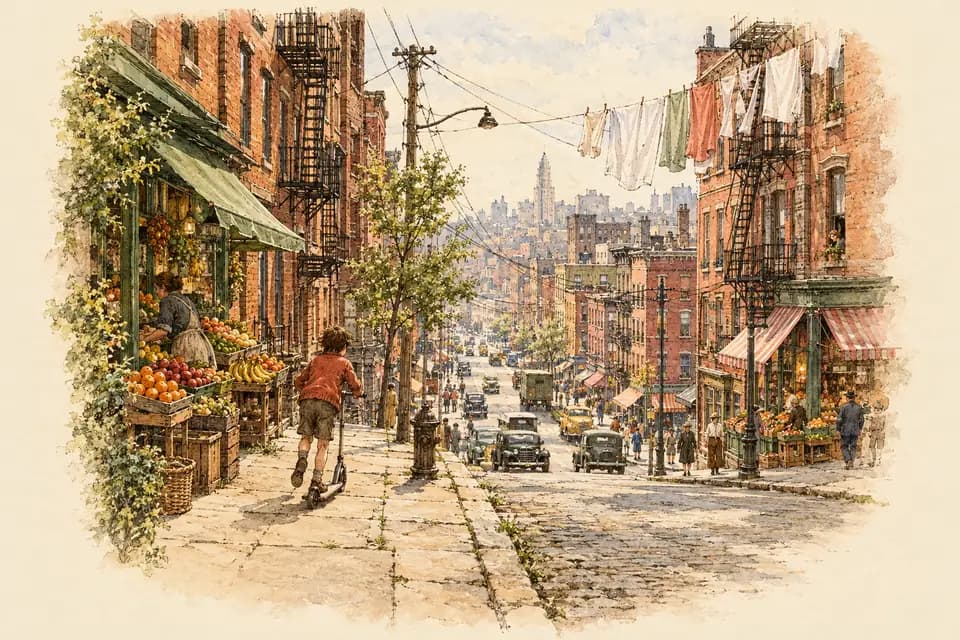 UrbanGet an urban fiction premise with the pulse of a real block: family you'd go to prison for, money that comes too fast, a neighborhood that remembers…
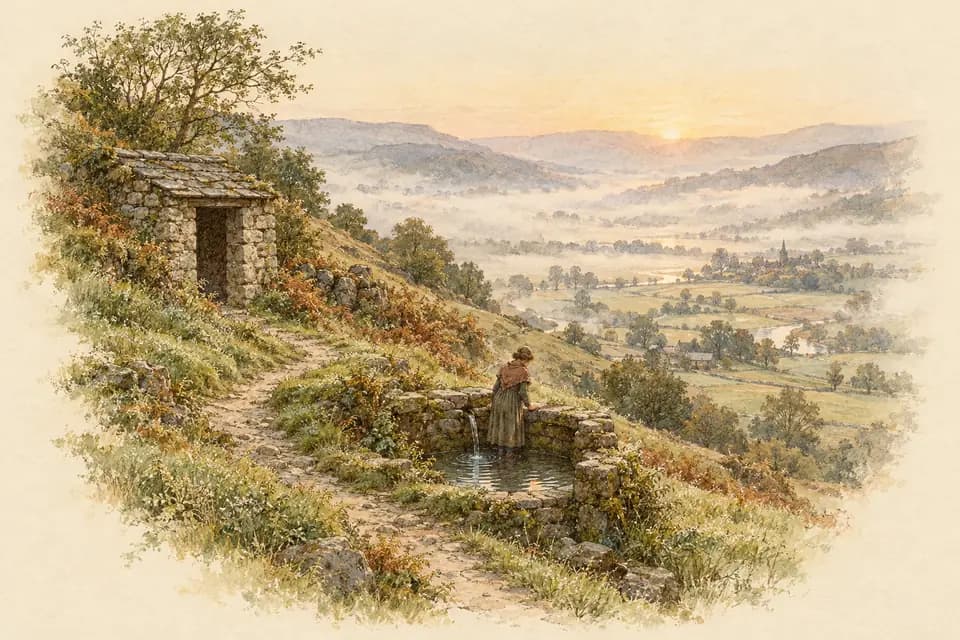 ReligiousGet a contemporary faith fiction premise where belief is tested by something real: a diagnosis, a church split, a prodigal child, a prayer that wasn't answered…
Names, a first scene and a title
Questions about Short Stories plots
How long is a short story?
Flash fiction runs under about 1,000 words. Most short stories fall between 1,000 and 7,500 words, which is also where the Nebula Awards set the short story cutoff. Many literary magazines prefer under 5,000, so check each market's guidelines before you send.
Does a short story need a twist ending?
No. Many of the best stories end on a quiet turn: a realization, a decision, a small act that shows a change. A twist that depends on hiding information from the reader can feel like a trick. A turn that recasts everything already on the page feels earned.
Where can I submit short stories?
Literary magazines, genre magazines and anthologies all take submissions, and Duotrope and Submittable help you find and track them. Read a market before submitting, follow its guidelines exactly, and note whether it accepts simultaneous submissions. Posting a story publicly first, even on a blog, can disqualify it for markets that buy first rights.
Found the plot? Write it.
Take it into Chapterly: outline it on a board, name the cast, and write chapter one tonight.
Plans from $9.99 a month. Cancel any time. Your words are always yours.