Fantasy Plot Generator
Get a contemporary fantasy premise where one impossible thing turns up in an ordinary present-day life: a dryer that returns lost things, a stenographer whose transcripts come true, bees that answer back.
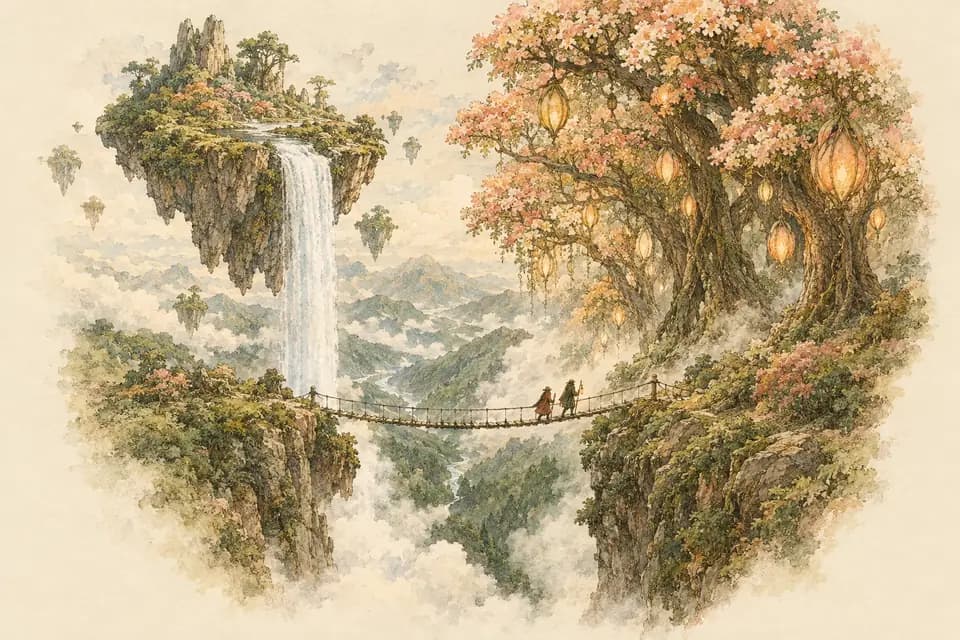
- Sample
Dryer Nine
Dolores Ruiz inherits a laundromat in Cleveland with one rule taped to dryer nine: never open it before the cycle ends. She does, and pulls out a damp wool coat that belonged to her brother, who went missing in 2009. The dryer starts returning his things one load at a time, in order. Then Dolores realizes someone else has been feeding it quarters for years.
- Sample
Verbatim
Ana Petrovic, a court stenographer in Chicago, has known for years that whatever she transcribes in court becomes true, even lies. She has kept it quiet by being careful. Then a witness lies under oath in a murder trial before she can stop her hands. Now the defendant's alibi holds, a different man is dead, and the prosecutor wants to know why the evidence changed overnight.
- Sample
The Courthouse Swarm
When Darla Kincaid's grandmother dies in West Virginia, someone has to tell the bees, an old custom Darla always took for superstition. She skips it. By the end of the week the hives have swarmed into the county courthouse, and anyone who stands near them hears her grandmother's voice answering questions about the dead, including who really owns the family land.
- Sample
Benevolent Shadows
When a city girl inherits an ancient and haunted Scottish castle, she's revealed to be the last in a lineage of powerful witches. Now she has to learn her craft fast as supernatural forces conspire to take her birthright.
- Sample
The Time Vein Chronicles
In a world where humans can absorb powers from mystical stones, a clumsy painter discovers a forgotten stone that bestows the power of time manipulation. He must learn to harness his newfound abilities to rewrite tragic events.
- Sample
Dragon of the Dumpsters
A sanitation worker finds a discarded dragon egg in the garbage. When it hatches, she has to navigate through contemporary society while keeping the mischievous and majestic creature a secret until she can find its rightful home.
- Sample
Dribbles and Spells
A high school basketball prodigy who dreams for a normal life is plunged into a world of magic when he discovers that his deceased father was a legendary wizard, and he must fulfill his father's legacy.
- Sample
Symphony of the Enchanted
Four struggling musicians, through a bizarre twist of fate, stumble upon magical instruments that grant them extraordinary abilities. Dealing with fame and the supernatural, they are tasked with saving the world's music from an ancient, malevolent force.
Fantasy: what makes the plot work
Fantasy fiction invites readers to explore magical realms, mythical creatures, and epic adventures, often delving into themes of heroism and the battle between good and evil.
Decide who knows about the magic
The first big choice is whether magic is hidden, half-known or public. In Rivers of London by Ben Aaronovitch (published in the US as Midnight Riot), constable Peter Grant learns that the Metropolitan Police quietly keeps a wizard on staff, and the comedy comes from magic filed alongside ordinary police paperwork. The secrecy level shapes every scene.
Make the magic cost something
In a world readers recognize, free magic would solve rent, illness and grief, and they'll ask why it doesn't. Give every spell a price, a limit or a side effect that matters in daily life. The cost is usually where your plot lives.
Ground it in ordinary detail
The magic feels real when everything around it is mundane and exact. In Garden Spells by Sarah Addison Allen, the Waverley sisters cook with flowers that change the people who eat them, and an apple tree in their North Carolina yard throws its fruit at people. The catering business and small-town gossip make the enchantment believable.
Tie the magic to a real place
Contemporary fantasy is strongest when its magic grows out of a specific city, region or folklore. In The City We Became by N.K. Jemisin, New York's boroughs come alive as human avatars who have to defend the city. Ask what your setting's history, myths and neighborhoods would produce if they could act.
More Contemporary Fiction plot generators
Or see the whole shelf: Contemporary Fiction plot ideas.
 Women's FictionGet a women's fiction premise centered on a woman at a turning point: a divorce, a diagnosis, a mother's secret, a business she isn't sure she wants.
 RomanceGet a contemporary love story where the relationship is the plot but the happy ending isn't promised: two people, the years between them, and the choices that…
 LiteraryGet a literary fiction premise built on a situation rather than a scheme: a person, a pressure, and a question the book can turn over for three hundred pages…
 Short StoriesGet a short story premise small enough to finish: one character, one situation, one turn.
 AmericanGet a premise for a novel about America now: a specific town, a family's money and secrets, and a question about who gets to belong.
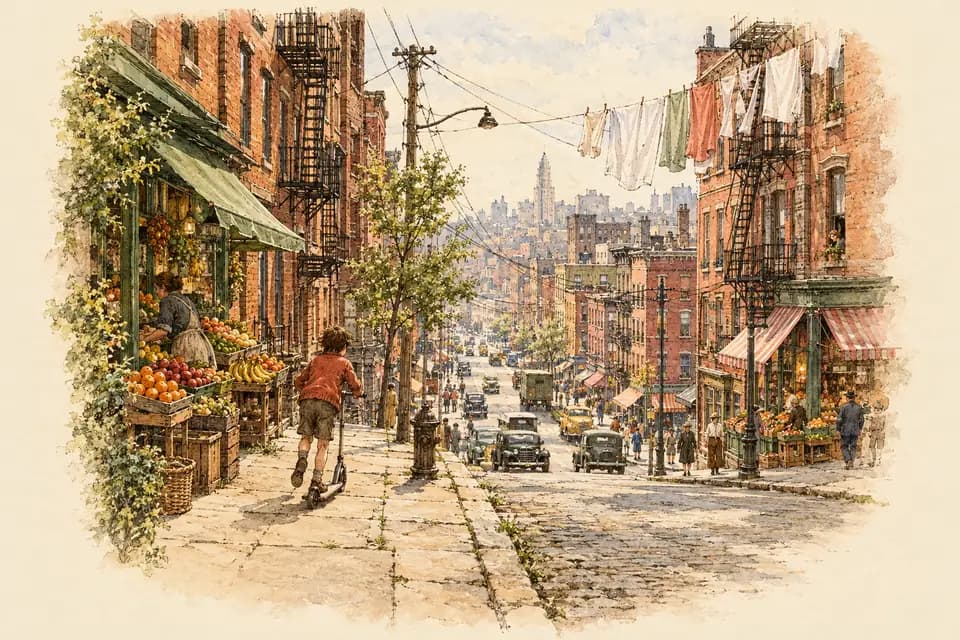 UrbanGet an urban fiction premise with the pulse of a real block: family you'd go to prison for, money that comes too fast, a neighborhood that remembers…
 ReligiousGet a contemporary faith fiction premise where belief is tested by something real: a diagnosis, a church split, a prodigal child, a prayer that wasn't answered…
Questions about Fantasy plots
How is contemporary fantasy different from urban fantasy?
Urban fantasy is a branch of contemporary fantasy, usually set in a city, often with a detective or hunter heroine, action plots and a long series. Contemporary fantasy is the wider category, and it includes small-town magic, quiet literary stories and cozy books where no one is fighting monsters.
Is contemporary fantasy the same as magical realism?
Not quite. Magical realism, associated with Latin American writers such as Gabriel Garcia Marquez, presents the magical as an unremarkable part of reality, without explanation or rules. Contemporary fantasy usually treats magic as something characters notice, investigate and pay for. Many books sit between the two.
How much worldbuilding does contemporary fantasy need?
Less than a secondary-world fantasy, since readers already know the setting. What you do need is clear: what the magic can and can't do, who else knows, and what happens when it breaks the rules. A one-page rules sheet often covers it.
Found the plot? Write it.
Take it into Chapterly: outline it on a board, name the cast, and write chapter one tonight.
Plans from $9.99 a month. Cancel any time. Your words are always yours.