Mystery & Crime Plot Generator
Generate mystery and crime premises with a body, a question and more suspects than the detective would like, then plant the clues that make the answer feel fair.
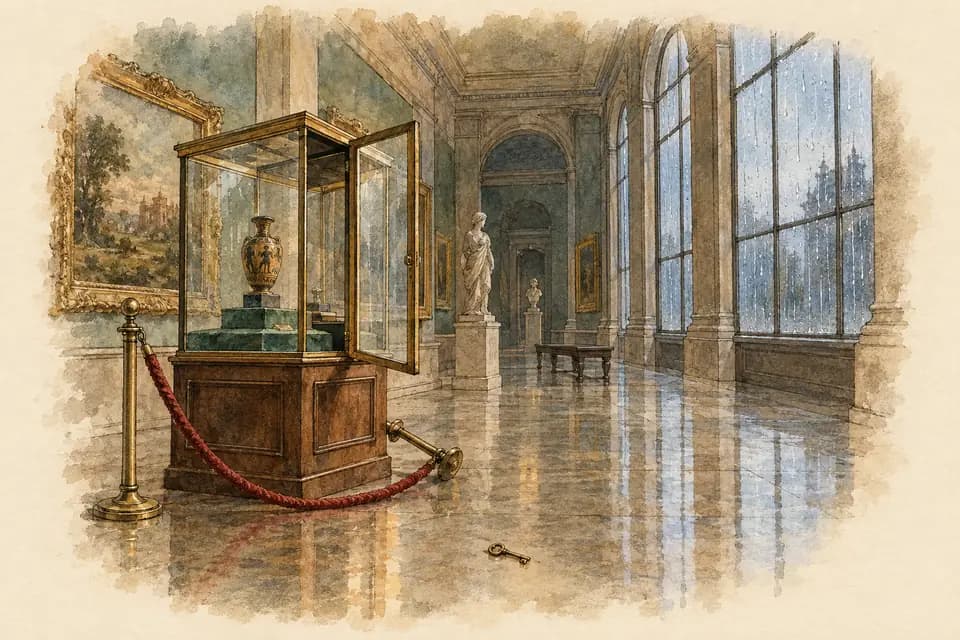
- Crime Fiction
Wash and Fold
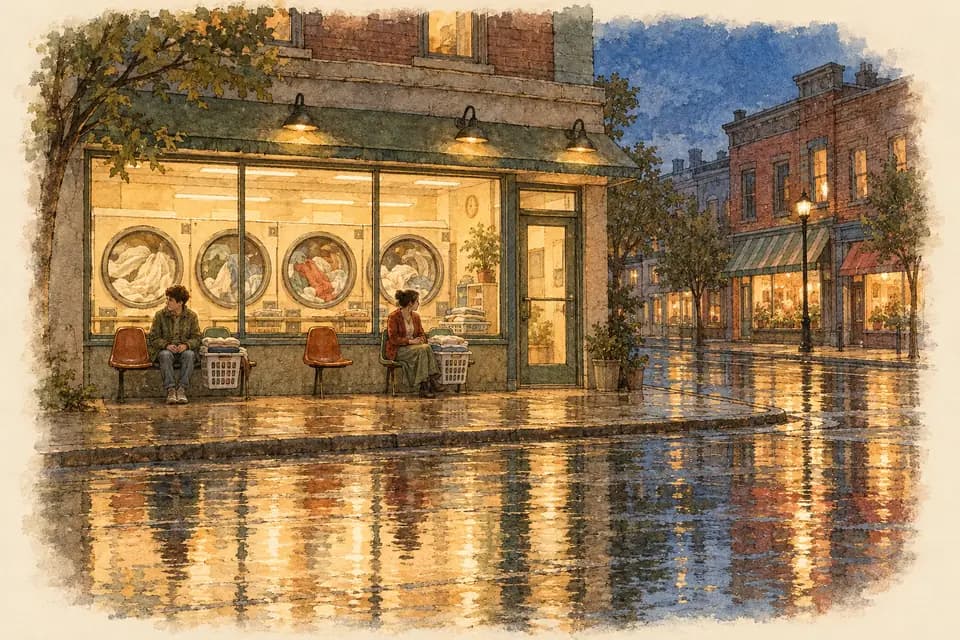
Hector Ruiz owns a laundromat in El Paso that two brothers from his old neighborhood have used to clean money for six years. He keeps the books straight and his head down. When the younger brother is found dead inside one of his dryers, the older one asks Hector to find out who did it, because he trusts Hector more than the police. Hector trusts neither of them.
- Detective Fiction
The Barra Wedding
Retired schoolteacher Agnes Morrow takes the ferry to the Isle of Barra for a former pupil's wedding. The morning after the ceilidh, the groom's father is found dead at the foot of the harbor wall, and the island's only police officer is the bride's cousin. Agnes taught half the guests. She knows which of them lie well, and which one always wanted her approval.
- Multicultural Fiction
Party Jollof
Funmi Adebayo caters Nigerian weddings and funerals in Houston, and she can read every family's feuds from the seating chart. At the lavish funeral of a wealthy matriarch, the woman's eldest son collapses after eating from Funmi's jollof rice. The police suspect food poisoning. Funmi knows her rice, and she knows three relatives were fighting over the will the night before.
- Police Stories
Allotment Fourteen
Detective Constable Bethan Pugh has been in CID for six weeks in a Welsh valleys town when an elderly man is found dead in his allotment shed. Her sergeant calls it a heart attack. Bethan notices the shed was padlocked from the outside and the man's dog is missing. Pushing it means crossing the sergeant who decides whether she stays in CID, and who knew the dead man well.
- Women Detectives
Surgery Hours
Dr. Yasmin Shah, a family doctor in a Yorkshire market town, is called to certify the death of a farmer's wife who apparently fell down her stairs. Two weeks earlier, Yasmin treated her for a broken wrist the woman also blamed on a fall. The local sergeant, the husband's cousin, is happy to call it an accident. Yasmin has a waiting room full of people who knew the dead woman, and some of them will talk.
Mystery & Crime plot generators
Each one has its own samples, a plotting checklist and the questions writers in that corner of the shelf ask most.
 Crime FictionGenerate crime fiction premises that look at a crime from every side: who did it, who paid for it, who covered it up, and what the neighborhood still remembers.
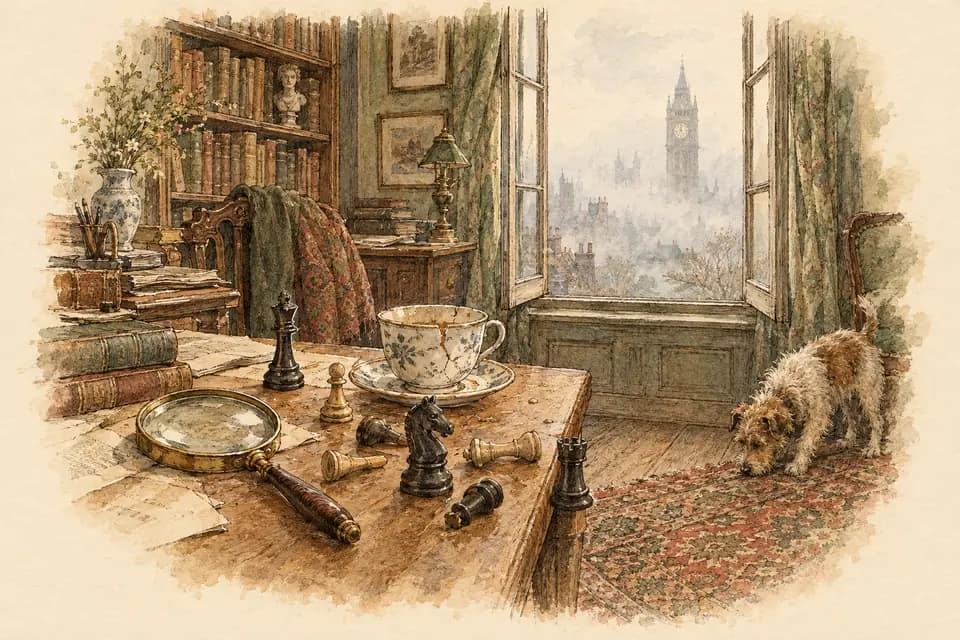 Detective FictionGenerate detective story premises with a puzzle at the center, a sleuth with a method all their own, and a closed circle of suspects who each have something to hide.
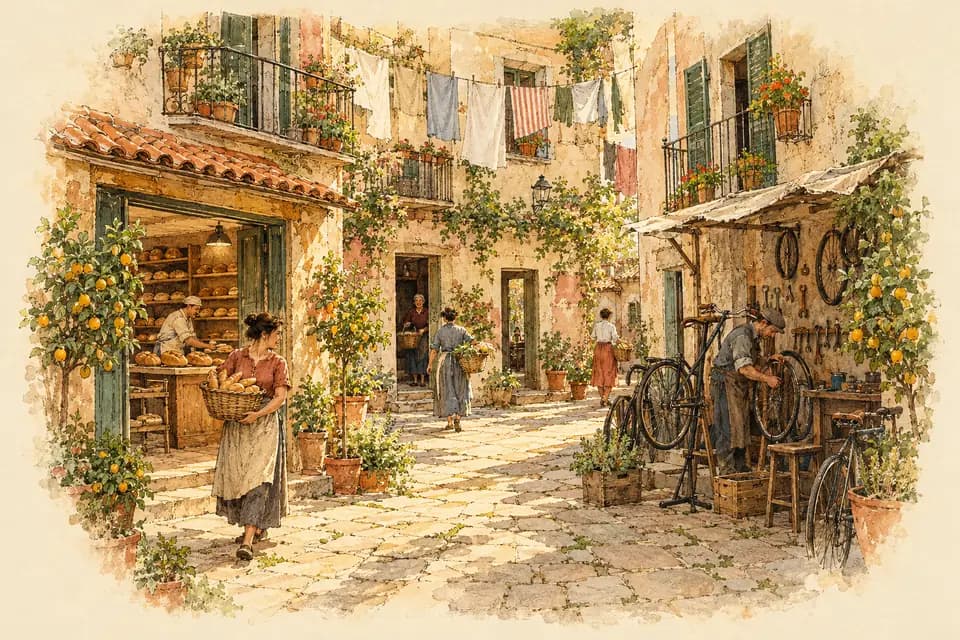 Multicultural FictionGenerate mystery premises where the culture is part of the case: a detective who reads a community from the inside, and clues that only make sense if you know…
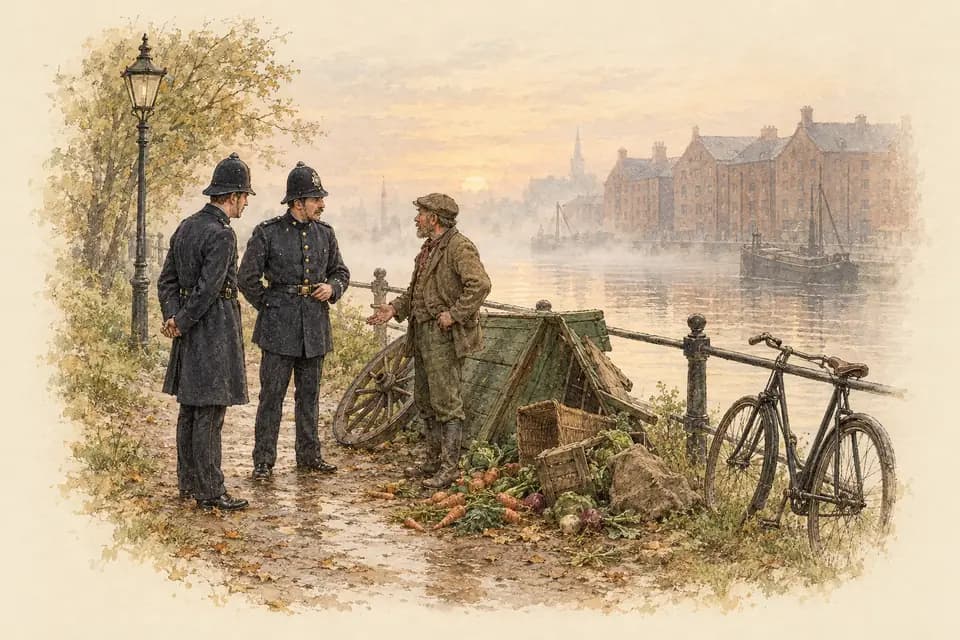 Police StoriesGenerate police story premises that follow a case through the station as much as the streets: partners, paperwork, politics, and the officer who can't let one file go.
 Women DetectivesGenerate mysteries led by women investigators, from village sleuths and private eyes to detective inspectors, each with a method shaped by who she is and what…
What Mystery & Crime readers come for
Mystery readers want to be fooled honestly. They want the clues on the page, a detective worth following, and an ending that surprises them while making them feel they should have seen it. Crime fiction readers may care less about the puzzle and more about why people kill, steal and lie, and what a crime does to a family, a street or a city. Both groups return for a voice they trust over many books, which is why series dominate this shelf.
The subgenres here differ mainly in who investigates. Detective fiction centers a sleuth, professional or amateur, working out a puzzle. Police stories follow officers inside the system, with its paperwork, politics and partners. Women detectives covers the long line of female investigators from Miss Marple to Kinsey Millhone. Multicultural mysteries put a community's language, customs and history at the heart of the case. Crime fiction is the widest, with room for criminals, victims and bystanders as well as detectives.
Work backward from the solution
Write down what really happened, hour by hour, before you plot the investigation. The killer's timeline is the skeleton the clues hang on. Once you know it, you can decide which pieces the detective finds, in what order, and which ones the killer tried to hide.
Hide clues in plain sight
The fairest clue is one the reader sees and misreads. Agatha Christie liked to tuck a vital fact into a list of ordinary details or a line of dialogue that seems to be about something else. In The Murder of Roger Ackroyd, the evidence for the solution sits in plain view inside the narrator's own account.
Give every suspect a secret
Suspects who are innocent of murder should still be guilty of something: an affair, a debt, a lie about where they were. Their secrets explain why they act guilty and give the detective false trails worth following. As each secret comes out, the field narrows honestly.
Let the detective's life shape the method
Sherlock Holmes reads ash and calluses. In Walter Mosley's Devil in a Blue Dress, Easy Rawlins is hired because he can ask questions in 1948 Black Los Angeles where a white investigator would get nowhere. Your detective's background, job and blind spots should decide how they investigate, not just how they look.
Make the solution cost someone
The answer should hurt, ideally someone the reader cares about. A killer who turns out to be a near stranger leaves the ending hollow. When the solution exposes a marriage, a friendship or the detective's own judgment, the last chapter carries real weight.
Questions about Mystery & Crime plots
What is a fair-play mystery?
A fair-play mystery gives the reader every clue the detective uses, so the solution could in principle be worked out before the reveal. The idea took hold in the Golden Age of the 1920s and 1930s, when Ronald Knox even published a list of ten rules for detective fiction. Most modern mysteries still honor its spirit, even when they break the letter.
How many suspects should a mystery have?
Three to six serious suspects is a common range. Fewer makes the answer easy to guess, and more makes them hard to keep straight. Give each one a distinct voice, a motive and a reason to lie, and introduce them early enough that the killer isn't the last new face.
How long is a typical mystery novel?
Most adult mysteries run about 70,000 to 90,000 words, with cozy mysteries often shorter and dark crime novels sometimes longer. Debut authors are usually advised to stay inside that range. Series books tend to settle into a consistent length that readers come to expect.
Should my first mystery be a standalone or the start of a series?
Publishers often prefer a detective who can return, since mystery readers follow characters from book to book. You can write a complete story with series potential: solve the case fully, but leave the detective's personal life with somewhere to go.
Plot generators for other genres


Found the plot? Write it.
Take it into Chapterly: outline it on a board, name the cast, and write chapter one tonight.
Plans from $9.99 a month. Cancel any time. Your words are always yours.