Romance Plot Generator
Pick a subgenre and get a romance premise built on two people, the thing keeping them apart, and the reason neither can walk away. Every plot here aims at a happy ending the couple has to earn.
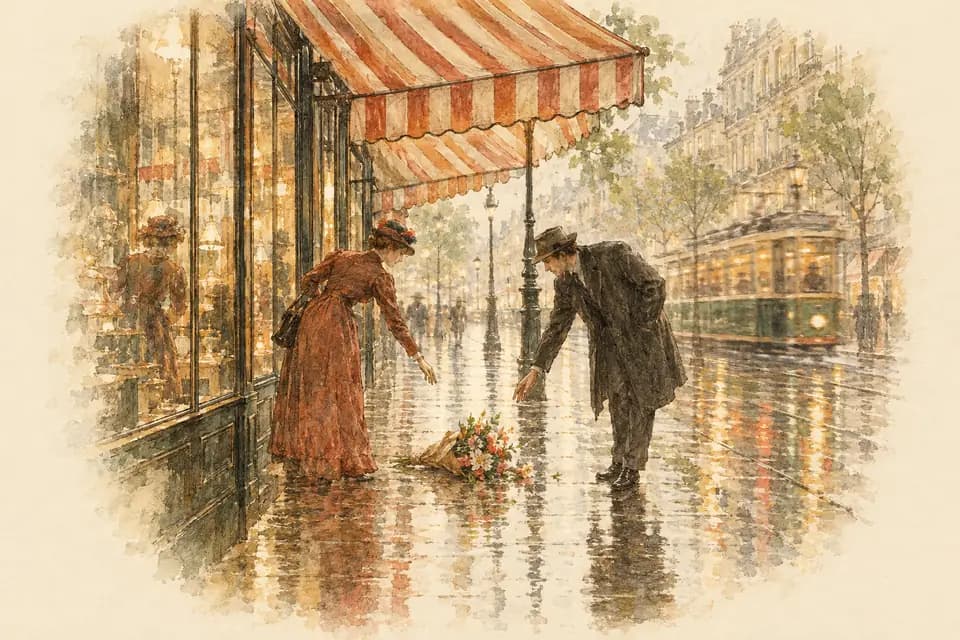
- Historical Romance
A Scandal in Small Capitals
York, 1822. Hester Penrose keeps her late husband's print shop afloat by secretly writing the town's most vicious gossip sheet. When Viscount Thorne arrives to unmask the writer who called him a fortune hunter, he hires Hester to print the handbills for his sister's charity ball and keeps lingering at the press. He wants the author's name. She wants his money, and to stop liking him.
- Contemporary
Brine and Balance Sheets
Priya Nair needs one clean quarter to make partner at her Chicago accounting firm. Then an audit sends her to a family-owned pickle company in Wisconsin, where the CFO is the founder's grandson, Ben, who keeps the books in a spiral notebook and refuses to lay anyone off. The numbers say sell. Priya says sell. A week-long snowstorm keeps her there long enough to find out why the numbers are wrong.
- LGBTQ+
Slack Tide
Bea Sandoval, a trans woman who just took over her father's failing marina in the Florida Keys, needs the mechanic he fired last spring to come back before tourist season. Joy Whitaker agrees on one condition: Bea teaches her to read the books so Joy can buy in as a partner. They agree to keep it strictly business. Then Bea's father turns up, wanting the marina back and Joy gone.
- Paranormal Romance
O Negative
Ruth Calloway works nights at a Pittsburgh blood bank and has noticed one unit of O-negative going missing every Thursday. She stakes out the cooler and catches Anselm, a four-hundred-year-old vampire who refuses to feed on people and is slowly starving. Reporting him would bring his own kind down on him. Covering for him could cost her job. Feeding him herself would cost something else entirely.
Romance plot generators
Each one has its own samples, a plotting checklist and the questions writers in that corner of the shelf ask most.
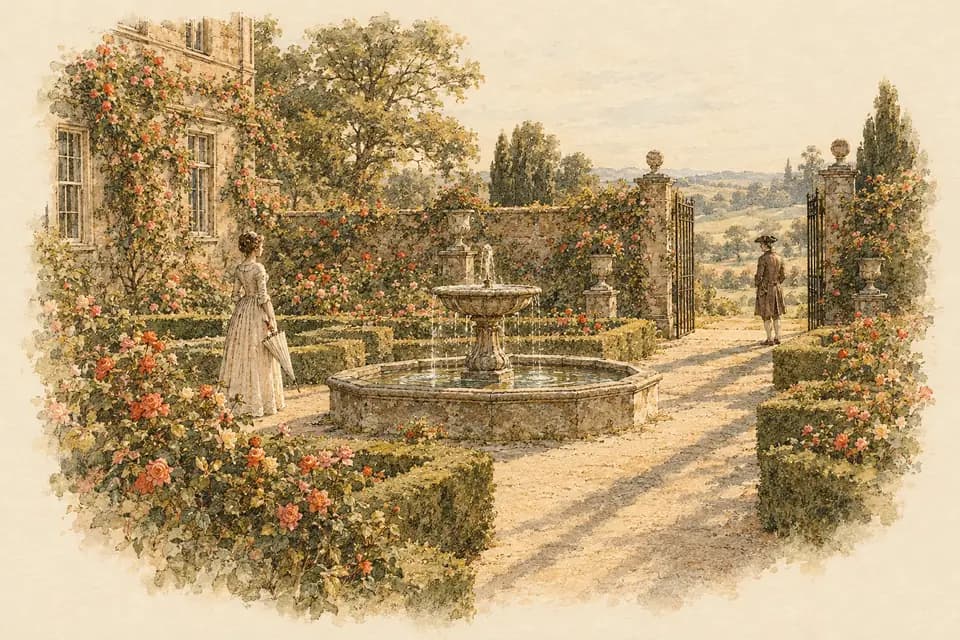 Historical RomanceGet a historical romance premise with the rules built in: who may marry whom, what a ruined reputation costs, and which ballroom, castle or frontier town the…
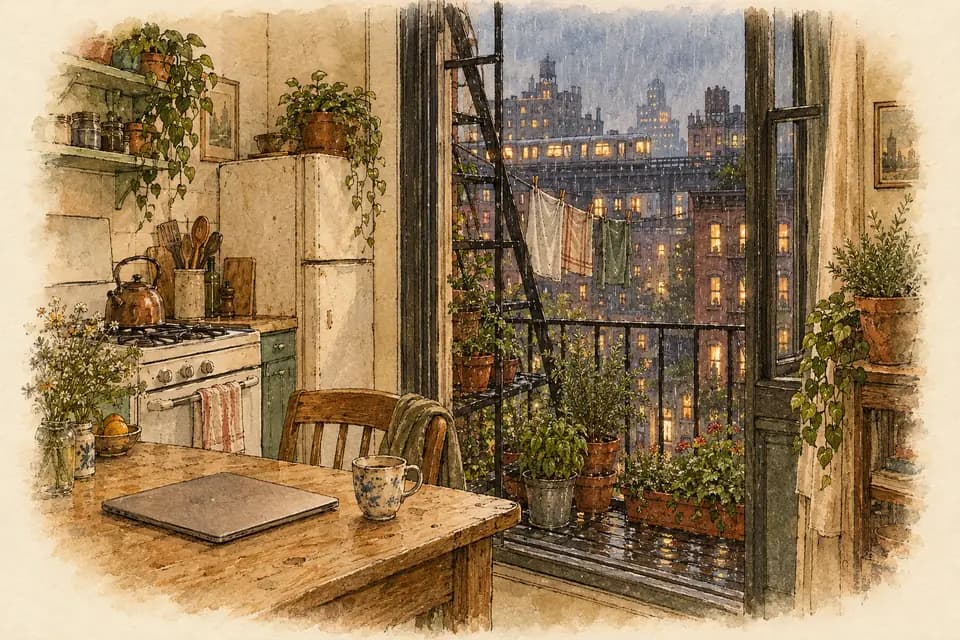 ContemporaryGenerate a contemporary romance set right now: two people with jobs, exes, group chats and one good reason not to fall for each other.
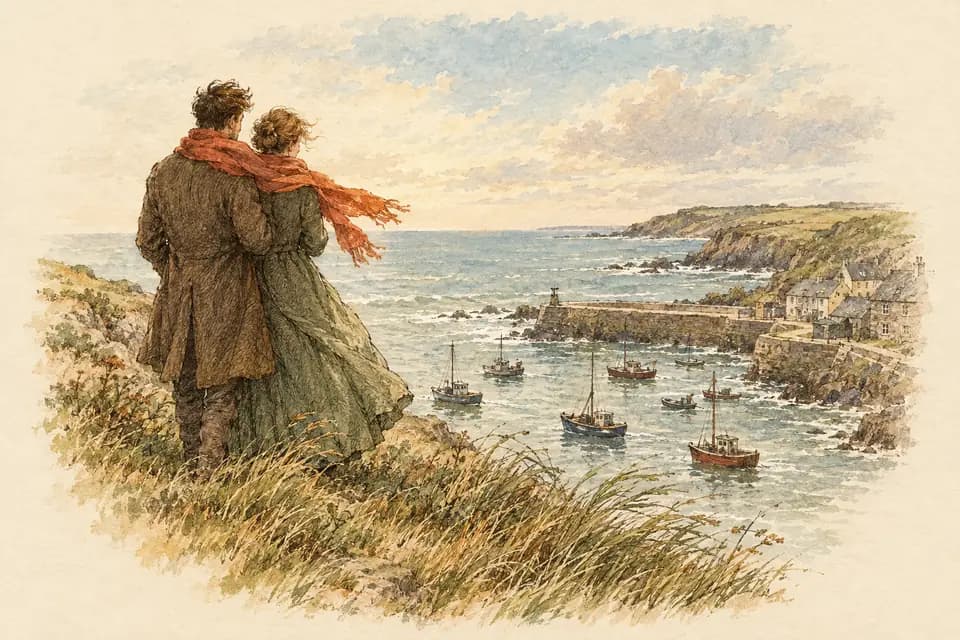 LGBTQ+Get a queer romance premise with real stakes and a happy ending in full: gay, lesbian, bi, trans and nonbinary leads falling in love in kitchens, locker rooms…
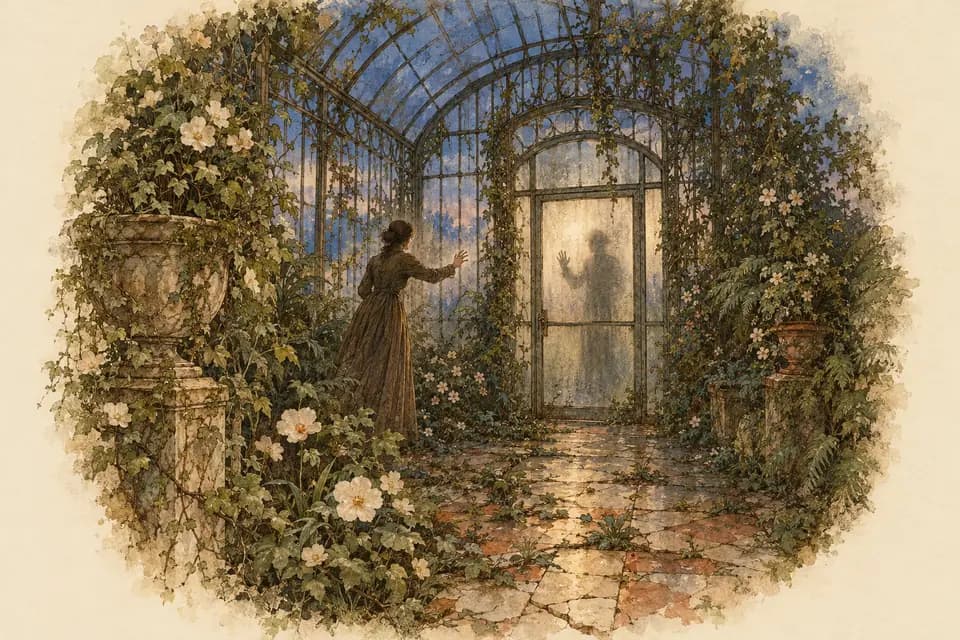 Paranormal RomanceGenerate a paranormal romance where the supernatural is the obstacle: a vampire's hunger, a pack's law, a witch's curse, a demon's contract.
What Romance readers come for
Romance readers come for two things: the slow pressure of two people falling for each other, and the promise that it ends well. The Romance Writers of America definition still holds: a central love story and an emotionally satisfying, optimistic ending. Readers will forgive a convenient snowstorm or a fake engagement nobody would really agree to. They won't forgive a couple who split for good on the last page. Inside that promise, the subgenres pull in very different directions.
Historical romance runs on rules and manners, where a gloved hand held a beat too long can ruin a reputation. Contemporary romance puts the couple in jobs, group chats and small towns readers recognize from their own lives. LGBTQ+ romance gives queer couples the same full happy ending, sometimes with coming out as part of the arc and sometimes with it settled before page one. Paranormal romance adds a vampire, a shifter or a curse, and the supernatural rules become part of what keeps the lovers apart.
Pair an outside obstacle with an inner one
External problems put the couple in the same room. Internal ones keep them from saying the true thing once they're there. In The Kiss Quotient by Helen Hoang, the arrangement is a paid contract, but the real obstacles are Stella's belief that she can't be loved as she is and Michael's shame about his father.
Know why your trope works
Every trope promises readers a specific pleasure. Enemies to lovers lets them watch contempt turn into respect, scene by scene. In The Hating Game by Sally Thorne, Lucy and Josh share an office and a feud, and the fun is how every petty game reveals how closely they've been watching each other.
Hit the expected beats in your own order
Readers expect a first meeting, a pull toward each other, a first kiss, a breakup or dark moment, and a grand gesture. Gwen Hayes lays these out in her craft book Romancing the Beat. The beats are a floor, not a cage. What makes a book feel fresh is how your couple's specific flaws cause each one.
Make the grand gesture cost something
The gesture near the end should require a character to do the thing they couldn't do in chapter one. In Pride and Prejudice by Jane Austen, Darcy quietly pays Wickham to marry Lydia and asks for no credit, which costs him exactly the pride Elizabeth accused him of. Flowers and airport sprints only work if they cost a flaw.
Break them up for the right reason
The low point late in the book lands hardest when it grows out of a wound you planted early. A misunderstanding that one honest text would fix makes readers impatient. A breakup that happens because she still believes she'll be left, or he still can't ask for help, makes them root for the repair.
Questions about Romance plots
Does a romance novel have to end happily?
Yes, if you want it shelved and sold as romance. Readers expect a happily ever after or at least a happy for now. A love story where the couple ends apart can be a wonderful book, but it belongs on the contemporary, literary or women's fiction shelf, and calling it romance will cost you reviews.
What's the difference between HEA and HFN?
HEA, happily ever after, means the couple is committed for good, often shown with a proposal, wedding or epilogue years later. HFN, happy for now, means they're together and hopeful at the end without a forever promise. HFN is common in new adult romance and in series where a couple will return in later books.
How long is a romance novel?
Most single-title romances land between 70,000 and 100,000 words, with historicals often at the longer end. Category romance lines, such as Harlequin's, run shorter and each line publishes its own target. Novellas of 20,000 to 40,000 words do well in anthologies and as series fillers between full books.
How explicit does a romance need to be?
As explicit as your subgenre and readers expect, and no more. Heat runs from closed-door sweet romance, the standard for inspirational lines like Love Inspired, to fully open-door scenes. Pick a level, keep it consistent across the book and series, and signal it honestly in the cover and blurb so readers know what they're getting.
Plot generators for other genres
Found the plot? Write it.
Take it into Chapterly: outline it on a board, name the cast, and write chapter one tonight.
Plans from $9.99 a month. Cancel any time. Your words are always yours.