Science Fiction & Fantasy Plot Generator
Pick a subgenre, from space opera to urban fantasy to LitRPG, and get plot ideas with a working premise, a person who wants something, and a world that pushes back.
- Alternate Realities
The Weather Over Lakehurst
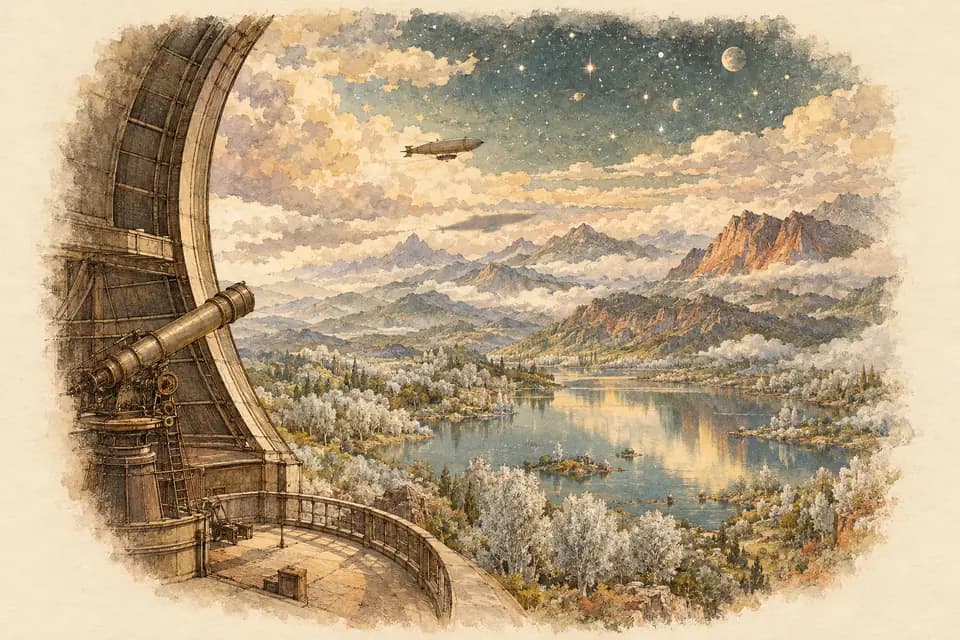
It is 1974, the Hindenburg never burned, and airships still carry passengers across the Atlantic. Radio operator Ruth Adair wants a transfer to the new Pacific route, far from her ex-husband's crew. Then a passenger dies in a locked cabin, and the airline asks her to log it as a heart attack. The dead man was carrying drawings for a jet engine that someone has paid fifty years to keep unbuilt.
- Magic & Fantasy Fiction
The Toll at Calloway Bridge
Ama keeps the toll on the only bridge into Calloway, where travelers pay with a single memory each, and she has saved for eleven years to buy her own way out. Then a soldier arrives with nothing left to give. Someone has already taken every memory he had, and the first of them, his own name, sits in a jar on Ama's shelf, labeled in her father's hand.
- Urban Fantasy
Last Bus on Central
Marisol Vega drives the last bus down Albuquerque's Central Avenue, where the regulars after 2 a.m. include a coyote who pays in turquoise and two saints who argue about baseball. She wants the day shift and the pension that comes with it. When the city announces the late run will be cut, the regulars explain that the route holds something shut, and they expect her at the next council meeting.
- High Tech Fiction
Ground Truth
Sofía Arce reviews flagged videos for a deepfake detection firm in Monterrey, and she wants the team lead job opening next month. Then a clip lands in her queue showing her brother confessing to a pipeline bombing. Every test says it's real. Her brother swears he never said it. Calling it fake will save him and end her career, and the metadata says her own company built it.
- Science Fiction
A Grammar of Scent
Ines Okafor is the only licensed translator for the Vell, who speak by changing the smell of the air, and she needs the contract renewed so her daughter can stay in the colony school. Then the Vell ask to hold a funeral for a human miner they say they killed by accident. The governor orders Ines to translate the confession as a threat. He wants a war, and the treaty in his way.
- Space & New Horizons
Salvage Rights
The Aldana sisters run a salvage tug that can't afford a third crew member. When they tow in a dead mining drone and find a man frozen in its cargo hold, Pilar wants to sell him back to the company that abandoned him, and Rocío wants to wake him. He wakes on his own two days later and asks, politely, what year it is and whether Earth won.
Science Fiction & Fantasy plot generators
Each one has its own samples, a plotting checklist and the questions writers in that corner of the shelf ask most.
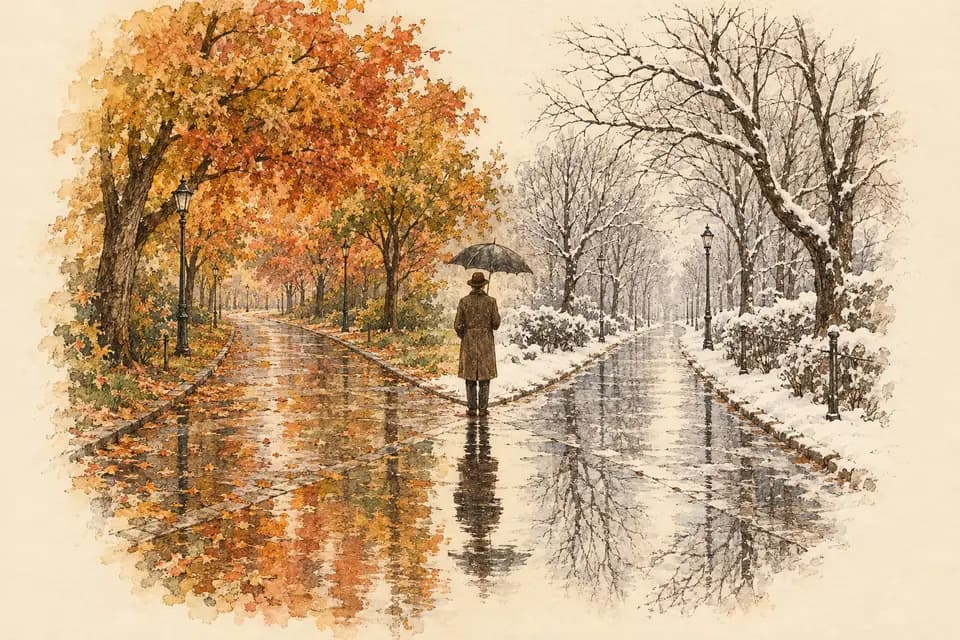 Alternate RealitiesGenerate alternate history and parallel world plots built on one clear point of divergence, with a character who has something to lose on either side of the split.
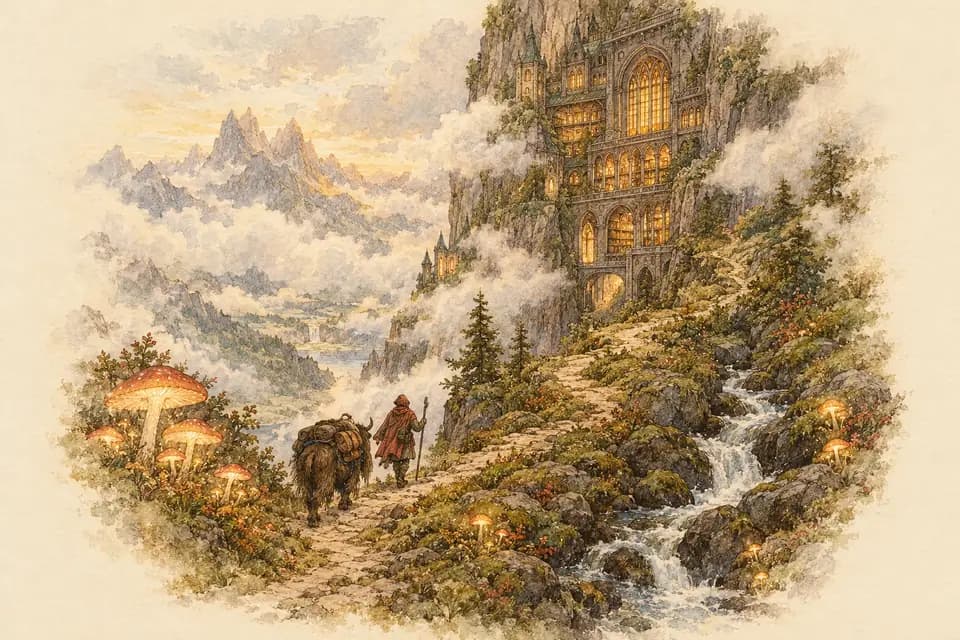 Magic & Fantasy FictionGenerate fantasy plots where the magic has a price, the map matters, and the trouble is more interesting than a dark lord at the end of a long road.
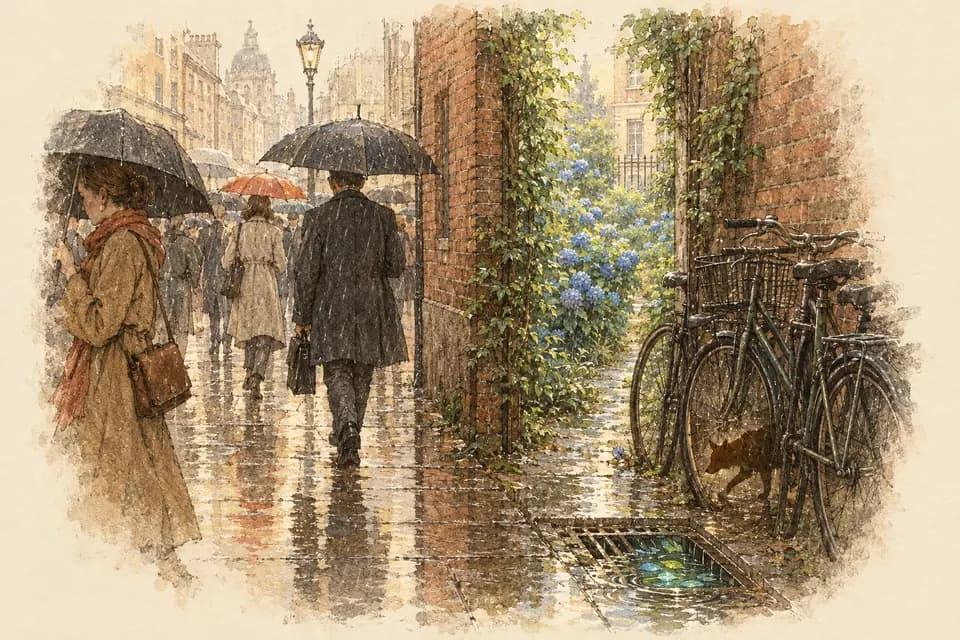 Urban FantasyGenerate urban fantasy plots that put wizards, fae and things under the bridges into a real city, with a protagonist who still has rent to pay.
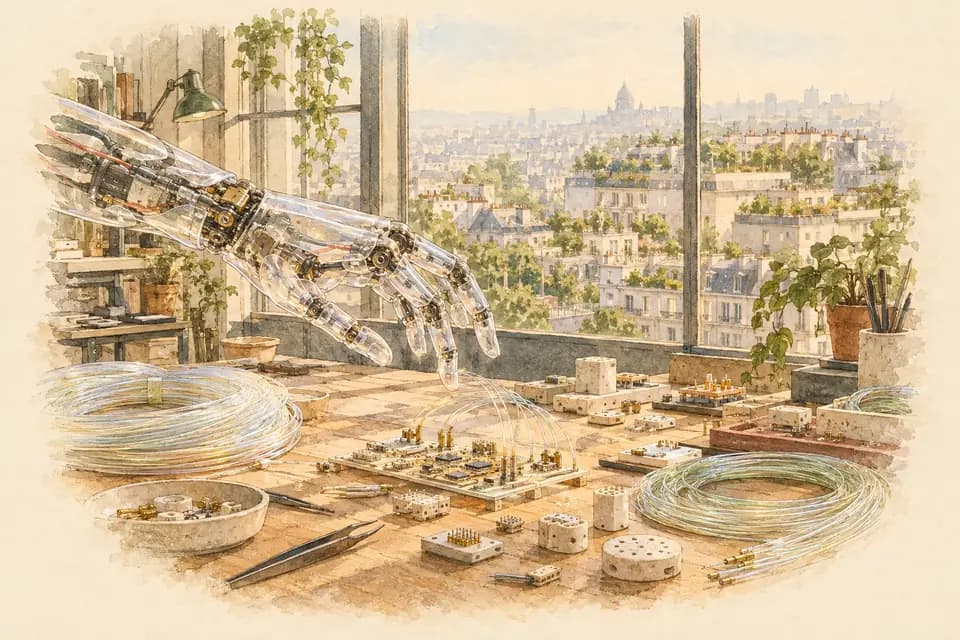 High Tech FictionGenerate near-future and cyberpunk plots where the technology is one step past today, somebody is making money from it, and the person in the way has a body…
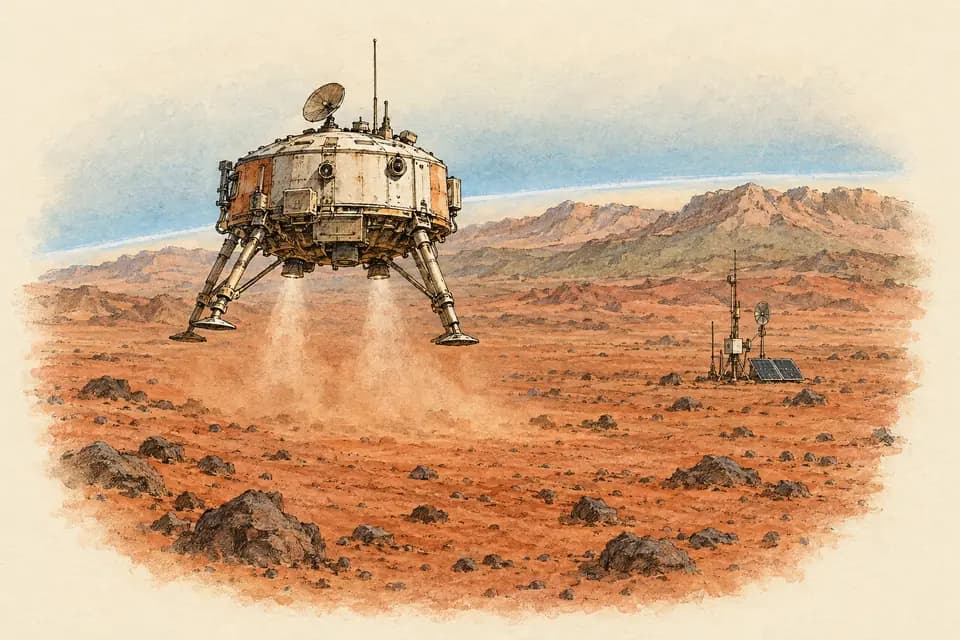 Science FictionGenerate science fiction plots that start from one sharp question about science or society and follow it to the people who have to live with the answer.
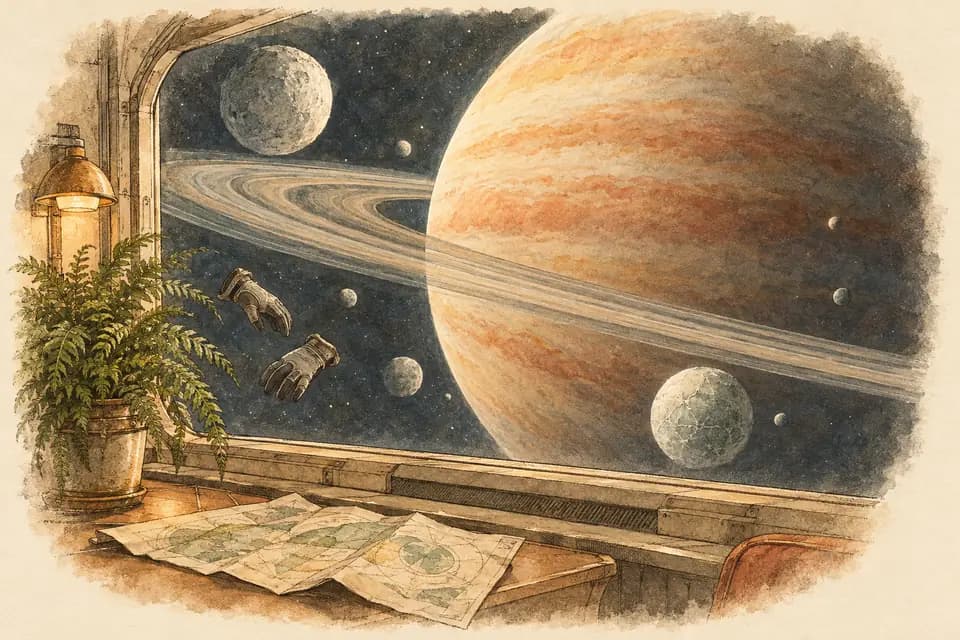 Space & New HorizonsGenerate space plots about crews, voyages and first meetings, where distance costs time, the ship is a small society, and the far side is rarely what anyone hoped.
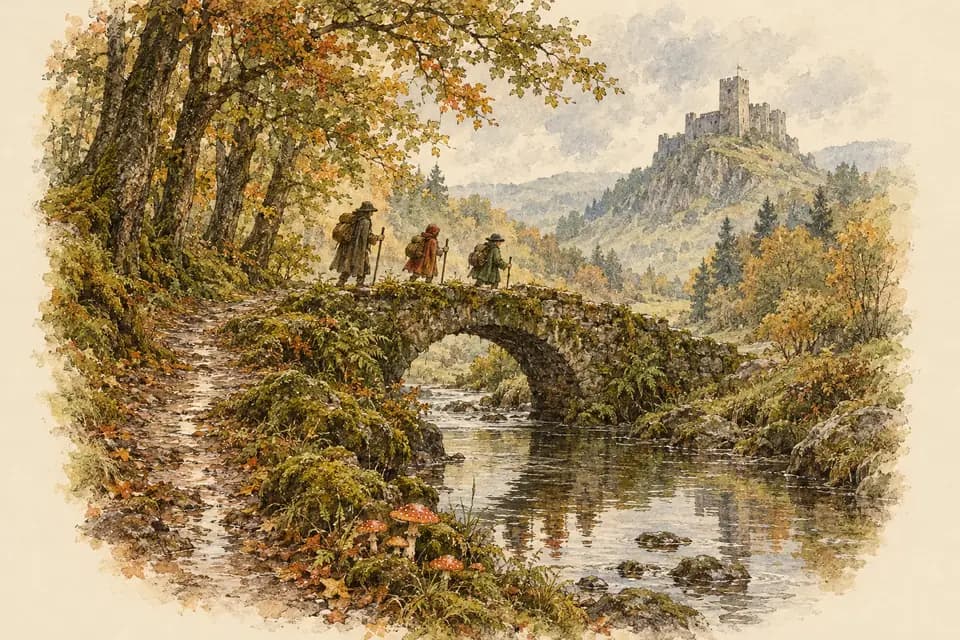 Role-Playing GamesGenerate plots for LitRPG and GameLit novels, or campaign hooks for your next tabletop session, where the rules of the game are part of the trouble.
 Supernatural & ParanormalGenerate ghost stories, hauntings and paranormal investigations where the dead want something specific and the living have a reason not to give it.
What Science Fiction & Fantasy readers come for
Readers come to science fiction and fantasy for a world that runs on different rules, and for the pleasure of watching a character figure those rules out under pressure. The best books in the category treat the invented element as a cause with consequences: a spell that has a price, a starship that takes years to arrive, a technology that someone profits from. The wonder matters, but the plot comes from what the new rule costs the people living with it.
The subgenres split along a few lines. Science fiction and space opera ask what could happen if the science went a step further, while magic and fantasy fiction builds a second world with its own history. Urban fantasy and supernatural stories put the uncanny into a city or house we would recognize. Alternate realities change one fact about our past or our choices. High-tech fiction stays close to now, and role-playing game fiction puts the rules of a game on the page.
Write the rules down before plotting
Decide what your magic, technology or alien biology can do, what it can't, and what it costs, before you outline. Isaac Asimov built the stories in I, Robot almost entirely out of the gaps and conflicts between his Three Laws of Robotics. Clear rules let readers see the trap closing before your hero does.
Teach the world through a problem
Frank Herbert opens Dune with a test of pain and nerve, not a history lesson, and leaves the glossary for the back of the book. Readers learn a world fastest when a character needs something from it right now. Cut any paragraph of history that no one in the scene would be thinking about.
Use a cliché only to turn it
Prophecies, farm boys and dark lords are not forbidden, but readers have seen the standard version many times. In Guards! Guards!, Terry Pratchett has a secret society summon a dragon so a puppet heir can slay it and claim the throne, and the dragon crowns itself instead. If you borrow a familiar shape, decide in advance where it breaks.
Let the new thing change ordinary days
Show how the invented element affects work, money, food and family, not only the climax. Ursula K. Le Guin spends much of The Dispossessed on how an anarchist moon assigns jobs and shares scarce goods, and that daily texture is what makes the political conflict land. A reader who believes the breakfast will believe the war.
Plan the series, finish the book
Most of this category sells in series, but each volume still needs its own question answered by the last chapter. Leviathan Wakes by James S. A. Corey resolves the hunt for a missing woman and the fate of Eros station while leaving the larger mystery open. Readers forgive an open world. They rarely forgive an ending that stops mid-scene.
Titles, prompts and names
Questions about Science Fiction & Fantasy plots
Is my story science fiction or fantasy?
A rough test: if the impossible element is explained, or could be explained, by science and technology, it reads as science fiction, and if it rests on magic, gods or the supernatural, it reads as fantasy. Arthur C. Clarke's line that sufficiently advanced technology is indistinguishable from magic shows how blurry the border is. Books that mix both openly are often called science fantasy, and Star Wars is the familiar example.
How long should a science fiction or fantasy novel be?
Adult science fiction and fantasy run longer than most genres, with many debuts landing roughly between 90,000 and 120,000 words. Epic fantasy can go longer, though very long debuts are a harder sell to agents. Young adult titles in the category usually sit lower, and LitRPG and serialized fiction follow their own longer norms.
How much worldbuilding should I do before I start plotting?
Enough to know the rules your plot depends on: what the magic or technology does, who holds power, and what people fear. Many writers then build the rest as scenes demand it, which keeps the worldbuilding tied to story. Notes no reader ever sees are fine, but they shouldn't delay the first draft for months.
Which tropes are most overused in this category?
Agents and editors often mention the farm boy who is secretly a chosen one, the ancient prophecy, the faceless dark lord and the opening that begins with a long history of the world. None of these is banned. What tires readers is the version with no twist, so if you use one, change who it happens to, what it costs or how it ends.
Plot generators for other genres
Found the plot? Write it.
Take it into Chapterly: outline it on a board, name the cast, and write chapter one tonight.
Plans from $9.99 a month. Cancel any time. Your words are always yours.