Science Fiction Plot Generator
Generate science fiction plots that start from one sharp question about science or society and follow it to the people who have to live with the answer.
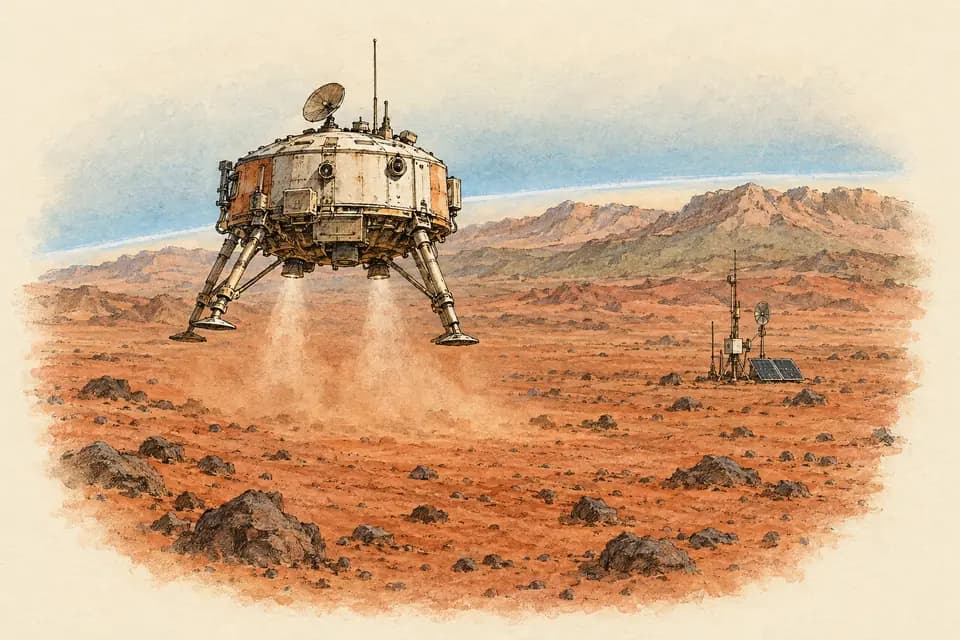
- Sample
A Grammar of Scent
Ines Okafor is the only licensed translator for the Vell, who speak by changing the smell of the air, and she needs the contract renewed so her daughter can stay in the colony school. Then the Vell ask to hold a funeral for a human miner they say they killed by accident. The governor orders Ines to translate the confession as a threat. He wants a war, and the treaty in his way.
- Sample
Dock Clock
Freighter pilot Juno Abara lives eight months for every eleven years that pass on Earth, and she has built her life around landing for the big days. She makes it home for her son's wedding to find him forty-three, running the company that owns her ship, and scheduling her final run. He has his reasons. The cargo she has hauled for three decades was never ore.
- Sample
The Calving Season
Dr. Lena Brandt is the only large-animal vet in a Saskatchewan county, and she wants a quiet winter and a partner for calving season. Instead she delivers a calf with a working second pair of lungs, then six more across three farms. A seed company ran a field trial upstream last summer. The farmers want silence before the auction, the company wants the calves, and Lena wants to know what the lungs are for.
- Sample
Time Devourers of Orpheus
On planet Orpheus, a scientist invents a device that can control time. As he uses it to reshape the world to his liking, he inadvertently attracts ancient, time-eating creatures, throwing mankind into a blink-or-miss-it battle for survival.
- Sample
Final Digital Eden
After Earth's destruction, humanity exists solely in digital form, uploaded to a massive server orbiting a distant star. A virus outbreak threatens this last bastion, and the only hope lies in a rogue AI and a group of digital rebels.
- Sample
Janitor of the Cosmos
A lowly janitor on a spaceship discovers that he is an integral component in an alien prophecy predicting the end of the universe. The janitor, a non-believer, must cope with his newfound destiny.
- Sample
Metropolis Arbor
In a Central Park of the future, the trees are intelligent bio-tech marvels, hosting entire communities within them. But when the forest starts to die, an unlikely hero, an AI squirrel, embarks on a quest to save its home.
- Sample
Underground Resistance: Clockwork Redemption
An alien invasion forces humanity underground and a young physicist must disrupt the space-time continuum itself to exterminate the extraterrestrial plague and rescue the surface world.
Science Fiction: what makes the plot work
Science Fiction explores the possibilities of advanced science, technology, and space exploration, often tackling complex ethical and philosophical questions.
Build the plot from one question
Strong science fiction often grows from a single question asked seriously. In The Left Hand of Darkness, Ursula K. Le Guin asks what a society would look like if its people had no fixed sex, then sends an envoy who keeps misreading it. Write your question in one line, then ask who gains, who loses and who doesn't understand.
Let the science make the problem
In Andy Weir's The Martian, the physics that strands Mark Watney is the same physics he uses to survive, from growing potatoes to making water. When the science creates obstacles and also offers the way out, the plot feels earned. Readers distrust a solution that arrives from nowhere.
Make first contact a language problem
Aliens who speak perfect English waste the best material. Ted Chiang's novella "Story of Your Life" follows a linguist learning an alien written language, and the way it changes her sense of time becomes the plot. Whatever your aliens are, decide what humans will get wrong about them first.
Keep the human cost in front
Kazuo Ishiguro's Never Let Me Go barely explains the science of its cloned students, yet it is unmistakably science fiction because every scene shows what the technology costs them. You can leave mechanisms vague if the consequences are specific. Readers remember the person, not the lab.
More Science Fiction & Fantasy plot generators
Or see the whole shelf: Science Fiction & Fantasy plot ideas.
 Alternate RealitiesGenerate alternate history and parallel world plots built on one clear point of divergence, with a character who has something to lose on either side of the split.
 Magic & Fantasy FictionGenerate fantasy plots where the magic has a price, the map matters, and the trouble is more interesting than a dark lord at the end of a long road.
 Urban FantasyGenerate urban fantasy plots that put wizards, fae and things under the bridges into a real city, with a protagonist who still has rent to pay.
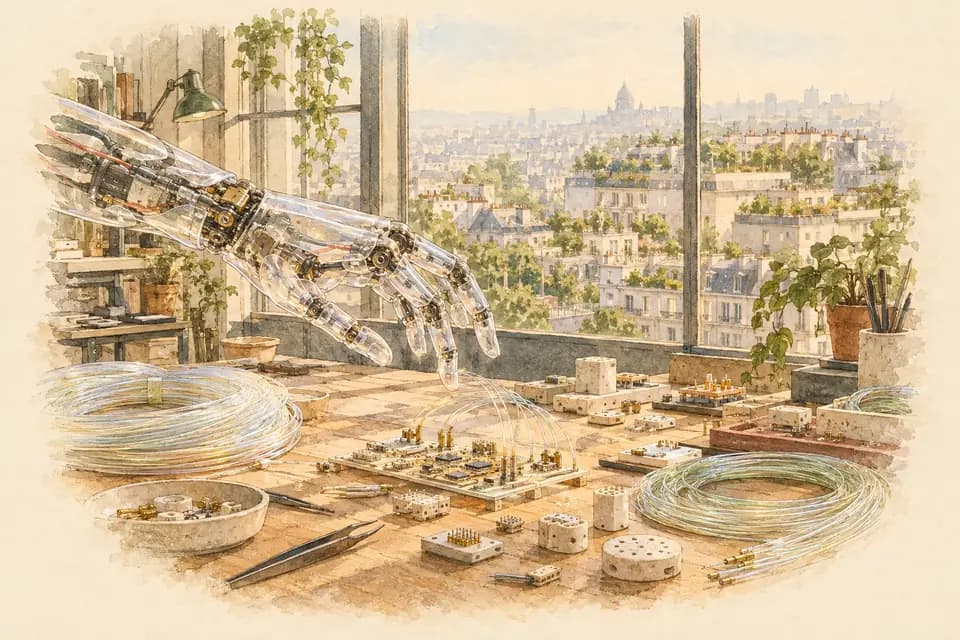 High Tech FictionGenerate near-future and cyberpunk plots where the technology is one step past today, somebody is making money from it, and the person in the way has a body…
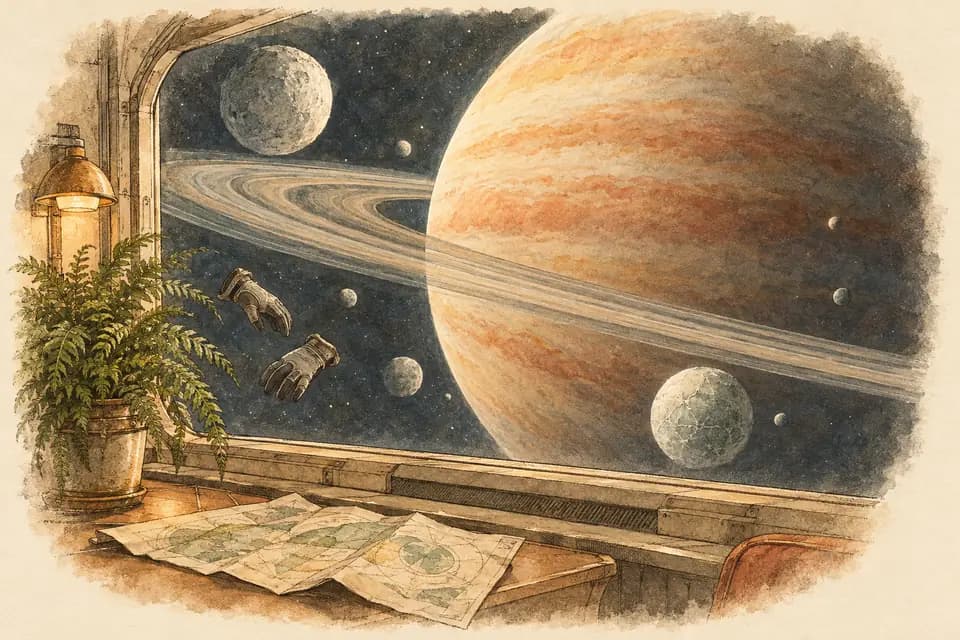 Space & New HorizonsGenerate space plots about crews, voyages and first meetings, where distance costs time, the ship is a small society, and the far side is rarely what anyone hoped.
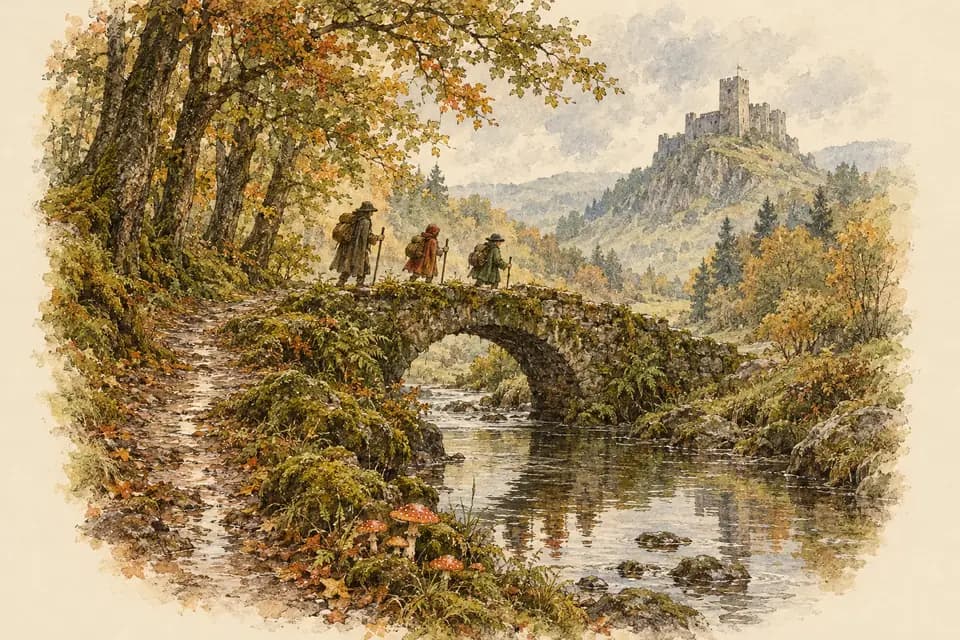 Role-Playing GamesGenerate plots for LitRPG and GameLit novels, or campaign hooks for your next tabletop session, where the rules of the game are part of the trouble.
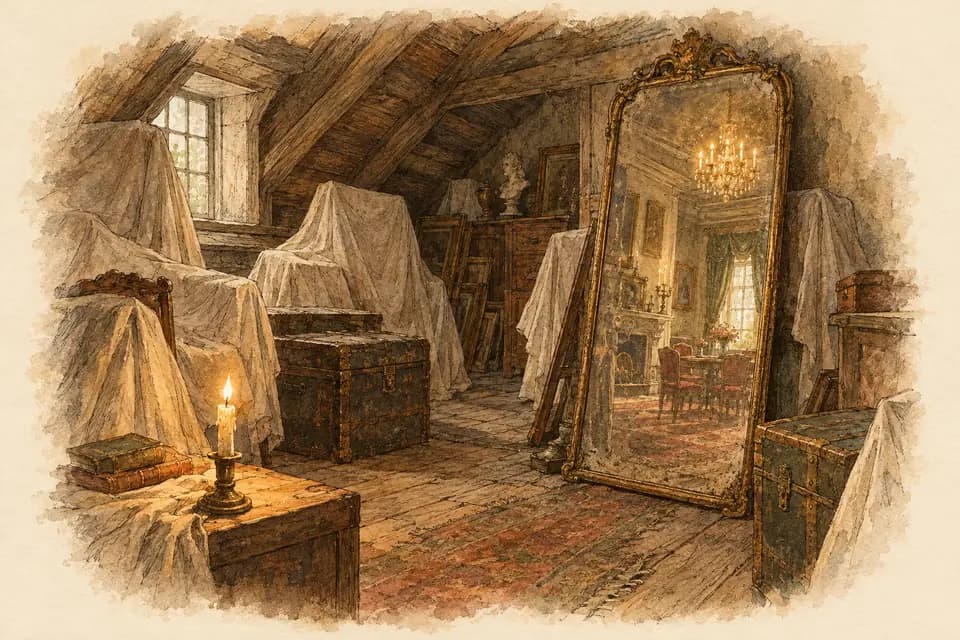 Supernatural & ParanormalGenerate ghost stories, hauntings and paranormal investigations where the dead want something specific and the living have a reason not to give it.
Names, a first scene and a title
Questions about Science Fiction plots
What's the difference between hard and soft science fiction?
Hard science fiction keeps close to known physics, biology and engineering, and the accuracy is part of the appeal. Soft science fiction focuses on societies, psychology or politics and treats the science more loosely. Most books sit somewhere between, so decide which matters more to your readers: the problem-solving or the people.
How long should a science fiction novel be?
Many adult science fiction debuts land roughly between 90,000 and 120,000 words. Space opera and series openers often run toward the upper end, while near-future and literary science fiction can be shorter. If you are well past 120,000 words for a debut, look hard at worldbuilding scenes that don't move the plot.
How do I explain the science without an info-dump?
Give the explanation only when a character needs it to make a decision, and break it across scenes. Arguments, mistakes and failed experiments carry information better than lectures. If two experts would never say it to each other, find another way for the reader to learn it.
Found the plot? Write it.
Take it into Chapterly: outline it on a board, name the cast, and write chapter one tonight.
Plans from $9.99 a month. Cancel any time. Your words are always yours.