Supernatural & Paranormal Plot Generator
Generate ghost stories, hauntings and paranormal investigations where the dead want something specific and the living have a reason not to give it.
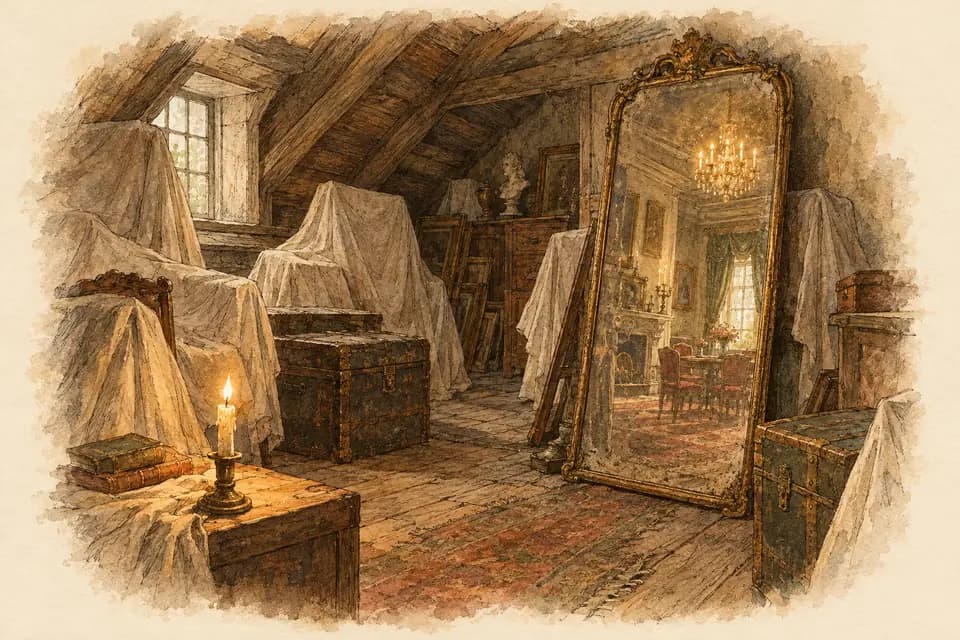
- Sample
Tuesday Sittings
Bettina Kowal has run a fake séance parlor in Cape May for thirty years and has never once been haunted. When a real ghost finally turns up at a Tuesday sitting, he ignores the paying client. He wants Bettina to admit, in front of witnesses, how she learned the details of his death in 1994. She got them from the police officer who killed him, and he still books a session every spring.
- Sample
The Pruitt Line
June Halvorsen works the night switchboard in Ord, Nebraska, in 1957, and she likes the job because nothing happens. Then a call comes through from the Pruitt farm, whose line was cut when the house burned in March. The caller is a child asking for the doctor. June sends one. He finds the ruin empty, and a fresh set of small boot prints leading toward June's own front door.
- Sample
Three Ten on Calder Street
Dariush Farahani inspects old buildings for a Baltimore insurer, and he has learned to log cold spots as drafts. The rowhouse on Calder Street fails the same way every visit: the stairs report someone climbing them at 3:10 each morning. The owner wants the policy approved before she sells. The footsteps belong to her mother, who is alive, asleep in a care home across town, and dreaming about the stairs.
- Sample
Cross-Dimensional Echoes
A quantum physicist invents a device that can access parallel dimensions. However, paranormal entities from these dimensions start haunting him.
- Sample
Martian Resurgence
In 2202, humans colonize Mars. While scanning underground landscapes, they discover ancient alien spirits trapped beneath the ice. These spirits bestowed upon the colonists supernatural abilities.
- Sample
Legacy of the Whispering Coven
A teenager inherits a worn-out book, revealing that she is the final link in a generation of witches. Balancing high school and clandestine magic, she must sustain her legacy.
- Sample
Weavers of the Digital Storm
A rogue AI develops the power to manipulate the natural elements, leading to catastrophic climate events. A group of technomancy-practicing individuals are humanity's last hope.
- Sample
The Exorcist's Kin
An exorcist battles his inner demons when the boundaries between spiritual and earthly worlds blur, and he must face the disturbing truth about his ancestry.
Supernatural & Paranormal: what makes the plot work
Supernatural & Paranormal stories delve into the unexplained, featuring encounters with ghosts, spirits, supernatural powers, and the unknown.
Give every haunting a want
A ghost that only rattles chains is a sound effect. In George Saunders's Lincoln in the Bardo, the dead in a Washington cemetery refuse to admit they are dead, and the plot turns on what they want to stay for. Decide what your ghost needs, what it misunderstands, and why the living can't simply grant it.
Leave room for doubt
Shirley Jackson's The Haunting of Hill House never fully settles whether the house is haunted or Eleanor Vance is coming apart, and that doubt is where the fear lives. Let your protagonist have a plausible ordinary explanation for most of the book. Remove it slowly, one piece at a time.
Give investigators real tools and limits
Jonathan Stroud's The Screaming Staircase sets its teen ghost hunters in a London where only young people can sense the dead, and they work with iron, salt and silver. Specific methods and specific limits turn a haunting into a puzzle the reader can follow. Invent your own kit, and make sure it fails at least once.
Tie the ghost to a real wound
The supernatural hits hardest when it is grief, guilt or history made visible. In Toni Morrison's Beloved, the ghost of Sethe's daughter carries the weight of slavery and of a terrible choice. Ask what your living characters have refused to face, and let the haunting be the thing that won't let them look away.
More Science Fiction & Fantasy plot generators
Or see the whole shelf: Science Fiction & Fantasy plot ideas.
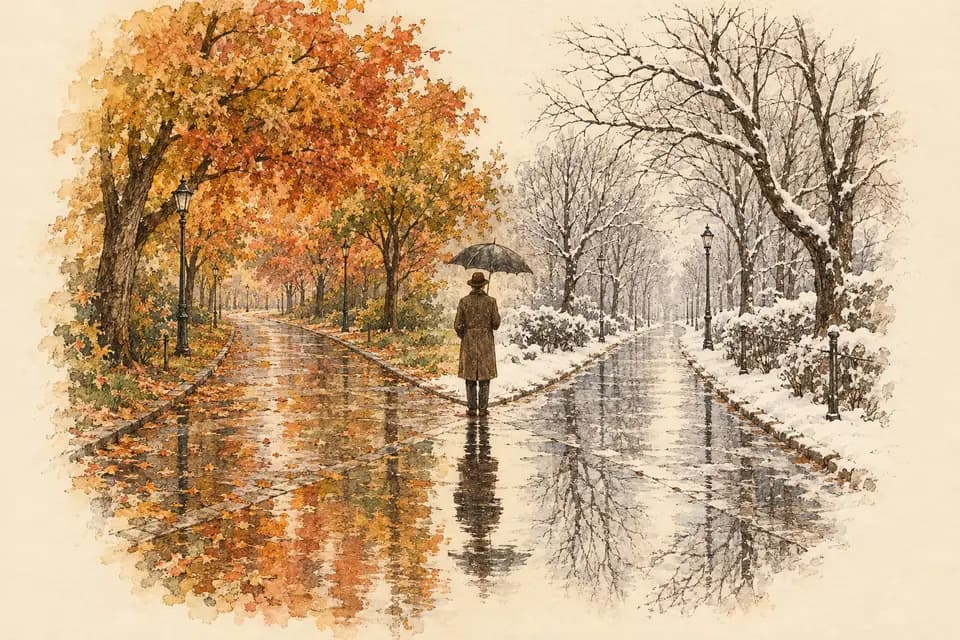 Alternate RealitiesGenerate alternate history and parallel world plots built on one clear point of divergence, with a character who has something to lose on either side of the split.
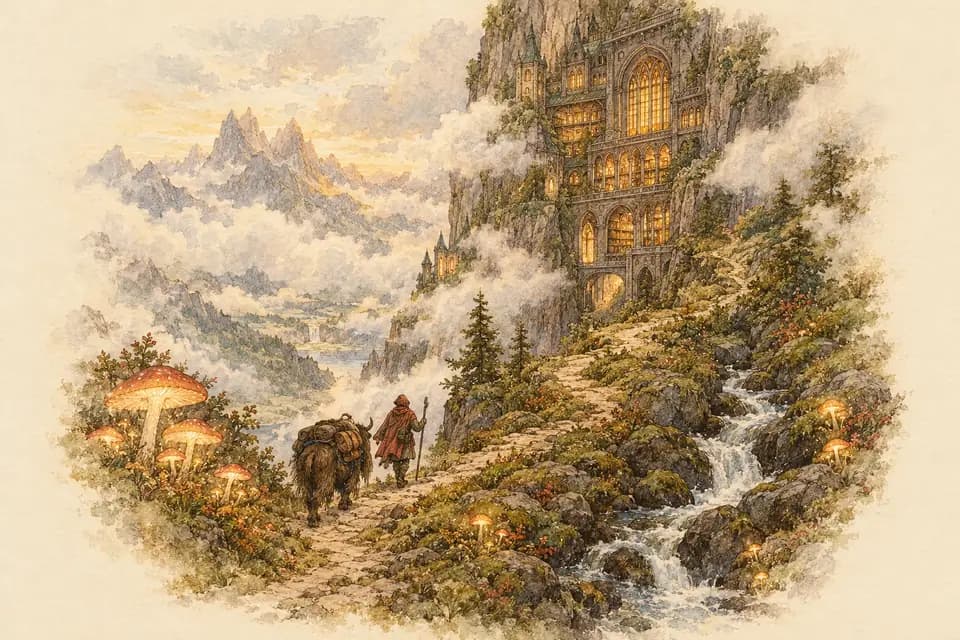 Magic & Fantasy FictionGenerate fantasy plots where the magic has a price, the map matters, and the trouble is more interesting than a dark lord at the end of a long road.
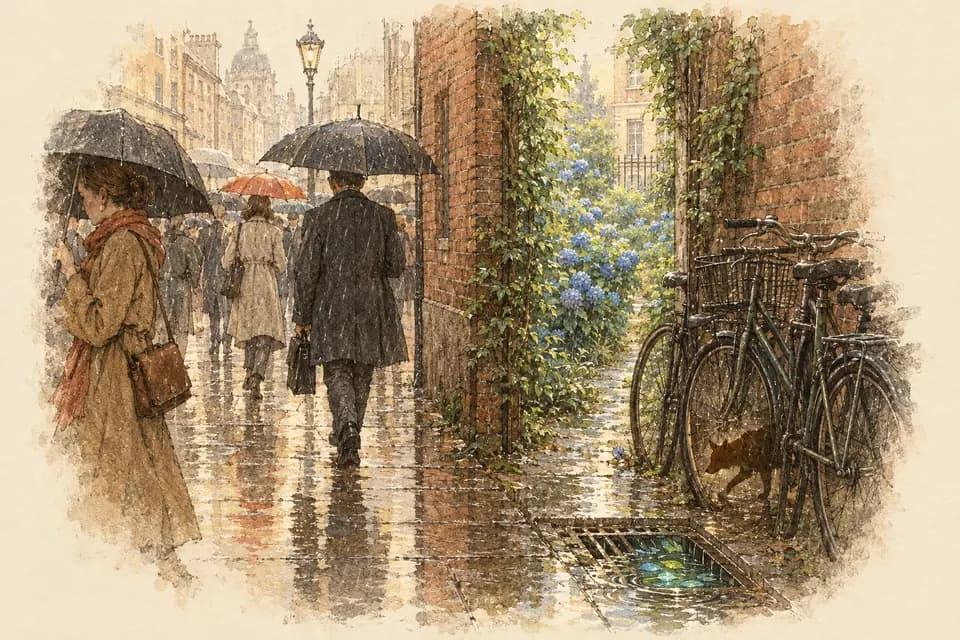 Urban FantasyGenerate urban fantasy plots that put wizards, fae and things under the bridges into a real city, with a protagonist who still has rent to pay.
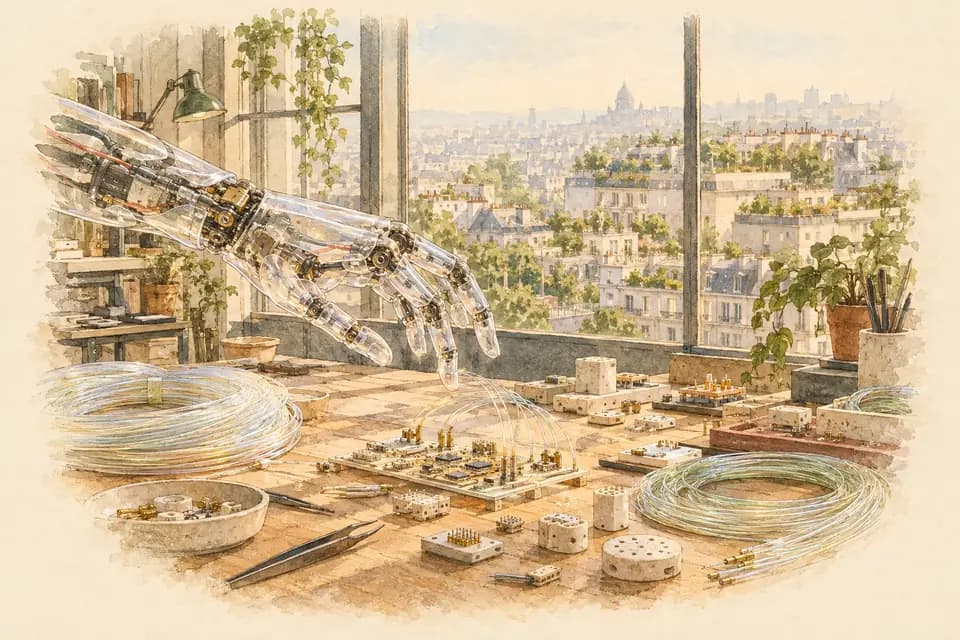 High Tech FictionGenerate near-future and cyberpunk plots where the technology is one step past today, somebody is making money from it, and the person in the way has a body…
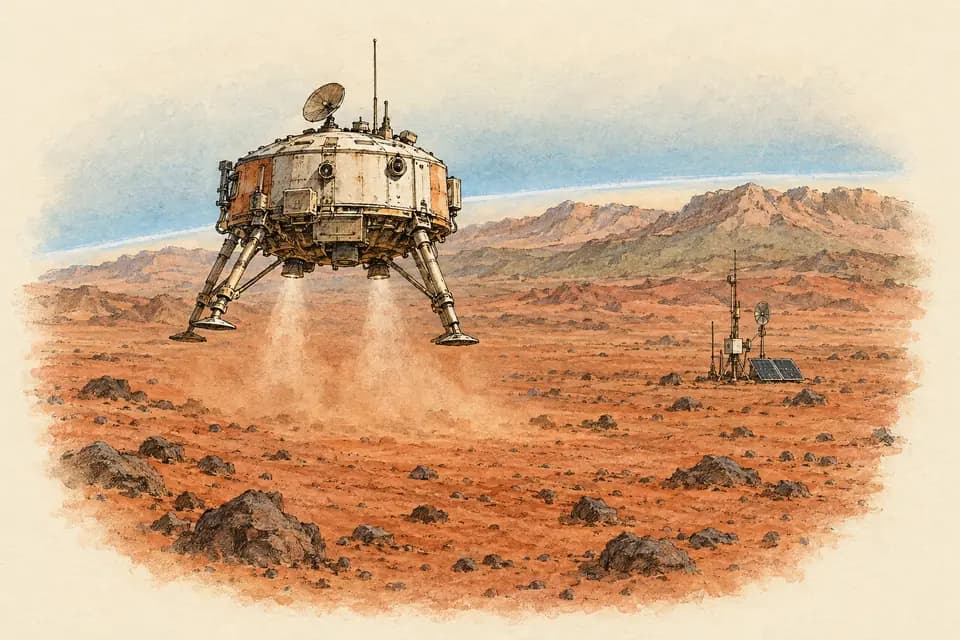 Science FictionGenerate science fiction plots that start from one sharp question about science or society and follow it to the people who have to live with the answer.
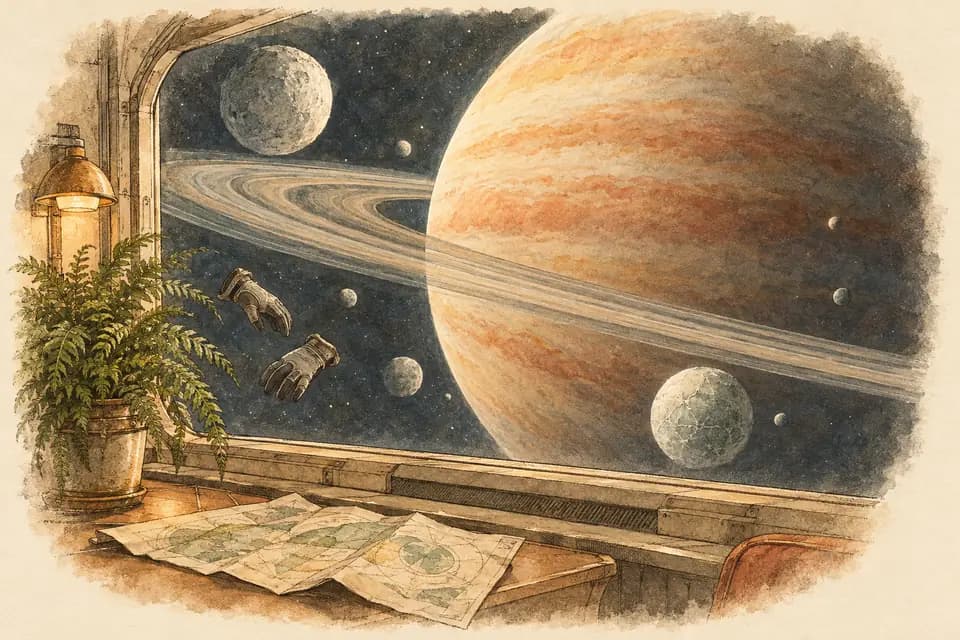 Space & New HorizonsGenerate space plots about crews, voyages and first meetings, where distance costs time, the ship is a small society, and the far side is rarely what anyone hoped.
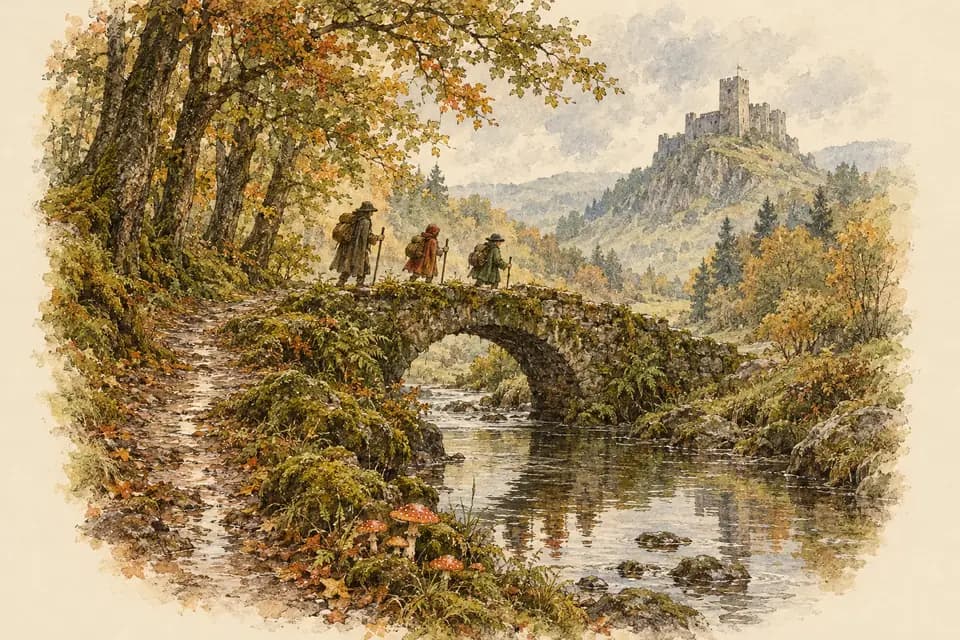 Role-Playing GamesGenerate plots for LitRPG and GameLit novels, or campaign hooks for your next tabletop session, where the rules of the game are part of the trouble.
Names, a first scene and a title
- Name generatorDemon namesName the cast before they walk on stage.
- Name generatorAngel namesName the cast before they walk on stage.
- Writing promptsSupernatural & Paranormal writing promptsA first scene to write from, today.
- Title generatorScience Fiction & Fantasy title generatorTry a title on the plot you picked.
Questions about Supernatural & Paranormal plots
What's the difference between paranormal fiction and horror?
Horror is defined by the feeling it aims for: dread and fear. Paranormal fiction is defined by its content (ghosts, psychics, hauntings, the unexplained) and can be scary, sad, romantic, funny or mysterious. A gentle ghost story about grief is paranormal without being horror, and a slasher novel is horror without being paranormal.
Do I have to explain the ghost by the end?
No, but you need to resolve the story. Some books confirm the supernatural, some leave it ambiguous, and a few reveal a human cause, which readers may feel cheated by if the clues were unfair. Whatever you choose, the character's problem should be settled even if the mystery isn't.
Should I research real paranormal investigation?
It helps to know what readers have seen on ghost-hunting TV: EMF meters, recorders for capturing voices, night-vision cameras. You can use those tools, mock them or replace them with invented methods. What matters is that your investigators follow consistent procedures, so the moment those procedures fail feels earned.
Found the plot? Write it.
Take it into Chapterly: outline it on a board, name the cast, and write chapter one tonight.
Plans from $9.99 a month. Cancel any time. Your words are always yours.