Royal Name Generator
Royal names often sound formal, memorable, and suited to ceremony.
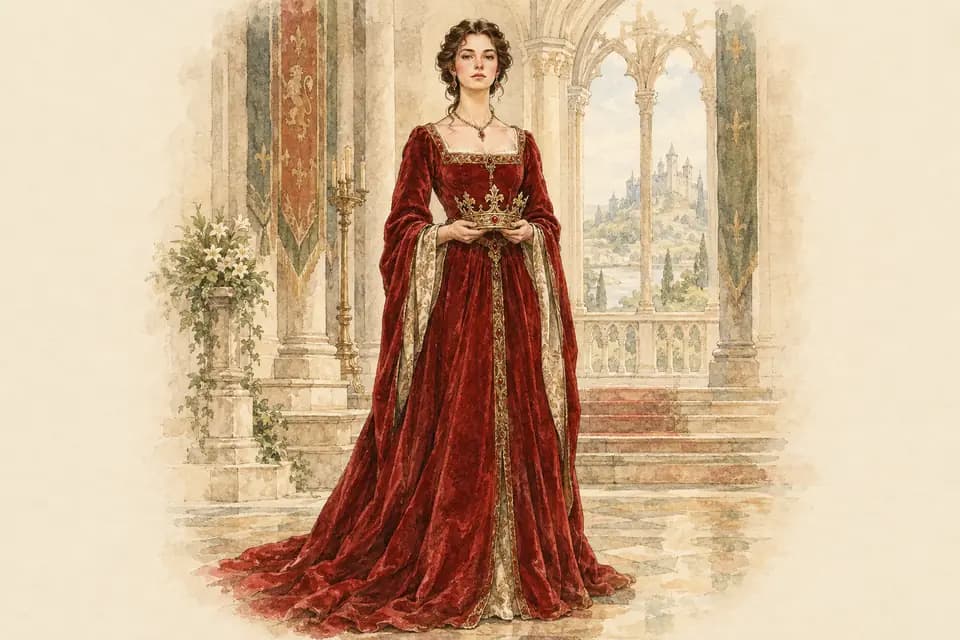
A few to start with
- EleanorShining Light
- ArthurNoble, Courageous
- IsabellaGod is My Oath
- WilliamResolute Protector
- VictoriaVictory
- HenryRuler of the Home
Understanding Royal names
Royals are figures of nobility, often holding positions of great power and responsibility. They are kings, queens, princes, princesses, and lords, known for their leadership, diplomacy, and in some cases, divine lineage or right to rule.
They may draw on dynastic traditions, religious history, older languages, or a ruler’s claim to legitimacy; some are repeated across generations and distinguished with numbers such as “the Third.” Others carry the flavor of a particular court, from Norse sagas to Persian empires. For a story, a royal name can signal a character’s homeland, era, temperament, or political ambitions before they speak. Pair a stately given name with a house name, title, or epithet to suggest lineage—or choose an unexpected name to hint at a break with tradition.
How to come up with the perfect Royal name
Royal names often reflect their noble heritage, grandeur, or the historical significance of their lineage. These names can be traditional, carrying the weight of history and legacy, or be symbolic of their role and status.
Build a name for the court
Many royal names pair a formal given name with a house, clan, or territorial title. A ruler might be addressed by a regnal name and number, while family members use different forms in private. Decide whether your setting has inherited surnames, dynastic houses, or titles in place of surnames. That choice will make even a familiar name feel rooted in your world’s customs.
Use history and sound
Royal names often endure because they honor ancestors, saints, founders, or admired rulers. Repeated consonants and longer, ceremonial forms can feel imposing; shorter names may sound brisk, intimate, or ancient. Draw from one linguistic tradition at a time when you want a coherent court. If your setting blends cultures, show that through deliberate naming customs rather than mixing names at random.
Choose a name with a story
Think about what the name means to the character, not just how grand it sounds. An heir named for a celebrated founder may feel trapped by expectation; a ruler who adopts a new regnal name may be signaling reform or conquest. Consider pronunciation, nicknames, and how allies or rivals address the character. Those choices can reveal rank and relationships in dialogue.
Popular Royal names
Royals, with their distinguished positions and responsibilities, have names that often embody their regal and noble nature. Here's a list of names suited for any royal character:
| Name | Meaning | Gender |
|---|---|---|
| Eleanor | Shining Light | Female |
| Arthur | Noble, Courageous | Male |
| Isabella | God is My Oath | Female |
| William | Resolute Protector | Male |
| Victoria | Victory | Female |
| Henry | Ruler of the Home | Male |
| Elizabeth | God is My Oath | Female |
| Edward | Wealthy Guardian | Male |
| Catherine | Pure | Female |
| George | Farmer | Male |
| Margaret | Pearl | Female |
| James | Supplanter | Male |
| Anne | Favor, Grace | Female |
| Richard | Strong Ruler | Male |
| Alexandra | Defender of Mankind | Female |
| Louis | Famous Warrior | Male |
| Charlotte | Free Woman | Female |
| Philip | Lover of Horses | Male |
| Sophia | Wisdom | Female |
| Charles | Free Man | Male |
59 more Royal names and meanings
Male Royal names
| Name | Meaning |
|---|---|
| Alfred | Old English name of Alfred the Great, associated with wise counsel. |
| Frederick | Germanic name meaning peaceful ruler. |
| Leopold | Germanic name traditionally interpreted as brave people. |
| Otto | Germanic name meaning wealth or fortune. |
| Gustav | Name borne by Swedish kings. |
| Harald | Old Norse name meaning army ruler. |
| Erik | Old Norse name meaning ever-ruler or eternal ruler. |
| Haakon | Old Norse royal name meaning high son. |
| Magnus | Latin name meaning great. |
| Olaf | Old Norse name meaning ancestor’s descendant. |
| Sven | Old Norse name meaning young man. |
| Nikolai | Slavic form of Nicholas, meaning victory of the people. |
| Dmitri | Russian form of Demetrius, associated with Demeter. |
| Ivan | Slavic form of John, meaning God is gracious. |
| Alexei | Russian form of Alexius, meaning defender. |
| Felipe | Spanish form of Philip, meaning friend of horses. |
| Alfonso | Spanish royal name of Germanic origin. |
| Sancho | Medieval Iberian royal name. |
| Ferdinand | Germanic name associated with bold or adventurous peace. |
| Maximilian | Latin name meaning greatest. |
| Francesco | Italian form of Francis, meaning Frenchman. |
| Lorenzo | Italian form of Laurence, meaning from Laurentum. |
| Cosimo | Italian form of Cosmas, meaning order or decency. |
| Ranjit | Sanskrit name meaning victorious. |
| Ashoka | Sanskrit name meaning without sorrow; borne by an emperor. |
| Akbar | Arabic name meaning greater; borne by a Mughal emperor. |
| Cyrus | Name of the founder of the Achaemenid Persian Empire. |
| Darius | Name of several Achaemenid Persian kings. |
| Faisal | Arabic name meaning judge or decisive one. |
| Jahangir | Persian name meaning world-seizer; borne by a Mughal emperor. |
Female Royal names
| Name | Meaning |
|---|---|
| Adelaide | Germanic name meaning noble nature. |
| Matilda | Germanic name meaning strength in battle. |
| Beatrice | Latin name traditionally interpreted as she who brings happiness. |
| Helena | Greek form of Helen, associated with light. |
| Irene | Greek name meaning peace. |
| Theodora | Greek name meaning gift of God. |
| Anastasia | Greek name meaning resurrection. |
| Olga | Slavic form of Helga, meaning holy or blessed. |
| Maria | A widely used royal name with biblical roots. |
| Amalia | Germanic name associated with work and industriousness. |
| Astrid | Old Norse name meaning divinely beautiful. |
| Ingrid | Old Norse name meaning beloved by Ing. |
| Margrethe | Danish form of Margaret, meaning pearl. |
| Sonja | Russian-derived form of Sophia, meaning wisdom. |
| Letizia | Italian and Spanish form of Laetitia, meaning joy. |
| Leonor | Iberian form of Eleanor, borne by queens and princesses. |
| Urraca | Medieval Iberian name borne by a queen of León. |
| Joanna | Feminine form of John, meaning God is gracious. |
| Jadwiga | Polish royal name borne by a queen of Poland. |
| Hedwig | Germanic name associated with battle. |
| Rania | Arabic name meaning gazing or looking at. |
| Noor | Arabic name meaning light. |
| Soraya | Persian form of the name of the Pleiades. |
| Nefertiti | Ancient Egyptian queen’s name, commonly rendered “the beautiful one has come.” |
| Hatshepsut | Ancient Egyptian queen regnant and pharaoh. |
| Cleopatra | Greek name meaning glory of the father. |
| Zenobia | Name of the third-century queen of Palmyra. |
| Lakshmi | Sanskrit name of the Hindu goddess of fortune and prosperity. |
| Sita | Sanskrit name of the heroine and queen in the Ramayana. |
Royal last names
| Name | Meaning |
|---|---|
| Tudor | Welsh-origin royal house that ruled England from 1485 to 1603. |
| Plantagenet | Dynasty that ruled England from the twelfth to the fifteenth century. |
| Lancaster | English royal house and branch of the Plantagenets. |
| York | English royal house and branch of the Plantagenets. |
| Stuart | Scottish royal house that later ruled England and Ireland. |
| Windsor | Name adopted by the British royal house in 1917. |
| Habsburg | European dynasty that ruled Austria and held the imperial title. |
| Bourbon | European royal house that ruled France and Spain. |
| Valois | French royal house descended from the Capetian dynasty. |
| Capet | Name of the French dynasty founded by Hugh Capet. |
| Medici | Florentine family whose members became rulers and grand dukes. |
| Romanov | Russian imperial dynasty that ruled from 1613 to 1917. |
| Rurikid | Dynastic name for rulers claiming descent from Rurik. |
| Wettin | German dynasty that supplied rulers to several European states. |
| Oldenburg | European royal house with branches in Denmark and Greece. |
| Ptolemy | Dynastic name of the Greek rulers of ancient Egypt. |
| Achaemenid | Dynasty that ruled the ancient Persian Empire. |
| Mughal | Dynastic title for rulers of the Mughal Empire in South Asia. |
| the Conqueror | Epithet for a ruler famed for winning territory by force. |
| the Wise | Epithet suggesting a ruler known for judgment and learning. |
Royal names: frequently asked questions
What are common royal names?
Names repeated across royal families include Frederick, Magnus, Maria, Matilda, and Joanna. Their appeal often comes from long dynastic use, religious associations, or memorable historical rulers. For a story, a familiar name can make a court feel grounded; a rare one such as Urraca or Haakon can give its culture a more distinctive identity.
What makes a name sound royal?
There is no single sound that makes a name royal. A formal full name, a well-established dynastic tradition, or a title can create that impression. “Maximilian” may sound ceremonial, while “Olaf” suggests a Norse royal tradition. A regnal number, such as “Magnus II,” adds the sense of an inherited office.
How do royal regnal names work?
A monarch may rule under a chosen regnal name, which can differ from their birth name. Numbers distinguish rulers who share it: “Louis XIV” means the fourteenth French king named Louis. Writers can use this custom to suggest continuity, honor an admired predecessor, or mark a new political identity.
Did historical royals use surnames?
Some royal characters can plausibly have surnames, but many historical monarchs were identified by a dynasty, territory, or title instead. “Tudor” names an English royal house, while “of Palmyra” identifies a place. Decide whether your setting treats a name like Bourbon as a family surname, a dynastic label, or both.
Other character class name generators
 Mage namesEldrin, Seraphina, Thalos
 Warrior namesIronheart, Elara, Stormbringer
 Rogue namesShadowstep, Silentblade, Jasper
 Healer namesLightbalm, Windsong, Elowen
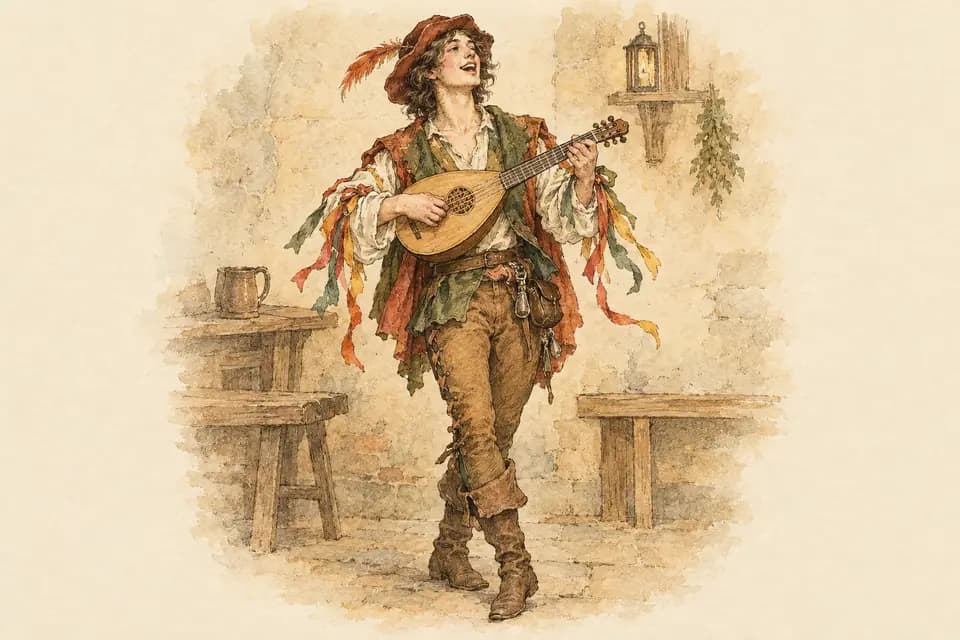 Bard namesFinnian, Lorelei, Eldan
 Monk namesZenon, Kali, Bodhi
 Ranger namesThorn, Ayla, Hawk
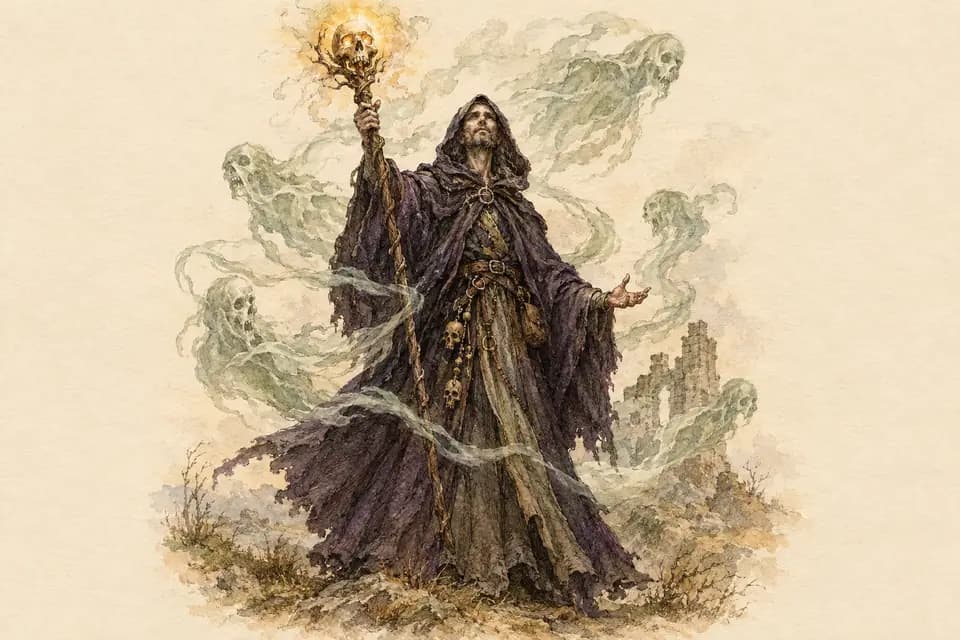 Necromancer namesMortimer, Lilith, Gideon
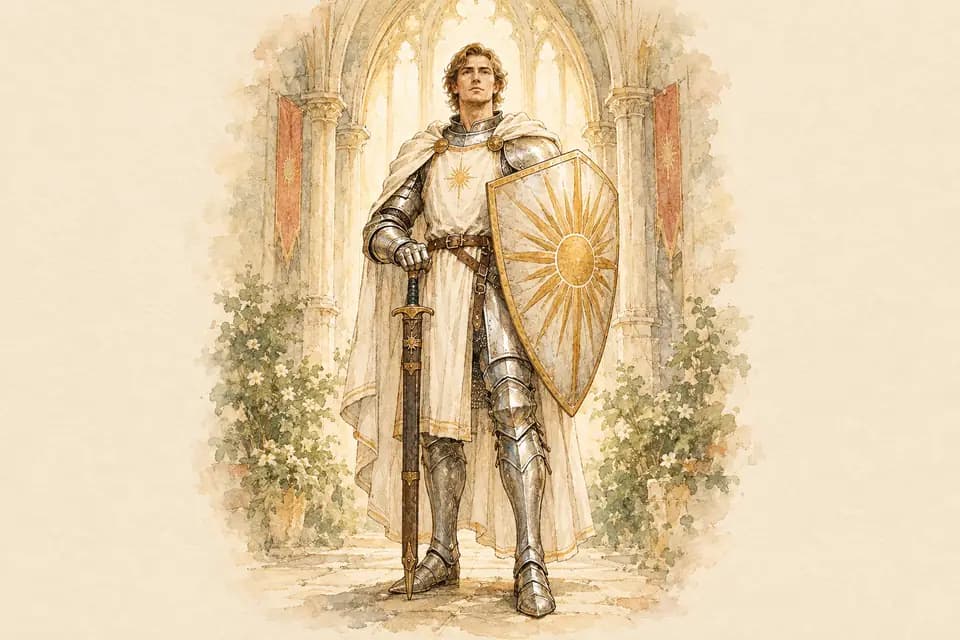 Paladin namesGawain, Aurelia, Baldwin
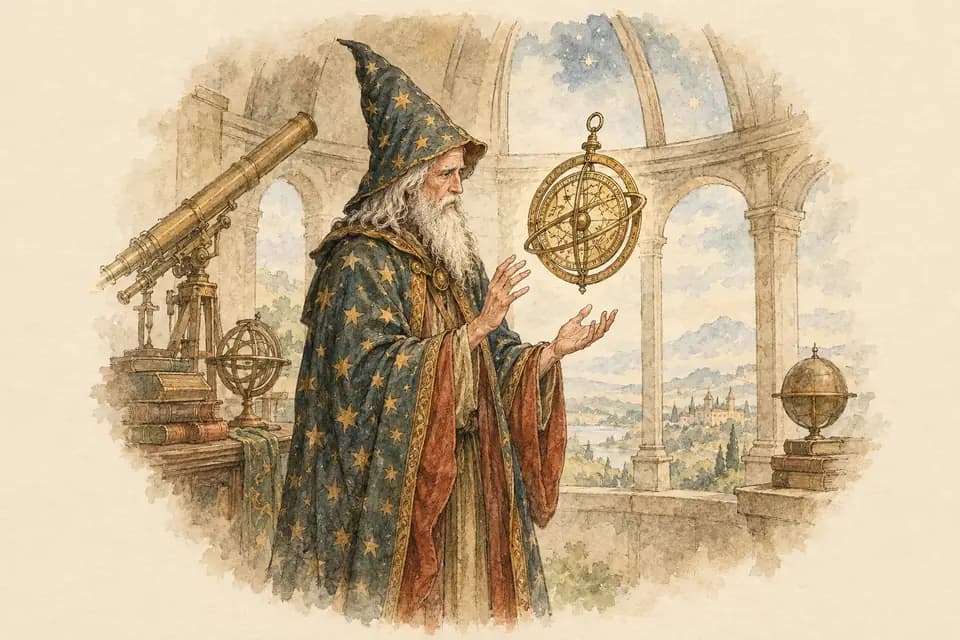 Wizard namesMerlin, Elspeth, Gandalf
 Witch namesRowena, Cernunnos, Brigid
 Druid namesAeron, Briallen, Cedric
Chapter one starts tonight.
Open a blank page, write the first line, and see where it takes you. Your readers are out there.
Plans from $9.99 a month. Cancel any time. Your words are always yours.