English Name Generator
Medieval English names preserve traces of the languages and peoples that shaped England: Old English names such as Eadric sit beside Norman French forms such as Hawise, while biblical and saints’ names spread through church and court.
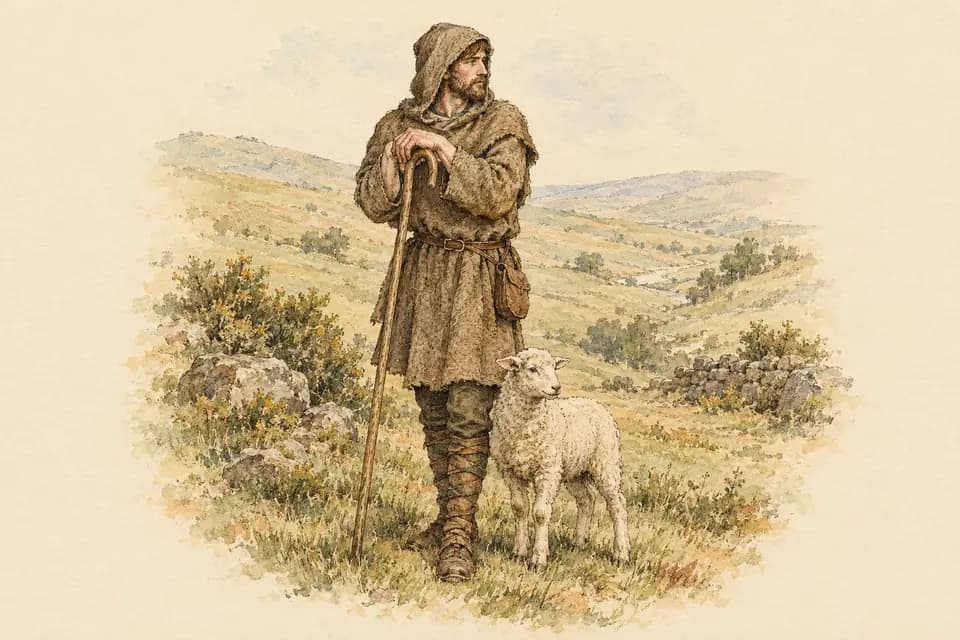
A few to start with
- AldousOld
- BeatriceShe Who Brings Happiness
- CedricBounty Pattern
- DianaDivine
- EdmundProsperity Protector
- FionaFair
Understanding English names
Medieval English names draw from a variety of influences, including Old English, Norman, and Norse, reflecting a period of significant cultural exchange and conflict.
Many sound weighty or compact, built from elements associated with kinship, faith, battle, and rule. Their spellings changed over time, so familiar modern forms may hide older roots. For fiction, a name can suggest a character’s family background, faith, status, or era without spelling out their whole history. Pair a recognizable name with a less familiar one to give a cast period flavor and distinction.
How to come up with the perfect English name
These names often have meanings tied to virtues, nature, and the feudal hierarchy, symbolizing the societal structure of the time.
Blend familiar and older forms
Medieval English naming was not one uniform system. A village might include people with Old English names such as Wulfrun, Norman French names such as Aveline, and widely used Christian names such as John or Agnes. Choose forms that fit your setting’s time and community, but do not be afraid to mix influences: centuries of contact and change made that mixture historically plausible.
Look to roots, faith, and family
Old English names often combine elements linked to concepts such as wealth, friendship, rule, or war; Eadric, for example, is commonly interpreted as “wealthy ruler.” Christian names could honor saints or biblical figures, while many family names later grew from a person’s trade or home. These clues can help a name hint at a character’s heritage, occupation, or household without turning it into a label.
Choose for sound and story
Consider how a name sounds beside the names of relatives, rivals, and places. A short name like Joan can feel direct, while Bartholomew gives a character a more formal or elaborate presence. If your story uses a specific period, favor names attested in or plausible for it; for fantasy, you can combine historical naming styles while keeping spelling and sound patterns consistent across a community.
Popular English names
English medieval names carry the charm of chivalry, folklore, and the evolving English language.
| Name | Meaning | Gender |
|---|---|---|
| Aldous | Old | Male |
| Beatrice | She Who Brings Happiness | Female |
| Cedric | Bounty Pattern | Male |
| Diana | Divine | Female |
| Edmund | Prosperity Protector | Male |
| Fiona | Fair | Female |
| Geoffrey | Peaceful Territory | Male |
| Hazel | Hazel Tree | Female |
| Isaac | He Will Laugh | Male |
| Juliet | Youthful | Female |
| Kendrick | Bold Power | Male |
| Lillian | Lily | Female |
| Miles | Merciful | Male |
| Nora | Honor | Female |
| Oswald | God's Power | Male |
| Penelope | Weaver | Female |
| Quentin | Fifth | Male |
| Rose | Rose, a Flower | Female |
| Samuel | God Has Heard | Male |
| Tabitha | Gazelle | Female |
60 more English names and meanings
Male English names
| Name | Meaning |
|---|---|
| Aethelred | Old English name meaning “noble counsel.” |
| Aelfric | Old English name meaning “elf-ruler.” |
| Alfred | Old English name meaning “elf counsel.” |
| Anselm | Germanic name meaning “divine protection.” |
| Archibald | Germanic name often interpreted as “truly bold.” |
| Bartholomew | Aramaic name meaning “son of Talmai.” |
| Cuthbert | Old English name meaning “famous and bright.” |
| Dunstan | Old English name meaning “dark stone.” |
| Eadric | Old English name meaning “wealthy ruler.” |
| Edgar | Old English name meaning “wealthy spear.” |
| Edwin | Old English name meaning “wealthy friend.” |
| Egbert | Old English name meaning “bright sword-edge.” |
| Eustace | Greek name meaning “fruitful” or “productive.” |
| Gilbert | Germanic name traditionally interpreted as “bright pledge.” |
| Godwin | Old English name meaning “friend of God.” |
| Harold | Old English name meaning “army ruler.” |
| Hereward | Old English name associated with an army guardian. |
| Humphrey | Norman name borne by medieval English nobles. |
| John | Hebrew name meaning “God is gracious.” |
| Leofric | Old English name meaning “dear ruler.” |
| Lionel | Norman French name meaning “young lion.” |
| Martin | Latin name meaning “of Mars.” |
| Nicholas | Greek name meaning “victory of the people.” |
| Osbert | Old English name meaning “divinely bright.” |
| Oswin | Old English name meaning “God’s friend.” |
| Peter | Greek name meaning “rock.” |
| Ralph | Old Norse-derived name meaning “wolf counsel.” |
| Roger | Germanic name meaning “famous spear.” |
| Stephen | Greek name meaning “crown” or “wreath.” |
| Thomas | Aramaic name meaning “twin.” |
Female English names
| Name | Meaning |
|---|---|
| Aelfgifu | Old English name meaning “elf-gift.” |
| Aethelflaed | Old English royal name borne by a Mercian ruler. |
| Etheldreda | Medieval English saint’s name, from an Old English form. |
| Agnes | Greek name traditionally understood as “pure” or “chaste.” |
| Alice | From a Germanic name meaning “noble kind.” |
| Avice | Medieval English woman’s name; its origin is uncertain. |
| Cecily | Medieval form of Cecilia, a Roman family name. |
| Christina | Latin form meaning “follower of Christ.” |
| Constance | Latin name meaning “steadfastness.” |
| Edith | Old English name meaning “wealth” and “war.” |
| Eleanor | Popular medieval name; its origin remains uncertain. |
| Emma | Germanic name associated with “whole” or “universal.” |
| Gundred | Medieval Norman name found among English nobility. |
| Hawise | Medieval English form of a name of Germanic origin. |
| Ida | Germanic name associated with work or industriousness. |
| Isabel | Medieval form of Elizabeth, meaning “God is my oath.” |
| Joan | English form of Johanna, meaning “God is gracious.” |
| Juliana | Feminine form of Julian, meaning “youthful.” |
| Margery | Medieval English form of Margaret, meaning “pearl.” |
| Matilda | Germanic name meaning “might in battle.” |
| Mabel | Medieval form of Amabilis, meaning “lovable.” |
| Millicent | Medieval name of Germanic origin; its interpretation is debated. |
| Philippa | Greek name meaning “lover of horses.” |
| Sabina | Latin name meaning “Sabine woman.” |
| Sibyl | Greek-derived name meaning “prophetess.” |
| Wulfrun | Old English woman’s name containing the element for “wolf.” |
| Winifred | Welsh name used in medieval England; its meaning is debated. |
| Aveline | Medieval Norman French name used in England. |
| Isolde | Medieval literary name of uncertain origin. |
| Lettice | Medieval English form of Letitia, meaning “joy.” |
English last names
| Name | Meaning |
|---|---|
| Baker | Occupational surname for someone who baked bread. |
| Barber | Occupational surname for a barber or hair-cutter. |
| Barker | Occupational surname associated with tanning or preparing hides. |
| Carter | Occupational surname for someone who transported goods by cart. |
| Chandler | Occupational surname for a maker or seller of candles. |
| Clark | Surname from clerk, originally a literate person or cleric. |
| Cooper | Occupational surname for a maker of barrels and casks. |
| Fletcher | Occupational surname for an arrow-maker. |
| Fuller | Occupational surname for someone who cleaned and thickened cloth. |
| Gardiner | Occupational surname for a gardener. |
| Hayward | Surname for an official who guarded fields or enclosed land. |
| Miller | Occupational surname for someone who operated a grain mill. |
| Shepherd | Occupational surname for a keeper of sheep. |
| Smith | Occupational surname for a metalworker. |
| Taylor | Occupational surname for someone who made or altered clothing. |
| Thatcher | Occupational surname for a roofer who worked with thatch. |
| Turner | Occupational surname for someone who shaped wood or metal on a lathe. |
| Walker | Occupational surname for someone who fulled cloth by walking it. |
| Webb | Occupational surname for a weaver. |
| Wood | Topographic surname for someone who lived near a wood. |
English names: frequently asked questions
What are common English names?
Common names varied by century and community. John and Thomas became widespread Christian names, while William and Robert reflect Norman influence. Agnes, Alice, Joan, and Margaret were familiar women’s names. For a medieval cast, these widely used choices can sit alongside less common names such as Aelfric or Wulfrun.
What are Old English names?
Old English names were used by the Anglo-Saxons before and after the Norman Conquest, though fashions changed over time. Many combine meaningful elements: Eadric is commonly interpreted as “wealthy ruler,” Edith as “wealth” and “war,” and Godwin as “friend of God.” Aethelflaed is a notable royal name from the same tradition.
What does the name Edith mean?
Edith comes from the Old English elements ead, meaning “wealth” or “fortune,” and gyð, meaning “war.” It was borne by prominent medieval women, including Edith of Wessex, queen consort of Edward the Confessor. Its compact form works for a noblewoman, a townsfolk character, or someone from a long-established English family.
How do I choose a medieval English name for a character?
Start with the character’s period, region, and family background. A Norman-influenced household might suit Hawise or William, while an older English name such as Wulfrun or Leofric can suggest a different tradition. Then check that the name is easy to distinguish aloud from others in your cast, especially in scenes with many characters.
Other medieval name generators
Chapter one starts tonight.
Open a blank page, write the first line, and see where it takes you. Your readers are out there.
Plans from $9.99 a month. Cancel any time. Your words are always yours.